
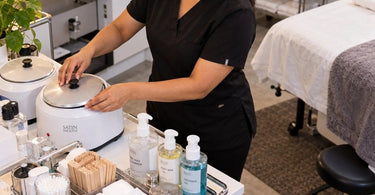
The right tools for better days... and the right lids for better mornings! Every spa and salon professional knows that the final fifteen minutes of a busy workday can feel like a race against the clock. Between sanitizing stations, folding towels, counting inventory, and making sure nobody left their iced coffee behind the reception desk, a few little details can easily get overlooked. One of the simplest? Putting covers and lids back on equipment before closing. It might seem like a tiny task, but that small habit can make a surprisingly big difference in cleanliness, equipment condition, product protection, and how smoothly the next morning begins. Whether your treatment rooms are filled with Professional Wax Warmers for Salons & Spas, hot towel cabinets, facial equipment, or massage supplies, giving everything its proper cover is an easy way to show your tools a little love.
Think of equipment covers as the pajamas of your salon. Your hardworking tools have spent the entire day helping clients look and feel fabulous. They deserve to be tucked in properly before everyone heads home. More importantly, closing equipment correctly helps protect your investment and reinforces the professional standards your business depends on.
Why Covers and Lids Should Be Put Back on Equipment Before Closing
Salon and spa environments are busy places. Hair gets cut, products get mixed, powders get brushed away, towels move between stations, and people come and go throughout the day. Even the cleanest treatment room can collect airborne particles and ordinary environmental dust.
Equipment with an open reservoir, exposed working surface, or removable lid may be especially vulnerable to debris settling where it does not belong. A properly fitted cover can help limit that exposure during periods when equipment is not being used.
Of course, a lid is not a magic sanitation shield. Equipment still needs to be cleaned, disinfected when required, and maintained according to the manufacturer's instructions. Covers simply provide another practical layer of protection after those essential steps have been completed.
The real value comes from consistency. When replacing lids becomes part of the daily closing routine, fewer things are left exposed overnight, equipment is easier to inspect, and opening staff members are greeted by an organized workspace rather than yesterday's unfinished business.
Dust Has Absolutely No Business in Your Wax Warmer
Let's begin with one of the most obvious examples: professional wax warmers. These hardworking appliances are fixtures in waxing rooms everywhere, keeping products ready for efficient hair removal services throughout the day.
Now imagine arriving for your first Brazilian wax appointment and discovering that the wax surface has collected mysterious little visitors overnight. A strand of hair? Some dust? A bit of lint from a nearby towel? None of those belong in a professional waxing service.
Properly covering an appropriate wax warmer after it has been switched off and cooled as directed helps reduce the chance of airborne debris entering the reservoir. It also creates a neat, finished appearance at the waxing station.
Professionals using Professional Stripless Hard Wax or Soft Strip Wax for Effective Salon Hair Removal should always follow the applicable product storage directions and warmer manufacturer's guidance. Different wax formulas and appliances may have different recommendations for heating, cooling, covering, and overnight storage.
Never put a lid on an appliance in a way that conflicts with its ventilation or cooling requirements. Do not assume a wax warmer should remain powered on overnight simply because it has a lid. Unless the manufacturer specifically permits unattended continuous operation under appropriate conditions, the closing procedure should include switching off the appliance.
And if the wax has become contaminated? Covering it does not make it usable again. Follow proper contamination and replacement procedures rather than trying to rescue questionable product. Some things are simply not worth saving, no matter how expensive that wax was.
Hot Towel Cabinets Need Attention Too
Few things communicate luxury quite like a beautifully warmed towel during a facial, massage, or body treatment. But the equipment that delivers that comforting experience needs proper end-of-day care.
Towel Steamers and hot towel cabinets can experience moisture buildup from normal operation. If excess moisture is left trapped inside, it may encourage unwanted odors, residue, or other maintenance problems.
This is where an important distinction matters: putting the cover back on is not necessarily the first step.
Before closing, staff should follow the equipment instructions for removing used towels, switching the unit off, draining or emptying water where required, cleaning interior surfaces, and allowing the cabinet to dry. Some units require their doors to remain open during drying or cooling. Others may be closed after their prescribed maintenance procedure is complete.
The goal is not to seal moisture inside a machine and hope for the best. The goal is to finish the complete care process and leave the equipment in its recommended storage condition.
Remember that a heated towel cabinet is not automatically a sterilizer. Proper towel laundering, handling, and storage remain essential regardless of whether the cabinet door is closed.
Facial Steamers and Water-Based Equipment Deserve Special Care
Water-based spa equipment has its own personality, and sometimes that personality is a little high maintenance. Facial Steamers, hydrotherapy devices, and other equipment with water reservoirs require attention to moisture, mineral deposits, and manufacturer-specified cleaning schedules.
Leaving a reservoir uncovered unnecessarily may allow dust and debris to settle inside. However, sealing a reservoir while it is still hot or damp may also be inappropriate for certain machines.
Many facial steamers require remaining water to be emptied and their reservoirs cleaned or allowed to dry according to the operating manual. Some manufacturers specify particular water types, descaling procedures, or storage positions.
Before replacing any cap, lid, or cover, confirm that the equipment has cooled adequately and that the manufacturer's end-of-day instructions have been followed.
A helpful routine is to check the reservoir, complete the required cleaning, inspect for residue or damage, and then close or store the machine exactly as directed.
For busy estheticians, this habit is particularly valuable because discovering scale, questionable water, or a misplaced reservoir cap five minutes before the first facial is nobody's idea of a relaxing spa experience.
Hot Stone Warmers Should Never Be Forgotten
Massage therapists know that beautifully warmed stones can elevate a treatment. They also know that cleaning a stone warmer after a full schedule is not always the glamorous part of the job.
Professional Hot Stones and Warmers often contain water, stones, and removable lids. These components need to be handled carefully at the end of the day.
After the final treatment, turn off the warmer according to its instructions and allow the contents to cool safely. Remove and clean the stones using appropriate procedures, empty and clean the reservoir as directed, and allow components to dry thoroughly before storage when required.
Only replace the lid once doing so is consistent with the machine's cooling and drying instructions.
Leaving a cleaned warmer properly stored helps keep loose debris away from its interior and makes the massage room look ready for business. Just remember that covering a dirty water reservoir is not maintenance. It is simply hiding the evidence.
Paraffin Equipment Benefits From Consistent Closing Procedures
Paraffin treatments can make manicures, pedicures, and spa services feel wonderfully indulgent. Professional Paraffin warmers also deserve careful closing procedures.
Depending on the model, a paraffin bath may include a fitted lid designed to protect the contents during storage or while the unit operates under specified conditions. The correct procedure depends on the appliance and the product being used.
Follow manufacturer instructions for switching off or maintaining the unit, cooling the paraffin, positioning the lid, and cleaning the exterior. Never place potentially contaminated paraffin back into a communal reservoir, and follow appropriate single-use or no-double-dipping procedures for client services.
A cover helps limit environmental debris, but it cannot reverse contamination. A clean-looking surface is not proof that a product is safe for reuse.
Routine care also provides a chance to notice cracked lids, damaged hinges, worn cords, or residue accumulating around the warmer's rim. Small issues can be addressed before they become inconvenient equipment failures.
Nail Stations Have More Floating Debris Than You Think
Nail technicians work in an environment where fine particles can be an everyday reality. Filing, buffing, shaping enhancements, and removing product may generate dust that travels beyond the immediate work surface.
Even with proper dust collection and ventilation, exposed containers and equipment can become dirty between appointments or overnight.
At closing, securely cap appropriate containers of Professional Gel Polish, acrylic liquids, primers, and other professional nail products according to their labels and safety requirements. Keeping compatible containers properly closed helps limit contamination, spills, evaporation, and unnecessary exposure to product vapors.
This is especially important for solvent-containing liquids and other products that should never be left open on a workstation.
Clean nail dust collectors, lamps, and related equipment according to the manufacturer's instructions. Replace removable covers only after cleaning and drying, making sure ventilation openings remain unobstructed.
For professionals working with Acrylic Nail Supplies, the exact storage directions for each chemical product should always take priority over general organizational habits.
And please, give those containers their proper caps. A mystery bottle with a loose lid is not an exciting salon surprise.
Lids Help Protect Products as Well as Equipment
The closing routine should extend beyond appliances to professional products and treatment supplies. Containers that remain open can collect dust, lose moisture, spill, or experience changes in consistency, depending on the formula.
Massage creams, body scrubs, skincare masks, and treatment preparations often come in jars, tubs, pumps, or bottles designed to close securely between uses.
Professionals working with Massage Oils, Lotions, and Creams for Therapists should verify that containers are appropriately closed and stored at the recommended temperature.
Likewise, products used during Spa Body Treatments should be handled with clean applicators, dispensed hygienically, and returned to their designated storage areas.
Never return leftover product from a client treatment to its original bulk container. Doing so can introduce contaminants even if the lid is immediately replaced.
Staff should also inspect container rims and threads. Product buildup can prevent caps from sealing correctly, which may lead to leaks or hardened residue.
A quick wipe where permitted and a secure closure can prevent a surprising amount of cleanup. Because discovering an overturned massage oil bottle in the morning is a very effective way to cancel everyone's good mood.
Clean First, Cover Second: The Order Matters
Here is the golden rule of equipment closing procedures: cleaning must come before covering whenever the applicable equipment instructions require it.
A lid does not disinfect a reservoir, remove leftover product, eliminate microbes, or make contaminated tools acceptable for reuse. Covers are part of proper storage, not substitutes for actual cleaning and sanitation.
Start by removing disposable materials and visible debris. Clean equipment surfaces using the products and methods approved by the manufacturer. Where disinfection is necessary, choose a compatible professional disinfectant and follow its label directions, including the required contact time.
Explore Professional Cleaners & Disinfectants for Salons and Spas for options appropriate to different professional cleaning needs.
After cleaning and any required disinfection, follow the necessary rinsing, drying, cooling, and storage procedures. Reattach covers only when the equipment is ready.
This distinction is particularly important for tools that contact clients directly. Applicable state cosmetology regulations and manufacturer instructions determine which cleaning, disinfection, or sterilization procedures are required. Putting a lid on a container does not establish that its contents are sanitized or sterile.
Not Every Cover Should Go Back on Immediately
Although the overall message is simple, equipment safety is never one-size-fits-all. Certain appliances need open ventilation, a cooldown period, complete drying, or special shutdown steps before their covers can be replaced.
For example, heated machines may need time to cool, water reservoirs may need to remain open while drying, and electrical equipment may have vents that must never be obstructed.
Even a cover designed for one model may not be safe or appropriate for another. Avoid improvising with towels, plastic wrap, or decorative fabric over electrical appliances.
When equipment does not come with a lid, do not assume an improvised cover is an improvement. Follow the manufacturer's recommended storage procedure instead.
It is also important to distinguish between a fitted appliance lid, a dust cover, and a protective shipping cover. They may look similar, but they are not necessarily interchangeable.
A smart closing checklist should identify the correct procedure for each piece of equipment rather than telling staff to cover absolutely everything without exceptions.
What Happens When Covers and Lids Get Left Off?
One forgotten lid probably will not bring a salon to its knees. But repeated oversights can create annoying and sometimes expensive problems.
Open containers may accumulate debris. Products may dry out or evaporate faster than intended. Water-containing equipment may develop unwanted residue if maintenance is neglected. Removable lids may get misplaced, damaged, or accidentally thrown away during a rushed cleanup.
There is also the appearance factor. Clients notice the little things, especially in treatment spaces where cleanliness is part of the service experience.
A neatly maintained waxing station, organized facial room, and properly stored massage equipment communicate care and attention. Those details support confidence in the professionalism of your business.
Of course, visible organization alone does not establish sanitation compliance. But it complements the behind-the-scenes cleaning and maintenance procedures that keep operations running smoothly.
Perhaps the biggest benefit is preventing avoidable morning delays. If equipment is cleaned, checked, and stored properly before closing, the next shift can focus on preparing for clients rather than tracking down missing parts or dealing with yesterday's mess.
Create a Closing Checklist Your Team Will Actually Follow
The easiest way to make proper lid and cover placement consistent is to build it into an easy-to-follow closing checklist.
Keep instructions specific to your salon's equipment rather than relying on vague reminders such as clean everything or tidy the room.
Step 1: Shut down equipment appropriately. Turn off appliances and unplug them where required by the manufacturer's instructions. Confirm that heated units have begun their prescribed cooling procedures.
Step 2: Remove used materials. Dispose of single-use supplies, remove used towels, and keep contaminated implements separate from cleaned and processed items.
Step 3: Clean and disinfect correctly. Follow manufacturer requirements, product labels, and applicable salon regulations. Pay attention to reservoirs, container rims, handles, and frequently touched surfaces.
Step 4: Check moisture and temperature. Allow equipment to cool and dry as required. Empty water tanks or reservoirs when directed.
Step 5: Replace approved lids and covers. Secure fitted lids, caps, and protective covers only when safe and appropriate for that equipment.
Step 6: Check product storage. Close compatible jars and bottles, return supplies to their designated spaces, and confirm that any products requiring special storage conditions are handled accordingly.
Step 7: Perform a final visual walkthrough. Look for misplaced covers, spills, damaged cords, forgotten equipment, and anything that needs attention before the next business day.
Print the checklist, laminate it, or include it in a digital task system. The important part is making responsibilities obvious and easy to verify.
Assign Closing Responsibilities Without Starting a Staff Debate
There is a familiar salon mystery that happens when everyone assumes someone else handled a task. By the time the oversight is discovered, all potential suspects have gone home.
Prevent the classic I thought you did it situation by assigning closing responsibilities to specific team members.
Waxing specialists can check their warmers and treatment products. Estheticians can handle facial equipment and skincare storage. Nail technicians can secure appropriate product containers and complete station maintenance. Massage therapists can care for stone warmers and massage supplies.
For shared equipment, designate one person to perform the final check. A closing supervisor can verify that the team has completed its tasks without requiring one exhausted employee to clean every treatment room personally.
Training matters too. New employees should understand not only which lids belong on which machines, but also when covers must remain off for cooling, drying, or ventilation.
Keep equipment manuals accessible and encourage staff to report missing, cracked, or poorly fitting components. When a replacement part is needed, look for compatible options rather than forcing the wrong lid onto a machine.
Pure Spa Direct offers a wide assortment of professional equipment and accessories, including Bulbs & Replacement Parts for Spa and Salon Equipment to help businesses explore suitable maintenance and replacement options. Always confirm model compatibility before purchasing.
Make Your Salon Easier to Open Tomorrow
A well-organized closing routine has benefits beyond cleanliness. It can reduce unnecessary setup time, help employees identify maintenance concerns earlier, and support consistency between morning and evening shifts.
Imagine walking into a treatment room where the surfaces are clean, professional products are stored correctly, and equipment is ready for its required opening checks. That is a much better beginning than discovering an uncovered warmer, a misplaced steamer cap, or an open container of treatment cream.
Small maintenance habits also help protect the money invested in professional tools. Quality equipment is an important business expense, and sensible care can help avoid preventable damage and disruption.
Stocking the appropriate Spa Essentials for Professionals, keeping cleaning materials accessible, and maintaining a realistic daily checklist can make those habits easier for busy teams to follow.
The closing process does not need to become an elaborate ceremony. No candlelit farewell to the wax warmer is required. Just a consistent routine that gives each piece of equipment the attention it needs.
A Little Lid Love Goes a Long Way
So, why should covers and lids be put back on equipment before closing? Because proper storage is one of those small professional habits that supports a cleaner, more organized, and better-maintained salon or spa.
When used correctly, covers can help protect suitable equipment and products from unnecessary exposure to environmental debris, reduce the chance of misplaced components, and support more efficient opening routines.
The key is doing things in the right order: shut down, clean, disinfect where required, cool, dry, inspect, and then cover or close according to the manufacturer's directions.
Whether you operate a bustling nail salon, an intimate massage studio, a luxury spa, or a busy waxing business, those finishing touches make the end of the day feel a little more complete.
At Pure Spa Direct, we're here to help beauty and wellness professionals find the equipment, supplies, and everyday essentials that support their services. Explore our Top-Quality Equipment & Furniture for Spas & Salons and make sure your treatment spaces have what they need to operate smoothly.
Before switching off the lights tonight, give your equipment one last look. Clean surfaces? Check. Safe shutdown? Check. Properly dried components? Check. Appropriate lids back where they belong? Check!
Your morning crew will appreciate it, your equipment will be better cared for, and you can head home knowing that tomorrow's beauty magic will not begin with a scavenger hunt for a missing wax warmer lid.
