
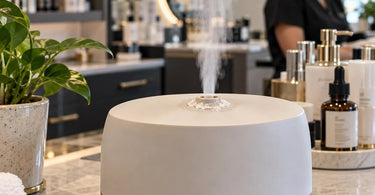
Clients rave about this every visit... until somebody notices a mysterious little crusty ring forming around the mist outlet of the diffuser. A professional aromatherapy supplies setup can create a gorgeous sensory experience in a treatment room, reception area, relaxation lounge, or massage space, but those hardworking diffusers need a little attention too. Residue around the mist outlet is extremely common, and understanding where it comes from can make routine care much easier before your diffuser starts looking like it has been quietly collecting evidence from every essential oil blend you have ever used.
The good news is that visible buildup does not automatically mean the diffuser is defective. In many ultrasonic units, residue is simply the result of minerals in water, essential oil deposits, condensation, airborne dust, or a combination of all four. In a busy spa environment where a diffuser may operate for hours at a time, small deposits can become surprisingly noticeable.
Why Spa Diffusers Develop Residue Around the Mist Outlet
Ultrasonic diffusers typically use rapid vibration to transform water and aromatic oils into a very fine mist. That mist travels through the diffuser cover and exits through a relatively small opening. Every time the mist passes through that outlet, tiny droplets can contact the surrounding surface.
Once the water portion evaporates, whatever was dissolved or suspended in those droplets can remain behind. Think of it as the world's tiniest spa facial leaving behind everything except the water. Over repeated operating cycles, those microscopic leftovers can accumulate into a visible film, ring, powder, or slightly sticky residue.
The exact appearance often gives you a clue about what is happening. A chalky white deposit frequently points toward minerals in the water. A sticky or slightly glossy film may contain essential oil residue. A darker or fuzzy-looking accumulation may be dust sticking to moisture or oil, which is your diffuser's not-so-subtle way of asking for housekeeping attention.
Hard Water Can Leave Minerals Behind
Water quality is one of the biggest reasons residue appears around mist outlets. Tap water contains naturally occurring minerals, and the concentration varies significantly by location. When an ultrasonic device creates mist from mineral-containing water, some of those minerals can eventually settle onto the diffuser itself or nearby surfaces.
That is why a white or pale-colored crust may gradually appear around the outlet even when employees are careful about measuring essential oils. The diffuser is not manufacturing mysterious white powder overnight. It may simply be concentrating deposits from the water being used.
Before changing water types, however, always check the diffuser manufacturer's instructions. Some ultrasonic diffuser designs are intended for particular types of water, and recommendations can vary between manufacturers. Spa professionals should follow the care instructions for the specific equipment rather than assuming one universal rule applies to every model.
Essential Oils Can Leave Their Own Calling Card
Essential oils smell light and airy once dispersed, but the oils themselves are not disappearing into another dimension. Small amounts may remain inside the reservoir, around the ultrasonic plate, underneath the cover, and near the mist outlet.
Some oils and aromatic blends can leave more noticeable residue than others, particularly when the diffuser is used repeatedly without being wiped between scent changes. Over time, the residue can become tacky enough to attract dust and lint from the surrounding room.
That is especially relevant in professional environments where essential oils may be changed throughout the week to complement different treatments, seasons, or spa experiences. Yesterday's relaxing blend does not necessarily need to become an ingredient in tomorrow's citrus moment.
Regular reservoir and outlet care can also help preserve a cleaner aromatic experience. If old oil residue remains inside the unit, traces of a previous fragrance may mingle with the next blend. Lovely when intentional. Slightly confusing when your fresh citrus blend suddenly has mysterious notes of eucalyptus, lavender, and whatever happened during Tuesday's massage appointments.
Condensation Around the Outlet Is Often Part of Normal Operation
Because a diffuser is producing mist, some moisture can naturally collect around the opening and inside the lid. That moisture may look harmless while the diffuser is operating, but once it dries, dissolved minerals or traces of oil can remain.
Repeated condensation followed by evaporation creates a perfect little deposit-building cycle. Mist forms, moisture collects, water evaporates, residue stays behind, and the process starts again.
This is one reason wiping only the reservoir may not be enough. The lid, mist channel, outlet, and other accessible surfaces can also deserve attention according to the manufacturer's cleaning instructions.
Why Busy Spa Environments Can Make Buildup More Noticeable
A home diffuser might operate for an hour during an evening wind-down routine. A professional spa diffuser can have a much busier social calendar.
Reception areas, relaxation rooms, massage suites, and treatment spaces may use diffusers for extended periods. More operating hours mean more mist cycles and potentially more opportunities for residue to accumulate. Pair that with towels, linens, skincare products, massage products, foot traffic, and normal airborne dust, and the diffuser outlet can become a magnet for particles.
Keeping the surrounding workstation clean matters too. Professional cleaners and disinfectants for salons and spas are important parts of an overall facility-care program, although they should never automatically be applied directly to diffuser components. Follow the diffuser manufacturer's instructions regarding which cleaning products, if any, are appropriate for the unit.
Does Residue Affect Mist Performance?
It can. The visible residue around the outlet may be mostly cosmetic, but buildup elsewhere inside the diffuser can interfere with normal operation. Essential oil residue or mineral deposits around an ultrasonic plate or other critical components may contribute to weaker mist output.
If a diffuser that once produced a healthy plume suddenly seems sleepy, inconsistent, or unusually quiet in the mist department, inspection and cleaning should be among the first troubleshooting steps. Check the reservoir, ultrasonic area, lid, outlet, and air intake areas that the manufacturer identifies as user-serviceable.
A diffuser that needs cleaning may also distribute aroma less effectively. Spa teams sometimes respond by adding more oil, but pouring in extra product is not necessarily the answer. If residue is affecting performance, adding more oil can potentially create even more buildup. More is not always more, especially when the machine is practically waving a tiny white flag.
Create a Simple Diffuser Cleaning Routine
Professional environments run more smoothly when equipment maintenance is part of the routine rather than something everybody suddenly remembers after a problem develops. Add diffuser inspection to the opening, closing, or room-reset checklist at a frequency appropriate for your equipment and usage.
After use, emptying standing water when instructed, gently wiping accessible areas, and allowing components to dry can help prevent residue from accumulating. Periodic deeper cleaning may also be recommended by the manufacturer.
Use soft, nonabrasive materials around delicate diffuser components. Cotton swabs or soft cloths are commonly useful for reaching small areas, but the manufacturer's instructions should always determine the appropriate method. Some diffuser makers permit specific cleaning solutions for deeper maintenance while others provide different procedures.
Never assume that because vinegar, alcohol, or another cleaner works for one diffuser it is appropriate for every diffuser. Internal materials, finishes, ultrasonic components, and electronics vary. The manual wins this argument every time.
Pay Attention to the Ultrasonic Plate
On ultrasonic models, the small vibrating component responsible for producing mist is especially important. Oil residue or mineral accumulation in this area can reduce performance even when the exterior of the diffuser still looks perfectly respectable.
If the manufacturer identifies the ultrasonic plate as a cleanable component, follow its instructions carefully. Delicate parts generally deserve gentle treatment rather than enthusiastic scrubbing. This is spa equipment maintenance, not an audition for a power-washing commercial.
Keeping a few appropriate cleaning items with your regular spa essentials for professionals can make routine maintenance easier for staff. The goal is to make diffuser care part of normal room turnover rather than a special project.
Do Not Forget the Diffuser Lid and Mist Channel
The reservoir gets most of the attention because it is where the water and oils are added, but residue can hide farther along the mist's path. Removable lids, interior channels, directional nozzles, and outlet openings can collect condensation and aromatic residue too.
If components are designed to be removed, inspect them during routine cleaning. Oils can leave invisible films before they become obvious enough to see. A component that looks clean at a glance may still feel slightly slick.
Drying removable pieces thoroughly between uses, where recommended, can also reduce persistent moisture. Just be sure all parts are reassembled correctly before the diffuser is returned to service.
Watch the Air Intake Too
Depending on the model, a diffuser may rely on airflow through vents or openings in the base. Dust collecting around those areas can influence airflow and eventually make its way toward damp or oily surfaces.
Place diffusers where their ventilation openings are not blocked by towels, decorative objects, curtains, paperwork, or other spa supplies. The beautiful little diffuser tucked tightly between six rolled towels and an inspirational sign may look adorable, but machines generally appreciate being allowed to breathe.
Keep electrical bases away from excessive moisture and never immerse components unless the manufacturer specifically states that they are washable.
Location Can Affect How Quickly the Outlet Gets Dirty
Where the diffuser sits matters. A unit positioned beside an open container of product, underneath a shelf of fluffy towels, directly beside a busy doorway, or near a workstation that generates airborne particles may collect more debris than one placed in a clean, stable location.
Choose a level surface with adequate clearance and airflow. Protect nearby furnishings from moisture according to the equipment instructions, and avoid placing the diffuser where mist constantly strikes a wall, cabinet, electronics, or treatment supplies.
For treatment rooms using professional massage and wellness products, positioning the diffuser away from areas where oils and lotions are dispensed can also help keep its exterior cleaner.
A Cleaner Diffuser Supports a More Polished Client Experience
Clients notice details, especially in businesses built around relaxation, beauty, cleanliness, and care. A beautifully arranged treatment room can lose a tiny bit of its magic when the diffuser on the counter has a crusty halo around the top.
Fortunately, diffuser residue is usually easier to manage when staff understands why it forms. Water minerals, essential oil residue, condensation, dust, and extended operating time can all contribute. Consistent inspection and manufacturer-approved cleaning help keep the unit looking better and functioning as intended.
For professionals refreshing treatment rooms, relaxation areas, and aromatic service experiences, explore Aromatherapy Supplies and other Wellness Tools & Supplies for Professional Excellence available through Pure Spa Direct. As a professional beauty and wellness distributor, Pure Spa Direct offers equipment and supplies for spas, salons, massage practices, and wellness businesses looking to keep both the client experience and the behind-the-scenes routine running smoothly.
The Bottom Line
Residue around a spa diffuser's mist outlet is often the visible result of everything that passes through or settles around that small opening. Mineral-containing water can leave pale deposits, essential oils can leave film, condensation can repeatedly deposit those materials, and ordinary room dust can stick to moist or oily surfaces.
Instead of waiting until the diffuser starts looking like an archaeological dig, build inspection and cleaning into your regular spa maintenance routine. Follow the specific manufacturer's directions, use appropriate water and cleaning methods for that model, keep the outlet and accessible components clean, and give the unit enough space for normal airflow. Your diffuser can get back to doing what it does best: quietly setting the mood while taking absolutely none of the credit.
