
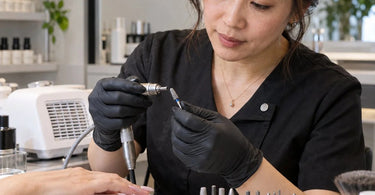
Elevate services with this game-changer now... understanding why e-file bits feel different after they heat up can make a surprisingly big difference in your nail services. One minute, your bit is gliding beautifully across an acrylic enhancement, and the next, it feels like it has developed a personality disorder. Suddenly, the movement seems less smooth, the cutting action feels inconsistent, or your client mentions that familiar little burst of warmth. Before blaming your electric file or questioning every career decision you have made since beauty school, consider what is happening where the bit meets the nail product. Heat, friction, pressure, bit condition, and technique all influence how an e-file performs throughout an appointment.
For professional nail technicians, recognizing these changes is about more than maintaining a comfortable service. It is about protecting the natural nail, improving product removal, maintaining control, and getting consistent results from your equipment. Whether you specialize in acrylic enhancements, hard gel, structured manicures, or routine maintenance appointments, understanding temperature-related changes can help you work more efficiently without sacrificing precision.
Why E-File Bits Feel Different After They Heat Up
Electric nail files remove material through mechanical contact. As the bit rotates against acrylic, hard gel, or another suitable surface, friction and cutting resistance create heat. Some heat is an unavoidable result of that interaction, but excessive heat is neither necessary nor acceptable during professional nail services.
As the bit and working surface become warmer, several things may change. Product dust can accumulate in the cutting surfaces, the technician may unconsciously adjust pressure, and the material being removed may respond differently to repeated contact. These factors can make the bit feel less predictable, even though its basic shape and intended function have not changed.
Importantly, a noticeable change in performance does not automatically mean the metal has expanded enough to affect its cutting geometry. Under ordinary service conditions, changes in technique, debris accumulation, product resistance, and bit condition are generally more useful explanations than dramatic thermal expansion.
The sensation may be described as dragging, grabbing, skipping, vibrating, or simply requiring more effort. Each description offers a clue about what deserves attention before continuing.
Friction Is the Main Character in This Drama
Friction is the primary reason e-file work generates heat. Every time the rotating bit contacts an enhancement, mechanical energy is converted into cutting action, vibration, sound, and heat. The amount depends on several interacting variables, including contact pressure, rotational speed, bit design, surface material, and how long the bit remains in one location.
Picture removing bulk acrylic from a thick enhancement. A properly selected bit cuts through the material with relatively little pressure. Now imagine pressing harder to finish the same section more quickly. The increased force can create more friction, elevate local temperatures, and produce a less controlled cutting sensation.
Unfortunately, the natural response to a bit that seems sluggish is often to press harder. That can create an unpleasant cycle: reduced cutting efficiency leads to additional pressure, additional pressure creates more heat, and increased discomfort encourages even more awkward adjustments.
The solution is not stronger hands. It is better technique, appropriate equipment, and a willingness to stop when the process feels wrong.
Why Warm Bits Sometimes Feel Like They Are Dragging
A bit that initially cuts smoothly may begin feeling resistant as the appointment progresses. One possible explanation is accumulated filing debris. Acrylic and gel dust can become trapped around cutting flutes or abrasive surfaces, especially when a bit is already partially clogged.
This accumulation interferes with the contact between the cutting surface and the enhancement. Instead of removing material efficiently, the bit may begin rubbing more than intended. The technician notices increased resistance and may mistakenly assume that additional pressure is necessary.
Different enhancement products also respond differently to mechanical filing. Some materials create fine powder, while others produce larger particles or shavings. Depending on the formulation and filing conditions, debris may be more likely to pack into the bit.
Professionals can explore e-file bits designed for different removal and refinement tasks. Selecting the proper cutting surface for the product being serviced helps reduce unnecessary resistance.
When a bit begins dragging, stop and inspect it rather than attempting to power through the problem. A clogged or damaged tool deserves attention before it returns to the nail.
Does Heat Actually Change the Metal in an E-File Bit?
Professional e-file bits may incorporate carbide, stainless steel, diamond-coated surfaces, ceramic materials, or other specialized components. These materials have different thermal properties, wear characteristics, and cutting mechanisms.
Metal expands slightly as its temperature rises, but the modest temperature changes associated with normal filing generally do not produce dramatic dimensional changes in a properly manufactured bit. A warm bit should not suddenly transform into an entirely different cutting tool simply because it has been used for several minutes.
Excessive temperatures, however, can contribute to performance problems, particularly when combined with prolonged friction, inappropriate use, existing wear, or damage. Persistent overheating is a warning to investigate the working conditions rather than assuming the bit is simply warming up.
If a bit becomes unusually hot, produces an unfamiliar smell, develops visible damage, or behaves unpredictably, discontinue its use until the cause has been identified. Heat should never be treated as proof that a tool is working harder or better.
Why Your E-File Speed Matters More Than You Think
Rotational speed plays an important role in cutting efficiency, but there is no single RPM setting that works safely for every bit, product, and nail service.
Higher speeds increase the frequency of contact between the cutting surface and the enhancement. Depending on pressure and technique, this can increase heat generation. Conversely, using a speed that is too low for a particular removal task may cause the bit to bog down, encouraging the technician to apply excessive pressure or remain in one area for too long.
That means simply turning the machine down whenever filing feels uncomfortable is not always a complete solution. The correct response to client discomfort is to immediately lift the bit, stop the procedure, and evaluate what caused the sensation.
After assessing the situation, choose the appropriate speed according to the equipment manufacturer, bit specifications, material being removed, and your professional training.
Remember that RPM alone cannot compensate for incorrect bit selection, unstable hand positioning, dull cutting surfaces, or unnecessary pressure. A good machine is helpful, but it cannot read your mind. Yet.
Pressure Can Turn a Smooth Bit Into a Heat Generator
Excessive pressure is one of the most common contributors to uncomfortable e-file services. Professional nail technicians should generally allow the selected bit to perform the cutting action instead of forcing it through product.
Light, controlled contact allows material to be removed progressively. Heavy pressure can increase resistance, create localized friction, and reduce your ability to respond to subtle changes in the surface.
Pressure also affects how heat is transferred toward the natural nail. During enhancement reduction, the remaining product provides some separation between the rotating bit and the nail plate. As that layer becomes thinner, the margin for error decreases.
This is why aggressive filing near the natural nail can cause discomfort surprisingly quickly. A client may feel a concentrated heat spike before the technician notices anything unusual through the handpiece.
Use a stable grip, support the client's finger, maintain appropriate contact angles, and work with deliberate movements. If you find yourself gripping the handpiece like it owes you money, it may be time to reassess your technique.
Different E-File Bit Materials Handle Filing Differently
Not every nail drill bit removes product in the same way. Understanding the cutting mechanism can help explain why different tools produce different sensations during extended use.
Carbide bits: Carbide cutting flutes are commonly used for reducing suitable enhancement materials. When properly selected and maintained, they can remove product efficiently. A worn or debris-filled carbide bit may require additional effort and generate unwanted friction.
Ceramic bits: Ceramic bits are often promoted for their thermal characteristics, but they are not immune to friction-related heat. Their performance depends on design, cutting condition, pressure, speed, and the material being removed. They can still produce uncomfortable heat when used improperly.
Diamond bits: Diamond-coated bits use abrasive surfaces for precision work and refinement. They are frequently associated with detailed manicure tasks, but suitability depends on the particular bit and the technician's training. Fine abrasive surfaces may become less effective when clogged with debris.
Sanding bands: Disposable sanding bands provide abrasive filing through a replaceable surface. Their performance changes as abrasive particles wear and become loaded with product. Worn bands may increase the temptation to press harder, creating additional friction.
Browse professional nail drill bits and sanding bands to find options appropriate for different service applications.
Why Product Thickness Changes the Heat Experience
The thickness of the enhancement can affect how heat reaches the client's natural nail. During initial bulk removal, there may be substantial product between the bit and the nail plate. As filing progresses, that protective distance decreases.
A technique that feels comfortable while removing thick acrylic may become uncomfortable when repeated over a much thinner section of material.
Continued contact in one small area concentrates energy instead of spreading the cutting action across the surface. This increases the possibility of localized warmth and heat spikes.
The answer is to adjust technique as product thickness changes. Reduce pressure, avoid dwelling in one location, and use the appropriate finishing method before approaching the natural nail.
Some nail technicians intentionally leave a thin, stable layer of compatible enhancement during maintenance or removal procedures when appropriate for the service. This can help avoid unnecessary contact with the natural nail, although the exact process must follow the product system and professional training.
Efficiency matters, but saving a few seconds should never come at the expense of nail integrity.
Why a Dull Bit Can Feel Worse After Several Appointments
E-file bits experience wear through repeated use. Cutting flutes can become less effective, abrasive coatings can deteriorate, and accumulated damage can interfere with smooth operation.
A worn bit may still rotate perfectly, making the problem easy to overlook. However, its reduced cutting efficiency can encourage longer contact times and greater pressure.
These changes often become more noticeable during demanding services, such as bulk enhancement removal. The technician may believe that the bit is simply performing differently because it has warmed up, when underlying wear is contributing to the problem.
Inspect reusable bits regularly for damaged edges, worn coatings, corrosion, bending, unusual vibration, or other signs of deterioration. Replace tools that no longer perform as intended.
A fresh, suitable bit can make product reduction feel easier without requiring aggressive filing. Sometimes the best technique adjustment is retiring equipment that has already worked enough shifts.
How to Recognize a Problem Before Your Client Feels It
Experienced nail technicians learn to recognize subtle changes in the sound and feel of their electric file. A smooth, predictable cutting action should not suddenly become rough, uneven, or excessively resistant without investigation.
Pay attention when the handpiece begins vibrating differently, the cutting sound changes, visible debris accumulates, or the bit seems to require greater pressure to achieve the same result.
These symptoms do not all indicate heat buildup. They may signal equipment maintenance needs, improper bit installation, incorrect rotation direction, unstable technique, or a mismatch between the bit and the product.
Check that the bit is securely seated according to the handpiece instructions and that the machine operates smoothly. Do not continue working with a loose, bent, or visibly damaged attachment.
Most importantly, communicate with the client throughout the service. Ask them to report warmth, discomfort, stinging, or burning immediately. Never encourage a client to tolerate pain as a normal part of professional enhancement removal.
What to Do When an E-File Bit Starts Feeling Hot
If the bit begins generating excessive heat or the client reports discomfort, immediately lift the bit away from the nail and stop filing. Allow the area and tool to cool naturally while assessing the situation.
Examine the nail and surrounding tissue for redness, tenderness, visible damage, or other concerning signs. Do not resume filing over an area that remains painful or appears injured. If an injury is suspected, stop the affected service and follow appropriate first-aid and referral procedures.
Next, inspect the bit for visible debris, damage, or wear. Check whether the chosen bit is appropriate for the product and whether pressure, speed, and contact time need adjustment.
Review your hand positioning and the amount of enhancement remaining. If the working surface has become too thin for the planned filing technique, transition to an appropriate alternative method.
Do not attempt to compensate for a hot bit by immediately applying it to a different nail. Identify the cause before continuing any part of the service.
Cleaning E-File Bits Helps Maintain Consistent Performance
Clean tools are essential for professional nail services, both for hygiene and for maintaining effective cutting surfaces. Filing debris can accumulate in grooves and abrasive textures, interfering with performance.
Reusable bits must be cleaned and disinfected according to their manufacturer's instructions and applicable state board regulations. Remove visible debris using approved cleaning methods before completing the required disinfection procedure.
Select disinfectants compatible with the bit material and follow the labeled concentration and contact time. Proper rinsing and drying may also be required depending on the product instructions.
Disposable accessories, including single-use sanding bands, must not be reused between clients. A reusable metal mandrel may require its own cleaning and disinfection procedure.
Explore Professional Cleaners & Disinfectants for Salons and Spas for products that support professional salon hygiene protocols.
Remember that cleaning a bit does not restore worn cutting edges. If performance remains inconsistent after proper maintenance, replacement may be necessary.
Why Your E-File Handpiece Might Also Feel Different
Sometimes the sensation associated with a warm e-file is not coming from the bit alone. The handpiece itself may become warmer during operation because its internal motor and mechanical components generate heat.
A small amount of warmth may be normal for certain devices, but excessive temperature, unusual noise, unstable speed, or increased vibration can indicate a maintenance issue.
Check the manufacturer's operating recommendations, including duty cycles, ventilation requirements, compatible attachments, and maintenance instructions. Avoid obstructing cooling vents or using a machine beyond its intended operating conditions.
Proper bit installation is also essential. An incorrectly seated attachment can create vibration or irregular rotation, making the filing experience feel less controlled.
Professionals shopping for electric nail files should consider handpiece stability, manufacturer support, variable-speed control, compatible bits, and ease of maintenance rather than focusing exclusively on maximum RPM.
How Salon Workflow Can Reduce Heat-Related Problems
Consistent e-file performance begins before the client sits down. A prepared nail station makes it easier to select the right tool, maintain visibility, and avoid rushed decisions.
Organize frequently used bits according to their intended applications, maintain a supply of clean and disinfected reusable tools, and keep suitable replacement accessories available.
Set up adequate lighting so you can clearly see enhancement thickness and distinguish the product from the natural nail. Consider professional LED Bright Lamps for detailed nail services.
Effective dust extraction also supports a cleaner working environment. Filing dust can obscure visibility, accumulate around equipment, and create unnecessary housekeeping challenges.
Search for nail dust collectors and compatible supplies to help manage airborne filing debris. Choose equipment appropriate for your salon layout and the procedures being performed.
A functional workstation with comfortable positioning is equally important. Browse Nail Tables and Manicure Stations when evaluating your professional setup.
Good ergonomics allow technicians to maintain stable hand positioning without excessive gripping or awkward pressure. That means improved control, reduced fatigue, and fewer moments when the bit decides to take the scenic route.
Practical Habits That Help Prevent E-File Heat Spikes
Small habits can make a meaningful difference in controlling friction and maintaining consistent cutting performance.
Choose the correct bit: Match the shape, grit, material, and cutting design to the service and product. A bit intended for aggressive enhancement reduction should not be treated as a universal manicure attachment.
Use controlled pressure: Let the tool remove material instead of pushing against the working surface. Excessive force can increase friction and compromise precision.
Maintain movement: Use smooth, deliberate passes rather than holding the rotating bit against one location for extended periods.
Adjust for product thickness: Modify your technique as you approach the natural nail. Never assume that a comfortable bulk-removal method remains appropriate during final refinement.
Inspect equipment: Check for wear, debris, vibration, and incorrect installation before beginning a service.
Listen to clients: Treat complaints of burning, heat, or discomfort as immediate reasons to stop and reassess.
Follow your training: Use manufacturer guidance and recognized professional education rather than relying on universal speed recommendations or social media shortcuts.
These habits support more predictable services while helping protect the quality of your work.
Frequently Asked Questions About E-File Bit Heat
Is it normal for an e-file bit to become warm? Some warmth may develop through normal mechanical operation, but excessive heat or client discomfort should never be ignored. Stop and assess friction, pressure, technique, and equipment condition.
Why does my nail drill bit feel less sharp after prolonged use? The bit may be clogged with filing debris, worn, damaged, or poorly matched to the product. Changes in pressure and technique may also affect how effectively it cuts.
Do ceramic nail drill bits stay cool? Ceramic materials have different thermal characteristics from metal, but ceramic bits can still generate friction-related heat. No bit material eliminates the need for proper technique.
Can filing speed cause burning sensations? Yes. Inappropriate RPM can contribute to heat, especially when combined with excessive pressure or prolonged contact. Both speed and technique must match the specific application.
Should I use a coarse bit to prevent overheating? Not automatically. Coarser bits can remove certain enhancement materials efficiently, but they may also remove product aggressively. Bit selection must reflect the material, intended application, remaining thickness, and technician training.
When should I replace an e-file bit? Replace reusable bits when cutting performance deteriorates, coatings wear, damage develops, or the manufacturer's replacement guidance indicates that continued use is inappropriate.
Can an overheated e-file damage the natural nail? Yes. Excessive friction and localized heat can cause discomfort and potentially injure the nail or surrounding tissue. Repeated aggressive filing also increases the risk of thinning the nail plate.
Better E-File Control Starts With Better Professional Supplies
Understanding why e-file bits feel different after they heat up gives nail technicians another valuable tool for improving their services. What initially seems like a mysterious change in bit performance often has a practical explanation involving friction, pressure, debris accumulation, wear, or equipment setup.
The goal is not to find a magical bit that never experiences friction. The goal is to select appropriate equipment, understand its limitations, maintain it properly, and respond to changes before they compromise client comfort.
At Pure Spa Direct, we help nail professionals access the supplies they need for efficient, polished services. As a professional beauty distributor, we offer a wide selection of products from industry suppliers rather than manufacturing the tools ourselves.
Explore our Professional Nail Care Collections, shop Acrylic Nail Supplies, and discover Nail Files & Buffers to complement your e-file services.
Because a beautifully finished manicure should leave your client admiring her nails, not wondering why the appointment included an unexpected heat demonstration. A little knowledge, a little maintenance, and a lot of professional control can make all the difference.
