
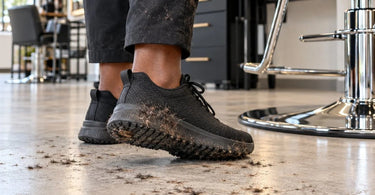
Efficiency and luxury combine in this surprisingly familiar salon mystery: why do tiny hair clippings seem determined to follow stylists absolutely everywhere? You finish a gorgeous haircut, sweep the floor, admire your beautiful station, and head toward the break room for a well-deserved sip of coffee. Somehow, half the haircut comes along on your shoes. For busy professionals working with professional hair salon and barber shop supplies, these persistent little passengers are more than an amusing occupational hazard. They can create extra cleaning work, migrate into supposedly hair-free areas, and make even a meticulously maintained salon look unexpectedly messy. The good news? Understanding why hair sticks to shoes makes it much easier to control the problem without turning every stylist into a full-time floor detective.
Hair clippings have a remarkable talent for traveling. They appear in the shampoo area, under the reception desk, inside shoe treads, and occasionally somewhere completely unreasonable, like the bottom of your handbag. If your salon team has ever wondered whether hair develops a secret transportation network after closing time, you are definitely not alone.
Why Do Hair Clippings Stick to Shoes in the First Place?
The short answer is that several everyday forces work together. Static electricity, friction, moisture, shoe materials, and the shape of freshly cut hair all influence how easily clippings attach to footwear.
Unlike long strands that are relatively easy to spot and collect, freshly cut hair often consists of short, lightweight fragments. These pieces can settle into grooves, cling to textured materials, or become trapped against surfaces that have picked up moisture or styling product residue.
Every step creates another opportunity for clippings to attach, shift, or fall somewhere else. What began as a neat little pile beside the styling chair can eventually turn into a traveling exhibition throughout the entire salon.
Static Electricity: The Invisible Salon Accomplice
Static electricity is one reason lightweight hair fragments may cling to shoes, clothing, and other surfaces. As different materials rub together, electrical charges can develop. Depending on the materials and environmental conditions, those charges may contribute to the attraction of lightweight strands.
Synthetic shoe materials, certain flooring surfaces, and repeated movement can all influence static buildup. Dry indoor air can make static effects especially noticeable.
That does not mean every clipping on your sneaker is there because of static electricity. Much of the attachment is simply mechanical. However, static can make the situation more frustrating, particularly when fine pieces of hair seem reluctant to separate from smooth or synthetic surfaces.
Salon professionals already encounter similar clinginess when working with professional hair brushes and combs. The same basic phenomenon that encourages flyaway hair can contribute to unwanted cling around the workstation.
Why Shoe Soles Become Tiny Hair Collection Systems
Take a closer look at the bottom of a typical work shoe. Most soles have grooves, ridges, textured rubber, or recessed patterns designed to provide traction.
Unfortunately, those helpful features can also trap tiny hair clippings.
Short strands may become wedged between tread elements. A slightly damp sole can pick up additional debris, while sticky residue from products or everyday floor contamination can make clippings more difficult to dislodge.
Here is the truly annoying part: the same grooves that capture the hair can hold onto it while the stylist walks from room to room. Some fragments remain attached for several steps before eventually falling somewhere completely different.
That explains why a freshly cleaned reception area might mysteriously acquire hair even though no cutting services happen there.
The stylist did not bring the entire client into the lobby. Just a few microscopic souvenirs.
Different Hair Textures Create Different Cleanup Challenges
Not all clippings behave alike. Hair length, diameter, stiffness, and curl pattern affect how fragments move and collect.
Very short, coarse pieces can behave like little bristles. They may lodge in shoe tread, socks, or textured fabrics, making them especially noticeable in barber shops and salons performing frequent clipper cuts.
Fine hair can be lightweight and difficult to see against certain floor colors. It may cling to surfaces or accumulate in corners, beneath stations, and around chair bases.
Curly strands may catch around textured materials or become tangled with other hair. Longer clippings, meanwhile, can gather into visible piles but may also wrap around wheels and equipment components.
This is one reason salon cleanup should account for the services being performed. A busy fade station with constant clipper work may need a different cleaning rhythm than a station primarily handling long-hair styling.
Stylists using professional shears, clippers, and trimmers can generate substantial amounts of short hair throughout the day, making prompt collection especially valuable.
Moisture, Styling Products, and the Sticky Shoe Problem
Static gets plenty of attention, but ordinary moisture and residue deserve their own moment in the spotlight.
A shoe sole that has stepped through a slightly damp shampoo area may pick up more clippings when the stylist returns to the cutting floor. Small amounts of styling residue on the floor can also help loose hair adhere to footwear.
Hairspray overspray, styling creams, and other products may leave deposits on nearby surfaces if workstation maintenance is inconsistent. Combined with everyday dust and moisture, those deposits can make floor cleaning more challenging.
This does not mean salons should avoid their favorite professional hair care products. It means careful application, routine surface cleaning, and quick attention to spills are essential parts of maintaining a functional workspace.
One important distinction: a wet floor is not a hair control strategy. Excess moisture can create a slipping hazard, so cleaning routines should leave walking surfaces appropriately dry before normal traffic resumes.
Why Hair Clippings Follow Stylists Into Every Room
Picture a normal salon workday. A stylist completes a haircut, walks to the shampoo station, returns to the styling chair, visits the color mixing area, and eventually heads toward reception.
Each trip creates opportunities for hair to transfer between shoes and floors.
Some clippings fall off immediately. Others remain trapped in the tread until a change in movement, surface texture, or moisture causes them to release.
Shared work areas make this especially noticeable. Multiple stylists may carry small quantities of hair into the same spaces, allowing fragments to accumulate far from the original cutting stations.
Rolling carts, chair bases, and equipment wheels can also transport loose hair. A salon can sweep its stations frequently and still discover stray strands in unexpected places if the entire movement pattern of the workspace is ignored.
In other words, the issue is not necessarily that someone forgot to clean. It may be that hair is being continually redistributed after cleaning.
Does the Type of Shoe Make a Difference?
Absolutely. Footwear design influences both comfort and how readily hair collects.
Some shoes have deep, complex tread patterns that can trap clippings. Others have smoother, less intricate surfaces that are easier to inspect and wipe clean. Upper materials matter, too. Textured fabrics, mesh panels, and decorative seams can collect stray hair more readily than smooth, easily cleaned surfaces.
For salon professionals selecting work shoes, consider several practical features:
- Appropriate slip resistance: Choose footwear suited to the salon's actual flooring and working conditions.
- Cleanable materials: Smooth uppers can make routine hair removal easier.
- Manageable tread: Look for designs that offer necessary traction without unnecessarily complicated grooves.
- Secure coverage: Closed-toe footwear helps reduce direct exposure to falling clippings.
- All-day comfort: Support and fit remain essential for professionals who spend hours standing.
Never sacrifice safe traction simply to reduce hair collection. A sole that releases clippings easily but performs poorly on damp flooring is not a sensible trade.
Professional appearance matters as well. Coordinating practical footwear with comfortable salon and barber apparel can help teams maintain a polished look while supporting everyday service demands.
The Best Way to Keep Hair Clippings Off Salon Shoes
The most effective solution is usually a combination of preventing buildup, collecting hair promptly, and cleaning footwear before clippings spread into other areas.
1. Sweep immediately after cutting services. Do not allow several haircuts' worth of clippings to accumulate around a busy chair. Collecting hair between clients reduces the amount available to attach to shoes.
2. Use a dedicated salon broom and dustpan. Choose tools appropriate for the flooring and the types of clippings your team produces. A broom that gathers fine strands effectively can make workstation turnover faster and more consistent.
3. Consider a suitable commercial vacuum. Depending on salon layout and flooring, a vacuum with attachments may help collect fine debris from corners, chair bases, and difficult-to-reach areas. Maintain filters and collection containers according to the manufacturer's instructions.
4. Establish footwear inspection points. A quick visual check before entering break rooms, treatment spaces, or reception areas can catch clippings trapped in shoe tread.
5. Clean soles with appropriate tools. A dedicated shoe brush or suitable cleaning cloth can remove accumulated hair. Perform this task in a designated cleaning area rather than brushing clippings into a hallway.
6. Keep spills and residue under control. Follow a regular floor maintenance routine using products compatible with the flooring. Clean spills promptly and allow wet surfaces to dry safely.
7. Check rolling equipment. Inspect cart wheels, chair bases, and other mobile salon equipment for collected hair. Remove debris according to the equipment manufacturer's maintenance instructions.
For stocking a practical cleanup station, professionals can explore salon cleaning supplies, brooms, and cleaning brushes.
Should Stylists Use Anti-Static Sprays on Their Shoes?
Anti-static products may reduce certain types of static cling, but they are not a universal solution for shoe contamination.
A product intended for clothing or other materials may not be suitable for footwear, especially the soles. Applying an inappropriate spray can affect surface properties, leave residue, or interfere with traction.
Before considering any anti-static treatment, verify that it is specifically appropriate for the shoe material and intended application. Follow manufacturer directions and avoid applying products that could make walking surfaces slippery.
In most salons, regular debris removal, suitable footwear, and consistent floor maintenance will be more practical starting points than experimenting with sprays.
Hair Splinters: When Tiny Clippings Become More Than Annoying
Occasionally, short, stiff hair fragments can penetrate the skin and produce what is commonly called a hair splinter.
Barbers, stylists, and other professionals who regularly handle cut hair can encounter this uncomfortable issue, particularly around the hands and feet.
A hair splinter may feel like a tiny sharp prick or appear as a small strand embedded in the skin. Although many are minor, persistent irritation, redness, swelling, or signs of infection require appropriate attention.
Closed-toe footwear, clean socks, regular handwashing, and prompt hair cleanup can help reduce exposure. Professionals should avoid walking barefoot in areas where clippings accumulate.
If a strand is deeply embedded, difficult to remove, or associated with worsening pain or inflammation, seek medical care rather than repeatedly digging into the skin.
It is one of those strange occupational realities that sounds completely made up until a stylist experiences it.
How to Create a Salon Cleaning Routine That Actually Works
A beautiful salon does not need a complicated cleaning system. It needs one that fits naturally into the workday.
The best approach separates cleanup into three predictable moments: between clients, during scheduled maintenance checks, and at closing.
Between clients: Collect visible clippings around the cutting station, examine high-traffic areas, and remove hair from the chair base before welcoming the next guest.
During the day: Check shared pathways, shampoo stations, and rolling equipment. Make sure cleaning tools are available and return them to designated storage locations after use.
At closing: Perform a thorough floor cleanup, inspect corners and baseboards, remove accumulated hair from equipment, and clean footwear when necessary.
Keep dedicated tools organized with the rest of your must-have salon and spa business supplies. Easy access makes it more likely that employees will complete quick cleaning tasks instead of postponing them.
For floors and other applicable surfaces, choose compatible products from professional cleaners and disinfectants for salons and spas. Remember that cleaning and disinfecting are distinct tasks. Remove visible debris before using a disinfectant where required, and always follow product label instructions, including applicable contact times.
What About Salon Floor Mats?
Stylist floor mats can improve standing comfort when they are appropriately selected for the workstation. However, they can also accumulate loose hair around edges, seams, and textured surfaces.
That does not mean floor mats should disappear from the salon. It simply means they belong in the regular cleaning and inspection schedule.
Choose mats designed for professional work environments, check their compatibility with the flooring, and inspect them for curling edges or other potential trip hazards.
Whenever possible, clean underneath mats as part of routine maintenance. Hair that escapes beneath an elevated edge can remain hidden until the mat moves.
Professionals furnishing or updating their workstations can browse professional salon equipment and search for salon floor mats suited to their layout.
Why a Clean Floor Matters to the Client Experience
Clients may never notice the precise technique used to sweep a haircut. They absolutely can notice hair scattered across an otherwise beautiful salon.
A freshly prepared station communicates attention to detail. Clean walkways, organized tools, and tidy styling areas help reinforce the professional atmosphere clients expect.
Consider the guest moving from reception to shampoo, then to the styling station and finally back toward checkout. Each transition contributes to the overall impression of the business.
Hair clippings tracking across those spaces can undermine the visual effect of attractive furniture, elegant lighting, and carefully selected decor.
That is particularly relevant for businesses investing in stylish salon and barber furniture. Even the most luxurious workstation looks less impressive when the surrounding floor resembles the aftermath of a haircut convention.
Good housekeeping also supports safer movement through the salon. Keeping walking surfaces clean, dry, and free from hazards should remain a priority for both staff and guests.
Common Mistakes That Make Hair Tracking Worse
Even experienced teams can develop habits that unintentionally spread hair rather than remove it.
Waiting until the end of the day to sweep: Clippings remain underfoot for hours, increasing opportunities for transfer.
Using the same dirty cleaning tools everywhere: A broom or cloth loaded with hair can redistribute debris between work areas.
Ignoring shoe tread: A spotless upper does not mean the sole is free of trapped hair.
Overlooking equipment wheels: Mobile carts and chairs can quietly collect and relocate clippings.
Applying too much cleaning solution: Excess liquid may leave floors unnecessarily wet, increase slipping risks, and complicate debris collection.
Using unsuitable footwear: Shoes with highly textured uppers or difficult-to-clean tread can increase maintenance demands.
Instead of expecting one heroic closing-time cleanup to solve everything, distribute small tasks throughout the day. A few consistent habits often provide better results than a frantic final sweep.
Frequently Asked Questions About Hair Clippings and Shoes
Why does freshly cut hair stick to sneakers?
Short clippings can become trapped in sneaker tread, adhere to damp or slightly sticky surfaces, and sometimes cling because of static electricity. Textured uppers may also collect loose strands.
Does rubber attract hair clippings?
Rubber soles can collect hair mechanically through grooves and textured patterns. Certain rubber and synthetic material combinations may also develop static charges under suitable conditions, but the amount of cling varies.
Why do tiny barber hair clippings feel so sharp?
Freshly cut, short, stiff strands can have ends capable of causing a prickling sensation. Occasionally, an individual fragment may penetrate the skin and cause a hair splinter.
Can hair clippings travel throughout a salon on shoes?
Yes. Clippings can attach to footwear near cutting stations and detach later in hallways, reception areas, break rooms, or other locations. Equipment wheels can also contribute to tracking.
What is the easiest way to reduce hair tracking?
Remove clippings promptly after services, keep floors clean and dry, inspect footwear, and clean equipment wheels regularly. Consistent collection is usually more useful than relying on a single specialized product.
Are smooth shoes better for stylists?
Smooth, cleanable uppers can make hair removal easier, but footwear must also provide appropriate traction, support, and comfort. The best choice balances maintenance convenience with workplace safety.
Keep the Haircuts Gorgeous and the Clippings Where They Belong
Hair clippings stick to shoes because salon floors are busy environments filled with lightweight fragments, textured surfaces, movement, friction, and occasionally moisture or static electricity. Nothing mysterious is required, although the hair's ability to show up in impossible places can certainly feel supernatural.
For salon owners, managers, barbers, and stylists, the practical solution begins with an efficient station setup and a consistent cleaning routine. Sweep between services, pay attention to shoe tread, maintain rolling equipment, and keep shared spaces free from loose hair.
Pure Spa Direct supports beauty professionals with a broad selection of salon, barber, spa, and cleaning supplies to help equip productive workspaces. Explore professional hair salon and barber shop supplies and salon cleaning essentials to find products that fit your business's everyday needs.
Because your clients should leave with a fabulous haircut, your stylists should leave with comfortable feet, and the leftover hair should stay in the dustpan instead of hitchhiking home.
