
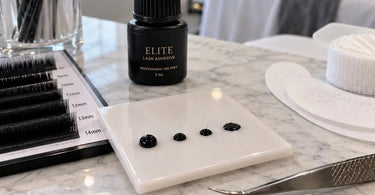
Transform client experiences with top products... and sometimes with something as tiny as a suspiciously moody drop of lash adhesive. If you work with Premium Lash Extensions & Supplies for Pros, you have probably watched a perfectly plump adhesive drop gradually flatten, thicken, shrink, develop a little skin, or otherwise stop looking like the cooperative dome you started with. No, your glue tile is not being dramatic for attention, although some days it certainly feels that way. The changing shape of that drop can offer useful clues about adhesive condition, room conditions, application timing, and how efficiently your lash station is functioning.
Understanding why lash adhesive changes on the tile matters because professional extension adhesive begins interacting with its surroundings as soon as it leaves the bottle. The exact behavior varies by formula, viscosity, room temperature, relative humidity, tile material, and how long the drop has been sitting out. A changing glue dot is therefore not just a cosmetic curiosity. It can become a practical visual cue that helps a lash professional decide when to refresh the adhesive rather than trying to squeeze another few fans out of a drop that has already clocked out mentally.
Why Lash Adhesive Drops Change Shape on the Glue Tile
A fresh drop of professional lash adhesive typically lands on a smooth tile as a rounded or domed bead. That shape is created partly by the liquid's surface tension and viscosity. In plain salon English, the adhesive naturally wants to hold itself together rather than immediately spread into a tiny black pancake.
From the moment the drop is exposed to the room, however, several things begin happening at once. Cyanoacrylate based lash adhesives react with moisture, and the environment around the drop influences how quickly the adhesive begins curing. The outer surface of the drop is particularly exposed. Over time, this can change the consistency around the perimeter and alter how the entire dot looks and behaves.
The result may be a drop that becomes flatter, thicker, stringier, smaller, less glossy, or increasingly difficult to dip into cleanly. Different adhesives show these changes differently, so the goal is not to memorize one universal glue dot appearance. The goal is to learn what a healthy working drop looks like for the particular adhesive used at your station.
The Dome Shape Is More Important Than It Looks
A nicely domed adhesive drop provides more than a satisfying little lash artist moment. The rounded shape minimizes how much adhesive is spread across the tile compared with a thin, flattened pool. Less exposed surface area can help the center of the drop remain workable longer.
This is one reason many professionals pay close attention to their lash glue tile, adhesive holder, or dispensing surface. A smooth surface that allows the drop to remain compact can make dipping easier and help the artist consistently access fresher adhesive from the center of the dot.
Once the drop spreads significantly, more adhesive is exposed to the surrounding air. That does not automatically mean something has gone catastrophically wrong. It does mean the working characteristics may begin changing faster, especially around the edges.
Humidity Can Make Your Glue Dot Behave Differently
Relative humidity deserves a permanent seat at the lash station meeting because cyanoacrylate curing depends heavily on moisture. Every professional adhesive has a recommended working range, and lash artists should follow the manufacturer's directions for the specific formula they use.
In higher humidity, an adhesive can cure more quickly. That can mean the exposed portion of the drop starts changing sooner than expected. In lower humidity, curing may proceed more slowly, which can affect how the adhesive behaves during pickup and attachment.
This is why a bottle that behaved beautifully last month can suddenly seem like it has developed a personality after the weather changes. The adhesive may be exactly the same, while the lash room environment is different.
A digital hygrometer and thermometer can remove some of the mystery. Instead of wondering why Tuesday's glue dot was an angel and Wednesday's is auditioning for a reality show, you can compare actual room conditions against the manufacturer's recommended range.
Temperature Matters Too
Temperature can affect adhesive viscosity and curing behavior, so it should be considered alongside humidity rather than treated as an unrelated number on the wall. A warmer room may make some adhesives feel thinner or behave faster, while cooler conditions can make certain formulas feel thicker or slower.
Even the temperature of the tile itself can influence the initial feel of the adhesive. If a tile has been sitting directly beneath strong air conditioning, beside a warm lamp, or in direct sunlight, the surface temperature may differ from the surrounding room.
Consistency is the lash artist's friend. Keeping the workspace stable makes adhesive performance easier to predict and troubleshooting much less mysterious.
Why the Outer Edge Changes Before the Center
Watch an older glue dot closely and you may notice that the perimeter behaves differently from the middle. The outer edge has greater direct exposure to environmental moisture and air, so it can begin curing while the center remains comparatively fluid.
That matters when dipping an extension or fan. Pulling adhesive from the partially cured outer edge can produce stringiness, uneven pickup, or a larger blob than intended. Many experienced lash artists therefore work from the fresher portion of the drop and replace the dot once its consistency has noticeably changed.
If dipping starts feeling like you are negotiating with melted mozzarella, take the hint. Fresh adhesive is cheaper than wrestling with an uncooperative dot through an entire appointment.
Flattening Can Be a Surface Issue
Not every change in glue drop shape comes from the adhesive itself. The dispensing surface also affects how a liquid spreads. Different tiles, stones, stickers, cups, rings, and holders have different surfaces, and an adhesive may dome beautifully on one while spreading noticeably more on another.
This is why changing your workstation setup can make a familiar adhesive suddenly look unfamiliar. If you switch to a new tile or adhesive holder and notice that the dots immediately spread differently, consider the surface before blaming the bottle.
Browse Lash & Brow Service Supplies when organizing a professional lash station so adhesive accessories, applicators, cleansing products, and other service essentials can be selected as a coordinated workflow rather than random pieces scattered around the treatment room.
Thick or Stringy Adhesive Is a Bigger Clue
A glue dot that has merely relaxed slightly on the tile is different from adhesive that has become obviously thick, tacky, gummy, or stringy. Those changes suggest that the working characteristics of the exposed adhesive have progressed enough that refreshing the drop is usually the smarter professional move.
Continuing to use aging adhesive can interfere with consistent pickup and attachment. You may find yourself compensating by dipping deeper, collecting too much adhesive, slowing down, or repeatedly adjusting placement. At that point the supposedly economical decision to keep using the old drop is costing valuable service time.
Fresh drops are part of maintaining a repeatable lash application process. Follow the specific adhesive manufacturer's recommendations for dispensing and replacement intervals, and replace the dot sooner whenever its texture or performance has clearly changed.
How Shaking the Bottle Affects the Drop
Professional lash adhesives contain ingredients that must remain properly mixed. Following the manufacturer's instructions for shaking the bottle helps promote consistent dispensing from one drop to the next.
If a bottle has not been prepared as directed, consecutive drops may appear slightly different in color, thickness, or behavior. That can make troubleshooting confusing because the artist may blame humidity, the tile, or application technique when the starting adhesive itself was not thoroughly mixed.
A consistent bottle routine helps eliminate variables. Shake according to the manufacturer's directions, dispense cleanly, care for the nozzle, close the bottle promptly, and store the product according to its instructions.
Keep the Nozzle Clean and the Bottle Protected
Good adhesive habits begin before the drop ever reaches the tile. A messy nozzle can interfere with dispensing and make it harder to produce consistent drops. Adhesive residue around the opening may also prevent the cap from closing properly.
Use appropriate lash adhesive nozzle wipes or other manufacturer recommended supplies to maintain the bottle opening. Avoid introducing moisture or contamination into the nozzle, and keep the bottle closed whenever adhesive is not actively being dispensed.
Professional adhesive should also be stored according to the manufacturer's instructions. Heat, humidity, sunlight, air exposure, and repeated environmental swings can all affect product performance over time.
Airflow Around the Lash Station Can Change Things
Another sneaky variable is airflow. A glue tile positioned directly beneath a ceiling vent, next to a fan, or beside another source of moving air may behave differently from one in a calmer area of the room.
Airflow can alter the immediate microenvironment surrounding the adhesive drop. If one side of your station consistently gives you faster drop changes than another, inspect the room before assuming you suddenly forgot how to lash.
The same logic applies to positioning LED Bright Lamps. Excellent lighting is essential for detailed lash work, but organize the station so equipment placement supports a stable, comfortable workspace without unnecessarily heating or disturbing the adhesive area.
Watch the Drop During the Service, Not Just the Clock
Timers and standard operating procedures are useful, but lash adhesive is ultimately being used in a real room with real environmental changes. The visual condition of the glue dot provides information that a timer alone cannot.
Look for changes in dome height, spread, glossiness, edge texture, thickness, and how easily an extension moves through the adhesive. Notice whether fans pick up a neat amount or whether the adhesive begins forming strings. Pay attention to whether placement suddenly feels less predictable.
Those observations can help determine when a fresh drop is needed. Over time, recognizing the adhesive's visual cues can become as automatic as checking isolation or adjusting your hand position.
Build a More Consistent Lash Adhesive Routine
A dependable lash service is easier to achieve when the adhesive workflow is standardized. Start each appointment with the room inside the adhesive manufacturer's recommended temperature and humidity range. Prepare the bottle exactly as directed. Use a clean dispensing surface. Keep the adhesive away from unnecessary heat, direct airflow, and contamination. Refresh the drop whenever its appearance or consistency indicates that performance is changing.
It is also helpful to keep commonly used lash supplies within easy reach so the artist is not constantly turning away from the client or leaving the workstation. Tweezers, adhesive accessories, cleansing products, applicators, tape, under eye products, and disposables should support an efficient service flow.
For businesses offering multiple enhancement treatments, the broader Lash & Brow Enhancement Services for Professionals collection can help organize supplies for lash, brow, tinting, lifting, and related services while keeping professional treatment needs in one place.
Your Glue Dot Is Basically a Tiny Dashboard
A changing lash adhesive drop is not random salon sorcery. Shape, texture, and consistency can shift as the adhesive interacts with moisture, temperature, airflow, time, and the surface beneath it. Learning to notice those changes gives lash professionals another practical way to monitor their working conditions.
The goal is not to stare suspiciously at every glue drop like it owes you money. It is to recognize obvious changes early enough to keep application smooth and predictable. A fresh, properly prepared adhesive drop in a controlled environment supports cleaner pickup, more consistent placement, and a workflow that lets the lash artist focus on the client instead of battling the tile.
Professional lash services involve plenty of tiny details, and this is one of those details that can make a surprisingly noticeable difference. Keep your environment steady, follow the adhesive manufacturer's directions, maintain a clean station, and replace a tired glue dot before it starts making executive decisions on your behalf. Your tweezers will thank you.
