
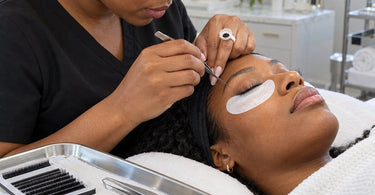
Every professional deserves great results, a smooth workflow, and a treatment station that does not look like a tiny adhesive explosion happened between appointments. For lash artists, lash adhesive rings can be wonderfully convenient because they keep adhesive close to the working hand instead of requiring constant trips back to a glue palette. That little shortcut can make a long set of eyelash extensions feel more manageable, especially during detailed isolation and placement. Unfortunately, the same little ring that saves precious movements can introduce an entirely new collection of cleanup challenges. Sticky fingers, accidental drips, contaminated gloves, and mysterious adhesive spots on the workstation are not exactly the glamorous side of the lash business. The good news is that a few thoughtful habits can help lash professionals enjoy the speed without inviting the mess.
For busy lash studios, the goal is not simply to finish each application faster. It is to create a reliable process that supports consistent adhesive handling, client comfort, professional sanitation, and efficient transitions between appointments. Understanding how adhesive rings change the movement and cleanup patterns of a service is an excellent place to start.
Why Lash Adhesive Rings Became Such a Handy Little Tool
Traditional lash adhesive setups often involve placing a fresh drop on a jade stone, disposable palette, or another suitable adhesive holder. The lash artist repeatedly moves between the extension pickup area, adhesive drop, and client. Those movements may seem insignificant individually, but they add up throughout a full appointment.
A finger-worn adhesive ring changes that arrangement. Instead of reaching toward a stationary surface, the artist keeps the adhesive within a comfortable working distance. The result can be fewer repetitive movements and a more continuous application rhythm.
For professionals performing classic, hybrid, or volume lash services, that convenience can be especially appealing. A well-positioned ring makes it easier to maintain a consistent workflow while handling delicate extensions with lash extension tweezers.
Of course, convenient positioning is only beneficial when the ring fits securely, the adhesive remains contained, and the technician can maintain precise control. A ring that shifts or tilts during application can turn an efficiency tool into an unexpected cleanup project.
The Hidden Cleanup Problems Behind a Faster Lash Service
Most disposable adhesive rings are designed to simplify cleanup because the adhesive holder can be discarded after use. That sounds like the end of the story. Unfortunately, the cleanup problems often happen around the ring rather than inside it.
Several common situations can complicate an otherwise organized lash appointment.
- Adhesive spills: A sudden hand movement or an overfilled well can cause glue to escape onto gloves, nearby tools, or work surfaces.
- Sticky glove fingertips: Accidental contact with uncured adhesive may transfer residue to other materials.
- Ring removal difficulties: A snug ring can be awkward to remove without touching the adhesive well.
- Contaminated surfaces: A ring placed directly on a workstation can transfer adhesive or compromise the cleanliness of the setup.
- Extra disposable waste: Rings, liners, gloves, and other single-use supplies must be managed between clients.
- Interrupted application: Replacing a spilled or compromised ring takes time and may require additional glove changes or tool handling.
The irony is difficult to miss. The accessory intended to eliminate extra trips across the workstation can occasionally create several extra cleanup steps. Fortunately, most of these frustrations can be reduced through better preparation.
Why Using Too Much Adhesive Creates Bigger Problems
One of the easiest mistakes to make is filling the adhesive ring more generously than necessary. After all, nobody wants to interrupt an appointment to dispense another drop. However, adding excessive adhesive to a small wearable well increases the amount of liquid that can spill when the hand changes position.
Professional lash extension adhesives also have specific working characteristics. The adhesive may begin changing as it is exposed to environmental conditions, and its useful working time depends on the formulation and manufacturer recommendations.
A large puddle is not automatically a more efficient puddle. Artists should follow the adhesive manufacturer recommendations for dispensing amounts, environmental conditions, and refreshing drops.
Small, controlled amounts can be easier to manage and reduce the consequences of an accidental spill. The goal is to maintain a workable adhesive drop, not create a miniature swimming pool on a finger.
Ring Placement Matters More Than You Might Think
A comfortable ring position supports both precision and cleanliness. If the ring is too loose, it may rotate while the technician works. If it is too tight, it can become uncomfortable and harder to remove safely.
Before working near the client, the technician should confirm that the ring remains secure during normal hand movements. It is helpful to practice the intended working position without adhesive first, especially when switching ring designs or adjusting to a different technique.
The adhesive well should remain as level as practical during the service. A ring positioned at an awkward angle can make the adhesive more likely to creep toward the edge.
Artists should also consider how their hands move while isolating natural lashes, picking up extensions, and reaching for supplies. A ring that works beautifully for one technician may feel completely unnatural to another.
Comfort, control, and predictable movement matter more than choosing a ring simply because it looks convenient in a demonstration video.
Disposable Does Not Mean You Can Skip Sanitation
Single-use adhesive rings offer an important practical benefit: they eliminate the need to remove cured adhesive from a reusable ring. However, disposable accessories do not replace proper workstation sanitation.
A fresh ring should be used for each client, and contaminated rings should be replaced rather than cleaned and reused. Professionals must also follow applicable state cosmetology or esthetics regulations, workplace procedures, and manufacturer instructions.
Before a lash appointment, the workstation should be prepared with appropriately cleaned and disinfected reusable tools and surfaces. Clean and used supplies should remain separated throughout the service.
After the appointment, the technician should discard the single-use ring according to the applicable workplace waste procedures. Any adhesive residue on reusable surfaces should be addressed using a method compatible with both the surface material and the adhesive manufacturer instructions.
Professional cleaners and disinfectants are essential components of a well-managed treatment space, but they are not interchangeable with specialty adhesive removers. A disinfectant should not be assumed to dissolve lash adhesive, and a glue remover should not be assumed to disinfect a surface.
Those are two different jobs, and both deserve the correct product and procedure.
The Glove Problem Nobody Wants to Discover Mid-Appointment
Gloves can become an unexpected source of adhesive transfer when a technician accidentally brushes against the ring well. Even a small amount of uncured adhesive can create problems if it contacts other supplies.
When gloves are indicated by the service protocol, properly selected protective gloves should be worn and changed when contaminated. The choice of glove material should also follow relevant adhesive safety instructions.
If adhesive contacts a glove, the technician should stop and follow the appropriate contamination and glove-changing procedure before continuing. Trying to work around a sticky fingertip can turn one small mistake into a string of unnecessary interruptions.
It is also important to avoid touching personal items, phones, drawer handles, or clean supplies with contaminated hands or gloves. These habits protect the cleanliness of the overall workstation.
And yes, the phone notification can wait. The adhesive situation cannot.
Build a Lash Station That Contains the Mess
The easiest cleanup problem is the one that never spreads beyond the immediate work area. A thoughtfully arranged lash station makes a significant difference.
Start with a dedicated location for fresh adhesive rings and another clearly designated area for used disposable supplies. Place necessary accessories within comfortable reach so the artist does not need to search through drawers while wearing a loaded ring.
A suitable disposable workstation barrier can help protect the underlying surface where permitted by salon procedures. It should be replaced between clients, and the underlying surface still needs appropriate cleaning and disinfection.
Keep approved cleaning materials nearby without placing liquids or containers where they could spill into the lash application area. Convenient access is helpful, but clutter is not.
Useful supplies may include disposable lash glue rings, lash glue palettes, disposable applicators, suitable workstation barriers, and professional cotton, sponges, and wipes for tasks approved by the relevant product instructions.
Remember that cotton and other absorbent materials may be incompatible with certain cyanoacrylate adhesives and can create heat during curing. Always follow the adhesive safety instructions rather than automatically reaching for a cotton pad to handle a spill.
What to Do When Lash Adhesive Spills
A spill during a service requires calm, controlled handling. The exact response depends on where the adhesive lands, the adhesive formulation, and the applicable safety instructions.
If adhesive reaches a workstation surface, keep the client and other materials away from the affected area. Follow the adhesive manufacturer safety data sheet and the surface manufacturer instructions for safe removal.
Do not automatically use acetone or another strong solvent. Solvents can damage finishes, create additional exposure concerns, and may not be suitable for all lash adhesives or equipment.
If adhesive gets on skin, do not forcibly pull bonded skin apart. Follow the manufacturer first-aid guidance and seek medical advice when needed. Eye exposure requires particular caution and prompt professional medical assessment. Do not attempt to dissolve adhesive in or around the eye with household solvents.
For lash technicians, preventing spills through proper ring fit, restrained adhesive dispensing, and predictable hand movements is far easier than trying to solve an accident after it happens.
Should You Choose a Lash Glue Ring or a Traditional Palette?
There is no universal winner in the battle between finger-worn adhesive rings and stationary glue holders. Both can support efficient applications, depending on the technician and working environment.
Lash adhesive rings may be especially useful when an artist prefers shorter hand movements and wants the adhesive positioned near the application area. Disposable designs also eliminate the need to remove adhesive residue from the ring itself.
Stationary glue palettes may appeal to technicians who prefer keeping liquid adhesive away from their hands. A stable surface can reduce the possibility of spilling adhesive through normal hand movement, although palette positioning and post-service cleaning still require attention.
For a busy studio, the best approach may involve evaluating both options during training or controlled practice. Consider application comfort, adhesive control, setup time, cleanup time, waste, and individual technician preference.
Some technicians may even prefer different setups for different application techniques. That is perfectly reasonable. The objective is not to force every lash artist into one workflow but to establish a process that produces consistent results.
A Simple Cleanup Routine Between Lash Clients
Having a consistent closeout routine keeps small adhesive problems from following the technician into the next appointment.
- Secure the working tools. Place tweezers and other implements in their designated used-tool area without contaminating clean supplies.
- Remove the adhesive ring carefully. Avoid contact with remaining adhesive and follow the appropriate disposal procedure.
- Dispose of single-use materials. Discard used rings, applicators, and protective barriers according to product instructions and local requirements.
- Inspect the workstation. Check for adhesive residue on frequently used surfaces and tool areas.
- Handle adhesive residue safely. Follow manufacturer-approved cleanup instructions before cleaning and disinfecting surfaces as required.
- Reprocess reusable tools. Clean and disinfect instruments according to applicable professional regulations and product instructions.
- Prepare fresh supplies. Restock the station using clean hands and appropriate handling procedures.
This routine is not particularly glamorous, but neither is discovering dried adhesive on a favorite pair of tweezers five minutes before the next client arrives.
A reliable process reduces decision-making during turnover and helps maintain a professional environment.
How Salon Owners Can Evaluate the Real Time Savings
It is tempting to judge an accessory entirely by how quickly it helps an artist work during application. However, the true efficiency of a lash service includes preparation, application, interruptions, and cleanup.
For example, imagine a technician saves a little time during the application by using an adhesive ring but then needs extra time to deal with a spill or change contaminated gloves. That interruption may erase some or all of the original advantage.
Salon owners and lash educators can evaluate accessories by observing a complete appointment workflow rather than focusing on one isolated step.
Consider tracking how often adhesive drops need refreshing, how frequently rings are replaced, whether spills occur, how comfortable technicians feel, and how long station turnover takes.
These observations can help identify whether the current setup genuinely supports productivity or merely moves work from one part of the appointment to another.
One studio may find disposable rings ideal for its team, while another may prefer stationary palettes. Both approaches can be successful when supported by good technique and appropriate sanitation.
Choosing Better Lash Accessories for Your Professional Setup
When evaluating adhesive rings, look beyond color and package quantity. Practical details can influence the entire service.
Fit and stability: A ring should sit securely without uncomfortable pressure or excessive movement.
Well design: Consider the shape, depth, and accessibility of the adhesive compartment. Some designs include divided or shaped wells that may improve adhesive control for particular techniques.
Material compatibility: Verify that the ring material is suitable for the adhesive being used.
Ease of removal: A ring that is difficult to take off increases the opportunity for accidental contact with leftover adhesive.
Single-use convenience: Choose products that fit the studio sanitation procedures and inventory requirements.
Professionals stocking a complete lash treatment area can explore Premium Lash Extensions & Supplies for Pros and Lash & Brow Service Supplies for related professional essentials.
It is also worth reviewing Lash & Brow Enhancement Services for Professionals when organizing supplies for a broader menu of beauty treatments.
The Best Lash Workflow Is Fast, Clean, and Repeatable
Speed is valuable in a busy lash business, but predictable results and proper sanitation are even more important. Lash adhesive rings can reduce unnecessary reaching, keep adhesive conveniently positioned, and make application feel more fluid. Those benefits are real, but they depend on thoughtful use.
The most effective approach combines appropriate adhesive quantities, comfortable ring placement, safe handling, organized supplies, and a consistent cleanup routine. When every technician understands how to use and remove the accessory properly, the entire studio benefits.
A ring should support the lash artist, not create a miniature obstacle course of sticky surprises.
Keep Your Lash Services Moving With Pure Spa Direct
At Pure Spa Direct, we understand that professional beauty businesses need dependable supplies that support both service quality and everyday efficiency. As a distributor of professional spa, salon, and beauty products, we help lash artists and studio owners explore the tools and accessories that fit their unique workflows.
Whether you are updating your adhesive station, organizing treatment supplies, or refreshing your sanitation essentials, small improvements can make a meaningful difference across a busy appointment schedule.
Explore lash adhesive rings, browse our professional lash extension supplies, and discover must-have supplies for salon and spa business success to support a cleaner, smoother workday.
Because the only thing that should be sticking around after a beautiful lash appointment is the client's appreciation for your work - not a mystery drop of adhesive on the workstation.

