
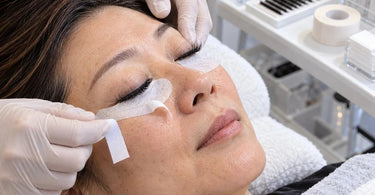
Start your day with smarter tools... and fewer unexpected surprises halfway through a lash appointment! Every lash artist knows the frustration of carefully positioning lash tape, beginning a beautiful set, and discovering that one little corner has decided to make a run for it. Everything looked perfectly secure when your client settled onto the treatment bed, but 90 minutes later, the tape is curling, the lower lashes are escaping, and your carefully organized workspace suddenly feels like a tiny construction site. Why does lash tape lift during long appointments, and how can you keep it where it belongs without compromising client comfort? The answer usually involves a combination of skin preparation, moisture, adhesive performance, placement technique, and the surprisingly active little environment around your client's eyes.
For professional lash artists, reliable tape placement is more than a convenience. It supports effective lower lash isolation, helps maintain visibility, and reduces interruptions during detailed extension work. Whether you specialize in classic sets, volume lashes, hybrid applications, or lengthy refill appointments, understanding why tape loses its grip can make your services more comfortable and your workflow considerably smoother.
Why Does Lash Tape Lift During Long Appointments?
Lash tape generally lifts because the adhesive bond between the tape and its contact surface becomes less effective during the appointment. Skin oils, moisture, facial movement, poor initial contact, and incompatible products can all contribute. The longer an appointment lasts, the more opportunities these factors have to interfere with adhesion.
Importantly, lifting does not automatically mean the tape is defective or that your application technique is wrong. Professional tape is designed to balance adhesion with safe, gentle removal, and different formulations perform differently on different surfaces.
Think of lash tape as the quiet assistant working behind the scenes. It performs beautifully when conditions are right, but even the best assistant occasionally needs a little support.
1. Natural Skin Oils Gradually Weaken Adhesion
One of the most common reasons lash tape lifts is natural oil production around the eyes. Even freshly cleansed skin develops surface oils throughout the day. During a lengthy lash appointment, these oils can accumulate beneath the tape and interfere with the adhesive's grip.
Clients with oilier complexions may experience lifting earlier, particularly around the outer corners or along areas where the tape is attached directly to skin. Products applied before the appointment, including rich moisturizers, eye creams, and makeup, can add another slippery layer.
Professional fix: Begin with appropriate cleansing and preparation of the application area. Use a gentle, eye-area-compatible product according to its instructions, remove makeup residue, and allow the skin to dry completely before positioning tape. Avoid harsh degreasing products or aggressive rubbing on delicate eyelid skin.
For clients who regularly experience tape movement, consider comparing different types of eyelash extension tape to find an appropriate balance of adhesion and gentleness.
2. Moisture and Watery Eyes Interfere With Tape Adhesion
Moisture is another frequent troublemaker. A client may arrive with perfectly dry skin, but minor tearing, perspiration, or moisture around the under-eye area can change conditions during the service.
Watery eyes deserve particular attention because they may indicate irritation rather than a simple tape problem. Tape or pads positioned too close to the eye, incomplete eyelid closure, or sensitivity to products can contribute to discomfort and tearing.
Professional fix: Make sure the eye area is comfortably dry before application and monitor the client's comfort throughout the appointment. If tearing begins, assess the placement of the pads and tape rather than simply adding another layer. If the client experiences burning, persistent watering, redness, or pain, stop the procedure and address the concern appropriately.
Never attempt to solve moisture-related lifting by applying tape directly to the waterline or increasing tension on the eyelid.
3. The Under-Eye Pad Has a Surface That Resists Tape
Sometimes the tape is perfectly capable of adhering to clean skin but refuses to stay attached to the under-eye gel pad.
Gel pads can have smooth, moist, or coated surfaces that behave differently from ordinary skin. Certain tape adhesives may initially seem secure on these materials, only to release as the appointment continues.
This is especially noticeable when the tape overlaps a pad's curved edge or sits on an area that flexes as the client moves.
Professional fix: Evaluate tape and pad compatibility before committing to a full appointment. Follow the manufacturer's application instructions and avoid placing tape over visibly wet or slippery surfaces. If a particular pairing consistently lifts, try a different professional pad or tape combination rather than repeatedly layering additional pieces.
Explore Premium Lash Extensions & Supplies for Pros when comparing products for your application routine.
4. Talking, Smiling, and Facial Movement Loosen the Edges
Lash appointments can be surprisingly social. One minute, your client is peacefully relaxing. The next, she is telling you about her weekend, laughing at a story, and giving those under-eye muscles an unexpected workout.
Facial movement changes the shape and tension of the skin beneath the tape. Small adjustments may not matter individually, but repeated movements can gradually loosen the edges, especially when tape bridges a natural facial crease.
Professional fix: Apply tape with the client's face relaxed and eyes comfortably closed. Position it so the skin is not stretched, pulled, or pinched. Choose appropriately sized pieces that can follow the natural contours of the under-eye area.
There is no need to enforce complete silence, but encouraging clients to relax their facial muscles during detailed isolation work can help maintain a stable setup. Besides, a little quiet time might be exactly the luxury treatment they needed.
5. Tape Is Applied Before the Skin Is Completely Dry
Timing matters. If tape is applied immediately after cleansing, there may still be residual moisture on the skin. Even a small amount can interfere with the initial adhesive bond.
Likewise, products that leave an oily or slippery residue can affect tape placement, even when the surface looks clean.
Professional fix: Allow the prepared area to dry thoroughly before applying tape. Check that products have been removed or absorbed as directed, and avoid unnecessarily touching the adhesive surface with your fingers.
A few extra moments during preparation may prevent multiple interruptions later. In a busy lash studio, that is a pretty attractive exchange.
6. The Tape Is Not Properly Matched to the Client's Skin
Not all professional tapes perform the same way. Some prioritize gentle adhesion for delicate skin, while others provide a different balance of flexibility, breathability, and holding strength.
Clients also vary. A tape that works beautifully on one client may be less suitable for another with oily, dry, sensitive, or textured skin.
Common options include professional paper tape, flexible nonwoven tape, and other tapes specifically intended for appropriate use around the eye area. Each option has its own characteristics, and product labels should guide selection.
Professional fix: Maintain a small selection of suitable professional tapes instead of relying on one product for every situation. Evaluate skin sensitivity, manufacturer guidance, and the intended application surface before choosing.
The goal is not to find the strongest possible adhesive. It is to find tape that stays appropriately positioned while remaining comfortable and removable without unnecessary skin trauma.
Browse Lash & Brow Service Supplies to build a versatile professional setup.
7. Tape Placement Creates Too Much Tension
It can be tempting to pull tape taut because a firmly stretched piece looks secure. Unfortunately, excessive tension can work against you.
When tape is stretched or used to pull delicate skin out of its relaxed position, the skin naturally attempts to return to its normal shape. This movement can create tension at the adhesive edges and encourage lifting.
More importantly, inappropriate tension around the eye can cause discomfort or interfere with safe eyelid closure.
Professional fix: Position tape gently without stretching the skin. Smooth it according to the product instructions, ensuring the edges lie flat without wrinkles or unnecessary pressure.
Keep tape and under-eye pads away from the ocular surface and waterline. Always confirm that the client's eyes remain fully and comfortably closed during extension application.
Secure isolation should never require an uncomfortable tug-of-war with the eyelids.
8. Repositioning the Same Piece Reduces Its Grip
Sometimes the problem begins before the appointment is even underway. The artist places a strip, decides it needs to move slightly, peels it up, repositions it, and repeats the process.
Depending on the adhesive formulation, repeated repositioning can transfer skin oils, fibers, or product residue onto the tape. These contaminants may reduce its ability to establish a reliable bond.
Reusing tape that has already contacted the client's skin can also create unnecessary hygiene concerns.
Professional fix: Prepare tape pieces before beginning, use clean handling techniques, and replace pieces that become contaminated or lose adhesion. Avoid repeatedly lifting and reapplying the same strip unless the manufacturer specifically indicates that it is suitable for repositioning.
Keep fresh lash extension supplies within easy reach so replacing a compromised piece does not interrupt your entire workflow.
9. Longer Appointments Expose Small Weaknesses in the Setup
A 30-minute lash service and a two-hour full set place different demands on your application materials.
During longer appointments, skin oils continue to develop, tiny facial movements accumulate, and environmental conditions can shift. A piece of tape that begins with marginal adhesion may eventually lift, even if it initially appears secure.
This explains why some lash artists notice tape problems primarily during complex volume applications or extended appointments.
Professional fix: Build periodic visual checks into the service. Assess whether tape edges remain secure, the lower lashes are properly isolated, and the client is comfortable. Make adjustments promptly when needed instead of continuing with a compromised setup.
Preventive checks should be quick and intentional, not constant interruptions. Your attention belongs on creating beautiful lashes, not negotiating with an increasingly rebellious piece of tape.
How to Prepare Lash Tape for Better Adhesion
A reliable taping routine starts before the first extension is applied. Consistency makes it easier to identify which variables affect your results and helps newer team members establish good habits.
Step 1: Evaluate the client's eye area. Look for visible makeup, heavy skincare residue, dryness, sensitivity, or existing irritation. Ask about known adhesive sensitivities and follow the product manufacturer's contraindications.
Step 2: Cleanse appropriately. Use suitable professional cleansing products around the eye area, following directions and avoiding direct contact with the eyes. Remove residue and allow the area to dry thoroughly.
Step 3: Choose compatible materials. Select tape and pads intended for the service and appropriate for the client's skin. Consider how the tape will adhere to both skin and pad surfaces.
Step 4: Position the lower lash protection. Apply pads or tape to isolate the lower lashes without contacting the waterline or ocular surface. Confirm that the client's eyelids close naturally.
Step 5: Use only the tape you need. Avoid excessive layering, overlapping bulky strips, or using large pieces where smaller ones would provide adequate isolation.
Step 6: Check comfort before beginning. Ask whether the client feels pulling, pinching, scratching, or irritation. Make corrections before proceeding with adhesive application.
Step 7: Monitor during the appointment. Periodically inspect the isolation setup, especially during longer services or when the client moves frequently.
This routine can help reduce preventable lifting while keeping client safety at the center of your application process.
What Should You Do If Lash Tape Starts Lifting Mid-Appointment?
First, resist the urge to press the loose corner back down without checking what caused it to release. If moisture, residue, or product incompatibility is responsible, pressing harder may provide only temporary improvement.
Instead, pause your application and inspect the situation. Determine whether the tape is lifting from the skin, separating from the under-eye pad, or moving because of facial tension.
If lower lashes are no longer properly isolated, stop extension placement until safe isolation is restored. Carefully remove or replace the affected piece using the manufacturer's instructions, taking care not to catch natural lashes or extensions.
Use fresh tape where necessary, reassess the underlying surface, and confirm comfortable eye closure before resuming.
Do not compensate for repeated lifting by applying stronger, inappropriate adhesives, adding excessive tape layers, or positioning materials closer to the eye.
If the client experiences persistent discomfort, unusual tearing, redness, or other concerning symptoms, discontinue the service as appropriate. Significant eye pain or vision changes warrant prompt medical evaluation.
How Much Tape Should You Use During a Lash Extension Service?
Using more tape does not automatically create a more secure application. In fact, excessive layering can introduce additional edges that may curl or shift.
Multiple overlapping pieces can also create bulk, interfere with visibility, and complicate removal at the end of the appointment.
Professional artists should use the minimum amount of tape needed to achieve the intended isolation and positioning, while following product directions and maintaining client comfort.
Smaller, carefully positioned pieces may work better than oversized strips in certain situations, but the correct technique depends on the client's anatomy and the specific tape system.
The principle is simple: thoughtful placement beats tape enthusiasm. Save the extra tape for the next client instead of building a miniature under-eye fortress.
Does Room Temperature or Humidity Affect Lash Tape?
Environmental conditions can influence the way certain adhesive products behave. Temperature, humidity, and storage conditions may affect tape performance, although the degree of sensitivity varies by formulation.
Warm conditions may also contribute indirectly by increasing perspiration or surface moisture on the client's skin.
To support consistent results, store tape according to manufacturer directions, keep supplies protected from unnecessary moisture, and maintain a comfortable treatment environment.
Remember that lash extension adhesive and lash tape are different products with different performance requirements. Environmental recommendations for extension glue should not automatically be treated as tape specifications.
Can You Prevent Lash Tape From Lifting During Every Appointment?
No technique can guarantee that tape will never move. Clients have different skin types, eye shapes, sensitivities, and natural movement patterns, and professional adhesive products vary in their properties.
However, you can reduce common problems by establishing a consistent preparation routine, selecting appropriate products, maintaining clean application surfaces, and monitoring tape placement throughout the service.
It is also helpful to note recurring patterns in client records. Does lifting happen only on oily skin? Does it occur primarily over a particular gel pad? Is one tape consistently reliable for shorter appointments but less effective during full sets?
These observations can guide smarter product choices without requiring a complete overhaul of your technique.
Professional Lash Supplies That Support a Smoother Appointment
Reliable tape is only one part of an efficient lash station. The surrounding supplies also affect preparation, organization, and the ease of making adjustments.
For example, professional lash cleansers can support proper preparation when used according to their directions. Suitable lash eye pads help isolate lower lashes, while clean Professional Cotton, Sponges, and Wipes for Salons & Spas provide useful options for appropriate service preparation and cleanup.
Good visibility matters, too. Properly positioned Magnifying Lights and LED Bright Lamps can help artists inspect the application area without unnecessary leaning or repositioning.
Comfortable Salon & Spa Bedding can also contribute to a relaxed experience during extended services.
At Pure Spa Direct, we help spa, salon, and beauty professionals shop for supplies that support their daily services. As a professional distributor, we offer access to products across multiple categories so lash artists can compare options that fit their techniques, clientele, and treatment environments.
Frequently Asked Questions About Lash Tape Lifting
Why does lash tape lift more often on oily skin?
Natural oils can interfere with the contact between pressure-sensitive adhesive and skin. Appropriate cleansing, a dry application surface, and selecting suitable tape may help improve performance.
Why does tape stay on one client but not another?
Differences in skin oils, facial contours, movement, skincare products, and sensitivity can affect adhesion. The same tape may not perform identically on every client.
Can under-eye gel pads cause tape to lift?
Yes. Certain gel pad surfaces may not provide the same adhesive grip as clean, dry skin. Compatibility between tape and pad materials is important.
Should I use stronger tape if the corners keep lifting?
Not automatically. Stronger adhesion can increase the risk of discomfort or skin trauma during removal. First examine preparation, moisture, placement, and product compatibility. Choose only suitable professional materials according to their instructions.
Is it safe to apply another strip over lifting tape?
Adding another strip without investigating the original problem may create more bulk and additional loose edges. Reassess the area and replace compromised tape when appropriate.
Can watery eyes make lash tape come loose?
Yes. Tears can reduce adhesion and contribute to movement. However, watering may also indicate irritation, so determine the cause and prioritize client comfort rather than simply adding more tape.
How often should lash tape be checked during an appointment?
There is no universal interval. Check positioning whenever isolation or comfort may have changed, and incorporate periodic visual assessments during extended services.
What is the safest way to remove lash tape?
Follow the tape manufacturer's removal directions. Release the adhesive slowly and gently while supporting delicate skin and avoiding pulling on natural lashes or extensions. Never forcefully peel tape from the eye area.
Small Tape Improvements Can Make a Big Difference in Your Lash Studio
Lash tape lifting during a long appointment may seem like a minor inconvenience, but repeated interruptions can affect the rhythm of an otherwise smooth service. The good news is that many common causes are manageable through thoughtful preparation, appropriate product selection, and careful attention to the client's comfort.
Rather than searching for one magical strip that will solve every situation, focus on developing a repeatable process that accounts for skin condition, moisture, placement, and appointment length.
Explore professional Lash & Brow Enhancement Services for Professionals supplies and the broader selection of Lash & Brow Service Supplies available through Pure Spa Direct to help refine your treatment setup.
Because your client's lashes should be the stars of the appointment. The tape is supposed to be backstage, quietly doing its job, not making a dramatic exit halfway through the performance.
