
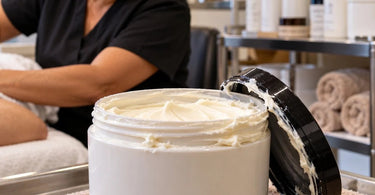
Maximize profits with this smart investment... in a cleaner, more organized massage cream setup that keeps every precious scoop where it belongs! If you have ever reached for your favorite massage cream and discovered a mysterious ring of sticky product around the lid, you are definitely not alone. One minute, your jar looks perfectly presentable; the next, its lid seems to be wearing a thick cream necklace nobody ordered. For busy massage therapists and spa professionals, this little annoyance can turn into wasted product, stubborn lids, messy workstations, and unnecessary cleanup between clients. Fortunately, understanding why massage cream builds up around jar lids makes preventing the mess surprisingly simple.
Professional massage creams are designed to provide controlled glide, consistent texture, and comfortable application during bodywork. Their rich consistency is wonderful for treatments, but it also means cream can cling to container edges, collect inside lid threads, and gradually accumulate with repeated use. Add a packed appointment schedule and a therapist who has approximately six seconds to reset the room, and that innocent little jar can become a miniature monument to product buildup.
Let's explore what causes the problem, why it matters in a professional treatment room, and which practical adjustments can help keep massage cream jars cleaner without slowing down your services.
Why Does Massage Cream Build Up Around Jar Lids?
The short answer is that massage cream gradually migrates toward the jar opening during dispensing, handling, and closing. Small amounts left along the rim are then pressed into the lid or threads when the container is closed. Repeat the process throughout a busy workday, and those tiny deposits begin accumulating.
Unlike thinner massage oils, many massage creams have a thicker, more structured consistency. Their formulations are designed to stay workable during massage rather than immediately run across the skin. That same consistency can cause cream to cling to the sides of a container, stretch slightly as it is scooped, or remain attached to the edge after an applicator is removed.
The accumulation usually happens gradually. A little cream gets left behind after one session. Another small amount reaches the rim during the next appointment. Eventually, the lid becomes difficult to turn, the threads feel greasy, and the outside of the container starts looking considerably less luxurious than the treatment taking place around it.
1. Scooping Cream Too Close to the Jar Opening
One of the biggest contributors to buildup is the way massage cream is removed from its container.
When therapists scoop product from a wide-mouth jar, the applicator may accidentally scrape against the upper inside edge. Even a small amount of cream transferred to the rim can become trapped when the lid is replaced.
This happens especially often when the jar is nearly full. There is less space between the cream surface and the opening, so removing a generous portion without touching the rim becomes more difficult.
What helps: Use a clean, appropriate applicator or spatula to remove a controlled amount from the center of the product rather than dragging cream across the jar edge.
Transfer the portion into a clean treatment-specific dispensing container or dish before beginning the service. This helps protect the bulk product and makes it easier to maintain a clean working area.
Think of it as giving your massage cream an organized exit strategy instead of allowing it to wander all over the jar.
2. Closing the Lid When Cream Is Already on the Rim
A massage cream jar can appear perfectly clean from the outside while hiding a thin layer of product along its upper edge.
When the lid is screwed onto the container, that residue may be pushed outward or pressed into the grooves of the threads. As the lid turns, the cream spreads around the circumference and settles into small spaces that are difficult to reach during routine cleanup.
Over time, this creates the familiar ring of buildup that appears whenever the lid is removed.
What helps: Inspect the jar rim before closing it. If product is visible, remove it with a clean, appropriate disposable wipe while keeping the wipe and any removed residue away from the remaining cream.
Keeping the rim clean before replacing the lid is far easier than dealing with several days of accumulated product.
3. Massage Cream Transfers From Hands and Gloves
Massage therapists naturally work with product on their hands throughout a treatment. That is part of the job. Unfortunately, cream-covered fingers also have a remarkable ability to decorate everything they touch.
Opening or closing a container with product on your hands can transfer massage cream directly onto the lid, its outer edges, or the surrounding jar surface.
The resulting mess is not necessarily caused by the jar itself. Sometimes the container is simply an innocent bystander in a very moisturizing situation.
More importantly, touching shared product containers during a service can introduce hygiene concerns. Product residue on the exterior also makes it harder to maintain clean handling surfaces between appointments.
What helps: Portion massage cream before client contact whenever practical. Keep the main product container in a designated clean area and follow appropriate hand hygiene practices when handling supplies.
Use a fresh applicator for each dispensing task, and never return leftover cream from a treatment to the original container.
4. Overfilled Jars Leave Little Room for Clean Handling
A jar filled nearly to the lid may look wonderfully generous, but it can also make everyday dispensing messier.
When product sits close to the opening, inserting an applicator or replacing the lid may disturb the cream surface. The product can be pushed toward the edge, where it becomes easier to trap between the container and closure.
This is particularly noticeable with thick creams that hold their shape rather than flowing immediately back toward the center.
What helps: Avoid overfilling reusable containers, and follow the product manufacturer's filling, storage, and dispensing instructions. Leave appropriate clearance for the closure and dispensing method.
If transferring product into smaller containers is permitted, use clean, compatible packaging and approved filling procedures. Maintain necessary product identification, lot information, and expiration or use-by details.
Do not top off partially used containers unless the manufacturer specifically permits it. Mixing fresh product with older material can undermine proper stock rotation and hygiene.
5. Product Residue Thickens as Moisture Evaporates
Some massage cream formulations contain water along with oils, emulsifiers, and other ingredients that create their characteristic texture.
When a thin film of cream remains exposed around a jar opening, moisture may gradually evaporate. The residue can become thicker, tackier, or more difficult to remove than the product inside the properly closed container.
This helps explain why a jar lid that turned easily earlier in the week may suddenly feel stubborn.
Depending on the formula, the buildup may remain greasy, become pasty, or develop a firmer texture around the threads.
What helps: Remove visible residue promptly rather than waiting for it to accumulate. Keep containers properly closed when not in use, and store products according to their labels.
Do not add water, oil, or other ingredients to a massage cream in an attempt to restore dried residue or change its consistency unless the manufacturer explicitly instructs you to do so.
6. Product Containers Get Moved Around During Busy Services
Professional treatment rooms are active environments. Therapists reach for supplies, adjust equipment, organize linens, and prepare treatment products throughout the day.
When a jar is carried, tilted, or placed into a crowded storage area, cream near the opening may shift toward the lid. This is especially possible if the container was already overfilled or the rim was not completely clean.
Portable massage professionals may notice the issue when transporting products between locations. A jar that looks tidy before traveling may arrive with residue inside the lid after being tipped or jostled.
What helps: Store jars upright on stable surfaces. Keep lids securely closed according to their design, and use suitable secondary containment when transporting products.
Explore practical bottles and jars that suit your treatment room layout and dispensing requirements.
For mobile therapists, a dedicated supply organizer can help reduce unnecessary container movement and make setup more efficient.
7. The Lid Threads Are Difficult to Clean Once Product Collects
Threaded jar closures contain narrow grooves that help hold the lid securely in place. Unfortunately, those same grooves can collect cream.
Once product is pushed into the threads, simply wiping the flat top of the container may not remove everything.
Residue can remain hidden along the closure, gradually building up with each opening and closing cycle.
This can create several practical problems:
- Sticky lids: Product makes the closure unpleasant to handle.
- Increased resistance: Thick residue can make the lid harder to turn.
- Messy storage: Cream transfers to shelves, trays, and nearby containers.
- Product waste: Usable cream becomes trapped where it cannot be hygienically dispensed.
- Cleaning challenges: Narrow grooves require more careful attention during container maintenance.
What helps: Clean exterior surfaces and removable container components according to manufacturer instructions and your facility's sanitation procedures. If a reusable closure cannot be adequately cleaned or has damaged threads, replace it.
Never scrape questionable residue from a lid back into the main product container. That is one money-saving trick nobody needs.
Why Jar Lid Buildup Matters Beyond Appearance
It is tempting to dismiss cream around a lid as a purely cosmetic issue. After all, clients usually care more about the massage than the state of a container sitting on a supply shelf.
But small product-handling details can affect the efficiency and professionalism of your treatment room.
Product management: Residue that accumulates outside a container represents product that is no longer available for hygienic use. Across multiple treatment rooms, repeated small losses can add up.
Service efficiency: A stubborn jar lid creates an unnecessary interruption when a therapist is preparing supplies or resetting the room.
Sanitation: Residue can complicate cleaning and create additional surfaces that require attention. A visibly clean container is not automatically sanitized, but keeping surfaces free of buildup is an important part of effective maintenance.
Professional presentation: Organized supplies and clean containers support the polished environment clients expect from a quality spa or massage practice.
None of these issues requires a dramatic overhaul. Consistent product-handling habits often make the biggest difference.
Should Massage Therapists Switch From Jars to Pumps?
For some treatment rooms, changing the dispensing method may be the most convenient way to reduce recurring jar-lid buildup.
Pump dispensers allow therapists to portion compatible creams without repeatedly opening a wide-mouth container. This can minimize direct contact with the bulk product and reduce the opportunities for cream to collect along jar rims.
However, not every massage cream works with every pump. Thicker formulas may require dispensing equipment specifically designed for their viscosity.
Before switching, verify that the pump, container, and product are compatible and that the manufacturer permits the dispensing setup.
For example, Pure Spa Direct offers the Pump For 8 oz. Cream Jar by Amber Products, a dispensing accessory intended for compatible professional cream containers. Always verify fit and product compatibility before purchasing.
Therapists can also browse Massage Oils, Lotions, and Creams for Therapists to explore different massage product formats.
The goal is not to declare every jar unsuitable. It is to choose a dispensing method that matches your products, your sanitation procedures, and the pace of your services.
A Simple Massage Cream Jar Maintenance Routine
The easiest way to reduce buildup is to make container care part of your existing workflow instead of treating it as a separate project.
Before the first appointment: Check the container for visible residue, damaged closures, and proper labeling. Confirm that the product is within its usable period and has been stored appropriately.
During setup: Dispense the amount needed for the service into a clean, suitable portioning container. Keep the main jar away from client-contact areas.
After dispensing: Inspect the rim and remove any visible cream using a clean, appropriate disposable wipe. Replace the lid without forcing it.
Between clients: Discard unused portions that have been exposed during treatment. Clean and disinfect reusable dispensing tools and appropriate surfaces according to product instructions and applicable professional requirements.
At closing: Check frequently used containers for residue, confirm lids are properly secured, and return supplies to their designated storage locations.
This routine should fit naturally into normal treatment room preparation and cleanup. A few moments of attention can prevent a much larger cleaning job later.
Choosing the Right Massage Cream Setup for Your Spa
Every professional massage environment operates a little differently. A private massage therapist performing several appointments daily may have different dispensing needs than a resort spa with multiple treatment rooms and a rotating staff.
When evaluating your setup, consider how many people use the product, how frequently the container is opened, how much cream is required per treatment, and whether your preferred formula is compatible with a pump or another dispensing system.
It is also worth reviewing the surrounding workstation. A stable product tray, appropriate portioning supplies, convenient waste disposal, and easily accessible cleaning materials can simplify the entire process.
Pure Spa Direct carries a broad selection of Professional Massage & Wellness Products, along with Spa Essentials for Professionals that can help massage businesses organize their daily operations.
Popular professional massage brands available through Pure Spa Direct include Bon Vital, Biotone, and Soothing Touch. Compare individual products based on their intended application, ingredients, texture, packaging, and manufacturer directions rather than assuming every cream behaves the same way.
Common Mistakes That Make Massage Cream Buildup Worse
Some seemingly convenient habits can actually create more maintenance work.
Leaving the lid loose: A partially closed container may allow unnecessary exposure to air and environmental contaminants. Close containers as directed by the manufacturer.
Using the lid as a product tray: Placing scooped cream inside an overturned lid introduces residue directly into the closure area and may compromise hygienic handling.
Wiping excess cream back into the jar: Product collected from the rim or exterior should not be returned to the bulk supply.
Repeatedly dipping during treatment: Returning used fingers or applicators to a shared container creates contamination risks. Portion product hygienically before use.
Using an incompatible replacement container: Not all packaging materials or closure systems are appropriate for every cream. Follow manufacturer guidance and maintain required labeling and traceability.
Ignoring damaged lids: Cracked, warped, or poorly fitting closures may not protect the product as intended. Replace damaged components when appropriate.
The best solution is usually not more aggressive cleaning. It is preventing unnecessary product contact with the lid in the first place.
Frequently Asked Questions About Massage Cream Jar Buildup
Why does my massage cream jar lid become difficult to open?
Cream trapped in the threads can thicken or become sticky, increasing resistance when the lid turns. A damaged or improperly aligned closure can also contribute. Inspect and maintain the container according to manufacturer instructions.
Is massage cream around the lid a sign that the product has gone bad?
Not necessarily. Residue often results from normal dispensing and handling. However, unexpected changes in odor, appearance, texture, color, or separation may indicate a product quality concern. Follow the manufacturer's guidance and do not use a product when its condition is questionable.
Can I put leftover massage cream from the lid back into the jar?
No. Residue from the lid, threads, or exterior may have contacted hands, equipment, or environmental surfaces. Discard it rather than returning it to the original product.
Are pump bottles always better than massage cream jars?
Not always. A suitable pump can reduce repeated exposure of the main product, but dispensing equipment must be compatible with the cream. Proper cleaning, storage, handling, and manufacturer instructions still matter.
How frequently should I clean the outside of massage cream containers?
Remove visible residue promptly and include container inspection in routine room preparation and closing procedures. Follow the manufacturer's cleaning instructions and your facility's applicable sanitation requirements.
Can massage cream buildup happen even when I use a spatula?
Absolutely. A spatula can transfer cream to the rim if it brushes against the opening. Using a clean applicator correctly and portioning product carefully are both important.
Keep the Cream on the Client, Not the Container
Massage cream buildup around jar lids is a common professional frustration, but it does not have to become a permanent fixture of your treatment room.
The problem usually begins with small amounts of cream reaching the rim during dispensing, handling, or closing. Over time, those deposits collect in the lid threads, creating mess, product waste, and extra cleaning work.
By improving portioning habits, maintaining clean container edges, selecting compatible dispensing equipment, and following sound sanitation practices, massage professionals can make everyday product handling simpler and more consistent.
Looking to refresh your massage room supplies? Explore professional massage creams, lotions, and oils, browse Bottles & Jars, or shop Applicators & Spatulas at Pure Spa Direct for practical options that support an organized treatment space.
Because the only thing your massage cream should be clinging to is your reputation for wonderful treatments, not the jar lid.
