
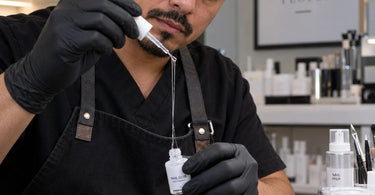
Proven results await you... especially when you figure out why your favorite bottle of nail glue suddenly starts behaving like melted mozzarella instead of a professional adhesive. One minute, the glue flows smoothly and delivers a clean, controlled application. The next, it stretches into mysterious little strings, clings to the applicator, and refuses to cooperate even though the bottle is nowhere near empty. For busy nail technicians, that is more than an annoying product problem. It means wasted supplies, slower appointments, potentially inconsistent adhesion, and another unexpected addition to the salon shopping list. Fortunately, understanding why nail glue gets thick or stringy can help you prevent premature deterioration, improve application consistency, and get more dependable performance from your professional nail supplies.
If you have ever stared at a half-full bottle wondering whether the glue has developed a personality disorder, you are not alone. The explanation involves adhesive chemistry, moisture exposure, temperature, storage habits, and a few sneaky workstation mistakes that can shorten the useful life of nail glue long before the bottle is empty.
Why Does Nail Glue Get Stringy or Thick?
Most traditional nail glues used for attaching nail tips and certain nail decorations contain cyanoacrylate, a fast-setting adhesive that creates a strong bond when exposed to small amounts of moisture. This moisture-triggered reaction is exactly what makes the adhesive useful during nail services.
However, the same chemistry that allows nail glue to bond quickly can also cause it to deteriorate inside its own container.
Cyanoacrylate molecules react with moisture and join together into longer polymer chains through a process called polymerization. Ideally, this reaction happens after the adhesive is applied to the intended surface. When moisture reaches the glue while it is still in the bottle, the reaction can begin prematurely.
As the adhesive starts to polymerize, its consistency may change. Instead of flowing as a smooth liquid, it can become thicker, form strings when the applicator is lifted, or develop small partially cured particles.
Eventually, the remaining adhesive may become difficult or impossible to dispense.
The important distinction: Nail glue usually does not thicken because an ordinary solvent is simply evaporating, as can happen with traditional nail polish. Cyanoacrylate glue primarily deteriorates because chemical curing reactions have begun before the adhesive reaches the nail.
That means adding nail polish thinner is not the solution. In fact, introducing an incompatible liquid can make matters worse.
1. Humidity Is One of Nail Glue's Biggest Enemies
Moisture is essential for cyanoacrylate adhesives to cure, but too much moisture exposure before application can shorten the product's useful life.
Every time you open a nail glue bottle, humid air can enter the container or reach the adhesive inside the nozzle. Even when the bottle is quickly recapped, repeated exposure may gradually affect the glue.
Consider the typical nail salon environment. There may be handwashing stations, pedicure services, damp towels, cleaning activities, and seasonal humidity changes throughout the day.
In humid climates, particularly during warmer months, moisture exposure can become an especially important storage consideration.
A technician working through multiple nail appointments might open the same bottle dozens of times. Each opening creates another opportunity for environmental moisture to contact the adhesive.
Professional prevention tips:
- Keep nail glue tightly capped whenever it is not actively being dispensed.
- Store bottles away from sinks, damp towels, and areas exposed to steam.
- Choose a cool, dry storage location rather than leaving glue beside a humid workstation.
- Avoid handling the nozzle or applicator with wet hands.
- Use a clean, dry application surface and follow the adhesive manufacturer's preparation instructions.
If the glue is already forming strings throughout the bottle, improved storage may help protect your next bottle, but it will not reverse adhesive that has already begun curing.
2. Leaving the Cap Off Too Long Can Start the Problem
During a busy manicure appointment, it is easy to leave nail glue open while positioning tips, adjusting nail shapes, or answering a client's question.
Unfortunately, an uncapped bottle is continuously exposed to the surrounding environment.
Even relatively brief exposures can contribute to residue formation around the nozzle. Repeatedly leaving the bottle uncapped for extended periods increases the opportunity for humid air and contaminants to reach the adhesive.
Over time, the glue may become stringy around the opening and eventually develop viscosity changes deeper in the container.
This is why a simple cap-on habit can make a meaningful difference.
Prepare the nail tip, position the necessary tools, open the glue, dispense the required amount, and recap the bottle promptly.
Think of the cap as part of your application routine, not something you remember after finishing three other tasks and discussing everyone's weekend plans.
3. Heat Can Accelerate Nail Glue Deterioration
Temperature plays an important role in adhesive stability.
Excessive heat can accelerate chemical reactions that lead to premature thickening and curing. A bottle exposed to high temperatures may deteriorate faster than one stored under the manufacturer's recommended conditions.
Potential trouble spots in a nail salon include:
- Workstations exposed to direct afternoon sunlight.
- Storage drawers next to heating equipment.
- Countertops close to hot appliances.
- Areas near nail curing lamps where the glue container receives unnecessary heat or light exposure.
- Supply rooms with large temperature fluctuations.
- Vehicles used to transport salon inventory during hot weather.
A bottle does not need to feel hot enough to be uncomfortable before storage conditions become less than ideal.
For opened nail glue, a stable, cool, dry environment is generally preferable, subject to the manufacturer's specific instructions.
Avoid placing glue in a refrigerator after opening unless the product manufacturer explicitly recommends that practice. Moving an opened bottle between cold storage and a warmer environment can create condensation-related concerns.
Some manufacturers recommend refrigerated storage for unopened cyanoacrylate products, but those instructions should never be assumed to apply to every nail adhesive formulation.
4. A Dirty Nozzle Can Contaminate the Remaining Glue
The applicator tip is one of the most overlooked causes of nail glue problems.
During a professional manicure, the nozzle or brush may accidentally contact nail dust, filing residue, skin oils, moisture, or product already applied to the nail.
These materials can introduce contaminants that interfere with adhesive performance or promote localized curing.
Imagine a technician applying glue directly from the bottle and allowing the nozzle to touch a freshly prepared nail surface. That tiny contact may transfer residue back to the opening.
Repeat the process throughout multiple appointments and the nozzle can become a collection point for cured adhesive and debris.
The result may include stubborn clogs, stringy glue around the applicator, or contamination of the remaining contents.
Better application habits include:
- Keep dispensing tips from touching skin, nail dust, or other products whenever possible.
- Remove exterior adhesive residue according to the manufacturer's instructions.
- Use only manufacturer-approved methods for clearing clogged openings.
- Avoid inserting random metal tools or contaminated implements into the bottle.
- Never introduce water, acetone, or another liquid into the adhesive container.
It also helps to keep nail files and buffers and other dust-producing tools organized so adhesive bottles are not sitting in the middle of a filing debris zone.
Your glue bottle should not have to survive a miniature snowstorm of acrylic dust every afternoon.
5. The Glue May Simply Be Approaching the End of Its Usable Life
Even when stored properly, nail glue does not remain usable indefinitely.
Cyanoacrylate adhesives have finite shelf lives, and their stability depends on the formulation, packaging, manufacturing date, storage environment, and whether the container has been opened.
Some unopened cyanoacrylate products have manufacturer-stated shelf lives around one year, but this should not be treated as a universal expiration period.
Once opened, a bottle generally becomes more vulnerable to moisture exposure and premature curing.
Signs of aging may include:
- Noticeably thicker consistency compared with a fresh bottle of the same formula.
- Thin strands forming when the applicator is lifted.
- Uneven flow or difficulty dispensing a controlled amount.
- Small cured particles or unexpected texture changes.
- Repeated nozzle blockage despite appropriate cleaning.
- Inconsistent application behavior compared with the product's normal performance.
A bottle may still contain a significant amount of adhesive when these changes become noticeable.
Unfortunately, the amount remaining in the container is not a reliable measure of freshness.
A half-full bottle of degraded glue is not automatically more useful than a nearly empty bottle that has been stored and handled correctly.
6. Why Some Nail Glues Become Stringy Faster Than Others
Not every nail glue is formulated to have the same viscosity, application behavior, or storage requirements.
Professional nail adhesives may be designed for different uses, including nail tip attachment, nail repairs, and compatible nail decorations.
Some formulas are intentionally thinner to allow controlled spreading across a contact area. Others have a naturally thicker consistency for specific application requirements.
Packaging also makes a difference.
A precision nozzle may minimize unnecessary contact with surrounding surfaces. A brush-on applicator may provide convenient coverage but requires careful handling to avoid transferring contaminants into the bottle.
Different formulations can respond differently to temperature changes, environmental moisture, and repeated opening.
Therefore, a thicker product is not automatically defective.
The warning sign is an unexpected change from that product's normal consistency.
If a new bottle of a particular formula is designed to dispense as a smooth medium-viscosity liquid, but the same bottle begins producing elastic strands several weeks later, deterioration is a reasonable concern.
Professionals comparing professional nail glue options should consider applicator design, intended use, manufacturer storage guidance, and anticipated salon consumption rather than choosing solely by bottle size.
7. Can You Fix Nail Glue That Has Already Turned Thick?
This is the question every technician asks while holding a bottle that still looks painfully full.
Unfortunately, once cyanoacrylate glue has substantially polymerized inside the container, there is generally no safe, reliable way to restore its original professional application performance.
Unlike traditional nail lacquer, cyanoacrylate adhesive should not be treated with standard nail polish thinner.
Adding acetone, water, alcohol, or other liquids is not an appropriate way to restore degraded nail glue. Such additions may interfere with the adhesive or introduce further contamination.
Warming a bottle with hot water or a heating device is also not a recommended solution. Heat may accelerate unwanted reactions and creates unnecessary handling risks.
If a problem is limited to cured residue on the outside of the nozzle, manufacturer-approved cleaning or replacement of an applicator component may solve the dispensing issue.
However, if the adhesive inside the bottle has become stringy, unusually thick, grainy, or otherwise inconsistent, replacing it is the more dependable professional decision.
For a paying client, predictable adhesion and proper product handling are worth more than squeezing another questionable drop out of a deteriorated container.
8. How to Store Nail Glue Properly in a Professional Salon
A dependable nail glue storage routine does not require elaborate equipment. It requires consistency.
Keep bottles upright. Upright storage helps reduce adhesive accumulation around the cap and nozzle. It may also make dispensing cleaner during repeated daily use.
Protect bottles from moisture. Choose a dry storage location away from sinks, steam, and damp supplies.
Avoid excess heat and direct sunlight. Store adhesives according to the temperature guidance provided by their manufacturer.
Close containers immediately. Do not leave several glue bottles uncapped during the same service.
Maintain clean applicators. Follow product-specific instructions for removing residue and keeping closure surfaces free of adhesive buildup.
Keep adhesives in their original packaging. Transferring glue into an unapproved bottle may expose it to moisture or materials that are not compatible with the formulation.
Track opening dates. Marking the date a bottle was first opened can help technicians evaluate how quickly adhesives are being consumed and whether particular storage habits correlate with premature deterioration.
Use a consistent supply rotation system. Organize inventory by manufacturer expiration or recommended-use dates rather than assuming the newest-looking bottle must be the freshest.
Professionals can improve workstation organization with nail tables and manicure stations that provide designated spaces for adhesives and frequently used tools.
Even an excellent storage cabinet cannot correct poor cap habits, but a thoughtfully organized station makes good habits easier to maintain.
9. Should Nail Salons Buy Smaller Bottles of Nail Glue?
For some salons, smaller adhesive containers can be a smarter purchasing decision than larger bottles.
The most economical option is not always the bottle with the lowest cost per ounce.
Consider two situations.
Salon A: A high-volume nail studio uses adhesive throughout the day for multiple nail tip applications. Its technicians may finish a bottle while the adhesive is still in excellent condition.
Salon B: A boutique spa performs nail enhancement services only occasionally. A large bottle may remain open for an extended period, increasing the opportunity for deterioration before all the product is used.
For Salon B, purchasing smaller containers may reduce waste despite a potentially higher unit price.
For Salon A, a larger format might be practical if the manufacturer offers it and the salon can use the adhesive within the recommended period.
The goal is to match package size to actual service volume.
A useful purchasing formula is simple: compare the amount of adhesive typically consumed during its recommended usable period with the quantity in each bottle.
Do not buy more opened-container capacity than your team can reasonably use while maintaining manufacturer-recommended storage and application conditions.
10. Why Thick Nail Glue Can Create Application Problems
Unpredictable adhesive consistency can interfere with precise nail services.
During nail tip attachment, technicians generally need controlled adhesive placement and good contact between compatible surfaces.
Excessively thick or stringy glue may be difficult to spread evenly. It can also make it harder to dispense the intended amount.
Using too much adhesive can create messy application, while using an inadequate or uneven amount may compromise contact between surfaces.
Degraded glue may also behave differently from the product's intended curing characteristics.
However, a thick consistency alone does not prove that a bond will fail, because adhesives are manufactured in different viscosities. The concern is an unexpected change that falls outside normal product behavior.
Professional technicians should avoid trying to compensate for deteriorated glue by applying larger quantities.
Instead, use an adhesive that is in good condition, prepare the nail properly, and follow the product's instructions.
Reliable adhesion depends on several factors working together, not simply how much glue is squeezed onto the nail.
11. Proper Nail Preparation Helps Prevent Adhesive Problems
Although the main causes of glue thickening involve storage and chemistry, the surrounding nail service routine matters too.
Dust, oils, moisture, and residue can interfere with adhesive application and create opportunities for contamination.
Before applying nail tips, follow the manufacturer's directions for nail preparation, including appropriate cleansing and surface preparation.
Keep prep products separate from open adhesive containers.
Use clean, suitable nail brushes and tools and avoid allowing adhesive applicators to touch products that could be transferred back into the bottle.
Where compatible with the service system, appropriate nail tips and correct sizing can also help technicians achieve better surface contact without relying on excessive glue.
For nail enhancements involving different systems, remember that traditional cyanoacrylate nail glue is not interchangeable with every gel, acrylic, or UV-curable adhesive product.
Each system has its own chemistry, application method, and curing requirements.
Professionals working across multiple services can explore professional nail care collections and acrylic nail supplies while choosing adhesives specifically approved for their intended applications.
12. Nail Glue Safety Mistakes Professionals Should Avoid
Cyanoacrylate adhesives are useful products, but they must be handled carefully.
They can bond skin rapidly and may cause irritation. Their vapors can also be irritating, making appropriate ventilation important during professional use.
One particularly important precaution involves cotton and certain fabrics.
Cyanoacrylate adhesives can react rapidly with cotton, wool, or similar materials, generating significant heat and potentially causing burns.
Do not use cotton balls, cotton swabs, or cotton cloths to handle liquid cyanoacrylate spills unless the adhesive manufacturer's instructions specifically establish a safe procedure.
For routine exterior nozzle cleaning, use the material and method recommended for that particular adhesive.
Additional safety practices include:
- Keep glue away from eyes, mouth, and unintended skin contact.
- Use appropriate ventilation and follow the product safety information.
- Do not forcefully squeeze a blocked bottle toward the face or body.
- Do not combine nail glue with unapproved chemicals.
- Follow manufacturer guidance for safe cleanup and disposal.
- Never use nail glue as a substitute for medical skin adhesives or to seal wounds.
- Keep containers securely closed and away from unauthorized access.
For accidental skin bonding, do not pull bonded skin apart forcefully. Follow appropriate product first-aid instructions, and obtain prompt medical attention for eye exposure, burns, or other significant injuries.
A smooth manicure is wonderful. An unexpected adhesive incident is definitely not the kind of salon story anyone wants to share over brunch.
13. Build a Simple Nail Glue Inventory System That Reduces Waste
Professional salons can reduce adhesive waste by treating nail glue as a product with a limited usable life rather than an ordinary supply that can remain in a drawer indefinitely.
Start by identifying the adhesive formulas and bottle sizes used most frequently.
Next, record the purchase date, manufacturer expiration or recommended-use date, and opening date for each bottle.
Use a first-expiring, first-out rotation system so products approaching their recommended expiration dates are used before newer inventory, provided they remain suitable for use.
Keep reserve bottles unopened until needed.
For salons with several technicians, assign clear responsibility for checking adhesive condition and keeping storage areas organized.
A short weekly inspection can identify bottles with loose caps, damaged packaging, accumulated nozzle residue, or visible consistency changes.
If several bottles from the same shipment become thick unusually quickly despite proper storage, document the lot information and contact the supplier or manufacturer for guidance.
That is especially helpful when the problem appears in unopened products or occurs much sooner than expected.
Professional purchasing also becomes easier when adhesives are managed alongside frequently used manicure essentials, nail tips, and other consumable supplies.
A small amount of inventory planning can protect both the salon's supply budget and the technician's appointment schedule.
14. What to Do When Nail Glue Starts Forming Strings During an Appointment
If an adhesive suddenly begins forming strings while you are working with a client, avoid treating the problem as something to solve by squeezing harder.
First, stop using the questionable adhesive.
Check whether the stringing is limited to cured residue around the outside of the nozzle or whether the adhesive being dispensed has changed consistency.
If the problem is only an exterior clog, follow the manufacturer's cleaning directions and evaluate the product before resuming use.
If the glue inside the container is unusually thick, stringy, contaminated, or inconsistent, replace it with a suitable fresh bottle.
Do not transfer the questionable glue into another container or mix it with a newer bottle.
Use the replacement adhesive according to its instructions, including proper nail preparation, the intended quantity, and appropriate application technique.
If adhesive was already applied and the bond appears compromised, assess the enhancement and follow the applicable product system's corrective or removal procedure rather than simply covering the problem with more glue.
Maintaining a small supply of unopened replacement bottles can help prevent a minor adhesive issue from disrupting an otherwise smooth appointment.
Frequently Asked Questions About Thick and Stringy Nail Glue
Why is my nail glue stringy even though the bottle is half full?
The adhesive may have begun polymerizing because of moisture exposure, heat, contamination, or aging. The quantity remaining in the bottle does not determine whether the glue is still usable.
Can I add nail polish thinner to thick nail glue?
No. Traditional cyanoacrylate nail glue is chemically different from conventional nail polish. Nail polish thinner is not an appropriate method for restoring deteriorated cyanoacrylate adhesive.
Does keeping nail glue in the refrigerator make it last longer?
Some manufacturers recommend controlled refrigerated storage for unopened cyanoacrylate adhesives. Opened containers generally require different handling because condensation can become a concern. Always follow the instructions for your specific product.
How long does nail glue last after opening?
There is no universal opened-bottle lifespan. Usable life depends on the formulation, storage conditions, packaging, and frequency of exposure. Follow the manufacturer's guidance and replace glue that shows unacceptable changes in condition.
Why does my nail glue bottle keep clogging?
Cured residue around the nozzle, contact with moisture, or contamination can cause repeated clogs. Keeping the applicator clean and closing the bottle promptly can help minimize the problem.
Is thick nail glue always bad?
No. Some adhesives are intentionally formulated with higher viscosity. An unexpected change from the product's original consistency is more concerning than thickness alone.
Can I still use nail glue if it has little strings but seems to stick?
For professional services, noticeably degraded glue should be replaced. Initial stickiness does not establish that the adhesive will perform consistently or provide the intended bond quality.
Can humidity affect nail glue even when the cap is closed?
Yes. Humidity can contribute to deterioration if moisture entered during previous openings, if adhesive residue interferes with the seal, or if the container is damaged. Proper closure and storage help reduce exposure.
Should I buy nail glue in bulk for my salon?
Bulk purchasing can make sense when inventory turnover is high and unopened stock can be stored within the manufacturer's recommended conditions and used before its expiration date. Smaller purchases may be more economical for occasional-use salons.
Keep Your Nail Glue Working as Hard as You Do
Stringy or thick nail glue is usually a warning that the adhesive has experienced premature curing, contamination, unfavorable storage conditions, or age-related deterioration. The frustrating part is that these changes can happen while plenty of product remains in the bottle.
The encouraging part is that many contributing factors are manageable.
Keeping bottles tightly capped, protecting them from moisture and heat, maintaining clean applicators, following manufacturer storage directions, and buying quantities that match salon demand can all help reduce unnecessary waste.
For professional nail technicians, dependable adhesives are just one piece of a successful service. Quality preparation tools, compatible enhancement products, organized workstations, and consistent application methods all contribute to better efficiency and a more polished client experience.
At Pure Spa Direct, salon and spa professionals can shop a broad selection of wholesale beauty supplies from established manufacturers, including nail glue, nail tips, nail art supplies, and other professional manicure essentials. As a distributor serving beauty professionals, Pure Spa Direct helps salons source the products needed for everyday services without suggesting that it manufactures the adhesives themselves.
Because your nail glue should help create beautiful enhancements, not turn into a tiny bottle of stubborn spaghetti halfway through the workday.
