
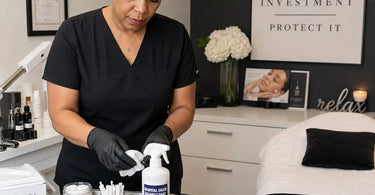
Deliver quality that clients can see... and sometimes touch, and, if we're being honest, occasionally sneeze on. Photo props—those cute, quirky little additions that make your spa, salon, or barbershop photos pop—can be a silent menace if sanitation takes a backseat. We're talking about the faux-mustache that's been on a hundred faces, the sparkly headband that's absorbed more hairspray than a 1980s rock concert, or the chalkboard sign that's been licked (yes, we've seen it). While they're fantastic for marketing, turning them into a petri dish is not a good look. Your reputation is built on trust, and nothing screams 'unprofessional' faster than a client noticing a smudge of last week's foundation on a prop you just handed them.
Let's be real: our industry is built on trust and, you know, not spreading germs. We meticulously clean our pedicure chairs, our massage tables are draped in fresh linens, and we wouldn't dream of double-dipping a waxing spatula. But somehow, those adorable props for our social media and lobby displays often get a free pass. They are touched by countless hands, breathed on, coughed near, and posed with. If the thought of the number of fingerprints on your favorite 'Treat Yourself' sign gives you a mild case of the heebie-jeebies, you're on the right track. In the world of beauty and wellness, what you don't sanitize can definitely hurt your business.
So, let's dive into the wonderfully gross and highly important world of photo prop hygiene. We'll cover why it's critical, the common culprits lurking on your surfaces, how to clean them effectively without ruining them, and how Pure Spa Direct can be your partner in keeping everything pristine. Because in a post-pandemic world, clients are savvier than ever about what they touch, and a visible commitment to cleanliness is just as important as the perfect brow arch or a relaxing hot stone massage.
The 'Ick' Factor: Why Sanitizing Props is Non-Negotiable
Imagine this: a client walks into your serene spa, ready for a day of pampering. They see a beautiful setup with props for a 'welcome' photo. They pick up a cute wooden sign, snap a pic, and then head for their treatment, oblivious that they just touched the same surface that the previous client coughed on. That's the ick factor. It's not just about being a clean freak; it's about client safety, brand reputation, and common sense. A clean studio shows you respect your clients and take pride in your craft. A dirty prop can break the spell of relaxation faster than a cell phone ringing during a massage. You wouldn't use a non-sterile applicator on a client's face, so why would you hand them a prop that's been sitting around gathering dust and bacteria?
More importantly, you're running a professional business. That sign with the 'Sip & Relax' or 'Beauty Queen' might look adorable on your salon's story, but it's not worth a nasty breakout or, worse, spreading something that could cause an infection . Those porous wooden waxing spatulas are tossed after a single use , so it's ironic that a wooden prop can get a pass. It doesn't.
What's Hiding on Your Photo Props?
You might be looking at your props and thinking, 'But they look clean!' A 'visually clean' prop is not the same as a 'sanitized' prop. Here's what your photo props could be hosting without regular, proper cleaning:
- Bacteria and Germs: The most common culprits. Think Staph, E. coli, and other unsavory characters. Every time someone touches the prop, they leave their own little microbiome behind .
- Makeup, Oils, and Skincare Residue: Your clients are coming in for treatments, which means they've likely got skincare, lotions, or makeup on. This residue gets transferred to the props. Your massage oils and sugar scrubs may work wonders, but they are a breeding ground for bacteria on porous surfaces.
- Dust and Dead Skin Cells: This is inevitable, especially in a busy salon or spa. Dust creates a film over the props, making them look dull and unappealing.
- Hair Spray and Other Products: If you're a salon, hair spray, dry shampoo, and other styling products are airborne and settle on everything—including your props. Hair styling tools and products are fantastic, but they mean a sticky residue on your props.
How to Sanitize Your Photo Props (Without Ruining Them!)
Okay, so we've established that your props are likely harboring a tiny (but mighty) city of germs. Let's fix that. The cleaning method depends entirely on the material. Here's your practical guide:
For Wooden Signs and Porous Surfaces
The Reality: Wood is porous, which means it can absorb oils and moisture, making it trickier to clean than you'd think . You shouldn't soak them, as that can cause warping, splitting, or the paint to peel. No one wants a warped 'Relax' sign! For a deep clean, use a slightly damp cloth with a gentle, non-toxic disinfectant. Professional cleaners and disinfectants are formulated for salon environments and are safe to use on most surfaces. Wipe the surface thoroughly, and then immediately dry it with a soft cloth. This ensures the moisture doesn't seep into the grain. After cleaning, let it air dry completely to be safe. Better yet, consider sealing bare wood with a clear, non-toxic sealant to create a barrier that's easier to wipe down between uses.
For Fabric or Soft Props (Felt, Velvet, etc.)
The Reality: Fabric is a magnet for germs. For these, your best bet is to check if they're machine washable. Most aren't, so you'll need to be more resourceful. A fabric-safe sanitizing spray is your BFF here. After lightly spraying, let it air dry completely. For felt and velvet, a gentle vacuum with a brush attachment is great to pull up dust before spraying. And please, don't try to iron or steam fabric props—you could melt or shrink them, and then your 'Instagram-worthy' prop is just a shapeless blob.
For Plastic, Acrylic, and Laminated Props
The Reality: These are the most forgiving. You can wash them in a mild soap and water solution or use a general all-purpose disinfectant wipe. Protective gloves are a good idea to protect your hands from any harsh chemicals. Just make sure to avoid harsh chemicals like bleach, which can fade the print and make the prop look worse. For stubborn smudges, a little rubbing alcohol on a cotton ball works wonders .
The Ultimate Solution: Disposables and Single-Use Props
Here's a thought: Why clean when you can replace? For a truly hygienic approach, consider using professional cotton or hygienic table paper as a backdrop. But for the props themselves, there are disposable options. Think of paper mustaches on a stick, cardboard photo frames, or even tissues for a 'snow' effect. They might not be as durable as the classic wooden signs, but they create a huge impact and you toss them after each client, guaranteeing 100% sterility. This is particularly smart for events or high-traffic promotions. You can get creative and use disposable cups or paper tablecloths for a photo-worthy setup that's ready to be binned after the shoot.
Where to Get Your Sanitizing Supplies
Sanitizing your props doesn't mean buying a gallon of bleach. It's about using the right tools for the job. At Pure Spa Direct, we are your one-stop shop for all the cleaning and disinfecting supplies you need to keep every inch of your space sparkling. From high-grade UV sterilizers for smaller, non-porous items to spray bottles and applicators, we've got you covered. We stock brands you trust for hospital-grade disinfectants that are tough on germs but gentle on your gorgeous props.
Creating a Prop Cleaning Schedule
Consistency is key. It's easy to clean a prop after a client has visibly abused it, but what about the day-to-day dust and grime? Implement a cleaning schedule and stick to it. Here's a sample routine:
- Between Every Use: A quick spray and wipe for hard, non-porous props.
- Daily (End of Day): A thorough cleaning of all props. This is the time to deep clean the wooden signs, give the fabric props a light misting, and spot-check for any damage.
- Weekly: A more intensive inspection. Check for chips, peeling paint, and stubborn stains. This is a good time to consider if any props need replacing.
Mark it on your calendar. Treat prop cleaning with the same importance as changing your hygienic table paper or sterilizing your manicure tools. Your clients will thank you—and they won't have to wonder if that cute #SpaDay sign is hygienic.
What About the Props Themselves?
While you're at Pure Spa Direct loading up on professional cleaners and disinfectants, why not consider upgrading or adding to your prop collection? A fresh, new prop adds a pop of excitement to your social media and makes clients feel like they're stepping into a fresh, modern space. You can also use items you already have on hand for retail as props! A beautifully displayed bottle of Spa Masters lotion or a jar of sugar scrub can be a fantastic prop that pulls double duty—it's a marketing prop and a retail item. It also helps clients envision themselves using the products at home.
Let's face it, your clients are more educated and health-conscious than ever. They notice the small details. They see your clean floors, the freshly laundered towels, and the professional appearance of your staff. Extending that meticulous eye for cleanliness to your photo props sends a powerful message: you care about their safety from the moment they walk in the door. It makes them feel more relaxed, secure, and trusting. In the beauty industry, trust is the currency that brings clients back again and again. Not having to explain a suspicious stain on your 'Born to Sparkle' sign is also a nice bonus.
So, the next time you find yourself contemplating skipping the wipe-down because 'it's just a quick photo,' remember the 'ick' factor and your client's well-being. Invest in the right cleaning products, develop a consistent routine, and tell the world your spa is not just beautiful, but it's a fortress of cleanliness. And hey, if you need a new prop or the cleaning supplies to keep your old ones in tip-top shape, you know exactly where to find them. The only thing you should be spreading on your props is a little joy and good lighting—not last week's bacteria.
%20Guide%20to%20Keeping%20Your%20Spa%20Pics%20Instagram-Worthy%20and%20Infection-Free)