
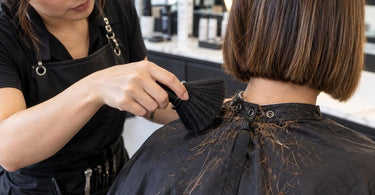
Simplify brilliance with this pro pick... because sometimes the smallest details in a salon create the biggest headaches. If you have ever removed a salon cape after a haircut and discovered a tiny collection of hair clippings gathered around the neckline, you are definitely not alone. Those little hairs have an almost supernatural ability to find every snap, seam, fold, and hook-and-loop closure in sight. One minute your cape looks perfectly clean, and the next it is carrying enough clippings to suggest someone gave a miniature hedgehog a haircut. Fortunately, understanding why salon capes collect hair around closures can help professional stylists, barbers, and salon owners improve client comfort, simplify cleanup, and choose better equipment for everyday services.
Salon capes are essential tools for protecting clothing from cut hair, water, color, and styling products. However, the area surrounding the neck closure is particularly vulnerable to collecting loose hair. The problem involves several factors, including closure design, fabric texture, cape positioning, static electricity, and the natural direction in which hair falls during cutting.
Why Salon Cape Closures Become Hair Magnets
The neckline is one of the busiest areas of any professional haircut. Stylists regularly trim around the ears, shape the nape, blend shorter sections, and refine the hairline. As those freshly cut strands fall, many land directly on the cape collar.
Unlike the broad, smooth surface of a cape, closures contain small edges, raised components, overlapping fabric, and sometimes textured fastening materials. These details create convenient places for hair to settle and become trapped.
Several common factors explain the accumulation:
- Overlapping fabric: Adjustable neck closures often require one section of the cape to overlap another, creating a small pocket where hair can collect.
- Hook-and-loop fasteners: The tiny hooks and loops designed to hold a cape closed can also grab loose strands.
- Snap buttons: Raised snaps and the surrounding fabric may interrupt the smooth path that falling clippings would otherwise follow.
- Neckline folds: Extra material around the collar can create little valleys where clippings settle.
- Static electricity: Friction between hair, clothing, and synthetic cape materials can encourage lightweight strands to cling to surfaces.
Individually, these details may seem insignificant. Combine them with dozens of haircuts per day, however, and the closure area can become one of the most maintenance-intensive parts of a salon cape.
Why Hook-and-Loop Closures Collect So Much Hair
Hook-and-loop closures are popular because they allow quick adjustments for different neck sizes. That flexibility makes them convenient for busy salons serving clients of all ages and body types.
Unfortunately, the same fastening mechanism that makes these closures adjustable can also make them excellent hair collectors.
The hook side contains numerous tiny projections that catch the loop side. Short hair clippings can become wedged between those projections, particularly when hair lands on an exposed section of the fastener.
Fine hair may be especially difficult to remove because individual strands can wrap around the hooks or become embedded within the fastening surface.
Over time, trapped hair and lint may interfere with how completely the closure engages. A fastener that once held securely can begin separating more easily if buildup is not removed.
That does not mean hook-and-loop capes are automatically a poor choice. They can work very well in professional environments when properly fitted, inspected, and maintained. The important thing is understanding that their fastening surfaces require extra attention during cleaning.
Do Snap Closures Prevent Hair Buildup?
Snap closures offer a different approach to securing hair cutting capes. Rather than using textured hooks and loops, these closures rely on small buttons that snap together.
Because the fastening components have relatively smooth surfaces, they generally provide fewer opportunities for individual hairs to become tangled within the actual fastener.
However, snap closures do not eliminate hair accumulation entirely.
Hair may still become trapped beneath overlapping fabric, around the button attachments, or within folds created when the cape is adjusted to fit the client.
Snap systems also provide specific adjustment positions rather than continuous adjustment. If the available snap positions do not produce a comfortable fit, the resulting gap or fabric bunching may allow additional clippings to reach the neckline.
For salons considering snap-closure designs, the goal is to find a cape with enough adjustment options to provide comfortable coverage across a wide range of clients.
Professional options such as the Cricket Black All Purpose Cape feature snap neck closures and lightweight, water-resistant construction. These design elements can make the cape practical for haircutting, coloring, and other common salon services.
The Surprisingly Important Role of Cape Fabric
Closure design receives plenty of attention, but the fabric surrounding the closure matters just as much.
Some cape materials have smooth, tightly woven surfaces that allow loose hair to slide away with relatively little resistance. Others have textures or finishes that encourage individual strands to remain on the fabric.
Professional capes made with suitable water-resistant materials can be useful for protecting client clothing while providing a surface that is easier to clear of loose clippings.
However, water resistance and hair release are not exactly the same property. A material that resists moisture may still attract hair through static electricity or surface texture.
When comparing professional salon capes, consider how the fabric performs during actual cutting services rather than judging it solely by appearance.
Useful characteristics include a smooth exterior, flexible drape, durable stitching, comfortable neckline, and cleaning instructions compatible with your salon workflow.
A cape that looks fabulous hanging on a hook but collects every stray clipping within a ten-foot radius may not be the operational superstar your salon needs.
How Static Electricity Makes Hair Stick Around
Static electricity can contribute to loose hair clinging to salon capes, especially in dry indoor environments.
Friction between hair, capes, clothing, and other materials can generate electrical charges. Lightweight clippings may then be attracted to the cape surface rather than falling away naturally.
This effect can become more noticeable during dry weather or when working with certain synthetic fabrics.
Static does not explain every hair-covered neckline, but it can make an existing closure problem more frustrating.
Appropriate laundering, avoiding excessive drying when permitted by the manufacturer, and choosing cape materials that release hair effectively may help reduce buildup.
Always follow the cape manufacturer's care instructions. Do not apply random antistatic sprays, fabric treatments, or chemical products to client-contact materials without confirming that they are suitable for that use.
Why the Fit Around the Neck Matters So Much
A properly fitted cape does more than protect clothing. It also helps control where freshly cut hair can travel.
When a neckline is excessively loose, small clippings may slip between the cape and the client's clothing. When it is too tight, the client may experience discomfort, and the cape can bunch into folds that collect hair.
The ideal fit is secure but comfortable, allowing the client to move naturally without excessive pressure around the neck.
Professional stylists should check that the cape sits smoothly across the shoulders and that the closure does not create unnecessary gaps or bulky folds.
For haircutting services, a fresh disposable neck strip can provide an additional barrier between the cape and the client's skin. Properly positioned strips can help catch loose clippings and improve comfort, although they cannot compensate for a poorly fitted cape.
Explore barber neck strips and other professional grooming accessories when reviewing your salon setup.
How to Reduce Hair Buildup During Haircuts
Fortunately, reducing hair accumulation does not require a dramatic equipment overhaul or a completely new haircutting technique.
Small improvements to everyday procedures can make a noticeable difference.
- Start with a clean cape. Inspect the neckline and closure before placing the cape on a client. Remove any residual clippings and use a properly cleaned cape for each service.
- Position the neckline carefully. Keep the fabric smooth and make sure the closure fits without excessive bunching.
- Use neck strips appropriately. A fresh strip can provide a comfortable barrier and help reduce hair reaching the skin and clothing.
- Keep exposed fasteners covered. Where the design allows, position hook-and-loop materials so unnecessary fastening surfaces are not exposed to falling clippings.
- Remove loose hair during the service. When practical, gently clear accumulated clippings from the cape exterior before they settle into folds.
- Clean the closure after removal. Pay special attention to fasteners, seams, and overlapping neckline material.
- Inspect worn closures. Replace capes whose fasteners no longer secure properly or cannot be cleaned effectively.
These habits can help reduce the amount of hair that remains trapped around the collar and make the overall service more comfortable.
How to Clean Hair From Different Cape Closures
Cleaning methods should reflect the type of closure and the manufacturer's recommended care instructions.
For hook-and-loop closures: Remove loose hair carefully from the fastening surfaces. A suitable small cleaning brush may help release clippings trapped between hooks. Avoid aggressive scraping that could damage the fastener.
For snap closures: Inspect around the snap attachments and the fabric folds underneath them. Remove visible clippings before laundering, and check that each snap still fastens securely.
For tie closures: Examine the ties and stitching for trapped strands. Hair may become wrapped around knots or collect near the attachment points.
For silicone or flexible neck components: Wipe or clean the surfaces according to the manufacturer's instructions, paying attention to seams and transitions between materials.
Removing visible hair is only one part of proper cape maintenance. Professional establishments should also follow applicable state and local sanitation requirements, manufacturer cleaning directions, and appropriate procedures for handling reusable client-contact materials.
Never assume that simply shaking out a cape makes it ready for the next client.
Choosing Between Hook-and-Loop, Snap, and Alternative Closures
Each fastening design has advantages, and the best choice depends on how your salon operates.
Hook-and-loop closures offer flexible sizing and quick adjustment. They can be particularly convenient when serving clients with different neck measurements, but they require regular inspection for trapped hair and lint.
Snap closures provide defined fastening points and relatively smooth hardware. They can be easier to clear of hair around the fastener itself, although the available adjustment positions must accommodate the client comfortably.
Tie closures allow manual adjustment without textured hook-and-loop surfaces. However, tying and untying can add handling time, and loose ends require attention.
Alternative neck designs may incorporate flexible or protective materials intended to improve coverage around the collar.
For example, the Keep Dry Cape with Silicone Neck Protector by Product Club combines a traditional chemical cape with a flexible silicone neck protector and snap closure. This type of configuration may appeal to professionals seeking a different approach to neckline coverage.
There is no universally perfect closure. The best choice is the one that balances fit, comfort, cleaning requirements, durability, and service efficiency for your particular business.
Why Hair Buildup Is More Than a Cosmetic Problem
A little hair trapped around a closure may seem like a minor inconvenience, but it can affect several parts of the client experience.
Client comfort: Short, freshly cut hairs can feel prickly against the neck, especially when they become trapped between clothing and the cape.
Professional presentation: Visible clippings on reusable equipment can make an otherwise beautiful workstation appear poorly maintained.
Fastener performance: Buildup in hook-and-loop closures can reduce their ability to engage properly.
Equipment longevity: Regular inspection helps identify fasteners and stitching that need maintenance or replacement.
Turnover efficiency: Capes that are easy to clean and fit correctly can simplify the process of preparing equipment between appointments.
The smallest details often shape a client's impression of a professional salon. Nobody wants to finish a gorgeous haircut and spend the drive home discovering mystery clippings inside their collar.
Should Salons Keep Different Capes for Different Services?
For many businesses, maintaining different capes for cutting, shampooing, and chemical services is worth considering.
Haircutting capes should prioritize comfortable neckline coverage, effective hair release, and easy removal of clippings.
Shampoo and chemical capes need materials appropriate for moisture and product exposure, with coverage designed to protect client clothing.
For instance, the Cricket Shimmering All Purpose Cape features a textured, water-resistant surface and an adjustable hook-and-loop neckline, making it an option for salons that need coverage during wet and general grooming services.
Another option, the Cricket Noir Haircutting Cape, uses a poncho-style design with a neck fastening and short sleeves. Different cape constructions can help salon owners select garments suited to their service routines.
Browse Professional Hair Salon & Barber Shop Supplies or explore Salon & Barber Apparel when comparing equipment for your team.
What Salon Owners Should Look for When Buying Capes in Bulk
Purchasing professional capes for multiple stations involves more than selecting a flattering color.
Consider the practical demands of your business before placing a larger order.
- Closure durability: Will the fastening system tolerate repeated opening, closing, and cleaning?
- Adjustability: Can the neckline accommodate your clientele comfortably?
- Fabric performance: Does the material release loose hair effectively and provide the protection needed for your services?
- Cleaning requirements: Are the manufacturer's care instructions compatible with your operating procedures?
- Coverage: Does the cape adequately protect the shoulders, chest, arms, and lap?
- Replacement planning: Can you maintain enough clean capes to support appointments without rushing preparation?
Testing a smaller quantity before standardizing one style across every station can be a sensible purchasing strategy.
Ask several stylists to evaluate the same cape during normal services. One team member may prioritize fast adjustment, while another may care most about easy cleaning or how smoothly the cape drapes.
Gathering that feedback helps prevent a bulk purchase that looks economical initially but creates additional maintenance challenges.
Make Cape Maintenance Part of Your Salon Routine
A simple cape maintenance routine can help protect both client comfort and your equipment investment.
Before each appointment, verify that a properly cleaned cape is available and that its closure works correctly.
After the appointment, remove the cape carefully to avoid scattering clippings onto the client's clothing. Follow your required cleaning procedures, including any applicable laundering or disinfection steps, and allow the cape to dry as directed before reuse.
Periodically inspect fasteners for accumulated lint, embedded hair, damaged stitching, corrosion, or reduced holding strength.
If a closure remains unreliable after appropriate cleaning, replacing the cape may be more practical than repeatedly struggling with it during appointments.
Maintain a sufficient supply of professional capes so your team does not feel pressured to skip necessary cleaning between services. You can also explore Professional Cleaners & Disinfectants for Salons and Spas for suitable cleaning supplies, while always checking product and material compatibility.
Frequently Asked Questions About Salon Cape Closures
Why does hair collect around the neck of a salon cape?
Hair clippings naturally fall toward the collar during cutting. Overlapping fabric, raised fasteners, textured hook-and-loop surfaces, static electricity, and small neckline gaps can trap those clippings instead of allowing them to slide away.
Are snap closures better than hook-and-loop closures?
Snap closures generally have fewer textured fastening surfaces where individual strands can become embedded. However, hook-and-loop closures offer more flexible adjustment. The best option depends on neckline fit, client comfort, cleaning needs, and stylist preference.
Can neck strips prevent hair from getting under a cape?
Properly positioned disposable neck strips can help create a barrier between the cape and the client's skin, reducing the chance that loose clippings reach the neck and clothing. They work best alongside a well-fitted cape.
How do you remove hair stuck in hook-and-loop fasteners?
Carefully remove visible strands with a suitable small brush or other manufacturer-approved cleaning method. Avoid sharp tools and excessive pulling that could damage the fastening material. Follow the cape's full cleaning instructions before reuse.
Does an expensive salon cape automatically collect less hair?
Not necessarily. Price alone does not determine hair-release performance. Closure construction, fabric texture, neckline fit, and maintenance practices are often more useful considerations than cost.
When should a professional salon cape be replaced?
Replace a cape when its closure no longer holds securely, the material is damaged, protective performance is compromised, or the garment cannot be properly cleaned according to its care instructions and applicable requirements.
Give Your Clients a Better Cape Experience
Understanding why salon capes collect hair around closures makes it easier to solve a surprisingly common professional grooming problem. From hook-and-loop fasteners that trap tiny clippings to snap closures that create fabric folds, the neckline deserves just as much attention as the rest of the cape.
Choosing suitable materials, checking the fit, using neck strips when appropriate, and maintaining a consistent cleaning routine can help minimize unwanted hair buildup while improving the client experience.
At Pure Spa Direct, we understand that salon professionals need practical equipment that supports real services, real schedules, and real clients. As a wholesale distributor of professional beauty supplies, we offer access to salon essentials from established industry manufacturers so you can compare options that suit your business.
Explore our professional salon and barber supplies, discover salon capes, and find the everyday essentials that help keep your stations organized and clients comfortable.
Because the only thing your clients should take home from a fabulous haircut is a great new look, not a surprise collection of tiny hairs in their neckline!

