
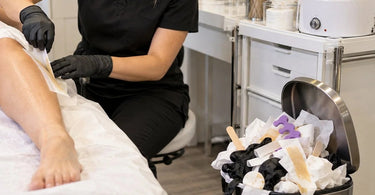
Boost sales with this smart addition... a better waste management setup that keeps your waxing rooms and nail stations cleaner, more organized, and ready for the next client. If your tiny salon trash can seems to go from completely empty to overflowing before your second appointment, you are definitely not imagining things. Waxing and nail services produce an impressive amount of disposable waste, and somehow that innocent little wastebasket becomes the busiest employee in the building. The good news? Understanding why small trash cans fill up shockingly fast during waxing and nail services can help you choose smarter supplies, improve workstation organization, and spend less time playing trash can Tetris between appointments.
For busy estheticians, nail technicians, salon owners, and spa managers, managing waste is more than a housekeeping chore. It affects service flow, sanitation practices, supply expenses, and the overall impression your business makes. A beautiful treatment room loses some of its magic when a mountain of used cotton pads is threatening to escape from beneath the counter.
The Sneaky Reason Salon Trash Cans Fill Up So Quickly
Most people underestimate how many disposable items go into a single professional beauty service. One waxing appointment might involve gloves, applicators, cotton rounds, paper strips, protective table coverings, and product packaging. A manicure or pedicure can generate used wipes, disposable files, buffers, cotton, nail forms, and other single-use materials.
Individually, these items look harmless. Collectively, they behave like a group of friends trying to squeeze into one tiny elevator.
The issue is not necessarily the weight of the waste. It is the amount of physical space that lightweight, awkwardly shaped materials occupy. Crumpled paper, cotton, disposable gloves, and used applicators can create air pockets that make a trash can appear full long before its actual weight becomes significant.
That distinction matters when choosing waste containers for professional service environments. A container with adequate volume and an appropriate lid can help staff manage ordinary service waste without constantly interrupting their work.
Waxing Services Create More Waste Than You Think
Professional waxing requires thoughtful sanitation practices and a steady supply of disposable materials. Even a relatively quick eyebrow waxing appointment can generate several items that must be discarded after use.
Depending on the service and technique, a waxing station may accumulate:
- Single-use wooden applicators and spatulas
- Disposable waxing strips
- Used cotton rounds and gauze
- Disposable gloves
- Protective paper and table coverings
- Single-use cleaning materials
- Empty product packaging
Now multiply those items by an entire day of appointments. A waxing specialist completing ten or more services can generate a surprisingly large pile of lightweight waste, especially during appointments requiring frequent applicator changes.
Professional single-use application practices are essential for helping prevent contamination. Reusing an applicator that has contacted a client can introduce unnecessary hygiene risks. Instead of reducing sanitary supplies to save trash space, businesses should establish an efficient disposal system that supports appropriate single-use practices.
Stocking dependable Professional Wax Spatulas and Applicators for Salons & Spas and Quality Wax Strips & Rolls for Effective Hair Removal makes it easier to prepare for busy schedules. Pair those essentials with a convenient waste container positioned near the technician, and the entire service can run more smoothly.
Hard Wax and Soft Wax Have Different Waste Patterns
The waxing method itself can influence the type and volume of waste produced.
With Professional Stripless Hard Wax, technicians typically remove the cooled wax directly from the skin without using a separate removal strip. The discarded wax can become bulky, particularly during larger body waxing services. Hard wax pieces may also have irregular shapes that prevent them from settling neatly inside a small wastebasket.
Meanwhile, Soft Strip Wax for Effective Salon Hair Removal generally requires removal strips. Those strips can accumulate quickly during leg, arm, back, or other larger-area services.
Neither technique automatically produces less waste in every situation. Product formulation, treatment area, application technique, and technician habits all influence the final amount.
The practical solution is to select a waste container based on the actual materials generated by your services rather than assuming every waxing room needs the same size.
Nail Services Are Basically Tiny Waste Factories
Nail professionals know the situation all too well. You start the morning with an empty trash can, perform a few beautiful manicures, and suddenly the wastebasket looks like it hosted a private party for every cotton pad in the building.
Professional manicures, pedicures, gel services, acrylic applications, and nail art all create different kinds of disposable waste.
Common examples include:
- Used cotton balls and cotton pads
- Single-use nail files and buffers
- Disposable nail forms
- Lint-free wipes
- Used gloves
- Paper towels and protective coverings
- Disposable toe separators
- Small packaging materials
- Single-use tools and accessories
Services involving detailed product removal or nail preparation can be especially demanding on the wastebasket. Cotton and wipes occupy space, while used nail forms and packaging resist being compressed into a neat little pile.
Keeping a reliable inventory of Nail Files & Buffers, Manicure Essentials, and Professional Cotton, Sponges, and Wipes for Salons & Spas helps ensure technicians have the appropriate supplies available without needing to improvise.
And while nail dust can contribute to workstation cleanup, it should be controlled with appropriate dust collection and ventilation rather than treated as something a larger trash can will solve.
The Cotton Ball Problem Nobody Talks About
Cotton seems like it should take up practically no room. After all, it is soft, lightweight, and wonderfully fluffy.
Unfortunately, fluffy is exactly the problem.
Loose cotton balls, cotton rounds, and crumpled wipes often create bulky layers inside waste containers. They leave empty spaces between individual pieces, reducing the amount of additional material the container can accommodate.
This becomes especially noticeable during nail polish removal, gel removal preparation, and services involving repeated cleansing.
Using the appropriate amount of cotton for each procedure can help control unnecessary consumption. However, technicians should never compromise product directions or sanitation practices simply to reduce waste.
For many busy nail stations, the most effective improvement is choosing a properly sized, covered waste container and establishing a convenient emptying routine.
Choosing the Right Trash Can Size for Waxing Rooms and Nail Stations
A compact wastebasket may look beautiful in a minimalist treatment room, but appearance should not be the only purchasing consideration.
When evaluating salon trash cans or wastebaskets, consider how often the station operates, what types of waste it produces, and how frequently staff can safely empty the container.
Think about these practical factors:
- Capacity: Choose a container that can accommodate the expected waste between scheduled emptying periods.
- Location: Position the container where the technician can access it without reaching across clean instruments or treatment products.
- Lid design: Select an appropriate covered design, especially where chemical-contaminated materials are generated.
- Material: Consider durability, cleanability, and compatibility with the materials being discarded.
- Liners: Use correctly sized liners where appropriate to simplify waste removal and reduce mess.
- Foot operation: A foot pedal can help staff dispose of ordinary waste without repeatedly touching a lid.
A practical arrangement for a high-volume business may include a smaller covered station container and a designated larger waste collection area elsewhere in the facility. This keeps treatment areas manageable while allowing employees to remove waste at appropriate intervals.
Remember that materials contaminated with certain chemicals may require a specific container or disposal method. A generic plastic wastebasket is not automatically suitable for every nail salon waste stream.
Why Covered Trash Cans Matter in Nail Salons
There is a difference between ordinary paper waste and materials saturated with nail products or solvents.
Some nail service materials can release chemical vapors after disposal. For example, cotton or wipes containing nail polish remover may continue releasing vapors when left exposed in an open container.
For solvent-soaked waste, appropriate metal containers with tight, self-closing lids are an important safety consideration. Staff should also follow product safety data sheets, applicable workplace requirements, and local disposal regulations.
Liquid chemical waste should never automatically be poured into ordinary trash, drains, or toilets. Certain products require special collection and disposal procedures, and businesses should confirm the requirements for each chemical they use.
Keep chemical-contaminated waste separate when required, and do not assume that a standard salon garbage bag is suitable for every material.
A well-planned waste station should support safe handling, proper ventilation, and straightforward disposal procedures. It is not simply about hiding clutter under a pretty lid.
How Poor Trash Can Placement Slows Down Services
Picture this: an esthetician finishes applying a waxing strip and needs to discard a used applicator. Unfortunately, the trash can is tucked behind a rolling cart, beneath a stack of supplies, and approximately three awkward steps away.
That tiny inconvenience may happen dozens of times throughout the day.
Poor wastebasket placement can create repetitive interruptions, unnecessary movement, and opportunities for used materials to end up temporarily sitting on a workstation.
A better layout provides a clearly designated disposal location within easy reach while maintaining separation from clean supplies.
For waxing rooms, consider the relationship between the treatment table, Professional Wax Warmers for Salons & Spas, applicator storage, and waste container.
For manicure stations, look at the layout of Nail Tables and Manicure Stations, product organizers, lamps, and waste disposal areas.
The goal is not to cram everything onto one tabletop. It is to create a logical workflow where clean materials remain clean, used items are discarded promptly, and technicians do not need to perform an obstacle course during every appointment.
The Hidden Cost of Constantly Emptying Tiny Wastebaskets
Small trash cans may seem economical because they require little space and are often inexpensive to purchase. However, the ongoing inconvenience can create labor costs that are easy to overlook.
Imagine a workstation that requires four additional trash changes each day. If each extra change takes two minutes, that represents eight minutes of staff time daily.
Across five working days, that becomes forty minutes. Over fifty working weeks, it adds up to more than thirty-three hours.
This is only an illustrative example, not a universal salon average. Actual time depends on facility layout, waste volume, and staff procedures.
Still, the lesson is useful: repeated minor interruptions can become meaningful operational expenses over time.
A properly sized waste container, coordinated disposal schedule, and thoughtfully stocked workstation can help employees spend more of their day performing revenue-generating services instead of making surprise trips to the garbage collection area.
Reduce Unnecessary Waste Without Compromising Sanitation
Waste reduction is a worthwhile business goal, but professional sanitation should always come first.
The objective is to eliminate unnecessary disposal, not eliminate essential single-use materials.
Start by examining how supplies are prepared before each service. Are technicians opening more disposable products than the procedure requires? Are excessive amounts of cotton or paper being pulled from storage? Are unopened supplies being contaminated because they were placed too close to used materials?
Consider these improvements:
- Prepare realistic quantities of disposable supplies for each scheduled treatment.
- Keep clean supplies in protected storage until needed.
- Use correctly sized applicators for the treatment area and technique.
- Review product usage patterns to identify avoidable overconsumption.
- Choose packaging and purchasing quantities that suit actual demand.
- Separate recyclable packaging only when it is clean, accepted locally, and appropriate for recycling.
- Maintain required single-use practices and never reuse contaminated disposables.
Organizing Waxing Supplies for Professionals and Professional Nail Care Collections around real appointment volume can improve inventory control and reduce last-minute supply shortages.
Buying smarter does not mean asking one cotton round to perform the work of six. It means stocking and preparing supplies intentionally.
Make Waste Management Part of the Treatment Room Reset
Successful salons rely on repeatable routines. Each technician should know what needs to happen before a client arrives, during the service, and after the appointment is complete.
Waste management belongs in that routine.
A practical workstation reset may include removing used disposable materials, checking the waste container, cleaning and disinfecting applicable surfaces with approved products according to label directions, preparing fresh supplies, and confirming the station is ready for the next client.
Supplies such as Professional Cleaners & Disinfectants for Salons and Spas, Hygienic Table Paper for Waxing, Spa & Massage Tables, and Protective Gloves & Masks for Salon and Spa Professionals support different parts of a well-organized professional service environment.
Waste should be removed promptly when containers reach their appropriate fill limits, when required by the waste type, or according to the facility cleaning schedule. Chemical-related materials need their own handling procedures.
Assigning clear responsibilities prevents the classic salon mystery: everyone noticed the overflowing trash can, but somehow nobody knows whose turn it was to empty it.
Should You Use One Large Trash Can or Several Smaller Ones?
There is no perfect arrangement for every beauty business. A private waxing suite has different space and service requirements than a busy nail salon with ten technicians working simultaneously.
Several smaller containers can provide convenient disposal access at individual stations. This arrangement may make sense when stations are separated or when technicians regularly handle used materials that should be discarded immediately.
A larger centralized container can be useful for appropriate general waste, but staff should not carry used materials across the salon unnecessarily or combine incompatible waste streams.
For many facilities, the best answer is a combination: properly selected station containers for immediate disposal, plus a designated central waste management area for appropriate collection and removal.
Keep chemical-specific containers separate as required, and follow local sanitation codes, workplace safety requirements, and manufacturer directions.
Beauty should be effortless for the client. Behind the scenes, however, a little logistical planning works wonders.
How to Estimate the Waste Capacity Your Salon Really Needs
Rather than choosing a trash can based entirely on appearance, use a simple measurement exercise.
For several representative working days, record the number and types of services performed at each station. Note when each container needs emptying and whether it is consistently becoming full before a scheduled break.
Compare busy days with slower days. A station handling back-to-back full-body waxing appointments may require a different solution than one primarily performing quick brow services.
For nail services, distinguish between standard manicures, pedicures, product removal, and more involved enhancement appointments.
Ask staff whether liners are difficult to remove, whether containers obstruct movement, and whether disposal locations are convenient.
Then adjust the container capacity, placement, or collection frequency accordingly.
The purpose is not to keep waste sitting in the salon for longer. It is to ensure containers are properly sized while preserving appropriate cleaning and disposal schedules.
Five Small Changes That Can Make a Big Difference
You do not necessarily need to redesign your entire salon to improve waste handling. Start with these manageable adjustments:
- Upgrade undersized containers. Replace wastebaskets that consistently overflow before their planned emptying times with appropriately sized models.
- Improve workstation placement. Put disposal containers close enough for easy use without contaminating clean supplies or interfering with movement.
- Choose appropriate lids and materials. Match waste containers to the actual waste stream, particularly where solvent-soaked materials are involved.
- Standardize service preparation. Set out the necessary amount of disposable supplies without opening excessive extras.
- Create a written emptying schedule. Assign responsibility for checking, changing, and cleaning containers, while allowing immediate disposal when needed.
These improvements can make daily work feel more controlled, especially during fully booked schedules.
A well-organized station also gives technicians one less thing to worry about when appointments run close together.
What to Keep on Your Salon Supply Checklist
Waste management works best when it is part of a broader inventory and organization strategy.
Alongside appropriate trash containers and liners, review the everyday consumables used in your business. These may include cotton, wipes, gloves, applicators, protective coverings, cleaning supplies, and disposable manicure accessories.
Pure Spa Direct offers professional beauty and wellness supplies that can help businesses maintain well-stocked treatment rooms, including Spa Essentials for Professionals, Applicators & Spatulas, and Must-Have Supplies for Salon & Spa Business Success.
For additional organization needs, browse salon organizers, disposable wipes, and trash can liners.
As a professional beauty supply distributor, Pure Spa Direct helps salon and spa businesses shop for supplies across a wide variety of service categories without having to juggle an endless list of separate purchasing destinations.
Frequently Asked Questions About Salon Trash Cans
Why does my waxing room trash can fill up after only a few clients?
Waxing appointments generate bulky disposable materials such as applicators, strips, gloves, cotton, and protective coverings. These items create air pockets inside small containers, making them reach capacity quickly even when the waste is relatively lightweight.
What size trash can is best for a nail station?
The best size depends on service volume, available space, waste type, and how often the container is emptied. Track waste accumulation during several typical workdays before choosing capacity. For materials contaminated with certain nail chemicals, appropriate container construction and lid design are especially important.
Can nail polish remover cotton go into a regular trash can?
Do not assume regular open wastebaskets are suitable for solvent-soaked cotton. Follow the product safety data sheet and applicable disposal requirements. Appropriate metal containers with tight, self-closing lids are commonly recommended for solvent-contaminated nail waste, and certain chemicals require specialized disposal.
Should waxing rooms have separate trash cans?
Individual containers can improve convenient disposal and help maintain organized workstations. However, the arrangement should reflect the services performed, applicable sanitation requirements, and the types of waste generated.
How often should salon trash cans be emptied?
Empty containers before they overflow and according to the requirements for the waste involved. Nail salon chemical waste may require more frequent handling and specific disposal practices. Facilities should establish written procedures based on product directions, workplace safety requirements, and local regulations.
How can a salon reduce the number of trash bags it uses?
Choose properly sized containers and liners, reduce unnecessary packaging waste, and avoid opening more disposable supplies than a service requires. Never reduce required sanitation measures or leave waste in place longer than appropriate simply to save liners.
Keep Your Beauty Business Beautiful Behind the Scenes
Small trash cans may not be the most glamorous topic in the professional beauty industry, but anyone who has completed a packed day of waxing or nail appointments knows just how important they can become.
Between used applicators, cotton pads, waxing strips, gloves, nail wipes, and packaging, even a modest service schedule can produce more waste than expected. An undersized container can create unnecessary interruptions, clutter, and frustration for hardworking technicians.
The solution is not to sacrifice sanitation or abandon essential disposable supplies. It is to select appropriate waste containers, improve station organization, plan disposal routines, and purchase professional consumables with actual service demand in mind.
Explore the extensive selection of professional waxing supplies, nail care essentials, and spa essentials available through Pure Spa Direct to keep your business prepared for every appointment.
Because your clients should remember their gorgeous nails, beautifully smooth skin, and relaxing experience - not the suspiciously overstuffed trash can trying to make a dramatic exit from beneath the manicure table.
