
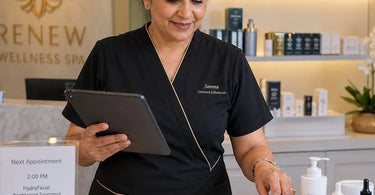
Clients notice quality first, but they remember the 'feeling.' That intangible sense of being cared for, of having their time valued, and of experiencing a professional environment that runs like a dream is what turns a one-time visitor into a loyal, raving fan. While the service itself—be it a transformative facial, a precise brow lamination, or a deeply relaxing massage—is the centerpiece, the supporting acts are what elevate the entire experience. One of the most critical, yet often overlooked, supporting acts happens in the seconds between appointments. It's the moment your client leaves the treatment room and your team begins the process of resetting for the next person. But is your staff simply cleaning, or are they preparing with intention? Knowing the next client's service before resetting isn't just a nice-to-have; it's the secret ingredient that separates a chaotic assembly line from a sanctuary of calm and professionalism.
Think about the typical rush in a busy spa or salon. The previous client is gathering their things, the front desk is confirming the next appointment, and your team is moving at lightning speed to turn the room over. In this frenzy, the focus often narrows to the immediate physical tasks: stripping the linens, wiping down the table, and laying out fresh tools. While these are non-negotiable, this approach lacks the foresight that can transform the entire atmosphere. If a therapist walks into a room to discover they're set up for a relaxing Swedish massage but the next client is booked for an intense deep-tissue session, the mistake isn't just about the massage oils on the cart; it's about sending a subtle signal of disorganization that the client can subconsciously feel. Conversely, imagine the confidence a professional exudes when they glide into a perfectly prepped room, with the right Facial Steamers warmed up, the correct Professional Wax Warmers at the optimal temperature, or the appropriate Premium Skincare Products laid out and ready. That is the power of knowing before doing.
Why the 'Before' Matters as Much as the 'During'
In the service industry, particularly in spaces designed for relaxation and rejuvenation, every detail contributes to the narrative of the client's experience. When staff know what's coming next, it creates a ripple effect of positivity that impacts everyone—from the client to the service provider to the business's bottom line. The transition time is not just a cleaning period; it's the bridge between two entirely different guest experiences. A rushed or ill-prepared reset can inadvertently carry the chaos of the previous appointment into the calm of the next one. Conversely, a seamless, knowledge-backed reset can make a client feel like the only person on your schedule.
Delivering the 'Gold Standard' Experience
Luxury is in the details, and those details are often felt long before the treatment begins. Think about it: what creates a better first impression—a room that looks generically clean, or a room that has been meticulously prepared for you? When staff know the next client's service, they can personalize the environment in small but profound ways. It shows a level of care that goes beyond the surface. This proactive approach to service delivery is what builds lasting relationships and encourages repeat business .
1. Creating an Atmosphere of Calm and Anticipation
If the next client is booked for a service that requires a specific state of mind, like a Halotherapy session or a Cupping treatment, the room can be prepared to enhance that narrative. The lighting can be dimmed, the Aromatherapy Supplies can be selected to match the intended effect, and the music can be set to a complementary playlist. This level of detail signals to the client that this isn't a generic appointment; it's a curated experience designed just for them. Clients form their first impression within seconds of entering a room . That impression sets the tone for the entire service and influences how they perceive its value.
2. Showing You Value Their Time
One of the fastest ways to erode client trust is to waste their time. Clients notice if their service provider is scrambling for supplies, if the Towel Steamers aren't ready, or if the Pedicure Chairs/Spas haven't been properly disinfected and set up. Starting a service late because you didn't know what to prepare for is a cardinal sin in our industry. When staff know the service beforehand, they can ensure every piece of equipment, from the Massage Table Warmers to the Professional Shears for a barbering client, is ready to go. This means the service can start on time, end on time, and the client feels respected, not rushed. Protecting that transition time is one of the most powerful luxury moments you can offer .
Boosting Confidence and Professionalism
There is a palpable difference in the energy of a therapist who is prepared versus one who is scrambling. Knowing what's coming next erases the 'deer in the headlights' moment when a client walks in. It empowers your team to welcome the next guest with confidence and poise, rather than apologetic explanations. A provider who is confidently prepared is perceived as an expert, which naturally builds trust with the client. This professionalism extends to every interaction, making the service feel more personal and less transactional .
1. Minimizing Stress and Maximizing Flow
Chaos is the enemy of a great guest experience. When staff are constantly asking, 'Wait, what's next?' it creates a frantic, reactive environment. Knowing the schedule in advance allows for proactive planning. This is the core of operational excellence—designing systems that make doing the right thing the easiest thing . This simple practice reduces the stress on your staff, allowing them to focus on the quality of their work rather than the logistics of their next task. A calm, focused provider delivers a better service.
2. Delivering a 'White-Glove' Experience
Anticipating client needs is the hallmark of true luxury. This starts even before the service begins. For example, if the next client is coming in for a waxing appointment, the provider can ensure the room is stocked not just with the right Stripless Hard Wax or Soft Strip Wax, but also with the appropriate Pre & Post-Waxing Products. If the next client is a lash appointment, they can ensure the Professional Lash and Brow Tint is mixed and ready, and the Premium Lash Extensions are sorted. This level of detail demonstrates a deep understanding of the business and a genuine care for the client's experience. It's the difference between giving a service and creating a memory.
Streamlining Operations and Boosting Your Bottom Line
Beyond the guest experience, knowing the next service is a powerful operational tool. It turns a chaotic turnover into a well-oiled machine, which translates directly into profitability and a better environment for your team. This insight is crucial for maintaining the fast-paced efficiency that a successful business requires without sacrificing the quality of the client experience.
1. The Art of the 'Room Reset'
In the spa world, the 'room reset' is often seen as a race against the clock. However, when guided by knowledge, it becomes a strategic process. If you know the next client is having a body wrap, you can have the Body Wrap Heating Blankets warming up while you're bidding your current client farewell. This strategic preparation isn't about rushing; it's about eliminating wasted motion. According to experts, even a few minutes of built-in transition time for the guest can make all the difference, but the behind-the-scenes work must be lightning-fast . The goal is that the guest never feels the efficiency that keeps the spa running. They should only feel the calm, seamless flow.
2. Reducing Wait Times and Increasing Capacity
When staff know what's next, they can also manage their time more effectively. A provider finishing up a Microdermabrasion session can prep their Ultrasonic Facial Machines for the next client while the current one is settling the bill. This overlap is the key to running a tight schedule. It allows for back-to-back bookings without creating a bottleneck or a sense of being rushed. In turn, this increases your capacity for appointments, boosting overall revenue without compromising on service quality. Furthermore, a smooth operation reduces the likelihood of a client feeling 'abandoned' during the post-sale handoff, a common pain point that can affect retention .
3. Showcasing Your Expertise
When you know the next client's service, you can also tailor your approach to their specific needs. This extends to the products you recommend and the way you interact with them. For instance, a client coming in for a specific treatment will have different concerns and questions than one coming in for a general maintenance service. By being prepared, you can engage them in a more meaningful consultation, positioning yourself as a true expert. This expertise not only enhances the immediate experience but also opens the door to valuable retail sales, as you can recommend the most relevant Spa Retail Products that support their specific treatment goals .
Creating a Culture of Excellence
Ultimately, encouraging your staff to know the next client's service isn't just a protocol; it's about fostering a culture of excellence and care. It's about instilling a mindset where every detail matters because every client matters. This starts with leadership and is reinforced through continuous training. By empowering your team with the right systems, you make it easier for them to deliver an exceptional experience .
Practical Steps for Implementation
- Review the Daily Roster: Make it a ritual for every staff member to thoroughly review their schedule at the beginning of their shift. Encourage them to note not just the time and name, but the specific service they'll be performing.
- Use a Prep Checklist: Create a simple, reusable checklist for each type of service. This ensures that no step is missed, whether it's ensuring the correct Waxing Supplies are laid out or that the Microcurrent Machines are fully charged.
- Empower Open Communication: Create an environment where it's okay to ask for clarification. If a staff member isn't sure what's next or what's needed, they should feel comfortable asking a manager or checking the schedule again.
- Celebrate Preparedness: When a client raves about a seamless experience, share that story with the team. Acknowledging and celebrating the impact of preparation reinforces its importance and encourages everyone to adopt the practice.
In the end, the question isn't whether your staff can reset a room, but whether they can do it with purpose. When they know the next client's service before resetting, they're not just cleaning a room; they're crafting a first impression, building anticipation, and setting the stage for a truly memorable visit. This level of proactive thinking is what transforms a good spa or salon into an exceptional one—a place where the magic starts before the client even walks through the door.
