
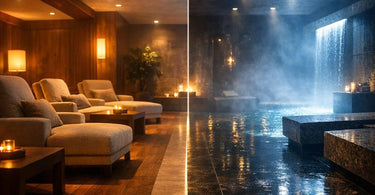
Simplify operations with this smart choice... or don't, and find out why your pedicure chair is slowly rusting into a modern art installation while your massage table develops mysterious, client-repelling creaks. Let's talk about the birds and the bees of the spa world—specifically, why your "wet" zones (think steamy, splashy, sudsy services) and your "dry" zones (the tranquil, oil-slicked, quiet spaces) need completely different furniture strategies. Using the wrong piece in the wrong place isn't just an aesthetic faux pas; it's a fast track to replacing expensive equipment, disappointing clients, and creating a vibe that screams "budget cuts" rather than "luxury retreat."
At Pure Spa Direct, we've seen it all: the pedicure chairs that started bubbling (and not in a good way) because they weren't built for constant moisture, and the massage tables that got soaked during a Vichy shower treatment because someone thought "waterproof" was just a suggestion. It's time to get strategic, bestie. Grab your favorite aromatherapy oil, put your feet up (preferably on a stool designed for the right zone), and let's dive into the wet and the wild.
The Great Divide: Understanding Your Spa's Ecosystem
Think of your spa or salon as a delicate ecosystem. On one side, you have the lush, humid jungle—the Wet Zone. This is where water flows freely, steam rises, and splashes are inevitable. We're talking pedicure stations, Vichy shower rooms, hair color bars, and anything involving facial steamers or paraffin baths. On the other side is the serene desert—the Dry Zone. This is the sanctuary of calm, where tranquility reigns. It's home to massage tables, facial couches, and reception areas where the biggest spill risk is a client's overpriced, ironically-named bottled water.
Mixing up furniture between these zones is like wearing your favorite suede boots to a mud run. It might start out fun, but it ends in tears and a very expensive cleaning bill. Let's break down why each zone demands its own tailored strategy.
Strategies for the Wet Zone: Where Water Works (and Works Against You)
Your Wet Zone is the workhorse of your business. It's high-energy, often high-profit, and consistently high-moisture. The furniture here needs to be part Navy SEAL—tough, waterproof, and able to handle a deluge without flinching.
Material Matters: The Waterproof Wardrobe
In the Wet Zone, fabric is the enemy unless it's specifically engineered to resist water. You want materials that laugh in the face of moisture. Think high-quality vinyl, seamless upholstery, and sealed wood or metal frames. A pedicure chair needs to have a surface that can be wiped down and disinfected after every single soak and scrub, without the material absorbing anything. Check out options from brands like Whale Spa or Continuum—they design specifically for this aquatic environment.
The Plumbing Predicament: Built-In vs. Portable
When you're designing a wet zone, you have to think about the guts as much as the glory. Do you have the infrastructure for built-in, plumbed pedicure spas and Vichy showers? If so, you're committing to a permanent setup that screams luxury. But what if you're renting a space where you can't knock down walls, or you want the flexibility to rearrange your services? Enter the hero of flexibility: the plumbless option. We're totally obsessed with the Zen Plumbless Japanese Head Spa Shampoo Bed by Deco Salon Furniture. This genius piece features a self-contained water circulation system with a 24-gallon supply tank and an 8-gallon waste tank, allowing you to offer a premium, steamy head spa experience absolutely anywhere in your salon—no plumber required . It's the ultimate in wet-zone adaptability.
Accessorize for the Splash
Don't forget the supporting cast. In your wet zone, you'll need accessories that can also handle the humidity. Hygienic table paper is a must for any surface, but in wet areas, look for non-slip options. High-quality towels from brands like Boca Terry are essential, and you'll want plenty of them. And let's not forget about storage—moisture-resistant bottles and jars and mixing bowls for your ItalWax or sugaring products will keep everything organized and stylish.
Strategies for the Dry Zone: Where Comfort is King (and Queen)
Now, let's tiptoe into the Dry Zone. This is the place where clients come to escape the splashes and stress of the outside world. The furniture strategy here is 100% focused on ergonomics, ambiance, and a feeling of weightless security. A client's experience here can make or break their relaxation.
The Throne of Tranquility: Massage Tables and Facial Beds
The centerpiece of any dry zone is the massage table or facial bed. This isn't just a piece of equipment; it's a throne of tranquility. Comfort is non-negotiable. You need plush, supportive cushioning that cradles the client without creating pressure points. High-end options from Earthlite or Oakworks offer incredible ergonomics for both the client and the therapist. And don't just stop at the table itself. Add massage table warmers for that toasty, cocoon-like feeling, and support every curve with luxurious massage bolsters. For facial rooms, an adjustable facial bed from a brand like Silhouet-Tone allows for perfect positioning, ensuring your premium skincare products are applied with the client in ultimate comfort.
The Ambiance Architects: Furniture and Lighting
In the dry zone, every piece of luxury spa furniture contributes to the overall vibe. A sleek, comfortable reception desk sets the tone from the moment a client walks in. Plush seating in the waiting area, perhaps from DIR Salon Furniture, encourages pre-service relaxation rather than anxious phone-checking. Lighting is also a critical part of your dry-zone strategy. Harsh overhead lights are the enemy of zen. Instead, opt for dimmable options and focused task lighting, like magnifying lights or LED bright lamps for detailed work like dermaplaning or lash extensions. You can even incorporate light therapy devices into your ambiance for an added wellness boost.
The Quiet Details: Linens and Storage
Even the smallest details in the dry zone need to whisper "luxury." That means stocking up on incredibly soft salon and spa bedding. Think high-thread-count sheets and cozy blankets from Sposh that make clients want to nap for days. Your storage should be just as serene. Clutter is the enemy of calm, so invest in beautiful cabinetry and lockers to keep all your massage oils, lotions, and creams tucked away but easily accessible. When you reach for a cupping set or a hot stone kit, it should feel like a seamless, graceful part of the service, not a frantic game of hide-and-seek.
The Crossover Confusion: Where Salons Often Go Wrong
The biggest mistake we see? Trying to use dry-zone furniture in wet zones. That beautiful, fabric-upholstered manicure table might look perfect in your nail area, but the first time a bottle of premium nail polish tips over or a client splashes water during a soak, you've got a stain that will haunt your dreams. Similarly, using a portable massage table that's not designed for it in a room where you also offer spray tanning is a recipe for disaster—the solutions can break down the materials over time.
Another common oops is forgetting about the floor. In wet zones, you need slip-resistant, waterproof flooring. In dry zones, you want something warm and comfortable underfoot, maybe even with a little padding for the therapist who's on their feet all day. And always, always have the right tools for the job. Using a heavy-duty professional wax warmer from a trusted brand like Lycon in your waxing room (a wet-adjacent zone) is smart. Trying to use a tiny, personal-sized warmer for a full day of soft strip wax services? That's just asking for a meltdown (and not the relaxing kind).
Your Action Plan for Zonal Domination
Alright, ready to create a spa that's as strategically sound as it is stunning? Here's your to-do list:
1. Audit Your Zones: Walk through your space and clearly identify every wet and dry area. Be honest about the moisture levels in each.
2. Assess Your Furniture: Check each piece. Is it in the right zone? Does it have the material specs to survive there? If you see peeling vinyl on a pedicure chair or a water ring on a wooden nail table, that's a sign of a mismatch.
3. Shop with a Strategy: When you're ready to upgrade or expand, shop by zone. For your wet zone, prioritize function and waterproofing. Explore our massive selection of pedicure chairs/spas and plumbing-flexible options like the Zen shampoo bed. For your dry zone, focus on comfort and ambiance. Browse our luxury spa furniture and massage tables to find pieces that will make your clients never want to leave.
4. Accessorize Appropriately: Don't forget the details! Stock up on high-quality towels from Turkish Towel Company for both zones (just keep the wet ones separate!), invest in durable bottles and jars, and make sure you have the right cleaners and disinfectants for each surface type.
Creating distinct, well-planned wet and dry zones isn't just about protecting your investment (though that's a huge perk). It's about respecting the integrity of each service you offer. It's about giving your massage therapists a serene, reliable space to work their magic and your nail techs a durable, hygienic station to create their art. When every piece of furniture is in its right place, your whole business runs smoother, your team feels more professional, and your clients can truly relax, whether they're getting splashed or sinking into serenity. So go forth and strategize—your spa (and your accountant) will thank you.
