
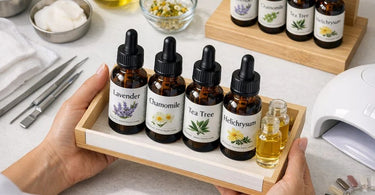
Boost your business with this now: mastering the art of the post-extraction cool-down. Let's face it, your clients love the squeaky-clean satisfaction of a deep pore cleansing, but they do not love looking like they just ran a marathon in a wool sweater for the next hour. That angry, flushed redness is the skin's way of throwing a tiny temper tantrum, and as the professional in charge, it is your job to be the ultimate peacekeeper. While you are already a wizard with a Facial Steamer and have the magic touch with extractions, the secret weapon for turning that 'stop looking at me' red into a soft, 'I am glowing' blush is hiding in your essential oil kit. But here is where it gets tricky—slapping straight oil on compromised skin is a recipe for disaster, not relaxation. Getting the ratios right is the difference between a soothing miracle and a one-way ticket to itis-ville. Let's dive into the precise science and fun art of building the ultimate calming potion for post-extraction skin.
After we have been digging around in their pores (lovingly, of course), the skin barrier is temporarily waving a little white flag. It is vulnerable, sensitive, and needs serious TLC. This is where a thoughtfully blended Aromatherapy Supplies mix comes in. However, we are not making salad dressing here; precision is key. For that delicate, post-procedure state, you need to think low and slow. You cannot just grab a bottle and start dripping. The golden rule for post-extraction care is a dilution of 0.5% to 1%. What does that look like in real life? For every one ounce (approximately 30ml) of your Massage Oils, Lotions, and Creams for Therapists, you are adding only 3 to 6 drops of your total essential oil blend. I know, it seems like almost nothing, but trust the process. A higher concentration on raw skin is like yelling at someone who already has a headache—it just makes everything worse.
The Ultimate Calming Trio: Lavender, German Chamomile, and Blue Tansy
Let's talk about your dream team. Not every essential oil is invited to this party; in fact, some are strictly forbidden (looking at you, sharp citrus and spicy cinnamon). You want the heavy hitters of chill. First up, Lavender is the hall-of-famer for a reason. It is the gentle auntie of the oil world—always calming, always soothing, and rarely causes trouble. For redness, we need to bring in the big guns: German Chamomile. This oil contains a compound called chamazulene, which gives it a stunning deep blue color and makes it a rockstar for knocking out inflammation. Similarly, Blue Tansy is another gorgeous blue oil that works overtime to soothe angry histamine responses. When you blend these together, you are creating a powerhouse symphony of "shhhhh." For a 1% dilution in 30ml of carrier oil like organic Jojoba Oil, you would use 6 drops total. A winning ratio? 3 drops Lavender, 2 drops German Chamomile, and 1 drop Blue Tansy. This leans heavily on the safety of lavender while injecting the powerful anti-inflammatory properties of the blue oils .
Crafting The Post-Wax & Dermaplaning Soother
While extractions are a specific beast, this calming magic works wonders for other services where skin gets spicy. After a Dermaplaning session or a fiery ItalWax - Wax service, the skin is screaming for a drink of water and a hug. You can use a very similar ratio, but you might swap one oil out depending on the client. If you are dealing with a client who has specific sensitivities or reactive skin, Helichrysum (also known as Immortelle) is worth its weight in gold. It is expensive, yes, but it is incredible for cellular regeneration and reducing that deep-seated redness. For a Hydrodermabrasion follow-up, try a blend focusing on hydration and barrier repair. Use the same 0.5% dilution (3 drops per ounce). Mix 2 drops of Lavender with 1 drop of Tea Tree (which is actually gentle when diluted properly and helps keep any angry bacteria at bay post-procedure). Apply this with a light pressing motion rather than a heavy rub. Remember, the skin has just been through a lot—we pat, we do not pull .
The "Do Not" List: Keeping Clients Safe
You might love the smell of a clove-studded orange during the holidays, but keep it away from your client's freshly cleansed face. Phenols—found in oils like Oregano, Thyme, Clove, and Cinnamon Bark—are highly caustic to the skin. Using these in a post-extraction blend is essentially like pouring hot sauce on a sunburn. It will cause burning, intense irritation, and likely lose you a client forever. Also, be wary of the citrus oils like Bergamot, Lemon, and Grapefruit, unless you want your client to burn to a crisp the moment they walk out into the Florida sunshine. These oils are phototoxic, meaning they cause severe damage when exposed to UV light. If you need a bright, uplifting scent, stick to a tiny drop of Palmarosa or Rose Geranium. These are much gentler and actually help balance sebum production . Additionally, you need to know your tools. A warm Towel Steamers is great for opening pores, but for finishing, you might prefer how a Hot Stones and Warmers set can be used with a cool stone dipped in your oil blend to calm the skin down with thermal shock therapy.
Mixing It Right: The Professional Protocol
Consistency is crucial for your brand. You should be mixing these blends fresh or in small batches in sanitized equipment. Do not just dump oils into a stock bottle of lotion, as the distribution may be uneven. Instead, use a small glass beaker or mixing bowl. Add your essential oils directly to your measured Bottles & Jars first, then add your carrier oil (Grapeseed oil is excellent for this as it is non-comedogenic and light, making it perfect for a Advanced Facial Treatment Products for Salons and Spas). Stir gently with a disposable spatula. For high-volume spas offering Waxing Supplies for Professionals services, prep???? (these little bottles) at the start of the week. Label them clearly with the date and ratio. Your Pre & Post-Waxing Products station should always have a clearly labeled bottle of this calming oil. This elevates your service from standard to supremely custom.
Product Spotlight: Your New Best Friend
While we love mixing our own magic, sometimes you want a reliable shortcut that saves time and ensures consistency. We are obsessed with the Soothing Additive by Dermalogica. This little bottle is like a fire extinguisher for flushed faces. It is a pre-blended calming essential oil concoction featuring Lavender, Sandalwood, and Eucalyptus. The beauty of this product is that it takes the guesswork out of the ratios for you. You simply dispense 4-6 drops into your hand and press it into the skin. It is specifically designed for professional use during facials, especially on sensitized skin. It avoids the need for you to stock 15 different bottles of single oils if you are just starting out. You just grab, drop, and go. It is a massive timesaver for a busy esthetician, and clients love the visible results .
The Oil Blending Cheat Sheet
Let's put those numbers where you can see them clearly. If you want to build your own signature brand, here is your math lesson for the day. For facial applications on compromised or post-extraction skin, you should never exceed 1%. Here is how that plays out:
- Mild (0.5%): Perfect for elderly clients, extremely sensitive skin, or first-time facial clients. For 1 oz (30ml) carrier: 3 drops essential oil.
- Standard (1%): Your go-to for general post-wax or post-extraction care. For 1 oz (30ml) carrier: 6 drops essential oil .
- Body (2-3%): Do NOT use this on the face immediately after extractions, but this is great for a post-wax body spray or leg rub. For 1 oz (30ml) carrier: 12-18 drops .
If you are stocking up your Spa Essentials for Professionals, make sure you have a good digital dropper or a graduated cylinder. Eyeballing it is not a skill; it is a lawsuit waiting to happen. Precision shows professionalism.
Why Carrier Oils Matter Just As Much
The essential oil gets all the glory, but the carrier oil is the unsung hero. You would not put on a suit without a shirt underneath, right? The carrier oil determines how the blend feels, absorbs, and reacts with the skin. For post-extraction care, you want something non-comedogenic (it will not clog the freshly emptied pores) and anti-inflammatory. My top pick? Jojoba. It is technically a wax ester that mimics the skin's own sebum. It is hypoallergenic, shelf-stable, and absorbs beautifully without leaving a greasy finish on a client who just got up from your Spa Tools & Implements for Professionals table. Another fantastic option is Rosehip Seed Oil. It is packed with Vitamin A and essential fatty acids that help with cellular regeneration and scarring. If a client has active breakouts or is exceptionally oily, stick to Grapeseed Oil. It is very light and has astringent properties. For luxury treatments involving Portable Massage Tables for mobile services, Fractionated Coconut Oil is your best friend because it never goes rancid and leaves no stains .
Training Your Staff on Protocol
Consistency across your team is what builds a brand. You cannot have Stacey mixing a 5% solution because she thinks "more is more," and Jessie using nothing at all because she is scared. Hold a 15-minute staff meeting. Teach them the 1% rule. For a practical exercise, have them fill a 1oz bottle with carrier oil and add 6 drops of Lavender. Let them smell it. Let them feel it on their own arm. Explain the dangers of high concentrations of certain oils like Lemongrass or Peppermint on compromised barriers. Print out a small chart and tape it inside your mixing cabinet. Your liability insurance will thank you, and your clients will stop comparing which esthetician made them look like a tomato. When you are ordering bulk supplies for your Bulk Wax Deals or grabbing new Quality Wax Strips & Rolls for Effective Hair Removal, throw in a few extra bottles of Jojoba oil and some high-quality German Chamomile. It is the best inventory investment you will make this quarter.
Client Home Care: Selling the Calm
Do not let the magic stop at the door. Create a retail version of your post-extraction oil. Since home care is less controlled than your treatment room, sell them a pre-diluted rollerball at 0.5% concentration. Tell them, "This is your 'Chill Out' oil. When your skin feels hot or looks angry, roll this over your cheeks and chin." This empowers the client to manage their own redness between visits, which actually speeds up their results and makes them love you more. Place these retail gems near your Must-Have Spa Retail Products for Enhanced Client Experience display. You can also bundle them with a small Compressed Sponges or a reusable bamboo spatula for application. It is a high-margin item that solves a real, immediate problem for the client. They just dropped money on a facial; the last thing they want is to look like a tomato at the grocery store. You are selling privacy, comfort, and radiance.
The Takeaway
Mastering the art of essential oil ratios for post-extraction redness is an easy way to elevate your skill set from good to "oh my god, book me for the next six months." It is a simple chemistry of low dilution and the right ingredients. Lavender for safety, Chamomile for inflammation, and Jojoba for barrier repair. Avoid the spicy stuff, prep your tools correctly, and train your team to be dilution ninjas. Whether you are using a pre-made solution like the Soothing Additive or crafting a signature scent for your Professional Salon Equipment suite, your clients will feel the difference. Their skin will leave glowing, calm, and ready to face the world—no tinted moisturizer required. Now go forth and mix some magic, you magnificent skin wizard!
%20Skin)