
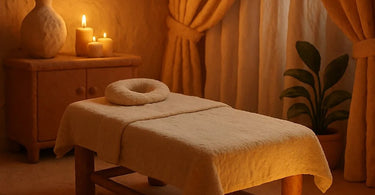
The first step to better outcomes, stronger relationships, and a booming book of loyal clients begins long before a single strip is pulled. It starts the moment a client hesitantly settles onto your massage table, wrapped in a mix of hope for smooth skin and a primal, vulnerable fear of the "ouch." Let's be real, for many clients, a waxing appointment ranks somewhere between a root canal and public speaking on the fun-o-meter. It’s an intimate service that requires them to shed not just hair, but layers of clothing and emotional armor. As a pro, you're not just a hair removal technician; you're a guide, a confidant, and the architect of an experience that can transform dread into devotion. Understanding the psychology behind that vulnerability on the table is the secret weapon to elevating your service from a transaction to a trusted ritual. Mastering it turns one-time visitors into lifelong advocates for your business.
Think about it. In what other professional setting does a person literally hand over control of their personal space while wearing what amounts to a fancy napkin? This isn't just a "service"; it's a profound act of trust. The modern spa client in 2025 is savvy—they want innovative, results-driven experiences that make them feel cared for on every level. They're coming to you for transformations, from classic bikini lines to full-body smoothness and even facial waxing paired with treatments like dermaplaning. The waxing revolution is here, with more men and women embracing hair removal, and your approach to their emotional comfort is what will set your spa apart as a true wellness destination.
More Than Skin Deep: The Client's Mental Journey
Before we talk technique, let's walk a mile in their disposable slippers. The client's mental script often goes like this: "Will it hurt? Will I be judged? Will I involuntarily yelp like a startled poodle? Is this therapist bored/annoyed/disgusted?" This internal monologue creates a state of mild anxiety. Their body is literally bracing for impact, which can make muscles tense and skin more sensitive—hello, counterproductive! Your number one job is to rewrite that script. The environment you create from the greeting to the aftercare is what flips the narrative from "ordeal" to "oasis."
Building the Trust Fortress: Your Multi-Layer Strategy
Transforming vulnerability into comfort isn't magic; it's a series of intentional, professional choices. Here's how to build an unshakable fortress of trust.
Layer 1: The Sanctuary (Ambiance is Everything)
Before you even touch a wax pot, the stage must be set. This goes beyond a tidy room. Is your spa apparel professional and clean, projecting competence? Is the lighting soft and flattering, not like a police interrogation room? Is the temperature warm enough so they're not shivering in a paper towel? A calming, neutral scent from an aromatherapy diffuser can work wonders. The soundscape matters, too—ditch the pop radio for a gentle, instrumental playlist. Every sensory detail should whisper, "You are safe here."
Layer 2: The Dialogue (Communication is Your Best Tool)
This is where your chairside manner makes or breaks the experience. Start with clear, confident consent. Explain each step before you do it: "I'm going to apply the wax now, you'll feel a warmth," or "Take a deep breath in, and I'll remove it as you exhale." This gives back a sense of control. Use encouraging, non-judgmental language. Instead of "You're really tense," try "Let's take a quick breath together to help the skin relax." Be a mindful conversationalist—let them lead. Some want quiet focus, others want a hilarious distraction. Read the room, not just the skin.
Layer 3: The Arsenal (Invest in the Best Products)
Your skill is paramount, but it's amplified exponentially by the quality of your tools. Using inferior wax is like a chef using stale ingredients—you can't hide it. Investing in premium, professional-grade products signals to the client that you value their comfort and results. For instance, a high-quality hard wax, like those from ItalWax, is formulated to adhere to the hair, not the skin, making removal less painful and minimizing irritation. Having a range of options, from gentle sugaring paste for sensitive areas to efficient roll-on wax for larger areas, shows you can customize their care. Don't forget the supporting cast: pre-wax cleansers to sanitize, quality post-wax oils to soothe, and ingrown hair treatments to prevent future issues. A client feels the difference when you use the best.
Layer 4: The Grand Finale (Aftercare is Ongoing Care)
The service doesn't end when they sit up. How you finish is what they remember. Provide clear, written aftercare instructions. Offer to sell them a small post-wax product to use at home—this extends your care and expertise into their daily routine. A warm smile and a sincere, "You did great, take care of that beautiful skin!" as they leave is the final touch. Follow up with a text or email the next day: "Just checking in on your skin! Hope you're feeling smooth and fabulous." This simple act shows you see them as a person, not just a paying body part.
The Professional's Mindset: Confidence is Contagious
You cannot pour from an empty cup. Managing the emotional labor of this intimate work is crucial. Your own confidence directly impacts the client's relaxation. If you're fumbling with a wax warmer that won't hold temperature or using a dull spatula, your anxiety becomes theirs. Invest in reliable professional equipment and keep your waxing supplies impeccably organized. Continuous education, like courses from the Italwax Academy, hones your skill and builds unshakable poise. Set clear professional boundaries to prevent burnout. You are the calm in their storm; protect your own energy to be that for every client.
Beyond the Room: Marketing the Experience
This cultivated experience is your best marketing tool. Encourage reviews that speak to your comforting atmosphere and professional care. On social media, don't just show "before and after" skin shots. With client permission, share the vibe—the serene room setup, the organized waxing station, the luxurious warm towel you use at the end. Frame your service as part of a holistic wellness practice. Talk about the confidence that comes with smooth skin and the self-care ritual of a monthly appointment. You're not selling pain; you're selling empowerment, care, and a trusted relationship.
The Ultimate Goal: Vulnerability Becomes Loyalty
When you master this psychology, something beautiful happens. The vulnerable client on the table transforms. They stop bracing and start breathing. They stop seeing the service as a necessary evil and start viewing it as a cherished act of self-care with a professional they trust implicitly. They book their next appointment before they leave. They refer their friends, their sister, their mom. They become your most powerful ambassadors.
In the competitive world of beauty and wellness, technical skill gets you in the door, but emotional intelligence builds the house. By honoring the vulnerability of the moment and meeting it with unwavering professionalism, premium products, and genuine care, you don't just remove hair. You build a sanctuary, a reputation, and a wildly successful, client-adored business. Now, go make your table the safest, most comfortable place in town.
)