
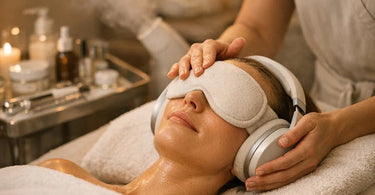
Your business needs this... a signature service that transcends the standard cleanse-extract-mask routine and transports clients into a state of profound, weightless calm. We're talking about weaving the deep relaxation principles of a sensory deprivation tank right into your facial menu. Now, before you picture installing a clunky pod in your treatment room, take a breath. The real magic—and the brilliant business opportunity—lies in adapting the concept of Restricted Environmental Stimulation Therapy (REST). Imagine offering a facial so uniquely tranquil that clients book it specifically to escape the noisy, overstimulated world. This isn't just an add-on; it's a premium experience that commands a higher price point, builds fierce loyalty, and sets your spa apart as a true sanctuary. Let's ditch the hippie stigma and embrace the science of silence. By strategically minimizing sight, sound, and touch stimuli during key moments of a facial, you can guide the nervous system into a therapeutic state of deep relaxation that enhances every product and technique you use. The result? Skin that's truly rejuvenated and clients who feel like they've floated back to their happy place.
This is about creating a cocoon of calm within the familiar framework of a facial. The core idea of sensory deprivation, or flotation-REST, is to reduce environmental input to allow the brain and body to enter a deeply restorative state. In a traditional float tank, this is achieved with darkness, silence, and weightlessness in salt water. Your mission is to translate these principles using the tools you already have and a bit of creative staging. It's less about a total deprivation of sensation (we still need to apply that amazing serum!) and more about the strategic reduction of unnecessary stimulation. Think of it as curating an environment where the only stimuli are intentional, therapeutic, and deeply soothing. This focused approach can help quiet mental chatter, reduce cortisol levels, and may even help ease muscle tension and stress-related pain, creating the perfect internal environment for skincare benefits to shine.
The "Why": More Than a Gimmick - Tangible Benefits for Skin & Spirit
Why would a client choose this over your classic hydrating facial? The appeal is powerful and multi-layered. Firstly, in our perpetually plugged-in world, an hour of sanctioned, guilt-free sensory quiet is a luxury people are actively seeking and are willing to pay for. Secondly, the relaxation benefits have a direct, positive impact on the skin. Chronic stress elevates cortisol, which can worsen conditions like acne and psoriasis. By guiding clients into a parasympathetic ("rest and digest") state, you're not just relaxing their mind; you're creating an optimal physiological condition for healing and rejuvenation. The deep relaxation can improve circulation, allowing your serums and masks to penetrate more effectively. Furthermore, the use of elements like magnesium (think Epsom salt in masks or compresses) can be incorporated for its skin-soothing and anti-inflammatory properties, mimicking one of the key components of float therapy. Clients leave with more than just brighter skin; they leave with a palpable sense of peace and mental clarity, an outcome that's far more memorable and shareable than "my pores look smaller."
Building the Sensory Sanctuary: A Step-by-Step Guide
Transforming your treatment room doesn't require a renovation budget. It requires intention and attention to detail. Here's how to build your sensory-deprivation facial from the ground up.
Step 1: The Auditory Environment - Crafting Silence & Sound
Sound is the first and easiest sense to master. Ditch the generic spa playlist with unpredictable melodies. Instead, opt for consistent, non-rhythmic soundscapes. Think pure, low-volume white noise, the soft hum of a facial steamer in the distance, or very slow, ambient drones. The goal is to mask unpredictable external noises (like a door closing in the hall) without giving the brain a tune to follow. You can even introduce a subtle, continuous tone for the first few minutes of the treatment and then fade it to complete silence. For the ultimate touch, offer clients disposable, soft wax earplugs (like those used by swimmers) after your consultation. This simple act signals the start of the "deprivation" journey and physically reduces auditory input. Remember, the pre-treatment conversation is key; advise clients to avoid caffeine for a few hours beforehand to help their nervous system settle in more easily.
Step 2: The Visual Environment - Mastering Light & Sight
Darkness is crucial. After the client is comfortably positioned on your massage table, go beyond dimming the lights. Use a blackout eye mask or pillow filled with flaxseed or buckwheat hulls. The gentle weight of the pillow provides a comforting, grounding pressure that further enhances the sense of separation from the visual world. Ensure all small LED lights from equipment are covered with tape. Your magnifying lamp should only be switched on for the specific moments you need it for extractions or analysis, and you should warn the client with a soft voice before you do. For the rest of the treatment, work by touch and memory. This not only reduces visual stimulus for the client but also heightens your own tactile skills as an esthetician.
Step 3: The Tactile & Olfactory Journey - Intentional Sensation
This is where your expertise turns deprivation into a curated experience. Instead of removing touch, you make every touch deliberate and predictable. Use long, slow, gliding effleurage strokes during massage phases. Avoid light, ticklish touches or quick, tapping movements. Keep your hands in constant, firm contact with the skin as much as possible; the moment of your hands lifting away can be a micro-stimulus. For olfaction, choose a single, calming essential oil like lavender or chamomile and use it consistently throughout in your steamer or a diffuser. Avoid complex blends that the brain wants to "decode." The warmth of the steam itself, combined with a singular scent, becomes a predictable, soothing anchor. Incorporate the element of weightlessness by using supremely comfortable spa bedding and strategic massage bolsters to perfectly support the body so it feels fully suspended and supported.
Step 4: The Treatment Protocol - Products & Tools for Deep Relaxation
Your product choices should complement the serene environment. Look for calming, nourishing lines like the Amber Products collection, known for its luxurious textures and skin-loving ingredients. Incorporate a facial massage with a product like Soothing Touch Calming Massage Gel, which contains lavender and valerian to promote relaxation. Consider adding a magnesium-rich component. A cream mask with magnesium or a cool compress made with Epsom salt water applied over the eyes can deliver the skin benefits associated with float tank therapy. Tools like a microcurrent or ultrasonic device are perfect for this treatment; their rhythmic, buzzing sensations are consistent and predictable, lulling the brain into a trance-like state. Avoid any tools with jarring or sudden noises.
The Client Journey: From Booking to Blissful Return
How you frame and manage this service is as important as the treatment itself. Market it clearly: "The Sensory Reset Facial: 75 minutes of guided deep relaxation and skincare." In the booking notes and during the brief pre-treatment chat, set expectations. Explain that you'll be using an eye pillow and they may choose earplugs to minimize distraction, and that the goal is to encourage a meditative state. Ask if they have any concerns about darkness or silence to preclude anxiety. After the treatment, the "re-entry" phase is sacred. Gently bring them back with a soft voice, offer a warm towel steamer-heated towel, and provide a glass of water. Encourage them to sit quietly for a few moments in your relaxation area. This mindful transition protects the peaceful state you've helped them achieve and makes the experience feel complete and valuable.
Elevate Your Entire Business with Sensory Innovation
Mastering the sensory-deprivation facial opens doors to elevating other services. The principles can be applied to a spa body treatment, a lash tint appointment, or even a manicure. It positions you as an innovator and a true wellness practitioner, not just a service provider. To build out this offering, ensure you have the foundational comforts: a high-quality, stable portable massage table, plush Bleachsafe Towels, and reliable, quiet equipment from brands like Silhouet-Tone or Meishida.
So, are you ready to offer an escape that's more than skin deep? By creating a "sensory deprivation" option within your standard facial, you're not just following a trend. You're answering a deep, modern need for quiet and delivering skincare results amplified by genuine peace. It's a powerful combination that clients will feel in their soul and see on their skin. Start planning your signature journey today, and get ready for your clients to thank you—with their loyalty, their referrals, and their blissfully quiet, radiant smiles.
