
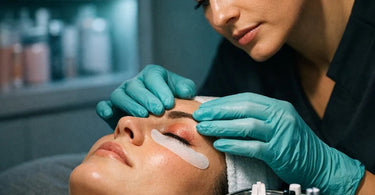
Make every effort count, especially when that effort is keeping your clients safe and your reputation spotless. Let's be honest, a lash extension appointment is supposed to end with a client floating out your door on a cloud of glamour, not calling you in a panic because their eyelids resemble tiny, angry pillows. While allergic reactions to lash adhesive are thankfully uncommon, they can and do happen—even to longtime clients. That heart-sinking moment doesn't have to spell disaster. With the right knowledge and a rock-solid plan, you can handle the situation with the calm, professional grace that turns a potential nightmare into a powerful testament to your expertise and care. Your first stop for stocking up on professional-grade, client-safe solutions should be our comprehensive Lash & Brow Service Supplies collection.
Think of this guide as your emergency protocol, your cheat sheet, and your pep talk all in one. We'll walk through exactly what to do, what to say, and how to prevent future issues, ensuring you're prepared to protect both your client's well-being and your business's good name.
Is It an Allergy or Just Irritation? Knowing the Difference is Key
Before you jump into action, it's crucial to understand what you're dealing with. Not all red, itchy eyes are created equal. The main villain in most true lash adhesive allergies is a component called cyanoacrylate, the fast-drying bonding agent that makes the glue work. An allergy is an immune system response; once the body decides it doesn't like this ingredient, it's often a lifelong commitment (the body has a good memory for these things!).
Signs of a True Allergic Reaction: These symptoms typically appear within 24 to 48 hours after application. Look for pronounced swelling of the eyelids (especially the upper lid), intense itching, redness on the skin around the eye, and a burning sensation. The reaction can be in one eye or both.
Signs of Temporary Irritation: This is often a reaction to the fumes from the adhesive during curing, especially if a client's eyes are slightly open or they have a more sensitive ocular surface. Symptoms include watery eyes, mild redness in the whites of the eyes, and a bit of stinging. The key difference? Irritation usually calms down significantly within 24-72 hours.
Why does this distinction matter? Because your response will be different. A true allergy almost always requires removal of the extensions, while irritation might be managed with aftercare and future precautions. A great tool to have on hand for sensitive clients is a Facial Steamer with a cool mist setting to help soothe the area, or you can explore gentle, calming products from our Premium Skincare for Spas and Salons.
The Step-by-Step Protocol: What to Do When a Client Calls
So, the text comes in. "My eyes are so swollen and itchy!" Here's your action plan, step by step.
Step 1: Stay Calm & Listen Empathetically. Your client is likely scared and uncomfortable. Your first job is to be a calm, reassuring professional. Thank them for reaching out to you immediately. Ask specific, gentle questions to assess the severity: "Can you describe what you're feeling?" "Is there any swelling, or is it more itchiness?" "Can you see normally?" This shows you care and helps you gauge the next steps.
Step 2: Advise Immediate (Non-Medical) Comfort Measures. You are not a doctor, and you must never give medical advice. However, you can suggest universally safe comfort measures. Advise them to apply a clean, cool compress to the area to reduce swelling and soothe itching. Tell them to absolutely avoid rubbing or scratching their eyes, as this can make inflammation worse and potentially damage their natural lashes. Recommend they take an over-the-counter oral antihistamine if they have taken one before for seasonal allergies and know it's safe for them.
Step 3: Insist on Professional Removal & Suggest Medical Consultation. For a suspected true allergy, the only solution is to remove the allergen. Immediately offer a complimentary, prompt removal appointment. "Let's get you in today/tomorrow to remove these safely and comfortably. There's no charge for this." This is non-negotiable for client safety and builds immense trust. Strongly encourage them to consult with a doctor or pharmacist for appropriate treatment, which may include antihistamine eye drops or a mild steroid cream. Having a clean, professional space for removal is essential, so ensure you're stocked with Hygienic Table Paper and Professional Cleaners & Disinfectants.
Step 4: Discuss the Future & Offer Alternatives. Once the lashes are off and the client is comfortable, have a compassionate conversation. Explain that developing an allergy to cyanoacrylate likely means they cannot have traditional lash extensions again, as re-exposure often leads to a stronger, faster reaction. But don't leave them lash-less! This is your chance to shine by offering fantastic alternatives like a Lash Lift & Perm or a Professional Lash and Brow Tint. You can also recommend high-quality growth serums or even teach them about sensitive-eye-friendly strip lashes.
Your Proactive Defense: How to Prevent Reactions Before They Start
The best way to handle a reaction is to minimize the chance of it happening in the first place. Here's your preventative playbook.
1. The Non-Negotiable Patch Test: For every new client, and for any existing client who hasn't had extensions in over 6 months, perform a patch test. Apply 3-4 lash extensions with your adhesive either behind the ear or on the inner forearm. Have the client wait 24-48 hours and report back any redness or itching. It's a small step that prevents big problems and shows you're thorough. Keep your testing tools organized with supplies from Applicators & Spatulas.
2. Master the Client Consultation. Your consultation form is a powerful tool. Dig deeper than "any allergies?" Ask about history with lash extensions, sensitivities to adhesives or tapes, current medications, and overall health. Stress, illness, and hormonal changes can weaken the immune system and make a reaction more likely. If a client mentions severe seasonal allergies, consider scheduling their fills during off-peak pollen times.
3. Optimize Your Application Technique & Environment. Your skill is your best defense. Always leave a safe 1mm space between the lash extension base and the eyelid skin to prevent adhesive contact. Use a medical-grade tape or Professional Cotton Pads designed for sensitive eyes. Ensure your room is well-ventilated—consider an air purifier to reduce airborne fumes and allergens. You can instantly cure adhesive and neutralize fumes by using a nano mister or nebulizer during application.
4. Invest in the Right Professional Products. Not all glues are created equal. Stock a "sensitive" or "low-fume" adhesive formula that contains less cyanoacrylate for clients who seem prone to irritation. Use an anti-allergy gel pad on your workstation; it captures glue fumes before they reach the client's eyes and nose. Always use fresh adhesive and never work with expired product. Find these specialized items and top brands in our Premium Lash Extensions & Supplies for Pros collection.
Building Unshakeable Client Trust Through Professionalism
Handling a crisis well doesn't just solve a problem—it builds legendary client loyalty. When you respond with speed, empathy, and a clear plan, you prove that their safety is your top priority. They'll remember that you didn't dismiss them, blame them, or panic. They'll remember that you fixed it.
Document everything in their client file: the date of the reaction, the symptoms they reported, the removal date, and the alternative services you discussed. This is good practice and protects you professionally.
Finally, equip your entire space for safety and comfort. From the Massage Tables & Chairs you use for lash services to the High-Quality Towels and Spa Essentials that create a pristine environment, every detail matters. By being prepared, you ensure that the only thing your clients ever have a reaction to is pure delight.
