
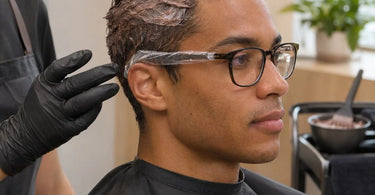
Your success is our priority... and sometimes that means protecting the tiniest details during a salon service, including those innocent-looking eyeglass arms sitting right beside a fresh application of professional hair color. A gorgeous color transformation should leave your client admiring their reflection, not wondering why their favorite glasses suddenly have a permanent espresso-colored souvenir. For clients who rely on prescription glasses, simply asking them to remove their frames for an entire processing session is not always practical. Fortunately, a few thoughtful precautions can help protect eyewear, maintain client comfort, and keep the color appointment running smoothly. Let's talk about how salon professionals can prevent unwanted stains, minimize chemical contact, and make eyeglass protection a natural part of every color service.
Eyeglass protection might seem like a small concern compared with formulation, sectioning, and processing accuracy. However, the arms of a client's glasses, also called temples, sit directly beside the hairline and ears, where coloring products can easily transfer. Protecting these areas is especially important during root retouches, gray coverage, all-over color, and other services involving product application near the temples.
Why Eyeglass Arms Are Vulnerable During Hair Coloring
Eyeglass arms are positioned in one of the busiest areas of a color service. They rest against the sides of the head, often passing directly through the hair near the temples and behind the ears. Even careful stylists can encounter accidental contact when moving sections, repositioning foils, or adjusting the client's head.
Professional hair color formulations contain ingredients designed to create lasting changes in hair color. Unfortunately, those same formulations may stain or affect certain eyewear materials and finishes if they come into contact with the frames. The risk depends on the product, the frame material, its surface coating, and how long contact continues.
Common concerns include:
- Visible staining: Dark pigments can leave discoloration on some plastic, acetate, rubberized, or porous surfaces.
- Finish changes: Certain coloring or lightening products may affect decorative coatings, painted finishes, or sensitive frame materials.
- Residue accumulation: Color product can collect near hinges, nose pads, and textured temple tips.
- Skin contact: Product trapped between the glasses and skin may contribute to irritation or unwanted staining around the ears.
- Accidental transfer: Contaminated gloves, towels, and hands may carry color onto otherwise clean eyewear.
Even a small amount of unwanted contact can create an awkward situation. A client may love the hair color and still be disappointed about their frames. Preventive protection is much easier than explaining why their designer glasses have joined the brunette club.
Start With a Quick Eyewear Conversation During Consultation
The easiest way to avoid eyewear damage is to address it before opening the color bowl. During the consultation, ask whether the client needs their glasses throughout the service.
Some clients can comfortably remove their glasses while color is applied and processed. Others need them to read, use their phone, navigate the salon, or feel comfortable in their surroundings. Never assume that removing glasses is a harmless inconvenience.
A simple question works beautifully: Would you prefer to remove your glasses during the color application, or would you like us to protect the arms so you can keep wearing them when possible?
This gives the client a choice while demonstrating professional attention to detail.
If the client removes their glasses, provide a clean, secure location for storage. Ideally, use their protective case and place it somewhere accessible without exposing it to splashes, chemical products, or wet towels. Avoid balancing eyewear on a crowded styling station where an accidental bump could turn a color appointment into an unexpected shopping trip.
Use Protective Eyeglass Temple Covers
For clients who need to wear their glasses during processing, purpose-made protective eyeglass temple covers are among the most convenient options.
These small sleeves fit over the arms of eyeglasses, creating a barrier between the frames and nearby color-treated hair. Products designed specifically for salon color services can be especially useful because they address the unusual combination of eyewear, chemicals, and client comfort.
Explore eyeglass temple covers and hair color accessories when assembling a dedicated eyewear protection kit for your salon.
When choosing temple protectors, look for features such as:
- Appropriate coverage: The sleeve should protect the areas most likely to touch color-treated hair.
- Comfortable fit: The material should not create excessive pressure behind the ears.
- Compatibility: Covers should accommodate the shape and thickness of the client's frames without damaging them.
- Secure positioning: The cover should stay in place during normal processing without slipping toward the lenses.
- Suitable material: Select barriers intended for the products and service conditions involved.
- Convenient handling: Single-use options can simplify service preparation and disposal when used according to their instructions.
A protective cover is not a license to paint right over the glasses, of course. It is an additional safeguard, not a replacement for careful application.
How to Apply Eyeglass Arm Protectors Correctly
Proper application matters just as much as choosing the right protective product. A poorly positioned sleeve can slide out of place, expose part of the frame, or make the glasses uncomfortable.
Use this straightforward salon procedure:
- Inspect the eyewear. Notice unusually wide temples, decorative elements, delicate hinges, or specialty finishes that may affect compatibility.
- Start with clean hands. Handle the glasses before touching color products, or change contaminated gloves before working with the frames.
- Ask permission. Explain what the covers do and request permission before adjusting the client's eyewear.
- Position the covers. Slide compatible protective sleeves over the temple arms, following the accessory manufacturer's instructions.
- Check the fit. Ensure the glasses sit naturally and that hinges, lenses, and the client's field of vision remain unobstructed.
- Confirm comfort. Ask whether the client feels pressure, pulling, or irritation around the ears.
- Inspect throughout processing. Make sure the covers remain correctly positioned and that color has not worked underneath them.
- Remove carefully. Once the relevant color exposure has ended, handle the covers with clean gloves or hands and remove them without dragging product across the frames.
Remember that temple covers protect only the areas they actually cover. Lenses, hinges, nose pads, and exposed frame sections still need attention.
What About Plastic Wrap, Foil, or Other Improvised Barriers?
Busy salons occasionally need creative solutions, but eyewear is one situation where improvisation deserves extra caution.
Wrapping eyeglass arms in ordinary plastic film might appear simple, yet an unsecured barrier can slip, bunch up, or allow product to leak underneath. It may also leave uncovered sections near the hinges. Unless the material is suitable for the specific color service, its protective performance should not be assumed.
Aluminum foil presents different concerns. Sharp or folded edges can be uncomfortable, and foil may not sit securely around certain temple shapes. Foil is invaluable for many highlighting techniques, but that does not automatically make it a good eyeglass accessory.
Adhesive tape should also be approached cautiously. Adhesives can leave residue or affect delicate frame coatings, and removing tape from frames near the hairline can pull or catch hair.
The professional preference: Choose eyewear barriers designed for salon use, follow their directions, and confirm that they are compatible with the client's frames. If a suitable barrier is unavailable, carefully removing and storing the glasses during the highest-risk portions of the service is generally preferable to using an untested material.
Keep Hair Color Away From the Temples Whenever Possible
Eyeglass protection begins with precise color application. The less unnecessary product that reaches the eyewear area, the lower the chance of an accidental stain.
Organized sectioning is particularly helpful during root retouches and gray coverage services, where the stylist may need to work close to the temples.
Start with well-maintained professional hair brushes and combs and appropriate hair color brushes. These tools help stylists control section placement and product distribution.
Helpful application habits include:
- Work with clean, manageable sections rather than oversized sections that require excessive manipulation.
- Maintain controlled brush loading to reduce dripping and unintended transfer.
- Move hair away from exposed eyewear components when practical.
- Keep contaminated gloves away from lenses, frame fronts, and temple hinges.
- Use appropriate clips to secure sections without creating unnecessary pressure around the glasses.
- Check the hairline periodically for product migration.
These small adjustments may also improve overall application efficiency. Fewer interruptions mean more attention stays where it belongs: on beautiful, consistent color results.
Pay Special Attention to Root Retouches and Gray Coverage
Root retouches are among the services most likely to bring color into contact with eyeglass arms. The application area often extends close to the temples, where eyewear rests against the hair.
Gray coverage services can present the same challenge, particularly when clients have resistant gray hair around the front hairline and sideburn areas.
During these appointments, consider separating the application process into manageable stages. If the client can safely remove their glasses for the detailed temple application, temporarily storing the frames may provide the clearest access and reduce exposure.
Once application is complete and the area is assessed, compatible temple covers may allow the client to wear their glasses during processing, provided doing so does not interfere with the product instructions or the service.
Stylists working with professional hair color should always follow the specific manufacturer's application, timing, and safety directions. Eyewear protection should support the service, never require changing the intended color-processing procedure.
Be Even More Careful During Lightening Services
Permanent color is not the only concern. Lightening products can create additional risks for eyewear finishes and adjacent skin if they are accidentally transferred.
When working with hair bleaches and lighteners, evaluate whether the client's glasses should be removed during application and processing. Product-specific instructions and safe application practices take priority.
Do not assume a standard sleeve offers sufficient protection against every lightener or developer. A barrier must be suitable for its intended exposure conditions, and covers should never be used to justify placing chemicals directly against eyewear or skin.
If the service involves foils or other lightening techniques near the ears, consider whether the glasses interfere with sectioning or secure foil placement. When they do, explain the issue and arrange an appropriate glasses-free portion of the appointment if the client can safely manage it.
And remember: chemical products belong on their intended treatment areas, not on lenses, hinges, or the sides of anyone's face.
Prevent Accidental Transfer From Gloves and Towels
One commonly overlooked source of eyewear staining is not the application brush at all. It is the stylist's hands.
Imagine finishing a beautiful root application, then instinctively pushing the client's glasses back into position with a glove covered in color. That quick little adjustment can undo all the careful protection that came before it.
Establish a simple rule: never touch clean eyewear with contaminated gloves.
Keep an appropriate supply of protective gloves available at each color station. Change gloves when necessary, particularly before handling personal belongings or other clean surfaces.
Likewise, maintain separate areas for clean and used salon towels. Towels that have contacted color should not be placed against eyewear or used to wipe frames.
A dedicated station setup can include clean disposable barriers, a protected glasses case location, fresh gloves, and clean towels. Keeping these supplies organized reduces the temptation to improvise midservice.
What to Do If Hair Color Gets on Eyeglass Arms
Even experienced professionals encounter occasional accidents. The important thing is to respond promptly and avoid creating additional damage.
If color contacts the frames, notify the client and stop further exposure when it is safe to do so. Follow the hair color manufacturer's directions for managing accidental contact, particularly if the product has reached the client's skin or eyes.
For the eyewear itself, do not immediately reach for acetone, nail polish remover, bleach, aggressive stain removers, or other salon solvents. These products can damage frame materials, surface finishes, and lens coatings.
Instead, review the eyewear manufacturer's care recommendations if available. Some frames can be cleaned with water and an approved gentle cleaner, while others require specialized handling.
When the material or finish is uncertain, avoid experimental cleaning. Refer the client to their optical professional for suitable care advice.
If a product enters the eye, follow its emergency instructions immediately and seek appropriate medical assistance. An eyeglass sleeve is not eye protection and must never be treated as a substitute for established chemical safety procedures.
Build a Small Eyewear Protection Kit for Every Color Station
Consistency becomes much easier when the appropriate supplies are already within reach. A dedicated eyewear protection kit can be a simple addition to your existing salon color setup.
Consider stocking:
- Salon-compatible eyeglass temple protectors in suitable sizes.
- Clean protective eyewear storage options.
- Disposable gloves appropriate for the coloring products used.
- Clean towels designated for client comfort and service preparation.
- Professional sectioning clips and precision color brushes.
- A compact container for keeping unused accessories clean and organized.
- A clearly accessible copy of relevant product safety and cleaning instructions.
Many of these supplies can be incorporated into your regular purchasing routine through professional hair salon and barber shop supplies.
For additional organizational essentials, explore must-have supplies for salon and spa business success.
Stocking small protective accessories alongside core color supplies helps eliminate those awkward moments when a stylist suddenly realizes the client's glasses are directly in the application zone.
Train Your Salon Team to Follow the Same Eyewear Protocol
Eyeglass protection should not depend on which stylist happens to be working that day. Establishing a standard procedure gives every client a more consistent experience.
During team training, review how to identify clients who need eyewear accommodations, when frames should be removed, how compatible covers are positioned, and how to prevent contamination from gloves and towels.
Practice with several frame styles, including narrow metal temples, thick plastic arms, flexible designs, and frames with decorative features. Not every protective accessory will work equally well with every design.
For salon owners and managers, a simple checklist can help:
- Ask whether the client requires glasses during the service.
- Inspect for delicate or unusually shaped frames.
- Explain the proposed eyewear protection method.
- Obtain the client's agreement before handling their glasses.
- Apply suitable protection or arrange safe storage.
- Monitor the eyewear area during processing.
- Handle the glasses with clean hands at the end of the service.
New stylists should understand that client belongings deserve the same thoughtful handling as professional equipment. A little consistency can prevent unnecessary service interruptions and difficult conversations.
Make Eyewear Protection Part of the Premium Client Experience
One of the easiest ways to make clients feel cared for is to anticipate a problem before they have to mention it.
Consider the difference between a stylist who asks a glasses-wearing client to figure things out independently and one who immediately offers a comfortable, practical protection option. The second approach communicates preparation, attention, and respect.
That experience matters in busy salons, where clients notice the details. A clean cape, organized workstation, thoughtful consultation, and careful handling of personal belongings all contribute to a polished professional service.
Eyewear protection is also an opportunity to accommodate clients who depend on their glasses. Being able to read a magazine, check messages, or simply see comfortably while color processes can make an appointment much more enjoyable.
Clients should never feel pressured to choose between protecting expensive frames and maintaining their ability to see comfortably. A professional consultation helps find an approach that respects both concerns.
Frequently Asked Questions About Protecting Glasses During Hair Color
Can clients wear glasses while their hair color processes?
In some situations, yes. If the glasses do not interfere with application or product instructions, compatible temple covers may help protect exposed arms. The decision depends on the color service, the client's needs, and the protective accessory's suitability.
Will hair dye permanently stain eyeglass frames?
Some dyes can stain certain frame materials or finishes, especially when contact is prolonged. However, staining is not inevitable, and the outcome varies with the product and eyewear material. Prevention is more dependable than attempting to remove established discoloration.
Are eyeglass temple covers reusable?
That depends on the specific product. Some covers are designed for single use, while others may have different care instructions. Follow the accessory manufacturer's requirements and applicable salon hygiene procedures. Never reuse a disposable protector.
Can a stylist use regular tape to protect eyeglass arms?
Ordinary adhesive tape is not an ideal default because it may leave residue, affect coatings, or become difficult to remove. Purpose-made barriers that are compatible with the eyewear and service are generally a more controlled option.
Should clients remove glasses during root touch-ups?
Removing glasses during detailed temple application can reduce the chance of product contact and improve access. However, the client's vision and comfort requirements must be considered. If glasses cannot be removed safely, discuss appropriate accommodations before beginning.
What is the safest way to clean hair dye from glasses?
Follow the frame and lens manufacturer's approved cleaning directions. Avoid aggressive chemicals and untested stain-removal methods. If discoloration remains or the frame material is uncertain, recommend consultation with an optical professional.
Small Protections Make a Big Difference in Professional Color Services
Learning how to protect eyeglass arms during hair color processing is about much more than preventing a stain. It is about preserving client comfort, protecting personal belongings, supporting safe application practices, and demonstrating the level of care that turns an ordinary appointment into a memorable salon experience.
Start with a quick consultation, use appropriate protective temple covers when suitable, maintain precise application techniques, and keep contaminated gloves away from eyewear. Combine those habits with an organized workstation and a consistent team protocol, and eyeglass protection becomes another effortless part of professional service.
Pure Spa Direct helps salon professionals source the supplies and accessories needed to keep their businesses running efficiently. Explore professional salon supplies, browse hair color accessories, and discover salon and barber apparel to support a clean, comfortable, well-prepared color station.
Because the perfect hair color should make clients look twice in the mirror, not look twice at their eyeglass frames!
