
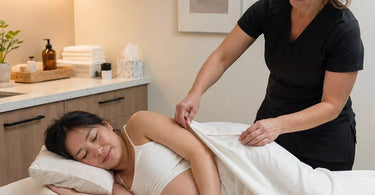
Smarter tools, easier work... but let's be honest, the real challenge in prenatal massage isn't just the side-lying position itself—it's gracefully navigating the transitions in and out of it without turning your client into a human burrito or, worse, giving them an unexpected peekaboo moment. As professionals, we know that a prenatal massage is a beautiful symphony of support and relief for an expecting mother, but the logistics of moving from one side to the other while maintaining absolute privacy can sometimes feel like a high-stakes game of sheet origami . With the right strategies, a few key tools, and a whole lot of confidence, you can turn these transitions into a seamless, comfortable, and utterly dignified experience that will have your clients singing your praises (and booking their next appointment before they even leave the table).
Let's face it, the side-lying position is fantastic for prenatal massage. It's the superhero of positions, saving the day by preventing pressure on that precious bump, major blood vessels, and sore breasts . It's the only way to comfortably access those hard-working hip and shoulder muscles in the later stages of pregnancy. But the side-lying position also presents a unique challenge: draping. Unlike prone or supine positions, where gravity helps keep the sheets in place, side-lying draping requires a bit more finesse, a touch more fabric, and a solid game plan to ensure your client feels secure, warm, and never exposed.
Why Side-Lying Draping is a Whole Different Animal
The traditional draping techniques we all learned in school are often designed for supine and prone work. But when a client is on their side, the sheets don't just naturally stay put. They want to slide, bunch up, or gape open, especially when you ask the client to turn from one side to the other . This is where the anxiety can creep in for a therapist. You're focused on providing a therapeutic, relaxing experience, but a nagging part of your brain is also thinking, “Is that sheet secure? Did I just accidentally flash a hip? Will they be comfortable turning over?”
This worry is real, but it's also a sign that you care about your client's experience—which is the first and most important step. The key is to acknowledge that side-lying draping is a skill, and like any skill, it requires preparation, practice, and the right supplies.
Setting the Stage for a Smooth Transition
The secret to a stress-free client transition lies in the setup. Think of it like setting the stage before the performance. A little extra preparation can prevent a lot of mid-massage fumbling. This is where having an arsenal of the right Massage Bolsters and bedding isn't just a luxury—it's a necessity.
1. The Right Gear for the Job: You'll need more than just a standard sheet. A full or queen-size sheet is often recommended for side-lying work to provide adequate coverage over the bolstered areas and the belly . Flannel sheets are also fantastic for this, as they grip a bit better than cotton, preventing that frustrating slide. And don't forget your High-Quality Towels—a bath towel can be a lifesaver for securing draping over the hip or back .
2. Pillow Talk is Crucial: Proper positioning with bolsters ensures your client is comfortable, which makes them less likely to move or fidget during the transition, helping to keep the drape in place. A bolster under the head and neck, one for the top arm, and a significant one for the top knee and leg are essential . This keeps their spine aligned and provides a sense of security, so they feel stable and less likely to roll.
3. The Pre-Turn Briefing: One of the most overlooked aspects of a smooth transition is communication. Before you even begin, explain to your client how the turn will happen. A simple, “On my count, I'm going to help you roll over onto your other side while I hold the sheet in place. I'll keep you well covered the whole time,” sets expectations and builds trust. They’ll know exactly what to expect, which reduces their anxiety and makes them a more active, cooperative participant in the process.
The Art of the Side-Lying Turn: A Step-by-Step Guide
Here's a breakdown of how to execute a smooth, privacy-preserving transition. Remember to practice this a few times on a friend or a mannequin until it feels like second nature.
Step 1: Prep the Landing Pad. Before your client begins to turn, prepare the table for their arrival. Place the necessary bolsters and pillows on the side they will be turning onto. Make sure they are in the exact position you'll need them to be—a properly placed Massage Bolster for the head, a pillow for the arm, and a large bolster for the top knee. This is your chance to set everything up so you can make the turn in one fluid motion.
Step 2: The 'Tent' Maneuver. When it's time to turn, stand on the side of the table opposite where the client will roll. Gently hold the top edge of the sheet and create a small “tent” to give them a little extra privacy and space . This provides a sense of security and gives you a clear path for the drape to follow as they move.
Step 3: The Assisted Roll. Place one hand on the client's superior shoulder and the other on their hip (remember, you're on the side they're turning away from). Gently guide and support them as they roll over. The key here is to maintain a firm, gentle hold on the sheet while they move, keeping it in contact with their back and the table. You're essentially using the sheet to “catch” them and maintain the drape as they turn.
Step 4: The Quick Adjust. As soon as they're on their new side, quickly and confidently tuck the sheet securely under their body and position the bolsters to support their new superior arm and leg. This is the moment to ensure they are entirely covered and comfortable. A quick, professional tuck is all it takes.
Maintaining Dignity (and Your Sanity)
Sometimes, even with the best planning, a sheet might slip. If it happens, don't panic! A simple, “Whoops, let me just get that for you,” while smoothly adjusting the drape is all it takes. Your calm, professional demeanor will immediately reassure your client. That's the beauty of having a solid plan and the right tools—you're prepared, so you can handle any little hiccup with grace.
Ultimately, managing client privacy during prenatal massage transitions is about creating an environment of trust. It's about communication, preparedness, and having a professional routine that ensures your client feels safe, secure, and cared for throughout their entire appointment. And of course, having a well-stocked treatment room with the best Professional Spa Apparel, Massage Oils, and Spa Essentials from Pure Spa Direct never hurts! Because when you have everything you need at your fingertips, you can focus on what really matters: delivering an incredible, relaxing, and deeply therapeutic experience for your expecting clients.
