
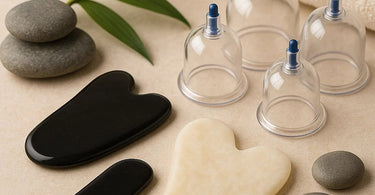
Elevate your work with the right tools... and let’s be honest, nothing makes a professional look more legit than pulling out some serious-looking equipment that actually delivers results. Today we’re diving deep into two of the most talked-about (and sometimes misunderstood) tools in the wellness world: Gua Sha and cupping. Forget the mystical claims and celebrity endorsements—we’re breaking down exactly how these tools work, why they belong in your professional toolkit, and how to explain their benefits to clients without sounding like you just returned from a yoga retreat in Bali. Whether you’re a massage therapist, esthetician, or spa owner, understanding the science behind these tools means you can offer cutting-edge treatments that keep clients coming back for more.
First things first: what exactly are we talking about? Gua Sha, which literally means “scraping sand,” involves using a smooth-edged tool to apply pressured strokes to the skin. Cupping uses suction cups to lift tissue away from the body. Both techniques have ancient roots in Traditional Chinese Medicine, but you don’t need to believe in energy meridians to appreciate their physiological benefits. The modern professional understands these as myofascial tools—meaning they work on the connective tissue (fascia) that surrounds your muscles, organs, and basically holds your entire body together. When that fascia gets tight or stuck? That’s when clients complain of everything from muscle stiffness to that “resting stressed face” look we see so often.
Gua Sha: Not Just a Pretty Stone
Let’s start with the tool that’s taken social media by storm. Your clients have probably seen influencers scraping their faces with beautiful jade or rose quartz tools, but professional Gua Sha is so much more than an Instagram trend. The real magic happens when you understand the physiology. When you apply controlled pressure and drag a Gua Sha tool across the skin, you’re creating what’s called “transient mechanical stress.” Translation: you’re giving the fascia a much-needed stretch session.
Think of fascia like the Saran Wrap of your body—when it gets bunched up, everything underneath feels constricted. Gua Sha helps release those restrictions, improving blood flow and stimulating the lymphatic system. The result? Reduced inflammation, decreased muscle tension, and that gorgeous post-facial glow clients love. For professional use, consider incorporating Gua Sha into your advanced facial treatments or as an add-on to massage services. The key is using medical-grade tools rather than the decorative versions sold to consumers—look for stainless steel or high-quality stone tools that can be properly sanitized between clients.
Cupping: Those Mysterious Circles Explained
Now let’s talk about those circular marks that made Michael Phelps the talk of the 2016 Olympics. Cupping might look dramatic, but the science is actually quite straightforward. When you place a cupping set on the skin and create suction, you’re literally lifting several layers of tissue upward. This creates space between fascial layers that have become adhered together, much like separating layers of a stuck-together sandwich.
The marks everyone talks about? They’re simply broken capillaries from the suction—completely harmless and typically fade within a few days. Think of them as evidence that you’ve actually done something substantial rather than just gently rubbed some scented oil on the skin. For massage therapists, cupping can be a game-changer for addressing chronic muscle tension without destroying your own hands in the process. The tools do the deep work while you guide them. Many professionals are now adding cupping therapy as a premium service that commands higher prices and attracts clients seeking innovative solutions to stubborn pain and tension.
The Real Science: What’s Actually Happening Under the Skin
Let’s geek out for a moment on the physiology, because understanding this is what separates professionals from hobbyists. Both Gua Sha and cupping work through several evidence-based mechanisms:
First, they create what scientists call “mechanotransduction”—fancy talk for convincing cells to change their behavior through physical pressure. This stimulation triggers the release of anti-inflammatory chemicals and promotes tissue regeneration. Second, they dramatically increase blood flow to treated areas, bringing fresh oxygen and nutrients while flushing out metabolic waste. Third, they stimulate the lymphatic system, helping reduce swelling and improve immune function.
Perhaps most importantly for your clients’ immediate satisfaction, these techniques stimulate the parasympathetic nervous system—that’s the “rest and digest” mode that counteracts stress. This is why clients often report feeling deeply relaxed after treatments, even when the techniques themselves can be quite intense. Combine these tools with your favorite massage lotions on a comfortable massage table, and you’ve got a recipe for client retention.
Practical Applications: Where These Tools Shine in Your Business
Now that we understand the how, let’s talk about the where and when. These aren’t one-trick-pony tools—they have applications across multiple service categories:
For estheticians, facial Gua Sha can be incorporated into virtually any facial treatment to enhance product penetration, reduce puffiness, and improve skin tone. The lifting and sculpting effects are immediate and noticeable—clients love seeing actual results in the mirror. For massage therapists, both Gua Sha and cupping excel at addressing stubborn muscle tension in areas like the shoulders, back, and legs. They’re particularly effective for clients with chronic pain conditions who haven’t found relief with traditional massage alone.
Sports therapists can use these tools to accelerate recovery for athletic clients, while wellness practitioners might incorporate them into detox or relaxation packages. The business beauty of these tools? They create tangible results that clients can see (in the case of facial Gua Sha) or feel (with cupping’s tension release), making it easy to justify premium pricing and build a loyal client base.
Building Your Professional Toolkit: What to Look For
Not all tools are created equal, and when you’re using them professionally, quality and hygiene are non-negotiable. For Gua Sha, look for tools made from materials that can withstand repeated sanitizing. Medical-grade stainless steel is excellent for body work, while high-quality jade or rose quartz works well for facial treatments. The edges should be smooth but precise—you want enough edge to effectively engage the tissue without causing discomfort.
For cupping, you have several options. Silicone cups are great for beginners and work well on curved areas, while glass or plastic cups with suction pumps allow for precise pressure control. Consider having multiple sizes in your professional toolkit to handle everything from facial work to large muscle groups. Don’t forget supporting supplies like sanitizing wipes and high-quality massage oils that work well with these techniques.
Technique Matters: Moving Beyond Basic Strokes
Here’s where the real artistry comes in. While the basic techniques are simple to learn, mastering these tools requires understanding anatomy and adapting your approach to each client’s unique needs. For Gua Sha, the angle of the tool, the amount of pressure, and the direction of strokes all impact the results. Generally, you’ll want to move toward the heart to support lymphatic drainage, but sometimes cross-fiber friction is exactly what tight muscles need.
With cupping, static placement is just the beginning. Try incorporating movement by applying oil to the skin and gliding the cups along muscle fibers—this creates a fantastic massage effect that feels incredible. You can also use “flash cupping” (quickly applying and releasing cups) to stimulate areas without leaving marks. The best practitioners develop their own signature moves that become talking points for clients. Pair these techniques with complementary modalities like hot stone therapy or aromatherapy to create truly memorable experiences.
Communicating Value: Talking to Clients Without the Woo
This might be the most important skill: explaining these techniques to clients in a way that sounds scientific rather than mystical. Instead of talking about “releasing stagnant energy,” try “we’re creating space in the connective tissue that’s become restricted, which improves circulation and reduces pressure on nerves.” See the difference? One sounds like magic, the other sounds like medicine.
When clients ask about the marks from cupping, explain that “the suction brings fresh blood to areas that have been oxygen-deprived, which accelerates healing” rather than talking about “releasing toxins.” For Gua Sha, focus on the measurable benefits: “This technique stimulates collagen production, reduces inflammation, and can help redefine facial contours over time.” Using evidence-based language not only builds trust with skeptical clients but also positions you as an expert rather than just another practitioner jumping on the latest trend.
Building Your Service Menu: Pricing and Packaging
These tools offer fantastic opportunities to enhance your service menu and increase your revenue. Consider offering Gua Sha or cupping as:
- Add-ons to existing services ($15-$25 extra)
- Standalone treatments ($75-$125 depending on your market)
- Part of package deals (like a “Detox and De-stress” package combining cupping with body scrubs and aromatherapy)
- Series treatments (multiple sessions for cumulative benefits)
The relatively low equipment cost means high profit margins, and the novel nature of these treatments makes them easy to market on social media. Before and after photos (with client permission, of course) are particularly effective for showing Gua Sha’s facial sculpting benefits.
Common Mistakes to Avoid
Even with the best tools, technique errors can undermine your results. Avoid these common pitfalls:
- Using too much pressure with Gua Sha (it should be firm but not painful)
- Leaving cupping stations in one place too long (start with 3-5 minutes)
- Using the wrong size cups for the area being treated
- Skipping proper sanitation between clients
- Failing to assess client contraindications (more on that next)
Remember that these are skilled techniques that require practice. Consider taking a continuing education course or practicing on colleagues before offering these services to paying clients. Your hands-on experience will build the confidence needed to deliver exceptional results.
Safety First: Contraindications and Precautions
While generally safe when performed by trained professionals, these techniques aren’t appropriate for everyone. Avoid using Gua Sha or cupping on:
- Areas with thin or compromised skin
- Clients taking blood thinners
- Areas with active inflammation or infection
- Over varicose veins or blood clots
- During pregnancy (especially on the abdomen and lower back)
- Clients with bleeding disorders
Always conduct a thorough client intake and when in doubt, err on the side of caution. Your professional judgment is what clients are paying for—don’t be afraid to modify techniques or suggest alternative treatments when appropriate.
Beyond the Basics: Advanced Applications
Once you’ve mastered the fundamentals, consider exploring advanced applications. Facial cupping is gaining popularity for addressing fine lines and improving skin tone. Combined Gua Sha and cupping sessions can create powerful full-body effects. Some practitioners are even incorporating these tools into brow and lash services to reduce puffiness and enhance results.
The most successful professionals don’t just follow trends—they innovate within their practice. Maybe you develop a signature “sculpt and sweep” facial that combines Gua Sha with your favorite professional skincare products. Or perhaps you create a “tension release” package pairing cupping with hot stone therapy. Your unique combinations become your signature in the marketplace.
Stocking Your Professional Space
Ready to incorporate these tools into your practice? Here’s what you’ll need to get started:
- A variety of Gua Sha tools in different shapes and materials
- A complete cupping set with multiple cup sizes
- High-quality massage oils or serums that allow tools to glide smoothly
- Proper sanitizing supplies from our cleaning and disinfectant collection
- Comfortable massage tables or chairs that position clients optimally
- Supporting towels and bedding to ensure client comfort
Remember that investing in quality tools from trusted brands like Theratools or Silhouet-Tone pays off in both results and durability.
The Bottom Line: Why These Tools Belong in Your Practice
At the end of the day, Gua Sha and cupping are valuable additions to any professional practice because they deliver measurable results that clients can see and feel. They address common concerns like muscle tension, inflammation, and stress in ways that hands-alone techniques sometimes can’t. They position you as an innovative practitioner who stays current with industry trends while maintaining an evidence-based approach.
Most importantly, they create “wow” moments that turn first-time clients into regulars. When someone sees their jawline look more defined after a facial Gua Sha treatment, or feels shoulder tension they’ve had for years finally release during a cupping session, they become believers. And believers become your best marketers.
So go ahead—embrace these tools with confidence, explain them with science, and watch your practice grow. Your hands (and your bottom line) will thank you.
%20Explained%20Without%20the%20Woo:%20The%20Professional's%20Guide%20to%20Evidence-Based%20Results)