
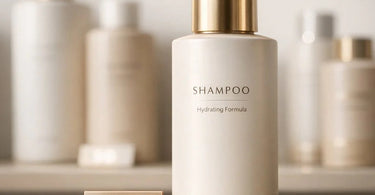
Efficiency redefined for modern professionals starts with understanding the real value of what you offer. You're not just providing a cut and blow-dry; you're managing a complex, client-focused business where every detail, from the lighting to the retail shelf, impacts your bottom line. In a market where nearly 60% of new salons can struggle within their first few years, often due to factors like poor financial planning and a failure to differentiate, mastering the art of selling premium retail products isn't just an add-on—it's a critical survival strategy. It transforms your chair from a service station into a holistic beauty destination, building client loyalty and creating a vital, recurring revenue stream that cushions you against the whims of appointment books. Today, we're cutting through the noise to tackle a question you've undoubtedly faced from a skeptical client, or perhaps even asked yourself: "Is this $40 shampoo really any better than the $10 bottle from the drugstore?" The short, professional answer is a resounding yes, but not for the reasons you might think. The real magic isn't just in the bottle; it's in the powerful business case for why you, as a pro, should confidently sell it.
The Psychology of Price: More Than Just Foam and Fragrance
Let's address the pink elephant in the shampoo bowl first. Yes, a big chunk of any premium product's price tag goes toward things like elegant packaging, sophisticated branding, and that divine fragrance that makes clients close their eyes and inhale. And guess what? That's not a bug; it's a feature. We are in the business of experience. The "lipstick effect"—where consumers treat themselves to modest luxuries even in uncertain times—is alive and well in beauty, but it's become highly selective. Clients are willing to splurge, but only on products they perceive as delivering meaningful, differentiated value. The psychology is powerful: studies show that in blinded tests, people often can't tell shampoos apart, but if they know a bottle costs $40, they automatically believe it works better. Your role is to bridge that gap between perception and tangible results, validating their investment with your expertise. When you, the trusted professional, recommend a product, you're transferring your authority to that bottle. You're not selling a cleanser; you're selling a continuation of the salon-grade results they just paid you for. It's the antidote to the generic, overwhelming world of beauty marketing where consumers are increasingly skeptical of hype and laser-focused on proven efficacy. You are their trusted filter.
Decoding the Bottle: The Formulation Facts
Okay, so the experience matters, but let's talk substance. Because you need the technical know-how to back up your recommendation. At its core, any shampoo is about 80% water and 15% detergent (surfactants) designed to clean hair and scalp. A clean scalp is no joke—it removes product buildup and environmental pollutants that can clog follicles and actually slow hair growth. So, a good shampoo is fundamental. Where professional-grade products, like the high-performance options you'll find in our shampoo collection, truly differentiate themselves is in their balanced formulation and targeted actives.
Think of it this way: a drugstore formula is designed to be a "one-size-fits-most" mild cleanser. A professional formula is a precision tool. Cosmetic chemists note that while fundamentals are similar across price points, premium formulas can integrate advanced humectants, peptides, encapsulated actives, and biotech-derived botanicals to target specific concerns like scalp health, fiber repair, or color preservation. The pH is meticulously balanced to support the scalp's acid mantle (ideal is 4.5-5.5) and smooth the hair cuticle, reducing frizz and breakage from the very first wash. For your clients with color-treated hair, this is huge. As experts point out, water exposure is the main culprit in color fade, as it opens the hair fiber. A professional shampoo uses gentler surfactants and added UV stabilizers to protect that investment, allowing clients to extend the vibrant life of their $200 color service—a compelling argument you can make at the chair.
The Salon Owner's Reality Check: Your Bottom Line
This is where we shift from chemistry to cold, hard cash. Selling retail is not a side hustle; it's a pillar of a healthy salon business. Consider this: when a client walks out with a $40 bottle of shampoo, nearly 100% of that profit stays with you. When they leave with just a service, a significant portion of that fee goes immediately to your overhead: rent, utilities, payroll, and product costs used during the service. Retail sales have a dramatically higher profit margin and represent pure, recurring revenue. It turns a one-time service client into a long-term customer who engages with your brand every time they shower.
In an industry where financial mismanagement is a top reason businesses fail, building a robust retail stream creates stability. It helps you weather slow seasons, invest in better salon furniture or professional lighting, and offer competitive compensation to retain your star stylists. It's the difference between just scraping by and truly thriving. By curating a selection of premium products, like those from renowned brands in our brands collection, you also elevate your salon's entire perception. It signals quality and expertise, which justifies your service prices and attracts a discerning clientele.
The Art of the Confident Recommendation: Your Script
Knowing the science is half the battle; communicating it is where you win the war. You don't need to be a chemist, just a confident guide. Here's how to frame the conversation:
1. Connect it to the Service: "The toner I used today is designed to work in tandem with this specific aftercare system. Using this color-safe shampoo will lock in that cool, ashy tone we achieved and prevent the brassiness you were dealing with."
2. Focus on Value Over Cost: "I know this bottle is an investment. But think of it as protecting the investment you just made in your color. Washing with a gentle, pH-correct formula will help your color look fresh for 6-8 weeks instead of 4. That means fewer frequent touch-ups, saving you time and money in the long run."
3. Simplify the Science: "Your fine hair gets weighed down easily. This volumizing formula is lightweight and has minimal conditioners, but it includes a wheat protein that temporarily plumps the hair shaft at a microscopic level for that root lift you love without any residue."
4. Offer a Sample or Starter Size: Reduce the risk for the client. Let them try a travel size or a single-use packet. Once they feel the difference in manageability, shine, or how long their style holds, they'll be back for the full size.
5. Bundle for Success: Create a "Post-Color Care Kit" or a "Frizz-Fighting Duo" (shampoo + conditioner). It simplifies the decision for the client and increases your average transaction. Use beautiful jars and bottles to create custom blends or samples.
Building a Retail Ecosystem: Beyond the Shampoo Bottle
A thriving retail business extends beyond the backbar. It's about creating a curated, shoppable environment that caters to your client's entire wellness journey. This is where your partnership with a full-service distributor like Pure Spa Direct becomes your secret weapon.
Imagine a client waiting for their nail polish to dry and browsing a display of luxurious cuticle oils and sugar scrubs. A lash client picking up a brow tint kit for at-home maintenance. A massage client purchasing the exact essential oil blend that helped them unwind. This is the ecosystem. Stock complementary products for every service you offer:
- For Skin Clients: Recommend clinical-grade skincare and tools like facial steamers for home use.
- For Waxing Clients: Sell ingrown hair treatments and soothing post-wax lotions to enhance their results and comfort.
- For Wellness Clients: Offer retail-sized massage lotions, hot stones, or dry brushes.
By diversifying your retail portfolio, you turn your salon into a one-stop wellness shop, dramatically increasing your revenue per square foot and solidifying your role as your client's primary beauty advisor.
From Retail Therapy to Business Reality
The next time you hold that $40 shampoo in your hand, see it for what it truly is: a key to greater business independence, deeper client relationships, and financial resilience. In a competitive landscape, the salons that succeed are those that master every revenue stream and provide undeniable value. Selling premium retail is not a pushy sales tactic; it's a professional service. You are using your expertise to guide clients to products that will deliver better results, protect their service investment, and elevate their daily routine. That's a reality worth selling.
Ready to build your profitable retail arsenal? Explore our vast selection of professional hair care, spa retail products, and everything else you need to grow your business. We're here to supply your success, one confident recommendation at a time.
