
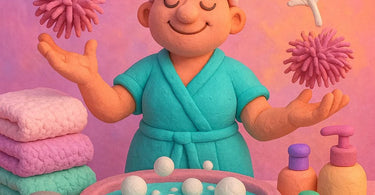
Efficiency drives success with this pick, but let’s be honest for a second. Have you ever had a client sigh so deeply during a facial that you worried they’d deflate? Or seen someone actually hug the bottle of lotion you just used? That’s not magic—it’s texture therapy at work. In a world where consumers, especially younger generations, are prioritizing wellness more than ever and conceptualizing it as a daily, personalized practice, the battle for client loyalty is won not just by what a product does, but by how it feels. Forget the boring specs for a minute. We’re talking about the secret language of touch—a language that speaks directly to the emotional brain, builds unforgettable memories, and turns one-time visitors into raving fans. It’s the reason a ‘maximalist optimizer’ client (you know, the one who researches everything) will choose your service over a competitor’s, and why a simple cream can feel like a transformative ritual. This is the unspoken edge in today’s $2 trillion wellness market, and it’s hiding in plain sight, right in the texture of your products.
Think about it. When a client reaches for a product, the first impression isn’t always visual. Before they even process the fancy label, their fingertips are making a million subconscious judgments. Is it cheap or luxurious? Is it natural or synthetic? Is it caring or clinical? This isn’t fluff; it’s neuroscience. Studies show that tactile interaction activates brain regions linked to emotion and memory more powerfully than sight alone. Essentially, the moment someone touches a product, they begin forming perceptions about its value and desirability. A sugar scrub with a gritty, authentic texture feels effective and natural. A massage cream with a velvety, “slow-melt” glide communicates unparalleled luxury and care. This is why sensory-driven brands see a staggering 40% increase in customer loyalty. It’s not just a purchase; it’s an emotional bookmark.
The Science of “Ahhh”: How Texture Talks to the Brain
So, what’s really happening when a client swoons over the feel of your Serenity Essentials oil or your Tuel Skincare serum? It’s a full-on neurological party. Experts point out that our skin, especially on the face and body, is packed with gentle touch-sensitive nerves (C-tactile afferents) that are specifically activated by pleasant, caressing-type touch at the right force and temperature. The right product texture essentially gives these nerves the perfect dance partner. Furthermore, the “sensory journey” of a product includes everything from the feel of the packaging to the “hangover” effect on the skin after use. A product that transforms—like a dense balm that melts into a silky oil or a cooling gel that tightens upon application—creates a memorable, shareable moment that clients love. This is why 63% of consumers now actively want these multisensory brand experiences. They’re not just buying a result; they’re buying a feeling.
Beyond the Jar: Texture in Every Touchpoint
Texture therapy doesn’t stop at the product in the bottle. It’s a holistic philosophy that encompasses every physical interaction in your salon or spa. It’s the crisp, cool feel of high-quality hygienic table paper against the skin, signaling cleanliness. It’s the plush, heavy weight of a Bleachsafe towel fresh from a towel steamer, enveloping a client in warmth. It’s the supportive, cushioning feel of an Earthlite massage table with a heated topper. Even your tools play a part: the smooth, cool surface of a rose quartz gua sha tool, or the gentle, consistent abrasion of a compressed sponge. When these elements harmonize, you create a cohesive sensory narrative. As testimonials from top spas reveal, it’s this attention to sensory detail—the heated bed, the constant hot towels, the great-smelling product—that makes clients declare an experience “the best of my life” and vow to return.
The Texture Toolkit: Curating Feel-Good Formulas for Every Service
Ready to become a texture therapist? Let’s break down how to apply this to your key services. The goal is to match the texture to the therapeutic intention, creating a perfect, feel-good partnership.
For the Body: The Art of the Glide. In massage, texture is everything. A product that drags or tugs breaks the flow of your work and the client’s relaxation. Seek out lotions and oils with superior glide and a non-greasy finish. Brands like Biotone and Bon Vital’ are formulated specifically for professional application. For body treatments, offer contrasts. Follow an intense salt scrub with a rich, buttery body butter. The contrast between invigorating and nurturing is a texture story clients feel instantly.
For the Face: The Symphony of Sensations. Facial skincare is a masterclass in texture sequencing. Start with a light, foaming or gelling cleanser that rinses clean. Follow with a toning mist that delivers a fine, refreshing spray. Serums should have a slippery, fast-absorbing texture that feels active. Moisturizers are where you can play: a gel-cream for oily skin provides hydration without weight, while a rich nourishing cream with a velvety finish speaks to dry, mature skin. Don’t forget the transformative power of masks—a tingling bubble mask or a satisfying peel-off mask adds a fun, sensory twist.
For Hair Removal: From “Ouch” to “Om.” Waxing has historically been a texture nightmare. Sticky, brittle, too hot—it’s a sensory assault. Modern waxing is a texture revolution. The pliable, honey-like texture of a premium Starpil hard wax adheres only to hair, not skin. The smooth, creamy application of a Lycon strip wax allows for a clean pull. The cooling, soothing gel texture of a post-wax product like ItalWax’s post-wax gel immediately calms the skin. When you master these textures, you redefine the entire service from painful to pampering.
The Business of Feel: How Texture Therapy Drives Profit
This isn’t just touchy-feely talk; it’s a solid business strategy. Engaging multiple senses doesn’t just make people happy—it makes them stay longer and spend more. Sensory marketing can increase in-store dwell time by nearly 6 minutes and boost sales by 10%. In a service context, this translates directly. A client who is luxuriating in the feel of a paraffin hand treatment or a hot stone massage is present, relaxed, and infinitely more likely to add on a retail product or rebook. Why? Because touching a product makes shoppers 50% more emotionally elevated. That emotional connection is the golden ticket to retail sales. When a client says, “I love how this cuticle oil feels,” you’re not just selling a product; you’re selling them the ability to recreate that sublime feeling at home. Texture becomes your most persuasive salesperson.
Becoming a Texture Therapist: Your Action Plan
Convinced? Here’s how to put texture therapy into practice this week:
- Audit Your Touchpoints: Go through your service from start to finish. Feel your linens, your towels, your bed coverings, your client robes. Do they feel luxurious and consistent? Upgrade where needed with brands like Boca Terry.
- Test Your Products Like a Client: With clean hands, feel every product in your lineup. Apply them to your own skin. Does the massage cream ball up? Does the facial serum pill? Does the hand sanitizer leave a sticky residue? Seek out formulations that feel impeccable from application to dry-down.
- Narrate the Sensation: During services, verbally highlight the textures. “You’ll feel this cooling gel as I apply it…” or “This mask has a warming, tingling sensation that means it’s activating circulation.” This directs the client’s attention to the positive experience, enhancing their perception of value and care.
- Build Texture-Based Rituals: Create signature service moments around texture. A final step of applying a scented sugar scrub to the hands before a manicure. A hot towel infused with aromatherapy oil after a facial. These memorable touches are what clients will recall and crave.
- Source with Intention: Partner with a distributor that understands the professional need for superior texture. Pure Spa Direct offers curated collections from brands that have mastered the feel, from the precision of Cirepil wax to the lush textures of June Jacobs skincare.
In the end, your hands are your most valuable tool, but the products you put in them are the medium. By choosing tools that don’t just work well but feel phenomenal, you elevate your craft from a service to an experience. You’re not just a technician; you’re a curator of comfort, an architect of atmosphere, and a therapist of touch. In a digital, disconnected world, the profound power of a beautiful texture is your ultimate competitive advantage. So go ahead, make them feel something. Their loyalty—and your booking calendar—will thank you for it.
.)