
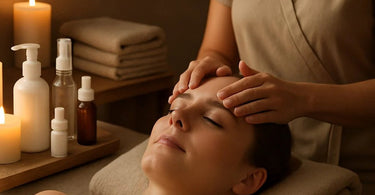
Success is built on great choices... like choosing to send a thoughtful follow-up text instead of a generic sales blast. We've all been there: a client leaves your spa looking radiant after a facial treatment, and you're tempted to immediately text them about your next promotion. But what if your follow-up felt less like a billboard and more like a thoughtful check-in from a friend who happens to be a skincare genius? The difference between "Buy more now!" and "How is your skin feeling?" is the difference between crickets and client loyalty. Mastering this art turns one-time visitors into raving fans who actually look forward to your messages.
Let's be real: most automated texts scream "I want your money!" louder than a client who just realized they left their favorite lipstick in your treatment room. But when you send a genuine, personalized check-in, you're not just building business—you're building relationships. This approach shows you care beyond the transaction, which in today's market is worth more than any discount you could offer. Plus, happy clients become walking billboards for your services, and their referrals are the holy grail of spa marketing.
Why The "How Is Your Skin Feeling?" Text Works Magic
This simple question is powerful because it focuses on the client's experience, not your pocketbook. It shows you remember their specific treatment and genuinely care about the results. Maybe they had a dermaplaning session and you're checking if their skin is enjoying that newfound smoothness. Perhaps they tried hydrodermabrasion for the first time and you want to ensure they're loving their glow. This personalized approach makes clients feel valued as people, not just revenue sources.
When clients respond positively ("My skin has never felt better!"), you've just received permission to continue the conversation naturally. You can then suggest complementary products like a sugar scrub to maintain that smoothness or recommend the perfect cuticle oil to complete their hand care routine. If they respond with concerns ("It's feeling a bit dry actually"), you've caught a potential issue early and can provide professional guidance, possibly recommending a hydrating serum from your Tuel Skincare collection or adjusting their next treatment plan.
Crafting The Perfect Non-Salesy Follow-Up
The magic formula is simple: personalization + value + timing = client devotion. Start by referencing their specific service: "Hi Sarah! It was great seeing you for your brow wax yesterday. How are your brows feeling today?" This shows you remember her specifically and care about her experience beyond the payment processing.
Time your message appropriately—24-48 hours after service is ideal. This gives clients enough time to experience the results but not so much time that they've forgotten about you. For services with longer recovery times, like certain microdermabrasion treatments, you might wait 3-4 days. Always keep your tone conversational and avoid industry jargon. Write like you're texting a friend, not drafting a corporate memo.
What to Do When Clients Respond
When clients respond positively, acknowledge their experience and gently guide them toward maintaining those results: "So glad you're loving the glow! The post-wax lotion we used helps maintain smoothness—would you like me to set aside a bottle for your next visit?" This doesn't feel pushy because it's framed as helping them preserve the results they already love.
If clients express concerns, provide immediate value: "Thanks for letting me know about the dryness. That's normal after hard wax treatments sometimes! Try applying a cool compress and avoid exfoliating for a couple days. We have amazing soothing products that can help—want to stop by for a sample?" This transforms a potential negative experience into an opportunity to demonstrate your expertise and care.
Turning Check-Ins Into Natural Opportunities
The follow-up text naturally leads to opportunities without feeling salesy. When a client raves about their facial steamer experience, you might mention: "So happy you enjoyed the steam! We actually offer mobile spa services with that same equipment for special occasions—just mentioning it in case you ever want to bring the spa experience home!"
For clients who consistently mention specific concerns across visits, your text might evolve into: "Based on what you've shared about your skin's sensitivity, I was thinking our Tuel calming line might be perfect for you. I've set aside some samples for your next visit—no obligation!" This shows you listen and remember their needs, making any subsequent product recommendations feel personalized rather than promotional.
Timing Your Messages for Maximum Impact
Beyond the initial 24-48 hour check-in, consider strategic timing for future messages. If a client mentioned an upcoming event during their service ("Getting married in six weeks!"), set a reminder to check in a week before: "Hey Jessica! So excited for your wedding next week. Want to squeeze in a quick lash tint before the big day?"
Seasonal check-ins also feel natural: "With this cold weather moving in, I was thinking about your skin! Our paraffin treatments are perfect for winter—want me to book your seasonal hand renewal?" These messages feel thoughtful rather than sales-driven because they reference previous conversations and current relevance to the client's life.
Building a System That Doesn't Feel Automated
While automation helps scale your follow-ups, personalization is key. Use client management software that allows you to insert personal details: "Hi [Client Name], hope you're loving the results from your [Service]! How is [Specific Area] feeling?" The best systems integrate with your booking software to pull these details automatically.
Train your team to make notes about client preferences and conversations that can inform these follow-ups. Did they mention struggling with ingrown hairs? Note it so your next message can reference: "Hey Maria! Last time you mentioned dealing with ingrown hairs—we just got a new ingrown hair solution that's getting amazing results. Want me to save you a bottle?" This level of personalization makes clients feel truly seen and remembered.
When to Incorporate Gentle Promotions
Once you've established a pattern of valuable, non-salesy check-ins, occasional promotions won't feel jarring. The key is framing them as exclusive opportunities for your valued clients rather than generic broadcasts: "Because you're a regular with us, I wanted to give you first access to our seasonal sugar scrub collection before we announce it publicly!"
You can also tie promotions to their specific interests: "Since you always ask about our massage oils, I thought you'd want to know about our therapist' choice special this month..." This approach makes clients feel like insiders rather than targets.
Measuring What Works
Track response rates to different types of messages. You might find that clients respond better to check-ins about lash services versus nail treatments. Notice which messages generate conversations versus purchases versus rebookings. This data helps refine your approach over time.
Pay attention to which team members get the best responses too—maybe your esthetician's texts about microcurrent treatments have higher engagement because she includes personalized tips. Share these successes across your team to elevate everyone' follow-up game.
The Ultimate Goal: Clients Who Feel Cared For
When done right, your follow-up texts become a service extension rather than a sales tactic. Clients begin to see your messages as valuable skincare advice rather than promotions. They'll actually look forward to hearing from you, knowing you have their best interests—not just your bottom line—in mind.
This approach transforms your business from a service provider to a trusted skincare partner. Clients will return more frequently, spend more per visit, and refer their friends enthusiastically. And the best part? You get to build genuine relationships while growing your business—proving that sometimes the most professional thing you can do is simply care enough to ask, "How is your skin feeling?"
