
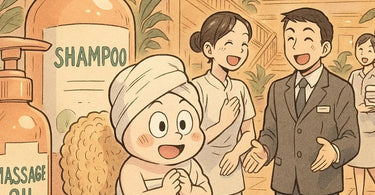
Quality transforms treatments with strategic thinking that turns local hotels into your most lucrative partners. Imagine this: while you’re expertly applying ItalWax or performing the perfect lash lift, there’s a steady stream of hotel guests being pre-sold on your services before they even unpack their suitcases. This isn’t just a nice idea—it’s a revenue-generating machine waiting to be activated. The art of the strategic hotel partnership is like having a business fairy godmother who constantly sends you perfectly primed clients while you focus on what you do best: making people look and feel amazing.
Let’s be real for a moment: finding new clients can feel like dating in your 40s—exhausting, unpredictable, and occasionally disappointing. But hotel partnerships? That’s the business equivalent of an arranged marriage with royalty. You bring the expertise, they bring the captive audience, and everyone lives happily ever after with fuller booking sheets and healthier bank accounts.
Why Your Next Business Soulmate Wears a Hotel Nametag
Hotels are basically client factories with comfortable beds and mini-bars. While you’re stocking up on massage essentials and spa supplies, they’re stocking up on guests who are actively seeking relaxation and pampering. These aren’t people you need to convince they need self-care—they’re on vacation specifically to indulge in it!
Think about the typical hotel guest: they’ve escaped their normal routine, they’re willing to spend money on experiences, and they have time to fill. This is the perfect storm for spa services. While you might struggle to get your local clients to book that 90-minute signature body treatment, hotel guests are actively looking for ways to treat themselves.
The beauty of these partnerships extends beyond immediate bookings. Every satisfied hotel guest becomes a potential regular client—either during extended stays or when they return to your city. It’s like client acquisition on steroids, but legal and much better for your skin.
The Courting Phase: How to Woo Your Local Hotel
Approaching a hotel partnership requires more finesse than showing up with a business card and a hopeful smile. This is where strategy separates the amateurs from the professionals who understand the art of the deal.
First, do your homework like you’re preparing for the most important exam of your life. Research hotels in your area that align with your brand’s vibe and price point. A luxury spa offering hydrodermabrasion treatments and microdermabrasion services might target four-star establishments, while a more accessible salon focusing on quick waxing services and manicures might approach boutique hotels.
When you approach them, lead with value, not requests. Hotels receive partnership proposals constantly—yours needs to stand out by clearly answering “what’s in it for them?” Consider creating exclusive treatment packages specifically for their guests, like a “Jet Lag Revival” facial using Tuel Skincare products or a “Business Traveler’s Rescue” that includes a quick dermaplaning session and express manicure.
Presentation matters immensely. Arrive with professional materials, samples of your top-tier products like Biotone massage lotions or Organic Fiji sugar scrubs, and a clear proposal that outlines mutual benefits. Think of it as a first date where you want to impress without seeming desperate.
Creating Irresistible Hotel-Exclusive Treatment Packages
The key to successful hotel packages is understanding the unique needs of travelers. While your regular clients might book single services, hotel guests often seek comprehensive experiences that address specific travel-related concerns.
Consider developing packages like:
“The Conference Callus” for business travelers: A foot-focused package that includes a medical-grade pedicure to address those days spent in uncomfortable shoes, combined with a shoulder-focused massage using Soothing Touch aromatherapy oils to release tension from carrying laptops and sitting in meetings.
“The Honeymoon Glow” for romantic getaways: This could include a couples hot stone massage, matching brow laminations for perfect photos, and a sunless tanning session so they look beach-ready regardless of the weather.
“The Girls’ Trip Special”: A group package that might include LED gel manicures, express lash tints, and mini-facials using Murad clinical skincare products—all designed to be social, Instagram-worthy, and completed within a similar timeframe so the group can continue their day together.
The Logistics: Making Partnerships Work Practically
Successful hotel partnerships require more than just great treatment ideas—they need operational excellence. This is where your professional equipment from Pure Spa Direct becomes your secret weapon.
If you’re providing in-room services, invest in portable massage tables that are lightweight yet sturdy, like those from Earthlite or Oakworks. Create mobile kits with professional disinfectants, hygienic table paper, and protective gloves that maintain your standards while working off-site.
For hotel guests coming to your location, ensure you have ample reception furniture to accommodate potential wait times and lockers for their personal items. Little touches like offering heated towels from a thermaBliss towel warmer can elevate the experience from “nice” to “unforgettable.”
Scheduling requires particular attention. Hotels often need last-minute appointments for guests with changing plans, so maintaining some flexibility in your book is essential. Consider using specific software or designating certain time slots as “hotel partner priority” periods.
Marketing Your Partnership for Maximum Impact
A partnership that nobody knows about is like a fantastic facial steamer that never gets plugged in—potentially powerful but completely useless in practice.
Work with your hotel partners to cross-promote through multiple channels:
In-room materials: Create beautiful brochures or tent cards that feature your services. These should be visually appealing and placed where guests will naturally encounter them—on nightstands, in bathroom amenity baskets, or with the hotel’s other service guides.
Digital collaboration: Ensure you’re featured on the hotel’s website, in their booking confirmation emails, and on their social media channels. In return, feature the partnership on your own platforms, perhaps offering a special rate for clients who mention they found you through the hotel.
Staff training: This is arguably the most important element. Hotel staff—from concierge to front desk agents—should be thoroughly educated about your services so they can confidently recommend them. Consider hosting an “education day” where hotel staff visit your facility for mini-treatments and training sessions.
Navigating the Financials: Commission Structures That Work
Let’s talk about the part everyone thinks about but rarely discusses openly: money. The financial arrangement with your hotel partner needs to be fair, sustainable, and clearly documented.
Common structures include:
Commission-based: The hotel receives a percentage (typically 15-25%) of every treatment booked through their referral. This aligns incentives—they make money when you make money.
Fixed fee: The hotel pays a set monthly or annual fee to have you as their preferred provider. This provides predictable income for you but requires the hotel to believe strongly in your value.
Hybrid models: A smaller fixed fee plus a reduced commission rate can sometimes satisfy both parties’ needs for stability and performance-based compensation.
Regardless of the structure, ensure you have a clear system for tracking referrals. This might involve specific booking codes, dedicated phone lines, or digital tracking links. Mystery, when it comes to money, is only romantic in novels—in business partnerships, it’s a recipe for disaster.
Troubleshooting Common Partnership Challenges
Like any relationship, hotel partnerships will face challenges. Anticipating these and having solutions ready demonstrates professionalism and commitment to the partnership.
Communication gaps: Establish regular check-in meetings (monthly or quarterly) to discuss what’s working and what isn’t. These shouldn’t be complaint sessions but strategic conversations about how to increase referrals and improve the guest experience.
Quality control: Occasionally, a hotel guest might have different expectations than your regular clients. Maintain your standards while being understanding of the unique pressures of travel. A well-stocked inventory of post-waxing products and cuticle oils for touch-ups can turn a potentially negative experience into a positive one.
Competition: What happens if the hotel considers partnering with another provider? The best defense is exceptional performance. Consistently deliver outstanding service, be responsive to their needs, and regularly introduce new treatments or packages to keep the offering fresh and exciting.
Beyond the Basics: Advanced Partnership Strategies
Once you’ve established a successful partnership, consider how to deepen the relationship for even greater returns.
Co-branded products: Work with the hotel to create exclusive products, like a signature massage oil blend or a hotel-themed nail polish color from OPI or Essie.
Event collaborations: Host special events at the hotel, such as “Wellness Weekends” featuring pop-up spa services, educational workshops using Wood’s Lamp skin analysis, or group fitness classes followed by recovery treatments.
Loyalty program integration: Work with the hotel to include your services in their guest loyalty programs, creating another touchpoint and incentive for bookings.
Your Action Plan for Partnership Success
Ready to transform your business through hotel partnerships? Start with these concrete steps:
1. Research 3-5 local hotels that align with your brand and service offerings
2. Develop 2-3 exclusive treatment packages specifically for hotel guests
3. Create a professional partnership proposal outlining mutual benefits
4. Ensure your facility and team are prepared for increased volume with adequate salon and spa supplies and quality equipment
5. Schedule your first meeting with your top-choice hotel
Remember, the most successful spa and salon owners aren’t just technicians—they’re strategic businesspeople who understand that growth often comes from unexpected partnerships. Your next big revenue stream might be just down the street, waiting for someone to check in.
