
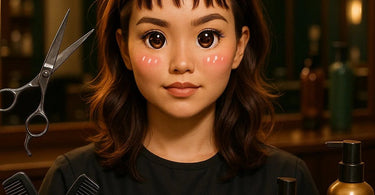
Top products pros can’t live without... especially when facing one of the most challenging transitions in the hair world: the dreaded bang grow-out phase. We’ve all seen that client walk in with that familiar look of desperation—the “I can’t do this anymore” expression as their bangs hover somewhere between eyebrow and cheekbone, refusing to cooperate with any known styling method. This awkward phase survival guide isn’t just about helping clients through the struggle; it’s about turning their hair frustration into your service opportunity and product sales bonanza.
When bangs enter that rebellious teenage phase of growth, they become the divas of the hair world—demanding attention, refusing to behave, and making everyone around them slightly miserable. But here’s the secret: this awkward period represents a golden opportunity for stylists to showcase their creative problem-solving skills while introducing clients to products and services they never knew they needed.
The Three Stages of Bang Grief (And How to Profit From Each)
Every client growing out their bangs goes through three distinct phases, and understanding these stages is crucial for providing the right solutions at the right time. First comes the “What was I thinking?” phase around week 4-6, where bangs are too long to be bangs but too short to blend. Next is the “I look like a sheepdog” phase around weeks 7-10, where hair starts covering eyes and clients develop a permanent head tilt. Finally, there’s the “almost there but not quite” phase from weeks 11-16, where hope emerges but frustration remains.
Each stage requires different tools, techniques, and products—meaning you have multiple opportunities to provide value and generate revenue throughout the entire grow-out journey.
Strategic Cutting: The Art of Making Awkward Look Intentional
While the goal is growing out, strategic cutting becomes more important than ever. This isn’t about removing length but reshaping what exists into something stylish. Texturizing shears become your best friend here—thinning out bulk without sacrificing length helps bangs blend more naturally. Creating soft layers around the face allows the growing bangs to transition smoothly into the rest of the style.
Consider introducing clients to the “curtain bang” transition, where you gradually shift their blunt bangs into face-framing layers. This style has the dual benefit of looking intentionally stylish while allowing continued growth. The key is frequent but minimal trims—just enough to maintain shape without slowing progress. This approach keeps clients returning every 4-6 weeks rather than disappearing for months during the grow-out process.
Styling Products: Your Secret Weapons Against Bang Rebellion
This is where your product knowledge and retail opportunities truly shine. The right styling products can mean the difference between a client giving up and pushing through to hair victory. Strong-hold styling products like premium hairsprays and texture sprays become essential for training stubborn hairs to stay in place. A good texturizing spray can add grip and control without stiffness, making bangs easier to manipulate into stylish shapes.
Heat protectant products are crucial during this phase, as clients will likely be using hot tools more frequently to manage their growing bangs. A quality thermal protectant spray not only prevents damage but often provides styling benefits that make daily management easier. Don’t forget about root-lifting products—when bangs start losing their shape, a boost at the roots can provide the lift needed to redirect hair away from the eyes.
Hot Tools: The Cavalry Arrives
When bangs misbehave, professional hot tools become your cavalry riding to the rescue. A good curling iron or wand can transform awkward-length bangs into face-framing curls or waves that look intentional rather than accidental. The 1-inch barrel is particularly versatile for this purpose—large enough to create soft bends rather than tight curls that might emphasize the awkward length.
Flat irons take on new importance during the grow-out phase, not just for straightening but for creating directional movement. Teaching clients to use their flat iron to create a “bend and tuck” effect—curving the ends under or over to blend with longer layers—can be a game-changer. And let’s not underestimate the power of a good professional blow dryer with a concentrator nozzle for directing hair exactly where you want it to go.
Creative Parting: The Illusionist’s Approach
Sometimes the solution isn’t in cutting or styling but in simple redirection. Teaching clients alternative parting techniques can make growing bangs suddenly look fashionable rather than frustrating. The deep side part creates an immediate “model-off-duty” vibe while keeping hair away from the face. The center part with face-framing pieces offers a modern, balanced look that makes growing bangs appear intentional.
For clients with particularly stubborn bangs, introducing them to the “push-back” technique—using a round brush to direct bangs backward while blow-drying—can create volume and movement that disguises the awkward length. This technique often requires additional product support, creating another retail opportunity for volumizing mousses or root-lifting sprays.
Accessory Intervention: When All Else Fails, Decorate
Hair accessories have made a massive comeback, and for clients growing out bangs, they’re not just fashionable—they’re functional lifesavers. Headbands have evolved far beyond the basic plastic versions of yesteryear. From fabric wrap-arounds to statement designer pieces, the right headband can instantly solve bang problems while elevating the entire look.
Clips and pins offer another stylish solution. The key is teaching clients how to use them strategically—creating small twists or sections secured with decorative pins rather than simply pinning bangs straight back. This approach looks intentional and fashionable rather than desperate. For salons that carry accessory lines, the bang grow-out phase represents a perfect opportunity to introduce clients to these problem-solving products.
Professional Services That Support the Journey
While clients are growing out their bangs, other salon services can provide support and maintain client satisfaction during the challenging transition. Regular spa facial treatments keep skin looking fabulous, shifting focus from hair frustrations to glowing complexion. brow shaping and tinting services become particularly valuable when bangs are no longer framing the eyes as they once did.
For clients really struggling with the process, suggesting a color service can provide a distracting transformation that makes the length less noticeable. Balayage or face-framing highlights draw attention to the growing-out layers in a positive way, making the process feel more like a style evolution than a hair emergency.
The Psychology of Support: Keeping Clients Committed
Perhaps the most valuable service you can provide during the bang grow-out process is emotional support and encouragement. Clients in the middle of the awkward phase need reassurance that there’s light at the end of the tunnel. Share success stories of other clients who’ve made it through to the other side. Take progress photos to show them how far they’ve come rather than how far they have to go.
Create a sense of excitement about the final result—describe the versatile styling options they’ll have once their bangs are fully grown out. Position yourself as their guide and cheerleader through the process, and you’ll not only help them achieve their hair goals but build client loyalty that lasts long after the bangs have grown out.
Turning Bang Frustration into Business Opportunity
The awkward bang phase doesn’t have to mean awkward salon revenue. By positioning your salon as the expert guide through this challenging transition, you create multiple touchpoints for service and retail. From strategic mini-trims to product recommendations that solve specific problems, every step of the grow-out journey represents an opportunity to demonstrate value and generate revenue.
Stock your shelves with the must-have tools and products that make the process manageable. Train your team in the techniques that transform awkward stages into stylish moments. Most importantly, approach each bang-growing client with creativity and empathy—because helping someone through their hair struggles isn’t just good business, it’s what builds the legendary client relationships that keep your books full for years to come.
Remember: every client struggling with growing bangs is actually presenting you with an opportunity to showcase your expertise, build trust, and create a loyal client who will turn to you for all their future hair dilemmas. The awkward phase doesn’t have to be awkward for your business—it can be the beginning of your most profitable client relationships yet.
