
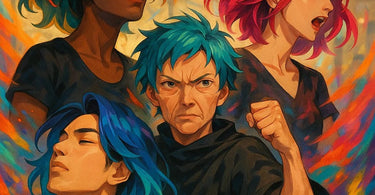
Turn challenges into opportunities... especially when they walk through your salon doors requesting "something completely different" after a major life event. That client sitting in your chair isn't just asking for a color change—they're seeking transformation, renewal, and a visual representation of their internal metamorphosis. As beauty professionals, we witness these emotional journeys daily: the post-divorce blonde transformation, the post-promotion bold red statement, the grief-induced pixie cut, or the post-breakup vibrant hair color that screams "I'm ready to move on!" Understanding the psychology behind these decisions isn't just fascinating—it's essential for providing services that truly resonate with clients during vulnerable moments.
The connection between hair and identity runs deep through human history. From ancient civilizations to modern society, our relationship with our hair transcends mere aesthetics—it's intertwined with our sense of self and how we present ourselves to the world. When clients make drastic color changes following life events, they're participating in a ritual as old as civilization itself, using their hair as a canvas for personal expression and transformation. Your role in this process is nothing short of magical—you're not just applying color; you're helping to facilitate personal rebirth.
Research suggests that over 68% of women consider changing their hair following significant life events, with color changes being the most requested transformation. This isn't coincidence—it's human nature. Hair represents our history (literally, as it grows from our bodies), our choices, and our identity. Changing it represents control, renewal, and the courage to embrace something new. As one client famously told her stylist after leaving a ten-year relationship: "I need the outside to match how different I feel on the inside."
The Psychology Behind the Transformation
Why do humans turn to hair color during times of change? The answer lies in the powerful symbolism hair holds across cultures. Hair has been associated with femininity, masculinity, social status, religious beliefs, and even rebellion throughout history. It serves as a visible, changeable aspect of our identity that we can control when other aspects of life feel uncertain. After major events—both positive and negative—clients seek to reclaim agency over their narratives, and hair color provides a immediate, visible way to do so.
The emotional journey begins before clients even enter your salon. It involves introspection, self-reflection, and a deep exploration of their inner landscape. Questions arise: Who am I now? How do I want to be perceived? What does this change mean to me? These contemplations make the act of color change more than just a physical transformation—it becomes a profound emotional experience. As the weight of the old color processes away, so too can emotional baggage and self-imposed limitations fall away.
Color psychology plays a significant role in these transformations. Different colors evoke different emotional responses: blonde for a fresh start, red for reclaimed passion, brunette for grounding, fantasy colors for breaking free from convention. Understanding these psychological associations helps you guide clients toward choices that align with their emotional goals. A vibrant red might signal confidence after a promotion, while soft balayage might represent blending the old self with the new after becoming a parent.
Common Life Events That Trigger Color Changes
While any significant life change can inspire a color transformation, several patterns emerge consistently in salons:
Breakups and Divorces: Perhaps the most classic trigger for dramatic hair changes. Post-relationship clients often seek radical transformations as a visual declaration of independence and renewal. One woman recounted her post-breakup transformation: "I went from mousy brown to platinum blonde—it was my way of reclaiming myself after losing myself in that relationship." These clients often benefit from complementary services like rejuvenating spa treatments to complete their renewal journey.
Career Transitions: Promotions, career changes, or even retirements often inspire color updates that reflect a new professional identity. Corporate clients moving into creative fields might experiment with subtle fashion shades, while entrepreneurs might opt for bold statements that reflect their newfound independence.
Milestone Birthdays: Turning 30, 40, 50, or beyond often triggers existential evaluation that manifests in hair color. Clients may seek to counteract aging perceptions with brighter tones or embrace wisdom with sophisticated silver.
Pregnancy and Parenthood: The transition to motherhood often inspires changes ranging from low-maintenance colors to vibrant expressions of identity beyond "mom." Postpartum clients particularly appreciate the self-care aspect of salon visits alongside their color services.
Grief and Loss: Following the loss of loved ones, clients often change their hair as part of the rebuilding process. One client shared: "After my mother passed, I went red because she always loved me in red—it was my way of keeping her spirit with me."
Personal Achievements: Graduations, weight loss milestones, completing therapy, or overcoming illnesses often inspire celebratory color changes that mark personal victories.
The Salon Professional's Role in Emotional Transformations
When clients arrive seeking emotional color changes, your role expands beyond technical expertise to include emotional intelligence and psychological support. These consultations require sensitivity, active listening, and sometimes gentle guidance toward choices that will support rather than undermine their emotional state. The consultation process becomes therapeutic in itself—an opportunity for clients to articulate their hopes for transformation.
Successful emotional color consultations should include:
1. Empathic questioning: "What feelings would you like your new color to evoke?" rather than just "What color would you like?"
2. Realistic expectations: Ensuring clients understand the maintenance requirements and potential limitations of their desired change, especially when they're in vulnerable states.
3. Complementary services: Suggesting additional treatments like deep conditioning treatments or scalp massages that enhance the therapeutic experience.
4. Aftercare guidance: Providing take-home products like color-protecting shampoos and nourishing masks that help maintain both the color and the positive feelings associated with it.
Remember that clients making emotional changes may be more sensitive to results. Extra reassurance during the process and thorough education about the gradual nature of some transformations can prevent post-service anxiety. The goal is to ensure clients leave feeling not just visually transformed but emotionally uplifted.
Capitalizing on the Emotional Haircut Trend
The emotional haircut and color trend presents significant opportunities for salon business growth. Consider developing specialized service packages that cater specifically to clients seeking transformational experiences:
"Fresh Start" Packages: Combine color services with complementary treatments like facial treatments, mani-pedis, or aromatherapy to create comprehensive renewal experiences.
Consultation Specialties: Train staff in empathetic consultation techniques specifically for clients undergoing life transitions. This specialized approach can become a unique selling proposition for your salon.
Retail Integration: Develop product bundles that support both the technical and emotional aspects of transformation, including at-home care products and perhaps even complementary items like journaling books or self-care guides.
Marketing Approach: Develop tasteful marketing that acknowledges the emotional component of hair transformation without being exploitative. Testimonials from clients who found empowerment through color changes can be powerful when shared with permission.
Staff Training: Invest in training that helps your team recognize and appropriately respond to clients experiencing significant life events. Role-playing different scenarios can prepare staff for sensitive consultations.
Technical Considerations for Emotional Color Changes
While understanding the psychology behind emotional color changes is crucial, technical excellence remains foundational. Drastic color changes often require special considerations:
Integrity Assessment: Carefully evaluate hair condition before undertaking dramatic changes, especially when clients may have neglected proper hair care during stressful periods. Recommend strengthening treatments beforehand if needed.
Realistic Timelines: Some transformations may need to occur gradually over multiple sessions to maintain hair health. Clearly communicate this to emotionally vulnerable clients to manage expectations.
Color Correction Preparedness: Clients making emotional decisions may have attempted DIY color changes that need correction. Ensure your team has advanced color correction skills and products.
Maintenance Planning: Help clients create sustainable maintenance plans that won't become additional stressors. This might include recommending root touch-up products or structuring follow-up appointments at appropriate intervals.
Always document formulas and processes thoroughly, as clients may struggle to recall details during emotionally charged periods. Detailed records also help maintain consistency if different stylists within your salon provide follow-up services.
Creating a Supportive Salon Environment
The physical environment of your salon significantly impacts clients undergoing emotional transformations. Consider these elements:
Privacy Options: For clients who may become emotional during services, offer semi-private or private styling areas. This simple accommodation can make vulnerable clients feel much more comfortable.
Comfort Items: Stock consultation areas with tissues, water, and perhaps even stress-relief items like essential oil diffusers or weighted lap pads for anxiety.
Staff Training: Ensure all team members understand how to respond empathetically to emotional displays without making clients feel uncomfortable or self-conscious.
Follow-up Protocols: Develop gentle follow-up procedures for clients who've undergone significant transformations. A simple message checking in on their satisfaction with both the color and their adjustment to it can significantly enhance client loyalty.
Remember that for many clients, the salon serves as a safe space for processing life changes. Your ability to provide not just technical expertise but emotional support during these transitions can transform one-time clients into lifelong advocates.
Beyond the Color: Complementary Services
Emotional transformations often extend beyond hair color. Develop partnerships with other wellness practitioners or expand your service menu to include complementary offerings:
Scalp Treatments: Soothing scalp treatments can enhance the therapeutic aspect of hair services while improving hair health.
Hand and Foot Care: Adding mani or pedicure services creates a more comprehensive renewal experience.
Facial Services: Facial treatments complement hair transformations by addressing skincare concerns and enhancing overall rejuvenation.
Wellness Integrations: Consider partnerships with massage therapists, acupuncturists, or nutritionists who can support clients' overall transformation journeys.
By viewing emotional color changes as entry points to broader wellness services, you can significantly increase client value while supporting their holistic transformation needs.
Ethical Considerations and Boundaries
While supporting clients through emotional transformations, maintain appropriate professional boundaries:
Listening vs. Counseling: Be empathetic without crossing into unlicensed therapy. Know when to recommend professional mental health support.
Documentation: Keep thorough notes of consultations, especially when clients disclose sensitive personal information.
Confidentiality: Ensure all staff understand the importance of maintaining client privacy, especially regarding personal disclosures.
Team Support: Emotional work can impact your staff. Implement regular check-ins and consider providing access to resources that help them process the emotional aspects of their work. When handled with care and professionalism, supporting clients through emotional color transformations can be incredibly rewarding for both clients and salon professionals. You're not just changing hair—you're participating in meaningful life moments and helping clients visualise their inner strength and resilience. The next time a client sits in your chair and says, "I need a change," listen closely—you might be about to facilitate not just a color transformation, but a personal revolution. And that's perhaps the most valuable service any salon can offer.
