
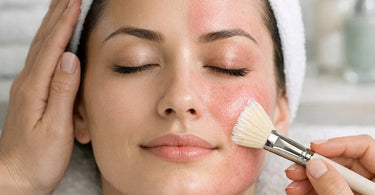
The right tools make all the difference... and sometimes, that includes the right words. Picture this: a loyal client returns to your spa, ready for their second advanced facial treatment or to continue their new at-home regimen with a potent serum you recommended. Instead of glowing skin, they're sporting a fresh crop of blemishes or some flaky patches. "Your product broke me out!" they declare, panic setting in. Before they vow to never let anything stronger than aloe vera touch their face again, you have a golden opportunity. This moment isn't a setback; it's a critical point of trust and education. Your expertise in navigating the murky waters between a beneficial "purge" and a problematic reaction can transform a worried client into a lifelong advocate for your professional guidance and the high-quality products you carry.
This confusion is one of the most common and frustrating experiences in skincare, for both clients and professionals. A client's distress over new breakouts can quickly lead to discontinued treatments, negative reviews, and lost faith in their skincare journey. As a pro, your ability to calmly assess, accurately diagnose, and clearly explain the situation is what separates a routine service from an exceptional client partnership. Let's demystify this process so you can guide your clients with confidence and turn their panic into progress.
Purging vs. Reaction: The Ultimate Showdown
Think of your skin as a busy, multi-layered city. Purging is like a scheduled, deep-cleaning subway repair that temporarily brings old dirt and debris to the surface. A bad reaction, on the other hand, is like an unplanned protest or riot—it's an inflammatory response to something the skin sees as a threat. Fundamentally, purging is a process of acceleration, while a reaction is a process of irritation or allergy.
Here's the science in simple terms: Purging occurs when active ingredients like retinoids or exfoliating acids (AHA/BHA solutions being prime examples) increase the skin's cell turnover rate. This speeds up the skin's natural cycle, pushing pre-existing microcomedones (the tiny, invisible beginnings of clogs) to the surface much faster than usual. It's not creating new problems; it's fast-tracking old, lurking ones to their conclusion. Common culprits that trigger purging include retinoids (like retinol or prescription tretinoin), chemical exfoliants (glycolic, salicylic, and mandelic acids), and treatments that induce peeling, such as certain microdermabrasion or chemical peel protocols.
A bad reaction, or irritant contact dermatitis, is your skin's immune system waving a red flag. It's an inflammatory response to an ingredient or formula that the skin doesn't agree with. This isn't about speeding up a natural process; it's about causing new damage or irritation to healthy skin. Reactions can be triggered by a vast array of ingredients, including fragrances, certain preservatives, essential oils, or even an overly high concentration of an active that the skin barrier can't handle.
The Detective's Checklist: Spotting the Difference
You don't need a magnifying glass, just a keen eye and these key questions. Walk through this checklist with your client during a follow-up consultation or skin analysis.
1. Location, Location, Location:This is the #1 clue. Purging happens exclusively in areas where the client typically experiences breakouts or congestion. If they always get pimples on their chin and temples, that's exactly where purging will appear. A bad reaction can pop up anywhere, including places they never break out, like the cheeks, hairline, or neck. New redness or itching in an unusual spot is a major red flag.
2. The Timeline Tells All:Purging has a strict schedule. It typically begins within the first 2-6 weeks of starting a new active product or treatment and should not last longer than one full skin cycle (about 4-6 weeks). If "breakouts" start after two months of using a product, it's almost certainly not a purge. A bad reaction can occur immediately upon first use, or it can be a delayed response that builds up over time with continued use.
3. What Does the "Blemish" Look Like?Purging often brings a familiar cast of characters: blackheads, whiteheads, small papules, and pustules. It's the client's usual acne, just more frequent for a short while. A reaction often presents differently: it can cause uniform red patches, small rash-like bumps, intense itching, burning, stinging, swelling, or hive-like welts. Dry, scaly, cracked skin that feels tight and uncomfortable is also a classic sign of irritation, not purging.
4. The Disappearance Act:Here's a surprising silver lining of purging: purge pimples tend to heal and disappear faster than a typical, deep-seated breakout. They come to a head quickly and resolve. Reaction-based inflammation, however, can linger stubbornly and may even worsen with continued product use until the irritant is removed.
Your Professional Protocol: What to Do & What to Say
When a client comes to you worried, your response is everything. Follow this protocol to manage the situation expertly.
Step 1: The Calm Consultation. Listen without interruption. Let them vent their frustration. Then, pull out your visual aids (before-and-after photos of purging phases are great) and use the checklist above to ask diagnostic questions. "Show me exactly where this is happening. Is this an area you normally struggle with? When did you first notice it? Does it itch or burn, or is it just the look of the pimples?"
Step 2: Deliver the Diagnosis & The Plan.- If it's Purging: Explain it positively. "This is actually a sign the product is working deeply. It's bringing underlying congestion to the surface so we can clear it out for good. It's temporary, and we're on the right track." DO NOT let them pick or over-treat the area. Advise a gentle, supportive routine: a mild cleanser, a soothing moisturizer with ceramides or glycerin, and absolutely non-negotiable sunscreen. You can recommend calming in-salon treatments like a gentle HydraFacial to help clear congestion without aggression. Encourage them to stick with the product but consider "easing in"—using it every other night or twice a week to start. Pure Spa Direct carries a range of gentle cleansers and moisturizers perfect for this phase.- If it's a Reaction: Act decisively. "Your skin is telling us this formula isn't a good match right now. We need to stop using it immediately." Instruct them to rinse the area with cool water. Recommend a "skin fast"—using only the most basic, fragrance-free, reparative products for a week to reset the barrier. A cold compress can help with immediate itch or heat. If symptoms are severe (swelling, difficulty breathing), advise them to seek medical attention immediately.
Step 3: Fortify and Follow Up. Regardless of the diagnosis, this is a trust-building moment. For purging clients, schedule a quick check-in call in 3 weeks. For reacting clients, help them find an alternative. Maybe they need a lower-concentration retinoid from a line like Tuel Skincare, or a fragrance-free option from Murad. Your proactive care turns a problem into proof of your value.
Preventing the Panic: Proactive Client Education
The best way to handle purging panic is to stop it before it starts. Make education a standard part of your service for any treatment or product that could cause purging.
- During the Consultation: "Because this serum increases cell turnover, you might see some increased congestion in your typical breakout areas for the first few weeks. This is a normal, temporary purging process, and here's what we'll do to manage it..."- Use Handouts: Create a simple one-page FAQ on purging vs. reaction for clients to take home.- Set the Routine: Never send a client home with a powerful active without pairing it with a barrier-repair moisturizer and a calming cleanser. Selling these as a system is both good business and essential care.- Leverage Your Tools: Use devices like a Wood's Lamp during the initial skin analysis to show clients the underlying congestion you're targeting, so they understand the "before" state.
Stock Your Arsenal: Must-Have Products for the Journey
Being prepared means having the right products on your shelf to support clients through every phase. Here are some essentials to consider from the Pure Spa Direct catalog:
- For the Purge Phase: Soothing, non-comedogenic moisturizers (Biotone has great options), ultra-gentle cream cleansers, and hydrating mists. Post-wax soothing gels can sometimes double as calming facial gels for irritated skin (check ingredients first!).- For Barrier Repair: Creams and serums rich in ceramides, fatty acids, and niacinamide. Look to clinical brands like Ayur-Medic for sophisticated repair complexes.- Gentle Actives: Offer gradual-entry options like encapsulated retinol, mandelic acid, or PHAs for sensitive clients. Brands like June Jacobs and Organic Fiji provide beautiful, naturally-derived alternatives.- Treatment Support: LED light therapy units (blue and red light combos) are excellent in-salon tools to manage acne and inflammation during a purge.
Remember, in the world of professional skincare, knowledge is your most powerful tool—even more than that amazing high-frequency machine. By mastering the difference between purging and a reaction, you do more than just sell products or perform services. You become a trusted guide, a reliable source of truth in a confusing industry, and the reason your clients achieve the clear, healthy skin they're dreaming of. Now go forth and turn those panicked faces into peaceful, patient, and profoundly grateful ones.
