
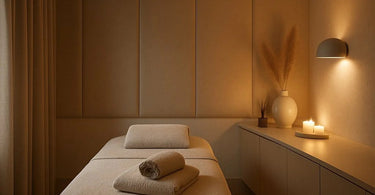
Quality wins every time... especially when it comes to creating spa experiences that don't make clients feel like they're being interrogated under a spotlight while someone scrapes their face with sandpaper. Let's be real: traditional facials can be sensory overload for many clients, and until recently, we've been asking them to just "power through." But what if we told you that adjusting lights, sound, and touch could not only make your services more inclusive but also unlock a massive, underserved market? The sensory-friendly facial isn't just a trend—it's your new secret weapon for attracting clients who've been too nervous to book. Think about it: the client with autism who finds bright lights painful, the migraine sufferer who can't tolerate strong scents, the person with fibromyalgia who needs feather-light touch. They all want glowing skin—they just need a different path to get there.
Creating this service isn't about completely reinventing your facial protocol—it's about thoughtful adjustments that make all the difference. It's the spa equivalent of remembering someone's coffee order exactly how they like it. That level of personal attention builds the kind of client loyalty that turns occasional visitors into weekly regulars. Plus, let's be honest—sometimes even we beauty professionals need a break from the "spa standard" of blaring relaxation music and fluorescent lighting that makes everyone look slightly deceased.
Let There Be (The Right) Light
Lighting sets the entire mood of your treatment room, and for sensitive clients, it can mean the difference between relaxation and panic. Harsh overhead lighting is basically the villain in our sensory-friendly story—it's intense, unflattering, and makes people feel exposed. Instead, think about creating layers of light that you can adjust throughout the service.
Start with dimmable overhead lights or remove the center bulbs to reduce intensity. Add adjustable LED lamps with multiple brightness settings for when you need to see what you're doing during extractions or detailed work. Table lamps with warm-toned bulbs create a cozy atmosphere, and salt lamps provide a soft, natural glow that many find calming. For clients with extreme light sensitivity, consider offering a blackout sleep mask—not the cheap scratchy ones, but something luxurious like silk-lined options from our Serenity Essentials collection.
The key is communication: ask clients about their light preferences during the consultation. Some might prefer complete darkness with just enough light for you to work safely, while others might feel anxious in total darkness. Give them control—it's surprisingly empowering for someone to say "a little brighter, please" rather than suffering through a treatment.
The Sound of Silence (Or Something Close To It)
We've all been in treatment rooms where the "relaxing" music is either elevator jazz that makes you question all your life choices or nature sounds that make you need to pee. For clients with auditory sensitivity, this can be genuinely distressing rather than calming.
Instead of pre-selecting the soundtrack, offer choices: nature sounds without sudden bird squawks, instrumental music without dramatic crescendos, or plain white noise. Better yet—ask if they'd prefer silence. Many neurodivergent clients find complete silence more relaxing than any music. If you're using equipment like facial steamers or ultrasonic machines, warn clients about the sounds they'll hear beforehand. That "surprise buzz" can startle anyone, but for someone with sensory processing differences, it can ruin the entire experience.
Consider investing in high-quality, comfortable noise-canceling headphones that clients can borrow during treatments. This simple addition tells clients you're serious about accommodating their needs. And for heaven's sake—turn off any buzzing refrigerators, humming computers, or beeping phones in adjacent rooms. Little background noises that most people tune out can be pure torture for sensitive nervous systems.
The Art of Touch: Pressure, Texture, and Timing
This is where the magic really happens—and where most traditional facials miss the mark for sensitive clients. The standard facial involves a lot of unexpected touches, varying pressures, and different textures that can feel overwhelming. Creating a sensory-friendly touch protocol means being predictable, consistent, and communicative.
Start by always explaining what you're about to do before you do it: "I'm going to apply the cleanser with my fingertips using upward circular motions" might feel overly detailed to you, but to someone with touch sensitivity, it's a welcome roadmap. Maintain consistent pressure throughout—many therapists naturally vary their pressure without realizing it. Use tools like gua sha tools or ultrasonic scrubbers which provide more consistent pressure than human hands.
Be mindful of product temperatures—warm products are generally more relaxing, but always test on the inner wrist first. Avoid sudden temperature changes between products. When using tools like high frequency machines, let clients feel the sensation on their hand first so they know what to expect.
Perhaps most importantly—offer breaks. A 60-minute facial doesn't have to be 60 continuous minutes of touch. Building in 30-second pauses between steps gives clients a chance to process the sensations and lets you check in about their comfort level.
Product Selection for Sensitive Souls
The products you use can make or break the sensory experience. Fragrance is the obvious culprit—many clients with sensitivity issues react badly to strong scents, whether natural or synthetic. But texture matters too—some clients can't stand the feeling of thick, heavy creams, while others find foaming products unsettling.
Stock fragrance-free options from lines like Tuel Skincare that focus on gentle, effective ingredients. Have both lightweight serums and richer creams available so you can tailor the experience. Be extra careful with exfoliants—chemical exfoliants from our advanced facial treatment collection often feel more comfortable than physical scrubs for sensitive clients.
When applying products, use a light touch and build up layers gradually rather than applying a thick layer all at once. This gives clients time to adjust to each product's texture and prevents that "suffocating" feeling some people experience with heavy creams.
Marketing Your New Sensory-Friendly Service
Okay, you've created this amazing service—now how do you let people know about it without sounding like you're running a special needs spa? (Spoiler: you're not—you're running an exceptionally thoughtful one.)
Frame it as "customized comfort" rather than "special accommodation." Highlight the benefits: "Facials designed for your unique sensitivity needs" or "Finally, a facial that doesn't overwhelm your senses." Train your front desk staff to ask screening questions during booking: "Do you have any preferences regarding lighting, sound, or pressure during your treatment?" normalizes the conversation.
Create a separate menu section for sensory-friendly services, and consider offering a "sensory consultation" where clients can experience different elements (lights, sounds, product textures) before committing to a full facial. This builds trust and shows you're genuinely committed to their comfort.
The Business Case for Being More Inclusive
Beyond being the right thing to do, sensory-friendly services make solid business sense. You're tapping into markets that most spas ignore: parents of children with sensory processing disorders, adults on the autism spectrum, people with chronic illnesses that cause sensitivity, and honestly—just regular people who are tired of the "spa one-size-fits-all" approach.
These clients tend to be incredibly loyal when they find a provider who understands their needs. They'll book regularly, refer friends with similar needs, and often become your biggest advocates. Plus, the adjustments you make for sensory-friendly services often improve the experience for all your clients. Who doesn't appreciate being asked about their lighting preferences or offered a break during a long treatment?
The investment is minimal—mostly just time and thoughtfulness. The equipment you need—dimmable lights, comfortable treatment tables, quality towel warmers—you probably already have. The rest is about training and intention.
Getting Started: Your Sensory-Friendly Checklist
Ready to transform your facial services? Here's your quick-start guide:
- Audit your treatment room lighting—install dimmers or remove center bulbs
- Create a "sound menu" with different music options plus silence
- Train staff on consent-based touch and clear communication
- Stock fragrance-free product options from premium skincare collections
- Update your consultation forms to include sensory preference questions
- Market your new service as "customized comfort" rather than "special needs"
- Price it the same as your regular facials—you're not discounting quality, you're enhancing personalization
Remember: every client who walks through your door is unique, and their ideal facial experience should be too. The sensory-friendly approach isn't about creating a separate "special" service—it's about bringing more intention and personalization to all your services. And honestly, isn't that what luxury service is really about?
Your clients' nervous systems (and your booking calendar) will thank you.
