
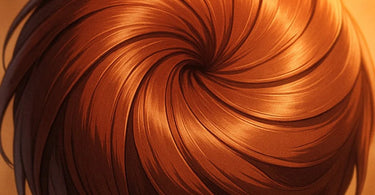
Efficiency is key - try this... the next time you approach a client's crown, pause for just a second. That innocent-looking swirl at the top of their head? It's not just a cute cowlick; it's the hair's command center, the Grand Central Station of growth patterns that can either make you look like a styling genius or send your carefully planned cut completely off the rails. Mastering the crown whorl is what separates the rookies from the artists, and today we're diving deep into this follicular fingerprint that every Professional Hair Salon & Barber Shop Supplies expert needs to understand. Consider this your official decoder ring for one of hair's most mysterious patterns.
Think of the crown whorl as hair's personal compass - it dictates which way every strand will fall, how much volume you can expect, and whether that gorgeous layered cut will lie perfectly or stick up like a startled cat. The frustrating part? No two whorls are exactly alike. Some clients have tight, clockwise spirals that behave like well-trained soldiers, while others sport wild, counter-clockwise tornadoes that seem determined to sabotage your best efforts. The secret isn't fighting the whorl - it's becoming its best friend.
Why Your Client's Crown Is Basically a Weather Pattern
Seriously, have you ever looked at a weather map showing different pressure systems colliding? That's exactly what's happening on top of your client's head. The crown whorl is where multiple hair growth patterns converge, creating what scientists call a 'vertex scalp whorl' (sounds fancy, but it's really just that stubborn part of hair that never seems to listen). Understanding this pattern is crucial when selecting the right Professional Shears, Clippers, & Trimmers for Barbers because different tools create different effects on this tricky terrain.
The direction of the whorl matters more than you might think. Approximately 90% of people have clockwise whorls, while the other 10% march to the beat of their own drum with counter-clockwise patterns. This isn't just trivia - it affects how you section hair, which direction you cut, and even how you recommend styling products. Clients with double whorls (yes, that's a thing) require special consideration, as their hair seems to have multiple opinions about which way it should go.
The Consultation: Your Secret Weapon Against Whorl Warfare
Here's where the magic happens: during the consultation, don't just ask about length and style - actually feel the crown area. Run your fingers through it in different directions. Notice where the resistance is strongest. This 30-second investigation will save you 30 minutes of frustration later. It's like reading the terrain before planning a hike - you wouldn't charge up a mountain without checking the map first.
When discussing options with clients, be honest about what their whorl will and won't allow. That super short pixie cut might look amazing in the magazine, but if Mrs. Johnson has a whorl that resembles a miniature hurricane, you might need to adjust expectations. This is where your expertise with Premium Hair Care Products for Salons & Barber Shops becomes invaluable, as the right products can help tame even the most rebellious crown.
Cutting Techniques That Work With Nature, Not Against It
Now for the good stuff: how to actually cut around this hairy little obstacle. The key is to cut hair in the direction it grows from the whorl, not against it. For those tight clockwise whorls, work with the spiral pattern rather than trying to flatten it into submission. Use point cutting instead of blunt cutting to create softness that blends seamlessly with the natural pattern.
For clients with particularly stubborn whorls, consider leaving the crown area slightly longer than the rest of the cut. The extra weight helps calm the pattern down, much like a weighted blanket for anxious hair. This is where having quality texturizing shears makes all the difference - you can remove bulk without creating awkward shorter pieces that stick straight up.
When working with clippers around the crown, always go with the grain first, then against the grain only if necessary for closeness. This prevents irritation and ensures a clean finish that respects the hair's natural flow. Your Professional Hair Brushes & Combs for Stylists become essential tools here, helping you guide hair into its natural position before making each cut.
Styling Solutions for Every Type of Whorl
Okay, the cut is perfect - now how do you help your client maintain it between visits? This is where your product knowledge becomes superpower-level important. For tight whorls that resist lying flat, recommend lightweight smoothing products applied to damp hair before blow-drying. For looser whorls that need volume, suggest root-lifting sprays and round brush techniques that encourage lift at the crown.
The blow-drying technique is crucial: always direct the airflow following the whorl pattern, not against it. It's like petting a cat - go with the fur, not against it, unless you want to get scratched (or in this case, end up with frizz). Using a concentrator nozzle helps direct the heat precisely where you need it, training the hair to cooperate day after day.
For clients with extremely resistant whorls, sometimes a slight change in parting can work miracles. Moving the part even half an inch can completely change how the crown hair falls, making it more manageable without chemical intervention. This is where having a great selection of Hair Styling Tools & Appliances for Salons lets you demonstrate different styling options during the service.
When the Whorl Wins: Creative Solutions
Let's be real - sometimes, no matter how skilled you are, that crown whorl is determined to have its way. In these cases, get creative! Embrace the volume and build the style around it. Add layers that work with the natural lift rather than fighting it. Sometimes what a client perceives as a 'problem' can become their hair's most interesting feature with the right approach.
For extreme cases, strategic texturizing can redistribute weight in a way that calms the whorl without sacrificing style. This is an advanced technique that requires confidence with your thinning shears, but when done correctly, it can transform an unmanageable crown into a styling asset.
Training Your Team: Whorl Wisdom for the Whole Salon
This isn't just individual knowledge - it's team intelligence. Make crown whorl analysis part of your standard consultation process. Create a quick reference guide showing the different types of whorls and recommended approaches. Consider doing a team training session where you practice identifying and working with various crown patterns on Training Manikins & Mannequins for Hairdressers before working on live models.
Encourage your stylists to share their whorl success stories (and yes, even their failures) during team meetings. The more you normalize discussing this common challenge, the more confident your entire team becomes at handling it. This builds client trust and positions your salon as truly expert-level in hair analysis and cutting.
The Big Picture: Why Crown Mastery Matters
At the end of the day, understanding crown whorls isn't just about technical skill - it's about client satisfaction. When you demonstrate that you understand their hair's unique characteristics and know how to work with them, you build loyalty that lasts for years. Clients will refer their friends because they know you 'get' hair in a way that other stylists might not.
Plus, let's be honest - there's nothing more satisfying than transforming a client's 'problem area' into their favorite feature. That smile when they realize they can style their hair easily at home? That's the real reward for mastering the art of the crown whorl. And having the right Must-Have Supplies for Salon & Spa Business Success ensures you're equipped to deliver these transformations consistently.
So the next time you see that familiar swirl at the crown, don't sigh - smile. You're looking at an opportunity to demonstrate true artistry, to solve a puzzle that frustrates lesser stylists, and to send your client out the door feeling like a million bucks. Now that's what we call a crowning achievement!
