
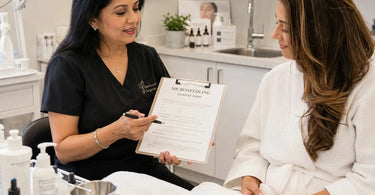
Clients notice the difference quality makes... but they often don't notice the legal fine print until something goes wrong. As a beauty professional, you know that a happy client is the goal, but a protected business is the foundation. We spend so much time perfecting our craft—mastering the perfect waxing techniques, selecting the most luxurious massage oils, and investing in top-tier equipment like Facial Steamers—that we can sometimes overlook the paperwork. But here's the beauty industry truth bomb: a generic, one-size-fits-all consent form is about as useful as a chocolate teapot. It simply doesn't hold water when you need it most.
We get it. You're busy. You have back-to-back appointments and clients who are already giving you the side-eye just thinking about filling out a form. But trust us, taking the time to create and use service-specific consent forms isn't just a bureaucratic hoop to jump through. It is a critical shield for your business, your license, and your peace of mind. It transforms your client from a casual visitor into an informed partner in their own treatment, and it drastically reduces your liability should any unexpected reactions occur. Let's dive into why a targeted consent is the only way to fly.
The Big Misunderstanding: Why "Just Sign Here" is a Liability Trap
We've all seen it. The clipboard is thrust at the client with a pen and a vague instruction to sign and initial a few boxes. It feels efficient. It feels standard. But in the eyes of the law and best practices, it's barely a step above nothing at all.
A generic consent form—the kind that covers everything from a pedicure to a Brazilian wax to a deep-tissue massage—is essentially a blanket statement that says, "I agree to something." It doesn't specify what that something is, what the risks are, or what the client should expect. If a client has a severe reaction to a product used during a specific service, a generic form offers you zero protection. Their lawyer will argue, and they'd be right, that your client didn't truly consent to the specific risks associated with that treatment. You didn't inform them, so you can't claim they agreed.
The cornerstone of a bulletproof legal and ethical practice is informed consent. This isn't just a signature; it's a process. It means you are actively communicating the details of the procedure, the materials you'll be using, and the potential risks and side effects. It demonstrates that you, the professional, have acted with a duty of care. If you skip this step, you're opening the door to misunderstandings, complaints, and potentially expensive legal battles. It's a simple thing that makes all the difference.
Why Service-Specific Consent is Your Secret Weapon
Moving from a generic form to a service-specific one is like upgrading from a butter knife to a surgeon's scalpel. It provides the precision and focus you need to properly protect your business and educate your client.
Think about the different services you offer. A waxing client needs to know about the risk of redness, folliculitis, or an allergic reaction to the ItalWax - Wax or ItalWax - Pre/Post products. A lash lift client needs to understand that there's a risk of an allergic reaction to the adhesive or chemicals used in Lash Lift & Perm procedures. A massage therapy client with a history of deep vein thrombosis needs to be aware of the contraindications of deep tissue work. These are vastly different risks, and a single piece of paper can't adequately address them all.
When you present a client with a form that specifically asks about their skin history, current medications, and contraindications related to a Hydrodermabrasion or a chemical peel, you are demonstrating your expertise and building trust. You are showing them you know what you're doing and that their safety is your number one priority. This detailed process can also be a fantastic opportunity to upsell retail products like a high-quality Cuticle Oil or a gentle Sugar Scrubs for their aftercare routine, as you're already discussing the specifics of their treatment and their skin's needs.
Common Services That Absolutely Demand Specific Consent
While every service can benefit from a tailored form, some treatments are particularly high-risk and absolutely require specific, detailed consent to protect both you and the client.
Waxing & Sugaring
Hair removal is a staple of our industry, but it's also one of the biggest areas for complaints. From burns to allergic reactions to ingrown hairs, the risks are real. Your consent form should specifically ask about the use of prescription acne medication like Accutane, which makes skin incredibly sensitive and prone to tearing. It should also ask about recent sun exposure, use of Dermaplaning or retinol, and any known allergies to specific waxes like Starpil Wax or Berodin. Post-treatment care guidance is also crucial here, and you can link it to products like our Ingrown Hair Products to help them manage their skin at home.
Massage Therapy
Massage isn't just about relaxation; it's a therapeutic intervention. Your consent form needs to cover a lot of ground. You need to ask about medical conditions like high blood pressure, heart conditions, diabetes, and if they are pregnant. You must ask about any recent injuries or surgeries. It's also vital to get explicit consent for the type of massage—be it a gentle Swedish or a more intense Deep Tissue Massage. Don't forget to mention the draping protocol to reassure the client about their privacy and comfort. This is also a great time to mention the benefits of using a high-quality Massage Table Warmer to enhance their relaxation.
Lash & Brow Services
The area around the eyes is incredibly delicate, making these services high-risk. A client could have a severe reaction to the tint used in a Professional Lash and Brow Tint. They could also have an allergic reaction to the glue used for lash extensions. Your consent form must be direct, asking about all known allergies, eye conditions, and recent eye surgeries. You also need a clear section on aftercare to prevent irritation, which can easily be linked to gentle, soothing cleansing products. This is also where having a professional Magnifying Light is essential to perform these delicate treatments safely and effectively.
Nail Services
Nail salons are a hub of chemical and biological hazards. Your consent form needs to ask about skin conditions like eczema or psoriasis, as well as allergies to products like acrylics, gels, or nail polish remover. You should also get consent for the specific service, whether it's a simple manicure or a more involved application of Acrylic Nail Supplies or a dipping powder system. This is also a great opportunity to educate them on the ingredients in your products and recommend high-quality cuticle oil and Nail Treatments for use at home.
Advanced Skincare Treatments
This category includes the heavy hitters like chemical peels, microdermabrasion, and any form of skin needling. These treatments involve breaking the skin barrier or using potent chemicals, which carries a significant risk of adverse reactions. Your consent form here is critical. It must include a list of contraindications like current infections, active acne, sunburn, and recent use of retinoids. You need to explain the expected recovery time and potential side effects like redness, peeling, or swelling. Aftercare is absolutely critical for these services, and you can direct your clients to our premium post-treatment retail collections. For example, the right Towel Steamer can be used for cleansing, but the post-care products you recommend are what will make or break their experience and prevent complications.
How to Implement Service-Specific Consent Forms (Without Driving Everyone Crazy)
We know that implementing something new can feel like a chore. But the good news is that making the switch to service-specific forms doesn't have to be a nightmare. Here are a few tips to make the transition smooth and stress-free.
1. Assess Your Core Services: Start by identifying your top 5-10 most popular or highest-risk services. Create a specific form for each of these first. You don't have to create a new form for every single treatment you offer overnight. You can have a general form for simple services like a basic manicure, and then your specific forms for things like waxing, peels, and lash extensions. This approach manages the workload while immediately addressing your biggest areas of liability.
2. Use Clear and Jargon-Free Language: Your clients are not medical or beauty professionals. A form full of technical terminology is intimidating and ineffective. Use plain, simple language to explain the treatment, the products you'll use, and the potential risks. The goal is to ensure they truly understand what they are agreeing to. This builds trust and shows respect for your client.
3. Integrate with Booking Software: Many booking and business management software platforms allow you to attach digital consent forms to specific services. This is a game-changer. You can have the form automatically emailed to the client before their appointment, giving them time to read it and ask questions. It streamlines the check-in process and ensures you have a digital, time-stamped copy of the consent on file.
4. Make it a Conversation, Not an Interrogation: The consent form is not a substitute for a conversation. Always walk your client through the key points of the form, especially the risks and aftercare. Ask them if they have any questions. This face-to-face interaction reinforces that you are a caring professional who prioritizes their safety, and it allows you to pick up on any concerns they might have that aren't captured on paper.
5. Train Your Staff: Consistency is key. All of your staff members need to understand the importance of specific consent and how to implement it properly. Make sure they know how to explain the different forms to clients, how to answer common questions, and how to handle a client who is hesitant to sign. A unified, professional approach will make your business look polished and reliable.
It's About Protection, Professionalism, and Trust
At the end of the day, switching to service-specific consent forms is about more than just avoiding a lawsuit. It's a powerful statement about how you do business. It tells your clients, "I am an expert. I take your safety seriously. I have prepared for your specific needs." This level of care and detail elevates your brand and solidifies client loyalty. It positions you as a professional who is worthy of their trust and their wallet.
So, the next time a client breezes in for their appointment and reaches for the clipboard, you can hand them a document that is tailored to their chosen service and confidently explain what they're signing. You're not just building your business; you're building a culture of excellence and safety. And honestly, isn't that the kind of beauty pro you want to be? Happy, safe clients are repeat clients, and that's the bottom line for your beautiful, thriving business.
)