
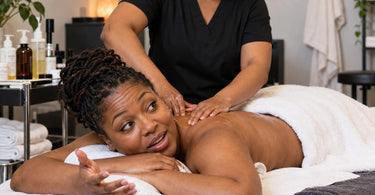
Better tools, better results... and sometimes, a better massage starts with knowing when to stop talking! Every massage therapist has experienced that client who arrives completely exhausted, announces that she desperately needs an hour of peace and quiet, and then proceeds to narrate her entire life story from the moment she gets on the table. By the time the session ends, you know about her daughter's wedding, her neighbor's questionable landscaping decisions, and why Brenda from accounting is absolutely impossible. Then comes the grand finale: "Wow, I really needed to relax today!" Meanwhile, you are wondering whether you just performed a professional massage therapy session or hosted an unscheduled podcast. Welcome to one of the most entertaining and surprisingly complicated parts of working in the massage industry: understanding why some clients talk their way through the very relaxation they came to experience.
For massage therapists, spa owners, and wellness professionals, this situation is much more than a funny story to share in the break room. Client conversation can influence treatment flow, body awareness, professional boundaries, and the overall perception of a massage experience. Learning how to respond without making clients feel uncomfortable is an important part of delivering personalized service.
Why Do Some Massage Clients Talk So Much?
There is no single explanation for a client who talks throughout a massage. Some people genuinely enjoy conversation. Others become uncomfortable with silence, feel nervous about receiving bodywork, or simply need a few minutes to transition from a hectic day into a quieter environment.
For clients who spend their days managing employees, coordinating family schedules, answering emails, and keeping approximately 47 mental tabs open, conversation may be their default setting. Their bodies are finally lying still, but their minds have not received the memo.
Talking may also provide a sense of familiarity and connection. A client who feels comfortable chatting with a trusted therapist might experience that interaction as part of a reassuring appointment. Silence is relaxing for some people, while friendly conversation feels more natural to others.
Importantly, a talkative client is not necessarily doing anything wrong. Relaxation is personal, and the professional's job is to understand the client's needs rather than impose a universal definition of the perfect massage.
Sometimes Talking Is Their Way of Unwinding
Consider the client who walks into your treatment room carrying an invisible suitcase stuffed with deadlines, family responsibilities, and minor daily disasters. She may not have had an opportunity to talk about any of those experiences.
Once she settles onto a comfortable massage table, the quiet environment and personal attention may make conversation feel unusually easy. She starts describing a stressful meeting, moves directly into a story about her dog, and somehow arrives at a detailed review of the local grocery store's parking situation.
Although she is talking continuously, she may still enjoy the physical comfort of massage. Conversation and physical relaxation are not mutually exclusive.
However, extended storytelling can sometimes keep a client mentally engaged when her original goal was to disconnect. An animated conversation might also involve unnecessary movement, raised shoulders, or repeated turning of the head.
The solution is not to tell clients that talking prevents relaxation. Instead, recognize that different clients benefit from different levels of interaction and gently help them reconnect with their treatment goals.
The Difference Between Comfortable Conversation and Constant Stimulation
A pleasant exchange during a massage can strengthen the therapist-client relationship. It becomes less helpful when the conversation consistently competes with the treatment itself.
Imagine working carefully through the upper trapezius muscles while a client enthusiastically reenacts a disagreement with her contractor. Every dramatic detail comes with a shoulder shrug, a lifted head, or a sweeping arm gesture.
You soften the shoulder. She remembers another outrageous detail. The shoulder rises again. At this point, you and her trapezius are practically negotiating separate peace treaties.
When movement interferes with bodywork, therapists can redirect the situation professionally. A simple explanation such as "I want to help your shoulder stay comfortable while I work, so you can let your arm rest completely" keeps the focus on treatment rather than criticizing the client.
Conversation becomes a practical concern when it interferes with positioning, comfort, communication about pressure, or the therapist's ability to deliver the agreed-upon service.
Even during a quiet treatment, therapists should continue appropriate check-ins regarding pressure, temperature, positioning, and comfort. Silence should never come at the expense of informed client participation.
Set the Tone Before the Massage Begins
One of the easiest ways to manage conversation happens before the client gets onto the table.
During the intake conversation, ask what the client would like from the session. Common goals might include addressing muscle tension, enjoying a quiet escape, receiving focused therapeutic work, or simply feeling more comfortable after a stressful week.
Consider adding a straightforward question to your consultation process: "Would you prefer a quiet massage today, occasional conversation, or are you comfortable deciding as we go?"
That question communicates something valuable: the client is allowed to choose.
It also removes an unspoken social expectation. Some clients talk because they assume the therapist expects conversation. Others remain silent because they worry that speaking will interrupt the work.
Giving clients permission to enjoy quiet can make the experience feel more intentional. You might say, "You never need to entertain me during your appointment. This time is entirely yours, and I will check in whenever necessary."
For someone who spends the rest of her day making everyone else comfortable, that reassurance may be surprisingly welcome.
How to Gently Redirect a Chatty Massage Client
When a client starts an enthusiastic monolog, interrupting abruptly can feel dismissive. Fortunately, there are more graceful approaches.
Start by responding warmly without introducing additional questions. Short acknowledgments allow clients to feel heard without encouraging another 20-minute installment of the neighborhood drama.
If the conversation continues and the client previously requested a quiet treatment, reconnect the moment to her original goal.
You could say, "You mentioned wanting to switch off for a while today. Would you like to try a few quiet minutes and see how that feels?"
Another option is to gently guide attention toward physical sensations: "As I work through your shoulders, notice whether you can let your arms feel a little heavier against the table."
These invitations should remain optional. Avoid implying that the client is failing at relaxation or that silence is required for a successful massage.
For some clients, conversation genuinely remains their preferred experience. If talking does not interfere with safe, effective treatment or professional boundaries, there may be no reason to redirect it.
Your Massage Room Can Encourage a Quieter Experience
Communication matters, but the environment also influences how clients experience their appointments. A thoughtfully prepared treatment room can create opportunities for relaxation without requiring a therapist to announce that quiet time has officially begun.
Start with a comfortable, supportive professional massage table or chair appropriate for your services. Proper positioning and physical support can help clients remain comfortable without repeatedly adjusting themselves.
Consider using massage bolsters to support the knees, ankles, or other areas as appropriate for the individual client. Small adjustments can make a meaningful difference in comfort throughout a session.
Fresh salon and spa bedding, comfortable room temperature, and suitable lighting all contribute to a welcoming professional setting.
For additional comfort, explore massage table warmers and toppers. Warmth should always be individually adjusted, with appropriate safety precautions and attention to any client conditions that affect heat sensitivity.
Quiet instrumental music, controlled room noise, and reduced interruptions can help reinforce the intended atmosphere. None of these elements guarantees relaxation, but together they make it easier for clients to settle into their appointments.
The goal is not to create an environment so silent that everyone becomes afraid to breathe. It is to make comfort and calm available without pressure.
Let the Massage Products Support the Experience
Professional product selection can also affect how smoothly a treatment unfolds.
A suitable lubricant allows therapists to maintain consistent contact and perform techniques without frequently stopping to adjust product application. Explore massage oils, lotions, and creams to find formulas that match your preferred techniques and client needs.
Different products offer different levels of glide, absorption, and working time. Choosing the appropriate option can help support a continuous treatment rhythm.
Therapists can also browse established professional massage brands such as Biotone, Bon Vital, and Soothing Touch for massage products and related supplies.
If aromatherapy is part of your professional service menu, consider offering a client-approved scent option from aromatherapy supplies. Always confirm preferences and sensitivities first, maintain appropriate ventilation, and recognize that fragrance-free treatments are preferable for many clients.
A familiar, comfortable sensory environment can support the overall experience. Just remember that essential oils cannot magically erase a stressful Monday, even when the bottle smells like a luxury vacation.
Why Therapists Should Avoid Leading Every Conversation
Sometimes the client is not the only enthusiastic conversationalist in the treatment room.
A therapist who asks question after question may unintentionally keep a client engaged in conversation long after the client would otherwise have become quiet.
Questions about work, family, vacations, pets, and weekend plans can seem friendly. But each new question also invites the client to think, remember details, and formulate an answer.
Consider the difference between offering a brief acknowledgment and asking, "So what happened after Brenda forwarded that email to your manager?"
One response allows the story to wind down. The other practically guarantees a sequel.
A useful professional habit is to let clients establish the conversational pace. Be friendly and responsive, but do not feel obligated to fill every quiet moment.
Reserve unnecessary administrative conversation for before or after the treatment. During the massage, prioritize technique, client comfort, consent, and any communication necessary for safe, effective care.
This approach also helps avoid turning the appointment into a discussion centered on the therapist's personal life.
When Conversation Becomes Emotional
Massage clients sometimes discuss sensitive personal experiences, including grief, relationship difficulties, work stress, or family concerns.
These moments deserve compassion, but they also require professional boundaries.
Massage therapists can acknowledge a client's feelings without attempting to provide psychotherapy, diagnose mental health conditions, or offer advice outside their training and professional scope.
Simple, respectful statements such as "That sounds like a difficult week" may be appropriate. Therapists should avoid probing for unnecessary details or encouraging disclosures that move the appointment away from its intended purpose.
If a client becomes visibly distressed, pause when appropriate, ask whether she would like to continue, and respect her preferences. Maintain draping, consent, and professional standards throughout the session.
When a client needs support beyond massage therapy, an appropriate referral to a qualified professional may be more helpful than extending the conversation.
Remember, being a caring massage therapist does not require becoming the entire emotional support department. Professional kindness and clear boundaries can coexist beautifully.
Different Clients Need Different Definitions of Relaxation
Picture three clients scheduled for consecutive massages.
The first walks into the treatment room, closes her eyes immediately, and barely says another word until the appointment ends. She loves uninterrupted quiet.
The second enjoys a few minutes of conversation, asks about the music, then gradually settles into silence.
The third talks from beginning to end, leaves smiling, and enthusiastically books another appointment.
All three may consider their treatments successful.
The challenge for professional therapists is to avoid assuming that one visible behavior proves whether a client feels relaxed.
Instead, pay attention to client feedback, comfort, treatment goals, and the degree to which the session meets mutually agreed-upon expectations.
A personalized service should reflect the individual rather than an imaginary standard of what a relaxed massage client is supposed to look like.
Build Relaxation Into Your Service Menu
Spa owners can make relaxation preferences easier to communicate by presenting service descriptions that clearly explain the experience.
For example, a quiet relaxation massage could emphasize minimal unnecessary conversation, comfortable positioning, gentle transitions, and an atmosphere intended for rest.
A customized therapeutic massage might emphasize focused work on specific areas, ongoing communication about comfort, and adjustments based on client feedback.
These descriptions help clients understand that different appointments may serve different purposes, without suggesting that one style is inherently better.
Operational consistency is equally important. Keep rooms organized with dependable professional massage and wellness products, maintain clean linens, and ensure therapists have the equipment needed to deliver services without unnecessary interruptions.
For spa owners designing or upgrading their rooms, the luxury spa furniture collection offers options for creating comfortable professional treatment spaces.
Well-organized surroundings help therapists focus on clients rather than searching for supplies in the middle of a session.
Use the End of the Session to Learn What Worked
Post-treatment feedback can reveal information that client behavior alone cannot.
Instead of assuming that a talkative client did not relax, ask a neutral question such as, "How did the session feel for you today?"
You can also revisit the original goal: "You mentioned wanting to unwind. Did this approach give you what you needed, or would you prefer a quieter session next time?"
This phrasing leaves room for the client to describe her actual experience.
She might explain that talking helped her feel comfortable. She might admit that she intended to rest but became caught up in conversation. Or she might say that the massage felt wonderful and she would change absolutely nothing.
Where appropriate, record communication preferences in professional treatment notes according to your workplace policies and applicable privacy requirements. Keep notes concise, factual, relevant, and respectful.
A useful entry might indicate that a client prefers minimal conversation after the initial check-in. Avoid judgmental descriptions that would be inappropriate if the client later reviewed the record.
Review these preferences at future appointments rather than assuming they never change. The same person who wants to chat on Tuesday may crave absolute silence on Friday.
Respect the Therapist's Professional Boundaries Too
Client-centered service does not mean that therapists must accept every conversation or disclosure without limits.
If a client asks invasive personal questions, repeatedly discusses inappropriate topics, or makes comments that create discomfort, the therapist has the right to redirect the conversation and maintain professional boundaries.
Clear, courteous language usually works better than vague hints. For instance, "I prefer to keep our conversations focused on your massage and comfort" establishes a reasonable expectation.
If a client's behavior becomes harassing, threatening, or otherwise inappropriate, therapists should follow workplace policies and applicable professional standards, including ending the session when necessary.
For ordinary friendly conversation, however, there is no need to treat talking as a behavioral problem.
The objective is a respectful environment in which both client and practitioner can participate comfortably and professionally.
Train Your Team to Read the Room
Massage businesses benefit when communication standards are part of employee training rather than something every therapist must learn through trial and error.
Consider reviewing scenarios involving a nervous first-time client, a regular customer who enjoys conversation, someone who requests complete quiet, and a client who begins discussing emotionally intense subjects.
Practice neutral language that gives clients choices. Reinforce the importance of consent, pressure checks, professional boundaries, and appropriate documentation.
Team discussions can also address environmental consistency. Does the treatment room feel calm? Are supplies positioned conveniently? Are interruptions minimized? Does the massage music overwhelm conversation or become distracting?
Explore spa essentials for professionals and Serenity Essentials when reviewing supplies that support a comfortable treatment experience.
Encourage therapists to share practical communication strategies without mocking clients or discussing identifying personal information. The point is to improve service, not turn the staff room into a weekly awards ceremony for the most dramatic massage-table stories.
The Secret Is Not Making Every Client Silent
It is tempting to imagine that the perfect relaxation massage involves soft music, peaceful breathing, and 60 uninterrupted minutes of complete silence.
For some clients, that is exactly what they want.
For others, relaxation looks like a comfortable treatment, a few laughs, and the freedom to talk about whatever has been occupying their minds.
Excellent massage therapists understand the difference between encouraging rest and enforcing silence. They provide a welcoming environment, explain available options, respond to client feedback, and guide the session without turning relaxation into another task the client must perform correctly.
They also recognize that an appointment can include conversation while still providing meaningful physical comfort and attentive care.
When therapists focus on individual needs rather than assumptions, they can create experiences that encourage trust, positive feedback, and lasting professional relationships.
Make Every Massage a Better Client Experience
So why do clients talk through an entire massage and then announce that they needed to relax? Sometimes they are winding down through conversation. Sometimes they are nervous, socially engaged, or simply accustomed to keeping their minds busy. Sometimes they would genuinely appreciate a little help finding quiet.
The key is discovering which experience the client wants and responding with warmth, professionalism, and good judgment.
Start with thoughtful intake questions, offer permission to enjoy silence, maintain appropriate boundaries, and use client feedback to personalize future sessions. Support that approach with comfortable treatment spaces and dependable professional products.
At Pure Spa Direct, we understand that massage professionals need more than excellent technique to deliver memorable services. As a wholesale distributor serving spa, salon, massage, and wellness businesses, we offer access to equipment, furnishings, linens, treatment supplies, and other essentials that help professionals prepare their spaces for a wide variety of client preferences.
Explore our professional massage and wellness collection to find supplies for your treatment room and keep your focus where it belongs: on excellent client care.
And when your next client spends an entire massage recounting the saga of Brenda from accounting before announcing, "I really needed that relaxing hour," remember that the story is not necessarily a contradiction. She might have received exactly the experience she wanted. Next time, a thoughtful question may help you discover whether she wants another chapter of the story or a blissfully quiet ending.
