
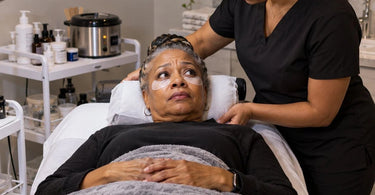
Achieve your goals faster... by figuring out why your clients cannot seem to get comfortable on your lash beds. A client who wiggles, shifts her shoulders, stretches her legs, or asks to sit up halfway through an appointment is not necessarily being difficult. Sometimes the problem is the bed beneath her, the position of her body, or the fact that lying perfectly still for an extended period is surprisingly uncomfortable. For lash professionals, understanding these little comfort complaints can make a meaningful difference in appointment flow, client satisfaction, and the overall experience your studio delivers.
Picture this: You have created the perfect lash mapping plan, your adhesive is behaving beautifully, and your client has promised she can lie still for the entire appointment. Twenty minutes later, her feet are moving. Another fifteen minutes pass, and she is adjusting her shoulders. Before long, she is asking whether she can bend her knees because her lower back has decided to join the conversation. Suddenly, your peaceful lash appointment has turned into a very polite game of musical chairs, except nobody is allowed to leave the chair.
The interesting part is that an uncomfortable lash bed does not always look uncomfortable. It might have attractive upholstery, a plush pillow, and a beautiful place in your treatment room. But appearance alone cannot tell you how the surface supports different bodies over time. Here is why some clients become restless during lash services and what professionals can do to create a more comfortable experience.
Why Do Lash Beds Make Some Clients Feel Restless?
Lash beds can make clients feel restless because of prolonged positioning, inadequate neck or lower-back support, pressure points, temperature discomfort, limited movement, or anxiety about remaining still with their eyes closed. A surface that feels comfortable for the first ten minutes may feel very different after an hour.
Unlike a facial appointment where the provider frequently changes activities, lash extension services often require the client to remain in one position for a substantial portion of the visit. Full sets may take considerably longer than routine fills, depending on the technique, desired look, and individual application requirements.
During that time, even minor sources of discomfort can become distracting. A slightly awkward neck angle, pressure beneath the knees, or a cushion that feels too firm can encourage a client to move.
Restlessness is often a useful signal that something about the service environment needs attention. Rather than treating every movement as an interruption, lash artists can view it as an opportunity to identify a comfort problem before it becomes a bigger issue.
1. A Flat Lash Bed Does Not Support Every Body Equally
One of the most common problems is assuming that every client will be comfortable lying flat. Different clients have different spinal curves, hip positions, body proportions, mobility limitations, and personal comfort preferences.
Some people can comfortably lie on their backs for an extended period. Others experience increasing tension in their lower backs, hips, or shoulders.
For certain clients, placing appropriate support beneath the knees can make lying on the back more comfortable. A massage bolster or suitable knee support may help reduce the feeling of strain, provided it is positioned safely and does not interfere with the service.
However, knee support is not a universal solution. A client with certain medical conditions, recent surgery, or positioning restrictions may require a different arrangement. The professional should ask about comfort needs and avoid forcing a position that causes pain.
Professional tip: Before beginning the application, ask the client whether her lower back feels supported. It is much easier to make adjustments before the eye pads and lash adhesive enter the picture.
2. The Neck Pillow Might Be the Real Trouble
A pillow can look luxurious and still create an uncomfortable neck position. If the pillow is too tall, the client's chin may be pushed toward her chest. If it is too low or poorly shaped, the head and neck may feel unsupported.
Some pillows also compress unevenly during longer appointments, creating pressure beneath the skull or along the neck.
The goal is to support the client's head and neck in a comfortable, neutral position while preserving the lash artist's ability to access the natural lashes safely.
Consider experimenting with appropriately sized lash pillows, adjustable head supports, or suitable cushions designed for treatment tables. Choose products that are compatible with the bed and easy to maintain according to the manufacturer's cleaning instructions.
A pillow that works beautifully for one client may not suit another. Keeping more than one support option available can be especially useful for studios with a diverse clientele.
And if your client looks as though she is trying to hold a yoga pose while supposedly relaxing, the pillow probably deserves another look.
3. Pressure Points Become More Noticeable Over Time
A firm lash bed may feel perfectly acceptable when someone first lies down. After an extended appointment, however, pressure around the shoulder blades, hips, elbows, or heels can become increasingly noticeable.
Pressure discomfort is influenced by the cushioning material, the condition of the padding, the client's body shape, and how long the position is maintained.
Adding an appropriate massage table topper may improve the feel of an otherwise firm surface. Some toppers offer additional cushioning and pressure distribution, although the amount of improvement depends on the materials and the individual client.
When evaluating a topper, consider more than softness. It should fit securely, maintain a stable working surface, and remain compatible with your sanitation routine.
Excessively thick or unstable cushioning can create new problems by allowing the client's head or body to sink unpredictably. Comfortable does not have to mean marshmallow-soft.
4. Restless Legs May Be a Positioning Problem
Clients frequently express discomfort by shifting their legs, flexing their ankles, or moving their feet. These movements can occur when the knees feel locked, the hips become uncomfortable, or the client simply needs a change in position.
It is tempting to interpret every moving foot as impatience. In reality, a client may be trying to relieve pressure without disturbing your work near her eyes.
Try offering an appropriate knee bolster before the appointment begins. Make sure the lower body is supported without placing excessive pressure behind the knees or restricting circulation.
If a client develops numbness, tingling, cramping, or increasing pain, stop and allow her to change position. Persistent or concerning symptoms should not be dismissed as ordinary appointment discomfort.
Clients with specific mobility or circulation concerns may need individualized positioning advice from their healthcare professional.
5. The Bed Might Be Too Narrow or Too Short
Not every treatment bed accommodates every client comfortably. Narrow surfaces can leave clients feeling that their arms are unsupported or that they need to hold their shoulders in an unnatural position.
A bed that is too short may leave taller clients struggling to position their legs, while poorly placed armrests can create uncomfortable shoulder tension.
When comparing professional massage tables and treatment chairs, examine the usable width and length, weight capacity, padding, adjustment options, and access around the head of the bed.
Remember that usable surface dimensions may differ from the furniture's overall measurements. A generously sized bed with bulky raised edges may still feel restrictive.
Professionals should always follow the manufacturer's weight limits, setup instructions, and safety requirements.
6. Being Asked to Stay Completely Still Can Create Anxiety
Not all lash bed restlessness is caused by physical discomfort. Some clients become uneasy simply because they are expected to remain motionless with their eyes closed.
For a person who is naturally active, uncomfortable with reduced control, or anxious in unfamiliar treatment situations, a long period of stillness may feel surprisingly demanding.
The phrase relax and do not move can sometimes have the opposite effect. Suddenly, a client becomes intensely aware of every itch, muscle twitch, and urgent desire to adjust her ponytail.
Help clients understand that comfort matters and that they can request a pause whenever necessary. Explain how to communicate without suddenly turning their heads or opening their eyes during delicate application steps.
Give clients a realistic appointment duration and let them know whether breaks are possible. Never make a client feel trapped on the bed or pressured to tolerate distress.
A calm explanation of the process can be more valuable than another decorative pillow.
7. Room Temperature Can Make a Comfortable Bed Feel Uncomfortable
A client who feels too cold may tighten her shoulders, curl her toes, or repeatedly adjust her position. A client who is overheating may feel equally restless.
Temperature preferences vary, and a room that feels perfect to a working lash artist may feel chilly to someone lying still.
Consider keeping lightweight blankets and other appropriate salon and spa bedding available so that clients can adjust their comfort.
A temperature-controlled topper or suitable warmer may be useful in some studios, but warming equipment requires particular care. Follow all manufacturer instructions, avoid excessive heat, and consider client sensitivity or conditions that may affect temperature perception.
Fresh, clean linens should be available for each client as required by applicable sanitation standards.
Also assess direct airflow from air-conditioning vents, fans, and heating systems. A breeze aimed at the treatment bed can be distracting, especially around the face.
8. Lash Lighting and Treatment Accessories Can Contribute to Restlessness
The bed is not always acting alone. Sometimes the surrounding setup introduces discomfort that clients associate with the bed.
Bright treatment lights, poorly positioned cords, uncomfortable eye pads, excessive adhesive fumes, and accessories touching the client's skin can all interfere with relaxation.
Professional LED bright lamps should be positioned to provide appropriate visibility without creating unnecessary heat or discomfort. Select equipment appropriate for the service and follow applicable eye-safety instructions.
Check whether head supports, towels, or lash pillows are pushing against the client's ears. Make sure accessories remain secure and that nothing is pulling on the hair or creating pressure against the face.
Eye irritation deserves special attention. Burning, significant tearing, pain, or difficulty keeping the eyes comfortably closed should never be treated as simple restlessness. Stop the application, assess the situation within your professional scope, and follow appropriate product safety guidance. Seek medical assistance when indicated.
The goal is not to persuade clients to ignore discomfort. It is to identify and address the cause.
9. A Lash Recliner Is Not Automatically Better Than a Flat Bed
Reclining treatment chairs are popular because they can provide adjustable body positioning and may help certain clients feel more supported.
However, the choice between a flat lash bed and a recliner should depend on the people receiving services, the artist's working position, and the furniture's actual adjustment capabilities.
A recliner that supports one client's lower back may place another client's neck or shoulders at an awkward angle. Clients with shorter legs may struggle with footrest positioning, while taller clients may find the recliner dimensions restrictive.
Similarly, a flat bed with thoughtfully selected supports may be extremely comfortable for some clients.
When shopping for lash recliners or other spa furniture, evaluate adjustability, upholstery, ease of cleaning, client accessibility, stable positioning, and technician ergonomics.
Test the furniture in realistic service positions rather than relying exclusively on photographs. If possible, have people of different heights and body types try the setup.
The prettiest chair in the catalog does not necessarily win the comfort contest.
10. The Lash Artist's Ergonomics Matter Too
A comfortable client setup must also allow the lash professional to work without excessive leaning, twisting, or reaching.
When the bed is too low, an artist may bend forward throughout the appointment. When it is too high, the artist may elevate her shoulders or strain her arms.
Repeated awkward postures can contribute to fatigue and musculoskeletal discomfort over time.
Choose furniture that allows appropriate working height and stable access to the lash line. Consider the relationship between the bed, lighting, supply placement, and ergonomic salon stool.
A useful setup should allow the artist to keep her shoulders relatively relaxed, avoid excessive neck flexion, and position essential tools within comfortable reach.
Comfort improvements should never require compromising access to the client's lashes or maintaining unsafe working positions.
A happy client and an exhausted lash artist do not add up to a successful ergonomic design.
How to Identify the Exact Reason a Client Feels Restless
Before purchasing an entirely new lash bed, look for patterns in the discomfort your clients describe.
Restlessness within the first ten minutes: Check the initial head position, mattress firmness, arm placement, room temperature, and whether the client feels anxious about the procedure.
Lower-back discomfort after thirty to sixty minutes: Review lumbar support, hip positioning, knee support, and the amount of time spent lying flat.
Neck stiffness or shoulder tension: Evaluate pillow height, head angle, shoulder position, and whether the client feels pressure near the upper back.
Frequent leg movement: Ask whether the knees, hips, heels, or feet need additional support or a temporary position change.
Restlessness accompanied by burning or watery eyes: Pause the procedure and assess potential eye irritation or product-related concerns rather than immediately adjusting the bedding.
Discomfort only during longer appointments: Consider how pressure and fatigue accumulate over time. Shorter appointments may not reveal problems with cushioning or positioning.
These patterns provide clues, not diagnoses. Always ask the client what she is feeling rather than assuming the cause.
Create a Five-Minute Lash Bed Comfort Check
A simple pre-service routine can prevent many avoidable interruptions. It also communicates that your studio takes client comfort seriously.
Step 1: Ask about positioning needs. Before the client lies down, ask whether she experiences discomfort when lying flat, has any relevant mobility limitations, or prefers particular support.
Step 2: Check the head and neck. Make sure the head is comfortably supported and that the pillow does not force the neck into an awkward position.
Step 3: Support the lower body. Offer appropriate knee or leg support when helpful, while keeping the body safely positioned.
Step 4: Adjust temperature and accessories. Ask whether the client would prefer a light blanket. Make sure nothing is pressing uncomfortably against the ears, shoulders, or legs.
Step 5: Explain the pause procedure. Let the client know how to request an adjustment safely during the appointment.
One final question can be particularly useful: Does anything feel uncomfortable now that might become annoying if you stay in this position for an hour?
That question encourages clients to think beyond whether the bed feels pleasant at the moment. It helps identify issues before they interfere with the service.
Should Lash Studios Schedule Positioning Breaks?
For longer appointments, a planned opportunity to adjust may benefit certain clients. However, breaks must be coordinated with the stage of the procedure and handled safely.
Lash artists should never encourage sudden head movements, eye opening, or repositioning while delicate instruments or products are being used near the eyes.
When a pause is appropriate, secure or remove tools and follow the correct procedure for the products in use before allowing the client to sit up or move.
Some clients will prefer to remain in position throughout the treatment. Others may benefit from an agreed-upon break.
There is no universal schedule that fits every person or every lash application. The best approach balances client comfort with product instructions and safe professional technique.
What Should Lash Professionals Buy First to Improve Client Comfort?
Improving a lash bed does not always require a major furniture purchase. Start with the most frequently reported discomfort and match potential solutions to the actual problem.
For neck discomfort: Explore supportive lash neck pillows or suitable adjustable head cushions.
For lower-back tension: Review massage bolsters and other appropriate positioning supports.
For a firm treatment surface: Compare compatible table toppers and cushioning accessories.
For cold clients: Stock comfortable, washable salon and spa bedding.
For limited adjustability: Evaluate replacement options through professional spa and salon furniture.
For general lash service organization: Review lash and brow service supplies that help keep your working area orderly and accessible.
Choose products based on functionality, dimensions, compatible surfaces, sanitation requirements, and manufacturer guidance. Buying additional accessories without understanding the source of discomfort may only create a more expensive version of the same problem.
How Better Lash Bed Comfort Can Improve the Client Experience
Comfort affects more than whether a client enjoys lying down. It can influence the flow of the entire appointment.
A client who feels supported may find it easier to remain still during delicate application steps. Fewer unnecessary position changes can reduce interruptions and help the artist maintain a consistent working rhythm.
However, comfort does not eliminate all movement, and a relaxed client is not a substitute for careful application technique, proper isolation, or safe adhesive handling.
Comfort also contributes to how a client remembers her visit. Beautiful lashes are important, but the overall appointment experience includes how welcome, respected, and physically comfortable she felt.
A client who dreads the bed may hesitate to schedule another long appointment, even if she loves the finished lashes.
For studio owners, recurring discomfort complaints can provide useful operational feedback. Keep track of the support adjustments clients request and look for patterns before investing in new equipment.
If multiple clients mention the same pressure point or positioning issue, that is a stronger reason to examine the furniture than an isolated preference.
Frequently Asked Questions About Restless Clients on Lash Beds
Why do clients keep moving during eyelash extension appointments?
Clients may move because of neck strain, lower-back discomfort, pressure points, temperature differences, anxiety, or the need to change position. Eye irritation can also cause movement and requires immediate attention. Asking what the client is experiencing is the most reliable starting point.
Do lash pillows actually make appointments more comfortable?
An appropriately sized lash pillow may improve head and neck support, but the result depends on pillow shape, firmness, client anatomy, and positioning. A poorly matched pillow can make discomfort worse.
Are lash recliners better than massage tables?
Neither option is automatically superior. Adjustable recliners may be helpful for some clients, while flat tables with suitable supports may work better for others. Evaluate comfort, accessibility, service positioning, stability, and artist ergonomics before choosing.
Should clients use a pillow under their knees during lash appointments?
Some clients find gentle knee support more comfortable when lying on their backs. The support should be appropriately sized and positioned without restricting circulation or conflicting with individual medical needs.
How can lash artists make two-hour appointments easier for clients?
Start with a comfort assessment, adjust head and leg support, manage room temperature, explain what the appointment involves, and allow safe opportunities to request a pause. Reassess comfort during longer services rather than assuming the initial setup will remain comfortable.
Can an uncomfortable lash bed affect client retention?
It can influence the overall client experience. Even when clients are pleased with their lashes, repeated discomfort may make them less enthusiastic about future appointments. Addressing comfort concerns demonstrates professionalism and attentiveness.
Make Your Lash Bed a Place Clients Actually Want to Return To
The best lash bed is not necessarily the most expensive, the softest, or the one that looks the prettiest in a studio photograph. It is the one that supports your clients comfortably, allows safe and effective application, and works with your professional routine.
If clients regularly shift their shoulders, bend their knees, or ask how much longer the appointment will take, investigate the setup before assuming they simply cannot relax. Small adjustments to head support, leg positioning, cushioning, temperature, and communication may improve the experience significantly.
Pure Spa Direct helps beauty professionals explore the equipment and supplies they need to build more functional treatment spaces. As a professional distributor, Pure Spa Direct offers access to categories including professional lash extension supplies, salon bedding, positioning bolsters, and spa furniture for studios evaluating their comfort setup.
Because nobody books a lash appointment hoping to spend the afternoon mentally negotiating with her lower back. Give clients a comfortable place to relax, give yourself a practical place to work, and let those beautiful lashes be the most memorable part of the visit.
