
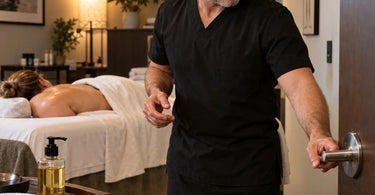
Boost sales effortlessly with a cleaner, more professional massage room experience that keeps clients comfortable and therapists from leaving greasy fingerprints on every available surface. Why do massage therapists end up with oil on door handles, even when they are careful about keeping their treatment rooms spotless? The answer involves slippery hands, busy appointment schedules, product placement, and the surprisingly complicated choreography of moving around a massage room while covered in massage oil. One minute you are delivering an incredible relaxation massage, and the next you have apparently signed your name in oil on the doorknob. Congratulations, your door handle is now receiving complimentary aromatherapy treatment!
For professional massage therapists, spa owners, and wellness practitioners, oily door handles are more than an amusing occupational hazard. They can create cleaning challenges, make frequently touched surfaces unpleasant, and reveal small inefficiencies in treatment room routines. Understanding how massage oil travels from hands to hardware is the first step toward maintaining a polished professional environment without interrupting the relaxing atmosphere clients expect.
Why Massage Therapists End Up With Oil on Door Handles
The simplest explanation is that massage therapists work with products specifically designed to provide glide, reduce friction, and remain workable on the skin. Those same properties that make professional massage oils wonderful during a treatment make them excellent candidates for transferring onto anything a therapist touches.
Unlike water, massage oil does not simply evaporate from the hands after a few seconds. Depending on its formulation, it can remain on the skin until it is absorbed, wiped away, or washed off. Even a small amount left on the fingertips can transfer to smooth surfaces such as metal door handles, light switches, cabinet pulls, and lotion dispensers.
The transfer happens through several ordinary treatment room activities:
- Opening the door immediately after completing a massage.
- Reaching for additional towels or supplies during a session.
- Adjusting music, lighting, or temperature controls with oily fingers.
- Touching storage cabinets while retrieving massage products.
- Moving between the massage table and a nearby supply area.
- Helping a client exit the treatment room before thoroughly cleaning the hands.
Each action may leave behind a thin film. Over multiple appointments, those small transfers can accumulate into the familiar slippery handle that nobody remembers touching with oily hands. The evidence is right there, but somehow everyone in the spa has an alibi.
Massage Oil Is Designed to Stay Slippery
Professional Massage Oils, Lotions, and Creams for Therapists offer different levels of glide, absorption, and working time. These characteristics influence how massage products behave during treatments and how much residue may remain on a therapist's hands afterward.
Massage oils with longer-lasting glide can be particularly useful for Swedish massage, flowing relaxation techniques, and longer bodywork sessions. However, their extended working time also means the therapist may still have product on the hands when the session ends.
Massage lotions and creams can provide a different balance of glide and grip. Some formulations absorb or become less slippery more quickly, although that does not automatically make them residue-free.
Products from professional massage brands such as Biotone, Bon Vital, and Soothing Touch give therapists options for selecting lubricants suited to their treatment styles.
The goal is not to eliminate massage oil from massage therapy. That would be a rather dramatic solution to a door handle problem. The goal is to manage product application, hand hygiene, and room organization so the oil stays where it belongs.
The Real Culprit Is Often the Treatment Room Workflow
A well-organized massage room allows therapists to move through the session without repeatedly touching unnecessary surfaces. A poorly arranged room creates extra movements, unexpected interruptions, and more opportunities to transfer massage lubricant onto furniture and fixtures.
Imagine a therapist working through a relaxing full-body massage. The oil bottle sits on a cabinet across the room, fresh towels are stored behind a closed door, and the lighting control is beside the entrance.
Every time the therapist needs something, another object must be touched. If the therapist has product on the hands, those objects may collect residue.
Now imagine the same room with a dedicated massage product station, conveniently located towels, and supplies prepared before the appointment. Fewer interruptions mean fewer accidental oil transfers.
This is where smart treatment room planning can make a meaningful difference. Thoughtfully selected Spa Essentials for Professionals, accessible storage, and organized dispensing stations help reduce unnecessary movement during services.
Sometimes the solution to oily door handles is not a stronger cleaner. It is moving the massage oil bottle three feet closer to the table.
Why Door Handles Become an Unexpected Oil Collection Zone
Door handles are especially vulnerable because they are among the last surfaces a therapist touches after completing a treatment. When the session is over, the therapist may need to open the door, retrieve a robe, adjust the lighting, or prepare the room for the next client.
These tasks often happen during a busy transition period when attention shifts from hands-on therapy to client care and room turnover.
Several factors make door handles particularly noticeable:
- Frequent contact: Therapists, clients, and staff may all use the same handle throughout the day.
- Smooth surfaces: Metal and finished hardware can reveal oily fingerprints and smudges.
- Repeated residue transfer: Small amounts of oil can accumulate through multiple contacts.
- Limited attention: Staff may focus on the massage table and forget surrounding touchpoints.
- Product movement: Oil can transfer from hands to handles and then to other frequently touched objects.
A shiny patch on the handle might initially appear harmless, but a slippery surface can affect grip and leave residue on clients' hands. It also contributes to the impression that the room has not been thoroughly reset between services.
How Much Massage Oil Is Too Much?
Professional massage therapists understand that lubricant quantity influences treatment quality. Too little product may create excessive friction for certain techniques. Too much can make controlled movements difficult and leave the therapist, client, linens, and nearby surfaces unnecessarily oily.
Using an appropriate amount of massage oil is an important part of controlling residue.
Instead of dispensing a large quantity at the beginning of a session, therapists can begin with a modest amount and add more when needed. The ideal quantity depends on the treatment, product formulation, client skin characteristics, and desired level of glide.
Deep tissue and focused techniques may benefit from a more controlled amount of lubricant, while flowing relaxation massage may require additional glide.
Therapists can also evaluate whether a massage lotion or massage cream offers a better working texture for particular services.
Choosing the right product is about treatment performance first, with easier cleanup as a welcome additional benefit.
The Massage Oil Bottle Can Spread Residue Too
Door handles are not always contaminated directly from the therapist's palms. Sometimes the oil makes a few stops along the way.
A massage bottle can develop oily residue around its pump, cap, neck, or exterior. When the therapist picks up that bottle, the residue transfers back onto the fingers. Those fingers then touch another surface, continuing the cycle.
That is how one slightly messy dispenser can become the unofficial distribution center for greasy fingerprints throughout the treatment room.
Professional Bottles & Jars can help therapists create a more organized dispensing setup. Choose containers suited to the product, maintain clean exterior surfaces, and avoid allowing lubricant to collect around openings.
When refilling containers, follow applicable sanitation requirements and the product manufacturer's instructions. Never assume that topping off a partially used bottle is appropriate without considering contamination risks and local professional regulations.
A dedicated tray beneath dispensers can also help contain incidental drips and protect nearby furniture. The tray should be easy to clean and compatible with the products being used.
Build a Hands-Free-Friendly Massage Room
Completely hands-free massage rooms are not realistic, but reducing unnecessary contact is absolutely achievable. Small layout adjustments can make routine movements easier while helping prevent product transfer.
Start by looking at the treatment from the therapist's perspective. Where are the supplies located? Which objects must be touched after lubricant has been applied? Could those objects be repositioned or prepared earlier?
Consider these practical improvements:
- Place massage lubricants within comfortable reach of the treatment table.
- Prepare clean towels, bolsters, and other supplies before the client enters.
- Keep product containers on stable, wipeable surfaces.
- Use dispensers that allow controlled application without excessive dripping.
- Position frequently used accessories where they will not require opening cabinets mid-session.
- Keep a designated area for clean supplies separate from used items.
- Make an appropriate handwashing station readily accessible.
Useful additions may include Massage Bolsters, High-Quality Towels, and conveniently arranged professional treatment supplies.
The objective is efficiency without compromising hygiene, safe body mechanics, or client comfort.
Why Handwashing Matters More Than a Quick Towel Wipe
A common temptation after a massage is to wipe the hands on a towel and immediately begin resetting the room. While wiping can remove some visible product, it should not replace proper handwashing.
Massage involves prolonged skin contact, and hands can pick up microorganisms during a service. Residual lubricant may also remain on the fingers after a quick wipe.
Therapists should follow appropriate hand hygiene procedures before and after each client, including washing with soap and water as required by applicable professional standards. Effective handwashing helps remove massage products and other material from the skin.
Use a clean towel or disposable hand-drying product after washing. Avoid touching contaminated surfaces immediately afterward.
If the door must be opened before the therapist can reach a sink, the facility should establish a practical procedure that minimizes unnecessary contact and ensures the handle is cleaned appropriately. A towel used as a barrier is not a substitute for hygiene and must not be reused in a way that spreads contamination.
The important distinction is that removing visible oil and maintaining proper hand hygiene are related, but separate, responsibilities.
How to Clean Oily Massage Room Door Handles
Cleaning a door handle with massage oil residue requires attention to both the visible lubricant and routine surface hygiene.
Start by checking the door hardware manufacturer's recommendations. Different finishes and materials may react differently to detergents, moisture, or disinfecting products.
For compatible surfaces, use an appropriate cleaning product to remove the oily film. Pay attention to the underside of the handle and the areas around the base where residue can accumulate.
After cleaning, disinfect as required by facility protocols and applicable regulations using a product appropriate for the surface and its intended use. Follow the disinfectant label for dilution, application, and required contact time.
Professional facilities can explore Professional Cleaners & Disinfectants for Salons and Spas to support their sanitation routines.
Remember these important details:
- Remove visible oil and soil before disinfecting when required by the product label.
- Use cleaning materials appropriate for the hardware finish.
- Do not mix cleaning chemicals.
- Follow disinfectant label directions, including required wet contact time.
- Allow the surface to dry as directed before returning it to normal use.
- Use fresh cleaning materials as needed to avoid spreading residue.
Also inspect nearby cabinet pulls, light switches, sink handles, and product dispensers. If one door handle has been receiving an accidental oil treatment, its neighbors may be enjoying the same service.
Make Door Handles Part of the Between-Client Checklist
A massage room cleaning checklist can reduce the chance that frequently touched surfaces will be overlooked during a busy workday.
Massage tables, face cradles, and linens naturally receive considerable attention because they directly contact clients. Door handles, however, are easy to miss even though they may be touched by multiple people during a service.
Build a consistent room turnover routine that includes:
- Performing proper hand hygiene after the session.
- Removing and replacing used linens according to facility procedures.
- Cleaning and disinfecting treatment equipment as appropriate.
- Checking the exterior of massage lubricant dispensers.
- Cleaning frequently touched door handles and cabinet hardware.
- Addressing light switches and other commonly touched surfaces.
- Inspecting the floor for product spills that could create slipping hazards.
- Restocking clean towels and treatment supplies.
Door handles should be checked between clients and cleaned or disinfected according to facility policy, product instructions, and applicable regulations. Any visible oily contamination should be addressed promptly.
Keeping suitable Professional Cotton, Sponges, and Wipes for Salons & Spas available can support convenient cleaning, provided the selected materials are appropriate for the surface and cleaning product.
A clear checklist also makes expectations consistent across multiple therapists and treatment rooms. Instead of assuming someone else cleaned the handle, everyone knows the procedure.
Oily Hardware Can Affect the Client Experience
Clients may not consciously notice every detail of a massage room, but they often recognize when something feels out of place.
Consider the experience of someone who has just enjoyed a peaceful treatment. The lighting is soft, the linens are comfortable, and the therapist has provided excellent service. Then the client reaches for the door handle and discovers a greasy surprise.
It is hardly the grand finale anyone intended.
A slippery door handle may leave residue on the client's hands or personal belongings. Visible fingerprints can also undermine the carefully maintained appearance of an otherwise beautiful treatment space.
Clean touchpoints contribute to a sense of professionalism and care. They demonstrate that the spa pays attention not only to the massage itself but also to the complete service environment.
This is particularly important in premium spas, wellness centers, and massage studios where the client experience depends on numerous small details working together.
Choosing Massage Products With Cleanup in Mind
Professional massage product selection should begin with the therapist's technique, client needs, and intended treatment. However, cleanup characteristics deserve consideration as well.
Different lubricants can behave differently on skin, fabrics, and equipment. A product that offers exceptionally long glide may be ideal for one technique, while a faster-absorbing lotion might be preferable for another.
When comparing massage products, consider:
- Glide: Does the product provide the amount of slip needed for the technique?
- Absorption: How much product typically remains on the hands and skin?
- Texture: Does the consistency make controlled dispensing easier?
- Client comfort: Is the formulation appropriate for the client's preferences and sensitivities?
- Cleanup: How easily can residue be removed from hands, linens, and compatible surfaces?
- Professional value: Does the product support consistent service quality and reasonable product usage?
Therapists may find it useful to compare options from Amber Products and other professional massage suppliers to determine which formulations best fit their services.
Remember that quicker absorption does not eliminate the need for handwashing or surface cleaning. Even products that feel relatively dry on the skin can leave residue on equipment.
Train the Team to Spot the Sneaky Oil Trail
In spas with several massage therapists, consistent staff training is essential. One therapist may carefully clean every touched surface, while another may not realize that lubricant residue is collecting on cabinet handles or door hardware.
Establish simple, specific expectations for everyone using the treatment rooms.
Demonstrate proper lubricant dispensing, handwashing procedures, product storage, and between-client cleaning. Explain which surfaces require attention and which products should be used on them.
Periodically walk through the room and observe whether the layout encourages unnecessary touching of drawers, switches, or doors during treatment.
Encourage staff to report recurring residue problems rather than quietly accepting them as an unavoidable part of massage work.
A consistently oily handle might indicate that the room needs a different dispenser, better product placement, an improved cleaning schedule, or a more convenient handwashing workflow.
It does not necessarily mean someone is being careless. Sometimes the room itself is practically inviting the therapist to leave fingerprints everywhere.
A Five-Minute Massage Room Reset That Makes a Difference
A practical reset routine can make oil management easier without turning every appointment into a major housekeeping project. The following sequence can be adapted to the facility's required cleaning procedures and actual appointment schedule.
Step 1: Complete the service and perform hand hygiene. Follow the facility's established process for safely transitioning from hands-on treatment to room cleanup.
Step 2: Address used linens. Place them in the designated laundry container without allowing oily fabric to contact clean supplies.
Step 3: Inspect the massage table and accessories. Remove visible lubricant and complete required cleaning and disinfection procedures.
Step 4: Check all frequently touched surfaces. Pay special attention to the door handle, light switches, cabinet pulls, and product bottle exteriors.
Step 5: Reset products and supplies. Refill or replace items as appropriate, organize the treatment station, and prepare fresh linens for the next client.
Five minutes is a useful planning target, not a guaranteed sanitation time. Facilities must allow enough time for all required cleaning steps, including the full contact time specified by disinfectant manufacturers. Never shorten a necessary procedure simply to accommodate appointment scheduling.
Small Operational Improvements Can Support a Better Massage Business
Oily door handles might seem like a minor issue, but they are an excellent example of how everyday details affect the operation of a professional spa.
A more efficient massage room can reduce interruptions, simplify cleaning, protect equipment finishes, and make it easier for staff to maintain consistent standards.
These improvements may also support a smoother appointment schedule. When supplies are organized and cleaning procedures are clearly defined, therapists can focus more attention on clients and less on searching for products or dealing with avoidable messes.
Consider reviewing the complete treatment setup, including the massage table, product station, towel storage, flooring, and frequently touched fixtures. Explore Professional Massage & Wellness Products and Must-Have Supplies for Salon & Spa Business Success when planning practical improvements.
Thoughtful purchasing decisions should serve the treatment workflow rather than simply adding more equipment to an already crowded room.
Keep the Massage Oil on the Client, Not the Door
Why massage therapists end up with oil on door handles is ultimately a question of product behavior, movement, and routine. Massage lubricants are designed to glide, therapists naturally move around their treatment rooms, and busy transitions create opportunities for residue to spread.
The good news is that the problem is manageable. Appropriate lubricant quantities, convenient dispensing stations, proper hand hygiene, and consistent surface cleaning can dramatically reduce the chances of oily fingerprints becoming part of the decor.
For spa owners and massage professionals, these details are worth addressing because cleanliness and comfort are fundamental parts of a memorable service.
Pure Spa Direct helps professional massage therapists, spas, and wellness businesses shop for the supplies they need, from professional massage lubricants and towels to treatment room accessories and cleaning essentials. As a distributor of professional beauty and wellness products, Pure Spa Direct offers convenient access to products from established manufacturers to support your treatment room setup.
So the next time you find a mysterious oily fingerprint on a door handle, consider it a gentle reminder to review your workflow. Your massage oil has already done its job on the treatment table. There is absolutely no need to give the doorknob a Swedish massage, too!
