
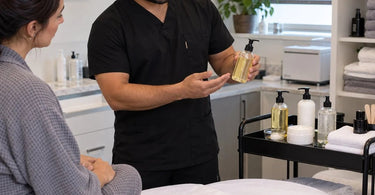
Achieve your goals faster by making one surprisingly simple improvement to your massage room: stop expecting every client to love the same lubricant. A beautifully executed massage can lose a little of its magic when the product feels too greasy, smells too strong, or leaves someone wondering whether their clothes will survive the trip home. Professional massage oils, lotions, and creams are not interchangeable accessories. They influence glide, grip, skin feel, client comfort, and the way a treatment unfolds. Having a thoughtful selection available helps massage therapists personalize services without turning every appointment into a complicated product experiment.
After all, clients have different skin sensitivities, treatment goals, fragrance preferences, and expectations about how their skin should feel afterward. Your signature massage oil might be wonderful, but it cannot read minds. A little planning can prevent uncomfortable surprises and help create the kind of experience clients want to book again.
Why Massage Lubricant Preferences Matter More Than You Think
Massage lubricant serves a practical purpose: reducing friction between the therapist's hands and the client's skin. However, the amount of slip, absorption rate, texture, and residual finish can dramatically change the experience.
Some clients appreciate a rich oil that supports long, flowing strokes. Others prefer a lotion that absorbs more readily and leaves less residue. A client receiving focused work may prefer a cream that provides controlled glide without making the therapist's hands slide excessively.
Preferences can also change between appointments. Someone who enjoys a rich massage oil during a relaxing weekend treatment might request a lighter product before returning to work.
For professional massage practices, this means lubricant selection should be part of treatment planning rather than an automatic decision made before the client arrives.
Massage Oil, Lotion, Cream, or Gel: Understanding the Differences
Building a useful lubricant assortment begins with understanding what different formulations contribute to professional bodywork.
Massage Oils: Long-Lasting Glide for Flowing Techniques
Massage oils are popular for techniques involving broad, continuous strokes. Depending on their formulation, they can provide extended glide and reduce the need for frequent reapplication.
This makes many oils convenient for Swedish massage, relaxation-oriented services, and other treatments featuring sustained movement across larger areas.
However, oil formulations vary considerably. Some feel lightweight and absorb relatively quickly, while others leave a noticeable surface film. Ingredient composition also matters, particularly for clients with known allergies or skin sensitivities.
An oil that works beautifully for one treatment may feel excessive during another. Keep a lighter option available rather than assuming every client appreciates a glossy finish.
Massage Lotions: Versatile and Familiar
Massage lotions typically combine water-based and oil-based ingredients in an emulsion. Many offer a balance between glide and absorption, making them practical for everyday massage work.
Lotions can be appealing when clients want their skin to feel comfortable without excessive lingering oiliness. They may also be useful for shorter sessions or treatments where a therapist prefers a moderate amount of slip.
Not all lotions absorb at the same rate. A fast-absorbing formula may require additional applications during a long session, while a richer lotion may provide more working time.
Compare products based on how they perform during actual services, not simply on whether the label promises a silky finish.
Massage Creams: More Control When Grip Matters
Massage creams often provide a thicker texture and more controlled glide than many massage oils.
For therapists performing focused work, this can be valuable. Certain techniques require the hands to maintain contact without slipping too easily across the skin.
Creams may offer a useful compromise between lubrication and control, although their performance depends on formulation and application amount.
Remember that thicker does not automatically mean better for deep pressure. Treatment effectiveness depends on appropriate technique, communication, and client comfort, not simply on how much friction a product creates.
Massage Gels: Another Texture Worth Considering
Some professional massage gels offer extended working time, a distinctive glide, or a different residue profile from traditional oils and creams.
They can expand a therapist's options when a client dislikes common product textures or when a particular technique benefits from a different level of lubrication.
Because gels differ widely, evaluate the actual ingredient list, intended use, and performance before adding one to your treatment menu.
Client Skin Sensitivities Should Influence Every Product Decision
One of the strongest reasons to maintain multiple lubricant options is the possibility of skin irritation or ingredient sensitivity.
Clients may report reactions to fragrances, botanical extracts, essential oils, preservatives, or particular carrier oils. Others may have eczema, easily irritated skin, or a history of contact dermatitis.
Even ingredients marketed as natural can cause problems for certain individuals. Natural is a description of origin, not a guarantee of compatibility.
Before beginning treatment, ask about known allergies, previous reactions to massage products, and current skin concerns. Review ingredient labels rather than relying on broad marketing descriptions.
For clients with known sensitivities, an appropriately selected fragrance-free massage lotion or other simple formulation may be preferable. Fragrance-free products are not automatically free of every potential irritant, so ingredients still require attention.
Exercise particular caution with nut-derived oils when a client reports a relevant allergy. Do not assume that processing or refinement makes every oil suitable for every allergic individual.
If a client reports itching, burning, stinging, or discomfort during treatment, stop using the product and assess the situation. Do not continue applying a suspected irritant or attempt to diagnose the reaction.
The objective is straightforward: provide a comfortable service while respecting the client's individual needs and the therapist's professional scope of practice.
Fragrance Preferences Can Make or Break the Experience
Picture the scene: soft lighting, calming music, a perfectly positioned bolster, and a massage lotion that smells like an entire lavender field has moved into the treatment room. Lovely for some clients. Absolutely overwhelming for others.
Fragrance is personal. Some guests associate certain scents with relaxation, while others find them distracting or unpleasant. Clients with scent sensitivities may actively avoid fragranced treatments.
Professional aromatherapy supplies can support optional sensory enhancements, but aromatherapy should not be treated as an automatic part of every massage.
A practical approach is to maintain an unscented default option and offer fragrance choices only when appropriate.
Ask clients whether they prefer scented or unscented products, and explain any relevant ingredients before application. Avoid assuming that a client requesting relaxation automatically wants essential oils.
If aromatherapy is offered, follow the manufacturer's dilution and use instructions, account for individual contraindications, and avoid applying concentrated essential oils directly to the skin.
Clients should also be free to decline fragrance without having to explain themselves. Their massage should not become an interrogation about why eucalyptus is not their best friend.
Different Massage Techniques May Require Different Lubricants
Massage therapists use a range of techniques, and each can benefit from different levels of glide and grip.
Swedish massage: Long, flowing strokes generally benefit from a product that provides smooth, consistent movement. A massage oil or lotion with adequate working time may be appropriate.
Focused therapeutic massage: Techniques requiring more precise contact may benefit from a cream or lotion that offers controlled glide rather than excessive slipperiness.
Sports massage: Lubricant needs can vary throughout the appointment. Broad warm-up strokes, targeted work, and stretching may call for different application amounts or different products.
Deep tissue techniques: The best product depends on the specific method and treatment area. Some techniques benefit from less lubricant to maintain controlled contact, while others require additional glide to prevent unnecessary skin friction.
Relaxation and spa rituals: Longer working times and luxurious textures can enhance the sensory experience, provided they align with client preferences.
Therapists should also consider whether a treatment incorporates hot and cold massage therapy products, specialized body treatments, or other equipment. Product instructions and compatibility requirements must guide those decisions.
Instead of searching for one universally perfect lubricant, select a small assortment that supports the techniques performed most frequently.
Post-Massage Skin Feel Is Part of Client Satisfaction
A client may love everything about a massage until they try to put on their favorite shirt and discover that their skin still feels heavily coated.
Residual product is not necessarily a problem, but expectations matter.
Some clients welcome a moisturizing finish and enjoy the sensation of a rich body oil. Others prefer to leave feeling clean, comfortable, and ready to continue their day.
This difference becomes especially important for lunchtime appointments, corporate wellness services, and clients heading directly to work or other activities.
Ask whether the client prefers a richer or lighter finish. Apply conservative amounts initially and add product as needed.
Keep clean spa towels available to help remove excess product when requested. Any removal method should be comfortable and appropriate for the client's skin.
A simple finishing touch can transform a good service into one that feels carefully considered from beginning to end.
Build a Practical Massage Lubricant Selection Without Overstocking
Offering choices does not mean filling every cabinet with seventeen nearly identical bottles. Variety should solve specific treatment needs, not create a personal museum of massage lotion.
For many practices, a focused starting assortment may include:
- A versatile unscented lotion: A practical everyday option for clients who prefer moderate glide and a relatively light finish.
- A professional massage oil: Useful for treatments requiring sustained glide and flowing movements.
- A controlled-glide cream: Suitable for techniques where maintaining precise contact is important.
- A carefully selected alternative: Another formulation to accommodate specific ingredient restrictions, skin preferences, or service requirements.
- An optional scented product: For clients who actively request fragrance and can safely use the selected formulation.
These categories are a framework rather than a mandatory purchasing list. A therapist specializing in focused clinical-style bodywork may have different inventory requirements from a destination spa offering long relaxation rituals.
Explore professional massage and wellness products based on your actual service menu, appointment volume, and client feedback.
Professional brands such as Biotone, Bon Vital, and Soothing Touch are useful places to explore massage product options. Compare individual formulations rather than assuming every item from a brand shares the same ingredients or performance.
Use Client Consultations to Make Better Lubricant Choices
A brief consultation can prevent many avoidable product problems.
Instead of simply asking whether a client has allergies, include a few specific questions about massage lubricant preferences.
- Have you experienced irritation from massage oils, lotions, or skincare products?
- Are there any ingredients you need to avoid?
- Do you prefer fragrance-free products?
- Would you rather have a lightweight finish or a richer moisturizing feel?
- Have you used a massage product that felt particularly comfortable or uncomfortable?
- Have your skin sensitivities or product preferences changed since your last appointment?
For returning clients, review previously documented preferences while still checking for updates.
Record useful details in the client consultation record, including the product used and any reported reaction or preference. Follow applicable privacy requirements and your practice's recordkeeping procedures.
This information helps therapists deliver consistent experiences. It also prevents clients from repeatedly explaining that they dislike strong fragrances or cannot use a particular ingredient.
Personalization feels more meaningful when the business actually remembers what the client requested.
Better Lubricant Planning Can Improve Treatment Room Efficiency
Having several products available is helpful only when therapists can find and use them efficiently.
Organize lubricants in a predictable location, with clearly identifiable containers and accessible ingredient information.
Use appropriate bottles and jars when permitted by the manufacturer's handling instructions. Label any approved secondary containers accurately so staff can identify the product, relevant ingredients, and other required information.
Avoid confusing similar-looking containers or transferring products into unlabeled dispensers.
Dispense products hygienically, avoid introducing contamination into bulk containers, and follow manufacturer instructions for storage, shelf life, and use.
Single-use portions or properly managed dispensing systems may be helpful in settings where cross-contamination is a particular concern.
Keep products away from excessive heat, direct sunlight, or other conditions prohibited by the manufacturer.
Clean treatment surfaces and reusable equipment according to applicable requirements and product instructions. Review the compatibility of lubricants and cleaning products with massage table upholstery, coverings, and accessories.
Professional cleaners and disinfectants should be used according to their labels, including any required contact times and material restrictions.
Efficient organization allows therapists to make an informed product change without disrupting the relaxed atmosphere of the appointment.
Protect Your Massage Linens and Equipment
Massage lubricants affect more than the client's skin. They can also influence linen maintenance, cleaning routines, and operating expenses.
Oil-rich products may leave residue on sheets, blankets, towels, and upholstered surfaces. Overapplication can increase laundry demands and contribute to staining or buildup.
Choose appropriate salon and spa bedding and follow textile care instructions when laundering items exposed to massage products.
Oil-contaminated linens require special attention because residual oils can create a fire hazard under certain laundering and drying conditions. Follow equipment and detergent instructions, use suitable cleaning procedures, and do not place oil-soaked linens into a dryer while they still contain significant residue.
Inspect linens after washing and follow safe drying and storage practices.
For massage tables, consult the equipment manufacturer's recommendations regarding oils, cleaners, and protective barriers. Some products may damage certain upholstery materials over time.
Appropriate hygienic table paper or other approved barriers may be useful in suitable service settings, but barriers do not replace proper surface cleaning and disinfection.
Thoughtful product selection can support both treatment quality and the longevity of professional supplies.
How to Manage Lubricant Inventory Without Wasting Money
Massage practices need enough variety to accommodate clients, but excess inventory ties up money and storage space.
Start by identifying which products are used most often. Track how frequently therapists select each formulation and how quickly containers are consumed.
Review purchasing patterns across several weeks or months rather than ordering solely on intuition.
For example, a busy massage practice may discover that its fragrance-free lotion accounts for most applications, while its specialty oil is requested only occasionally. That information can guide container sizes, reorder quantities, and backup stock.
When evaluating purchasing costs, consider the number of treatments completed per container rather than simply comparing bottle prices.
A less expensive lubricant that requires frequent reapplication may not offer the best cost per service. Conversely, a premium specialty product may make financial sense when it supports a treatment clients specifically request.
Monitor expiration dates and recommended periods after opening. Rotate stock appropriately and avoid buying large quantities of products that may expire before they are used.
Working with a wholesale supplier such as Pure Spa Direct makes it easier to explore multiple professional product categories in one place. As a distributor of spa, salon, massage, and wellness supplies, Pure Spa Direct helps businesses shop across product types and professional brands rather than manufacturing the lubricants themselves.
The goal is to purchase deliberately, maintain reliable stock, and give therapists enough options to meet real client needs.
Train Your Team to Choose Lubricants Consistently
In a multi-therapist spa, product variety is most useful when everyone understands the available options.
Provide staff with clear information about each lubricant's ingredients, intended use, texture, glide, and relevant handling instructions.
Establish a simple decision process that starts with the client's health history, known sensitivities, and stated preferences.
Therapists should know which product is the standard unscented option, which provides longer glide, and which may offer more controlled contact.
Train staff to recognize when a product should be avoided and when additional information or referral is appropriate.
Never encourage employees to promise that a particular lubricant is allergy-proof, universally safe, or capable of treating a medical condition without appropriate evidence.
It can also be helpful to conduct professional product evaluations before introducing a new lubricant into routine service. Assess consistency, working time, skin feel, ease of dispensing, and cleanup requirements.
Document the findings so purchasing decisions reflect actual performance instead of one therapist's enthusiastic declaration that a new cream is the greatest invention since adjustable massage tables.
Use Lubricant Choices to Create a More Personalized Spa Experience
Clients appreciate having meaningful choices, but too many options can become overwhelming.
Instead of presenting a long product catalog, offer two or three relevant choices based on consultation findings.
For example, a therapist might say that an unscented lotion offers a lighter finish, while an unscented oil provides longer-lasting glide. The client can then express a preference without needing a chemistry degree.
Where suitable, customized selections can complement other comfort-focused offerings such as massage bolsters, adjustable room temperatures, and massage table warmers and toppers.
Any warming equipment should be used according to manufacturer instructions and adjusted for the client's comfort and relevant health considerations.
Some spas may incorporate optional lubricant selections into premium treatment menus, but basic accommodation of allergies and reasonable sensitivities should not be treated as a luxury upgrade.
Clients should feel that their comfort matters, not that avoiding an irritating fragrance comes with an additional fee.
Thoughtful customization also creates natural opportunities to explain why different products feel different. This can improve communication and help clients make informed requests during future appointments.
Common Massage Lubricant Mistakes to Avoid
Even experienced professionals can develop product habits that deserve a second look.
Using the same lubricant for every client: A standard product is convenient, but it should never replace screening for allergies and preferences.
Assuming unscented means hypoallergenic: An unscented product may still contain ingredients capable of causing irritation or allergic reactions.
Using too much product: Excess lubricant can interfere with controlled techniques, create unnecessary residue, and increase supply consumption.
Choosing by fragrance alone: A pleasant scent does not establish suitability for a client's skin or the intended treatment.
Ignoring ingredient changes: Manufacturers may reformulate products. Review current labels and instructions when purchasing or introducing new stock.
Forgetting the client's feedback: Preferences may evolve, and previous product tolerance does not guarantee future compatibility.
Buying too many specialty formulations: A large assortment creates little value if most products expire before they are used.
Neglecting cleaning and storage: Good lubricant selection should include appropriate dispensing, linen care, surface maintenance, and inventory rotation.
Avoiding these mistakes is often less complicated than fixing the client dissatisfaction or operational inconvenience they create.
Frequently Asked Questions About Massage Lubricant Preferences
Should every massage therapist offer more than one lubricant?
Maintaining at least a small selection is generally practical because clients and massage techniques have different requirements. The ideal number depends on the services offered, client population, and available storage. An unscented everyday option plus a formulation with a different glide or texture can be a useful starting point.
What is the best massage lubricant for sensitive skin?
No single lubricant is suitable for everyone with sensitive skin. A fragrance-free product with a carefully reviewed ingredient list may be a reasonable option, but therapists should ask about specific allergies, previous reactions, and relevant skin conditions before selecting a product.
Is massage oil better than massage lotion?
Neither is universally better. Oils often provide longer-lasting glide, while many lotions offer a lighter finish and different absorption characteristics. Product formulation, technique, and client preference determine which is more appropriate.
Can therapists use different lubricants during the same massage?
Yes, when appropriate for the treatment and with the client's agreement. Different treatment areas or techniques may benefit from different products. Check ingredient compatibility, avoid unnecessary layering, and remain attentive to skin reactions.
Do massage clients usually prefer scented or unscented products?
Preferences vary widely. Some clients enjoy fragrance as part of a spa ritual, while others prefer little or no scent. Rather than guessing, ask each client and keep a suitable fragrance-free option available.
How can a spa reduce massage lubricant waste?
Use measured dispensing practices, train staff to apply appropriate amounts, track usage, and purchase quantities based on actual demand. Proper storage and stock rotation help prevent avoidable product loss.
Should massage therapists document lubricant preferences?
Yes. Recording preferred products, known sensitivities, and relevant feedback supports consistent service and helps therapists make informed decisions during later appointments. Confirm preferences again when circumstances change.
Make Lubricant Flexibility Part of Your Professional Massage Standards
Great massage therapy is built on thoughtful technique, professional communication, and attention to the individual receiving the treatment. Lubricant selection belongs in that conversation.
A small, carefully chosen assortment can support different massage styles, fragrance preferences, skin considerations, and expectations about post-treatment feel. It can also help therapists work more efficiently, manage inventory intelligently, and reduce preventable service complaints.
Explore Pure Spa Direct's professional massage lubricant selection alongside spa essentials for professionals to create a treatment room equipped for more than one type of client.
Because the best massage lubricant is not necessarily the one with the fanciest packaging, the richest texture, or the most impressive botanical fragrance. It is the one that fits the treatment, respects the client's needs, and helps deliver a comfortable professional experience. And that is a preference worth planning for.
