
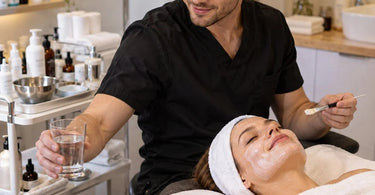
Boost efficiency with this must-have item... a little common sense about when to offer your clients water! It sounds almost too simple to deserve its own conversation, but the timing of a complimentary drink can make a surprising difference in a professional spa or salon service. Offering water is thoughtful, welcoming, and generally appreciated, but interrupting a perfectly relaxing facial or a meticulously executed manicure to ask whether someone is thirsty can turn a lovely gesture into an unnecessary disruption. The secret is not offering more water or eliminating water service altogether. It is learning to recognize when hospitality enhances the appointment and when it accidentally gets in the way.
For spa owners, estheticians, massage therapists, nail technicians, waxing professionals, and salon managers, the smallest operational details often shape how clients remember an appointment. A beautifully prepared treatment room matters, but so does knowing when to speak, when to offer assistance, and when to let someone enjoy a few uninterrupted minutes of peace. Your client came for a service, not an enthusiastic beverage interview halfway through it.
Why Can Offering Water Interrupt a Professional Spa or Salon Service?
Offering water can interrupt a service when it requires a client to change position, move their hands, open their eyes, stop relaxing, or temporarily abandon the procedure being performed. Even if the interruption lasts only a few seconds, it can disturb the natural rhythm of the appointment.
Think about a client receiving a relaxing massage. The therapist has established a comfortable pace, the client has settled into the table, and the room is beautifully quiet. Suddenly, someone opens the door and asks whether the client would like a glass of water. The intention is wonderful. The execution? About as relaxing as a surprise phone call during a bubble bath.
There are practical concerns, too. A client may need to sit upright, adjust protective coverings, reposition their arms, or wait while the professional clears a safe space for the drink. These movements can interrupt a treatment that depends on careful positioning, consistent contact, precise application, or uninterrupted processing time.
The lesson is simple: good hospitality should work with the service rather than compete with it.
The Best Time to Offer Water Is Usually Before the Service Begins
One of the easiest ways to avoid unnecessary interruptions is to offer water during the arrival or consultation process. This gives clients an opportunity to enjoy a drink while they are already seated comfortably and before the active treatment begins.
Reception areas are particularly convenient places to establish a predictable beverage routine. A clearly designated hydration station can support a welcoming atmosphere without requiring treatment professionals to leave their workstations repeatedly.
Consider organizing your reception area with appropriate disposable water cups, a clean beverage station, and suitable waste containers. Complementary Reception Furniture can help create a practical waiting area where clients can enjoy refreshments without crowding treatment spaces.
Rather than automatically handing someone an oversized glass of water immediately before a lengthy service, offer a reasonable amount and allow the client to decide whether they want it. Drinking a large quantity just before getting onto a massage table may create an entirely different kind of interruption: the urgent bathroom break.
Providing an opportunity to use the restroom before the appointment begins is another small touch that can make the service run more comfortably.
Massage Services: Protect the Relaxation Experience
Massage therapy is one of the clearest examples of why beverage timing matters. Clients often arrive expecting a quiet environment, comfortable positioning, and a consistent treatment experience. Interrupting a massage merely to offer water can undermine those expectations.
Once the client is properly positioned and the session is underway, an unnecessary beverage offer may require the therapist to pause, adjust draping, help the client sit up, or wait until the client can comfortably drink.
For most routine massage appointments, a simple approach works well:
- Offer water in the reception area before the appointment.
- Ask whether the client needs the restroom before getting onto the table.
- Avoid interrupting the treatment solely to deliver a beverage.
- Respond promptly if the client requests water or needs a break.
- Make water available again after the client has finished dressing.
Thoughtful room preparation also reduces interruptions. Comfortable Salon & Spa Bedding, supportive Massage Bolsters, and properly organized Massage Oils, Lotions, and Creams allow therapists to focus on the service rather than repeatedly stopping to retrieve forgotten supplies.
There is also an important distinction between offering water as a courtesy and promising therapeutic benefits. Drinking water supports normal hydration, but there is no need to tell every massage client that they must drink extra water to flush toxins out of their muscles. That familiar spa expression deserves a permanent vacation.
Facial Treatments: Nobody Wants to Sit Up With a Mask on Their Face
Facials involve multiple stages that may include cleansing, exfoliation, steaming, massage, masks, and finishing products. Timing and positioning can be particularly important during these services.
Imagine an esthetician carefully applying a facial mask. The client is comfortably reclined, their hair is secured, and their eyes are closed. Suddenly, the esthetician asks whether they would like water. The client now has to respond, potentially sit upright, and figure out how to drink without disturbing the treatment.
It is an awkward moment for everyone, especially if the mask is already setting.
During treatments involving Advanced Facial Treatment Products for Salons & Spas, specialized Facial Steamers, or other professional equipment, the esthetician should prioritize the client's comfort and the appropriate treatment protocol.
Offering water before the client reclines is generally much more practical. If a longer appointment includes a scheduled break during which the client is safely upright and free of active products or equipment, that may be another suitable opportunity.
Avoid assuming that every gap between facial steps is a good time for a drink. Product processing intervals, mask-setting periods, and equipment transitions may still require the client to remain in position.
Of course, if someone asks for water, feels unwell, or needs to stop, their needs take priority over maintaining the treatment schedule. Excellent service is attentive, not rigid.
Manicures: Wet Nails and Water Cups Are Not Always Best Friends
Nail technicians understand that a client's hands are not always available for multitasking. During a manicure, those hands may be soaking, receiving cuticle care, holding a precise position, or sitting under a curing lamp.
Offering water during these moments can interrupt the technician's workflow or encourage unnecessary movement. A client reaching across freshly applied polish for a drink may accidentally touch another nail, bump the workstation, or disturb the finish.
For appointments involving Professional Gel Polish, proper positioning during application and curing matters. A beverage should never tempt someone to remove a hand from the lamp before the required curing cycle is complete.
Offering water before nail preparation begins is a more convenient option. The technician can direct the client to a stable, clean location for the cup, safely separated from electrical equipment, chemical products, and active work surfaces.
Well-organized Nail Tables and Manicure Stations can support this arrangement by providing designated storage and workable space for professional tools.
For longer appointments, such as detailed extensions or elaborate nail art, a planned pause may provide another opportunity for a drink without disrupting precision work.
Remember, a manicure client may be talented enough to manage a smartphone, purse, and conversation simultaneously, but asking them to balance a water cup while you paint a tiny floral masterpiece is probably pushing their multitasking credentials.
Pedicures: Consider Positioning, Foot Soaks, and Client Mobility
Pedicure appointments create different challenges because clients are often seated in specialized chairs with their feet positioned in basins or supported for detailed nail work.
A beverage offered before the service begins can be a pleasant touch, especially when the client is comfortably seated and has a safe place for the cup.
However, the technician should consider the chair layout, the client's mobility, and the stage of the treatment. Reaching awkwardly for a beverage during exfoliation, foot care, or polish application can make positioning less comfortable and potentially interfere with the service.
When selecting Pedicure Chairs/Spas, businesses can consider accessible, stable cup placement alongside sanitation, ergonomics, and equipment maintenance requirements.
Keep beverages separate from foot-care products, tools, and any surfaces designated for disinfection or contaminated implements. Client comfort should never come at the expense of a clean workstation.
Waxing Services: Save the Beverage Offer for a Natural Pause
Waxing appointments can move quickly, especially when a professional is working through a planned sequence of skin preparation, wax application, removal, and post-treatment care.
Interrupting the process to offer water can require the client to move unexpectedly or the professional to set down supplies during an active procedure.
During services involving Waxing Supplies for Professionals, maintaining proper skin positioning and following product instructions are far more important than fitting in another refreshment offer.
Water is best offered before the client is positioned for waxing or after the procedure is complete. For lengthy appointments covering multiple areas, the professional may offer a drink during a scheduled transition when the client is safely covered and able to sit comfortably.
This also applies to treatments using Professional Stripless Hard Wax or Pre & Post-Waxing Products.
The esthetician should never interrupt an active wax-removal sequence unnecessarily. Nobody needs an unexpected arm movement while hot wax is involved, even if the interruption comes with excellent customer service intentions.
Lash and Brow Services: Keep the Client Still and Comfortable
Lash extensions, lash lifts, brow lamination, and tinting services often require careful positioning and controlled application around sensitive areas.
These are especially poor moments to offer an unscheduled drink.
A client receiving a lash treatment may have their eyes closed for an extended period. Sitting upright to drink can disturb positioning, interrupt application, or interfere with a processing step.
For professionals working with Lash & Brow Service Supplies, the most practical solution is to anticipate comfort needs during consultation.
Offer water before beginning, confirm whether the client needs the restroom, and explain approximately how long they may need to remain comfortably reclined.
If a client requests a break, pause the procedure safely according to the relevant product instructions and service protocol. Do not ask them to drink while eye-area products or equipment make doing so uncomfortable or inappropriate.
Hair Salon Services: Find the Right Moment Between Technical Steps
Hair salons often have more opportunities for beverage service because clients may remain seated for extended periods during color processing, conditioning treatments, and other appointments.
Nevertheless, timing still matters.
A client holding a drink while the stylist is sectioning hair, applying color, or using heated styling equipment may make the workstation more crowded and increase spill risks.
Offering water once the client is seated, protected by an appropriate cape, and comfortably positioned can work well. Another convenient opportunity may occur during a suitable processing interval, provided the stylist has completed the necessary application steps and the client can safely reach the drink.
Services involving Professional Hair Color and Hair Bleaches and Lighteners require careful adherence to product directions and processing times. A beverage refill should never distract the professional from those responsibilities.
Place drinks away from chemicals, electrical styling equipment, and active cutting areas. Avoid offering beverages while clients are reclined at shampoo bowls or unable to hold a cup comfortably.
The best time for water is the moment when the stylist can comfortably say yes without needing an extra pair of hands.
The Hidden Business Cost of Poorly Timed Hospitality
One unnecessary interruption may appear insignificant. Across a busy schedule, however, repeated disruptions can affect workflow, staff focus, and the consistency of the client experience.
Consider a hypothetical salon where eight appointments each experience an avoidable two-minute beverage interruption. That represents sixteen minutes of disrupted service flow across the day. It does not automatically translate into sixteen minutes of lost revenue, but it illustrates how small inefficiencies can accumulate.
There may also be indirect costs. Staff members may need to replace disturbed supplies, reestablish client positioning, clean unexpected spills, or repeat an explanation after losing their place in a procedure.
For appointment-based businesses, predictable service sequences help professionals maintain quality while keeping the schedule manageable.
The objective is not to rush clients or deny refreshments. It is to remove interruptions that do not meaningfully improve comfort.
Build a Simple Water Service Protocol for Your Team
A written hospitality routine can help reception staff, assistants, and treatment professionals provide a consistent experience.
Start with a practical sequence that fits the business:
- At arrival: Offer water and explain where refreshments are available.
- During consultation: Give clients an opportunity to use the restroom before a lengthy or reclining treatment.
- Before treatment: Confirm comfort needs and mention when the next natural break will occur, if applicable.
- During treatment: Avoid routine beverage interruptions while remaining responsive to client requests.
- At a planned transition: Offer water when the client can safely sit upright and the treatment protocol allows a break.
- At completion: Make water available in an appropriate recovery, dressing, or reception area.
This approach is flexible enough for a small treatment studio or a larger salon with multiple service departments.
For businesses offering several types of treatments, consider creating a short reference guide identifying appropriate refreshment moments for each service.
That way, an enthusiastic new receptionist does not accidentally become the most frequent visitor to a supposedly quiet massage room.
Keep Hydration Stations Clean, Accessible, and Convenient
A thoughtfully arranged refreshment area can reduce the need for staff to interrupt services while still making clients feel cared for.
Choose a location that is easy to identify, accessible to clients, and separate from treatment chemicals, contaminated tools, and sanitation work areas.
Use clean drinking-water containers and cups intended for beverage service. Follow applicable local requirements for food and beverage handling, and establish a routine for cleaning shared equipment.
Businesses may also benefit from organizing their general treatment spaces with Spa Essentials for Professionals, appropriately stored High-Quality Towels, and dependable Professional Cleaners & Disinfectants for Salons and Spas. These supplies serve different purposes and must be used according to their labeling; drinking areas and reusable beverage equipment require cleaning practices suitable for food-contact surfaces.
Keep beverage equipment away from electrical devices and prevent spills from reaching outlets, cords, or active treatment equipment.
A self-service option may be appropriate in reception or designated waiting areas, but avoid placing uncovered beverages where they could be contaminated or accidentally knocked over.
Train Staff to Recognize the Difference Between Service and Interruption
Excellent hospitality is not measured by how often an employee asks whether a client needs something. It is measured by how comfortably and appropriately those needs are addressed.
Train team members to notice the stage of a service before approaching a treatment professional or entering a room.
For example, a receptionist should know that interrupting a facial for a routine water offer is unnecessary, while assisting a client who has specifically requested water may be entirely appropriate.
Practice short, comfortable phrases that make the offer feel natural. At check-in, a simple question such as Would you like some water before we begin? is usually enough.
At checkout, another friendly offer can complete the experience without creating pressure.
Clients should always be free to decline. Some bring their own water bottles, some prefer to wait until after their appointment, and others simply are not thirsty.
Hospitality should feel like a choice, not a hydration challenge with mandatory participation.
When Should You Interrupt a Service for Water?
There are situations when providing water or stopping a procedure is more important than preserving the appointment's flow.
If a client asks for water, reports dry mouth, requests a break, or expresses discomfort, respond appropriately instead of rigidly following the schedule.
If someone becomes dizzy, faint, confused, nauseated, or otherwise unwell, stop the service, place them in a safe position, and assess the situation within your training and professional scope. Do not automatically assume dehydration or force the person to drink. Follow established emergency procedures and seek appropriate medical assistance when indicated. Do not give anything by mouth to someone who cannot safely swallow.
Client safety always takes priority over preserving relaxation or completing the scheduled service.
Some clients may also have medical instructions or personal preferences that affect when and how much they drink. Staff should respect those needs without offering medical advice outside their qualifications.
How to Measure Whether Your Hospitality Routine Is Working
Once the team establishes a refreshment protocol, review whether it supports a smoother experience.
Useful questions include whether appointments are being interrupted unnecessarily, whether staff can access supplies efficiently, and whether clients know where refreshments are available.
Pay attention to feedback about comfort, convenience, and privacy. A client who says the massage was wonderful because nobody disturbed them is telling you something valuable about the service environment.
Managers can also review beverage-related spills, repeated supply trips, and unexpected interruptions during appointment handoffs.
These observations help identify practical improvements without turning hospitality into an elaborate spreadsheet competition.
Simple operational consistency often provides more value than complicated procedures that employees cannot realistically follow.
Professional Hospitality Is About Timing, Not Just Thoughtfulness
Clients notice thoughtful details, but they also notice when those details interrupt the service they came to enjoy.
A well-timed glass of water can feel welcoming and considerate. The same glass, delivered during an intricate lash application, a relaxing massage, or the final strokes of a manicure, can become an unexpected inconvenience.
For spa and salon professionals, the goal is to create an environment where hospitality feels effortless. Offer refreshments during arrival, anticipate comfort needs, recognize natural treatment pauses, and keep water conveniently available after services.
Pure Spa Direct supports professional spa, salon, nail, waxing, massage, and beauty businesses with a broad selection of wholesale supplies and equipment from industry manufacturers. Exploring Must-Have Supplies for Salon & Spa Business Success can help businesses organize the practical details that make daily appointments run smoothly.
Ultimately, excellent customer care is not about handing someone a drink at every possible opportunity. It is about making the right offer at the right moment, then giving clients the space to enjoy the service. Because sometimes the most luxurious thing you can offer is a refreshing glass of water before the appointment and absolutely no interruptions until it is finished.
