
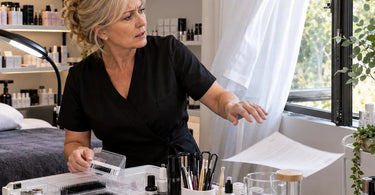
Stand out with this simple salon secret: the prettiest treatment room is not always the one with the windows wide open. A gentle breeze drifting through your nail or lash room might seem like the perfect way to keep everything fresh, comfortable, and inviting. Unfortunately, that same breeze can bring along a few uninvited guests, including humidity, dust, pollen, flying debris, and temperature changes that interfere with professional beauty services. Before you throw open every window and announce that your salon is officially embracing nature, it is worth understanding how outdoor air can affect your products, your application techniques, and your clients. Because nothing says unexpected appointment drama quite like a gust of wind arriving during a delicate lash application.
For nail technicians, lash artists, and salon owners, controlling the treatment environment is an important part of delivering consistent results. Fresh air matters, and proper ventilation is essential, particularly when working with products that release vapors or create airborne dust. However, opening a window without considering airflow direction, outdoor conditions, and product requirements can introduce problems that are surprisingly easy to overlook.
Fresh Air Is Wonderful, but Uncontrolled Airflow Is Another Story
There is an important difference between effective ventilation and simply allowing outdoor air to wander through your treatment room. Proper ventilation is designed to move contaminated air away from technicians and clients while providing suitable replacement air. An open window may support that process when airflow is managed correctly, but it can also create drafts that carry dust, odors, or vapors directly across your workstation.
In a nail room, this distinction is especially important. Products such as acrylic liquids, primers, polish removers, and certain nail coatings can release chemical vapors. Filing and shaping services may also generate airborne particles. Opening a window is not a substitute for appropriately designed exhaust ventilation or dust extraction equipment.
Professional Nail Tables and Manicure Stations should be positioned with ventilation and airflow in mind. Where suitable, source-capture equipment can help collect airborne contaminants near the work area instead of allowing them to travel through the room.
The goal is not to eliminate fresh air. It is to introduce it without turning your treatment station into a miniature weather system.
Humidity Can Make Lash Adhesive Behave Differently
One of the biggest environmental concerns in a lash extension room is changing humidity. Many professional lash extension adhesives contain cyanoacrylate, a substance whose polymerization is influenced by moisture in the surrounding environment.
That means the relative humidity of your lash room can affect how an adhesive behaves during application. Opening a window on a humid afternoon may introduce moisture that changes the adhesive's working characteristics. On a dry day, outdoor air may contribute to an environment where the adhesive behaves differently from what your lash artist expects.
Depending on the formulation, environmental conditions, and manufacturer instructions, you might notice:
- Adhesive setting faster or slower than expected.
- Less predictable working time during extension placement.
- Changes in the appearance or consistency of the adhesive drop.
- Difficulty achieving consistent attachment when working conditions fluctuate.
- More time spent adjusting technique during an appointment.
This is why checking the manufacturer's recommended temperature and relative humidity range is so important when working with professional Premium Lash Extensions & Supplies for Pros.
A small digital thermometer and hygrometer can help technicians recognize environmental changes before they become application problems. Monitoring actual room conditions is far more dependable than deciding the humidity level based on whether your hair is having a particularly dramatic day.
Temperature Changes Can Disrupt Your Lash Application Routine
Humidity is not the only variable that deserves attention. Outdoor air can also change the temperature inside a treatment room.
Imagine your lash artist has carefully prepared a comfortable workspace, selected an adhesive appropriate for the room conditions, and positioned the client for a full lash set. Someone opens a nearby window because the reception area feels warm. Suddenly, a cool draft moves across the lash station.
Although the breeze might feel refreshing, changing room conditions can alter adhesive behavior and technician comfort. A draft near the client's face can also become distracting during a service that requires the eyes to remain gently closed.
For consistent lash services, keep the treatment environment within the temperature and humidity ranges recommended for the particular adhesive being used. Avoid positioning lash beds directly beside windows that create unpredictable drafts, especially during periods of rapidly changing weather.
And remember, the client's face is not a ceiling fan test zone.
Outdoor Dust and Pollen Can Enter Your Treatment Space
Even a beautiful day can come with airborne surprises. Pollen, fine dust, road debris, and other outdoor particles may enter through an open window, particularly when traffic, landscaping, construction, or windy conditions are present nearby.
These particles can become particularly frustrating during precision beauty services.
In lash rooms, floating debris may settle on treatment surfaces, disposable applicators, or exposed supplies. Pollen and dust can also irritate sensitive clients, making it more difficult for them to remain comfortable during appointments.
For nail technicians, airborne particles can create visible imperfections when they land on tacky or wet product surfaces. A smooth polish application can become much less impressive when it unexpectedly develops a tiny piece of neighborhood landscaping.
Keep products and clean implements protected between uses. Store disposable supplies appropriately, close product containers promptly, and maintain a consistent cleaning routine using suitable Professional Cleaners & Disinfectants for Salons and Spas.
Remember that cleaning and disinfecting are not interchangeable. Follow applicable salon sanitation requirements and product label directions for the surfaces and implements being treated.
Open Windows Can Send Nail Dust in the Wrong Direction
Nail dust deserves special attention because filing and enhancement services can generate particles that should be controlled as close to their source as practical.
A technician using Nail Files & Buffers may notice that an unexpected cross-breeze moves fine particles away from the intended collection area and toward nearby surfaces.
If the room contains several manicure stations, airflow may even carry particles toward another technician or client. This creates additional housekeeping work and may increase unnecessary exposure.
Effective nail salon ventilation should be planned to capture or remove contaminants rather than simply redistribute them. Depending on the room, this may involve properly designed local exhaust ventilation, suitable dust collection systems, and adequate fresh-air supply.
When arranging professional Nail Care Supplies, leave enough workspace for clean product organization and appropriate dust-control equipment. Follow equipment maintenance instructions, including filter replacement and cleaning schedules.
A breeze should never become the unofficial member of your nail dust removal team.
Why Drafts Are Especially Annoying During Detailed Nail Art
Anyone who works with detailed nail designs already knows that precision requires patience. Tiny embellishments, delicate brushwork, and carefully placed decorations are not especially fond of sudden air movement.
During nail art services, an open window can create unexpected distractions. Lightweight materials may shift, exposed surfaces may collect dust, and temperature fluctuations can change how certain products feel or handle during application.
Technicians working with Nail Art Rhinestones or intricate designs benefit from a stable environment where materials remain organized and protected.
Keep lightweight decorations inside covered organizers until needed. Place product containers away from direct drafts and follow the manufacturer's curing and application directions.
For services involving Professional Gel Polish, remember that proper curing depends on using a compatible curing lamp and following the product manufacturer's instructions. An open window does not replace appropriate curing equipment, and direct sunlight can prematurely expose some light-curable products to activating wavelengths.
That sunny windowsill might look like an excellent place to organize your gel bottles, but your products may strongly disagree.
Unwanted Visitors Can Join the Appointment
Another overlooked issue with open windows is the possibility of insects entering the treatment room.
Small flies, mosquitoes, and other insects are not exactly the premium salon guests you were hoping to attract.
Even a brief interruption can be disruptive when a lash artist is concentrating on isolation and placement or a nail technician is completing a detailed design.
Insects may also settle on work surfaces or become trapped near wet products, creating additional cleaning and contamination concerns.
If windows are used for ventilation, properly maintained insect screens can help reduce this problem. However, screens do not prevent humidity, fine airborne particles, outdoor pollution, or temperature changes from entering.
Check that screens fit correctly, remain clean, and do not interfere with the ventilation system's intended operation.
Outdoor Noise Can Change the Entire Client Experience
Not every open-window problem is related to chemistry or product performance. Some affect the atmosphere your clients expect.
Lash appointments are often quiet, relaxing experiences. Some clients even enjoy a peaceful nap while their extensions are being applied. Others use nail appointments as a welcome break from an otherwise hectic day.
Opening a window beside a busy street can introduce traffic noise, lawn equipment, construction sounds, barking dogs, and conversations from outside.
Suddenly, your relaxing lash service comes with a complimentary soundtrack titled Leaf Blower: The Extended Remix.
Professional treatment rooms should support client comfort without compromising air quality. Consider outdoor noise conditions when deciding whether windows should remain open during scheduled services.
Thoughtful room arrangements, comfortable treatment furniture, and clean Salon & Spa Bedding help establish a more professional environment, but even beautiful furnishings cannot completely disguise a noisy street outside.
What About Allergies and Sensitive Clients?
Clients with seasonal allergies or sensitivity to airborne irritants may find that open windows introduce uncomfortable conditions.
Outdoor pollen, smoke, dust, and pollution can enter treatment areas depending on weather and local air quality. These contaminants may contribute to sneezing, watery eyes, coughing, or general discomfort in susceptible individuals.
This is particularly inconvenient during lash services, when the technician needs the client to remain comfortable and keep their eyes closed.
However, it is equally important to remember that professional nail and lash products themselves can present irritation, sensitization, or other exposure concerns. Closing a window does not eliminate these risks, and maintaining effective ventilation remains essential.
Ask clients about relevant sensitivities during consultation, follow product safety directions, and avoid exposing clients to unnecessary drafts or airborne contamination. Persistent irritation or suspected allergic reactions should be evaluated by an appropriate healthcare professional.
Should You Keep Nail and Lash Room Windows Closed All Day?
Not necessarily! The solution is not to seal the entire salon like a secret underground beauty laboratory.
Fresh air is an important part of maintaining indoor air quality. In fact, appropriately positioned open windows can help provide outdoor air and support ventilation when conditions allow.
The real question is whether the window improves or disrupts the treatment environment.
Consider the following before opening one:
- Outdoor humidity: Will the incoming air move the room outside your lash adhesive's recommended operating range?
- Temperature: Will the change affect client comfort or product handling?
- Airflow direction: Will the draft move vapors or dust toward the technician or client instead of away from them?
- Outdoor air quality: Is there significant pollen, smoke, pollution, or nearby construction?
- Ventilation equipment: Will opening the window support or interfere with the intended exhaust and replacement-air arrangement?
- Service requirements: Is the current treatment especially sensitive to uncontrolled air movement?
For salons with persistent ventilation concerns, consult a qualified HVAC or ventilation professional familiar with applicable building codes, occupational requirements, and salon operations. A properly designed system is more reliable than depending on whichever way the wind happens to blow.
How to Create a More Consistent Nail and Lash Room Environment
Maintaining a comfortable, predictable treatment room does not have to be complicated. A few practical habits can make a meaningful difference.
1. Monitor temperature and humidity. Use a digital thermometer and hygrometer, particularly in lash treatment rooms. Compare readings with the manufacturer's requirements for the adhesives and other products being used.
2. Maintain effective ventilation. Keep required exhaust systems functioning properly. Follow equipment instructions and applicable local requirements. Consider professional assessment if odors, dust, or airborne contaminants remain persistent concerns.
3. Position treatment stations thoughtfully. Keep lash beds and manicure work areas away from strong, uncontrolled drafts when possible. Ensure airflow does not carry contaminants through the technician's breathing zone.
4. Protect clean supplies. Store disposable items, tools, and products appropriately. Keep containers closed between uses and organize workstations so unnecessary materials are not exposed.
5. Review conditions before appointments. Check for unusual humidity, strong wind, outdoor smoke, pollen, or active construction before deciding to open windows.
6. Keep suitable cleaning supplies available. Maintain routine surface cleaning and approved disinfection procedures. Browse professional Cotton, Sponges, and Wipes for everyday treatment-room needs.
7. Train the entire team. Make sure staff understand why the room environment matters. One technician may carefully control lash room humidity while another innocently opens a window to enjoy the weather. A shared policy helps prevent this familiar salon mystery.
For additional workstation organization, explore Lash & Brow Service Supplies and Manicure Essentials suited to professional treatment routines.
Frequently Asked Questions About Open Windows in Nail and Lash Rooms
Can an open window affect lash extension retention?
It can contribute indirectly if outdoor air changes room humidity or temperature enough to affect adhesive application. Retention depends on many factors, including product selection, technique, preparation, aftercare, and environmental conditions.
Is opening a window enough ventilation for an acrylic nail room?
No. An open window alone should not be assumed to provide adequate control of acrylic vapors or filing dust. Proper ventilation and appropriate source-capture equipment should be evaluated according to applicable requirements and the services being performed.
Can a fan replace an open window?
A regular circulating fan does not replace ventilation that removes contaminants. It may simply move vapors and dust around the room. Fans should be used as part of a thoughtfully designed airflow strategy, not as a substitute for effective exhaust.
Should lash artists use a humidifier or dehumidifier?
These devices may help manage room humidity when appropriate, but they should be selected and maintained carefully. Always monitor actual conditions and follow adhesive manufacturer recommendations.
What is the best room temperature for lash extensions?
There is no single temperature suitable for every adhesive formulation. Follow the specific manufacturer's stated operating conditions and maintain stable readings throughout the service.
The Bottom Line: Fresh Air Should Help Your Salon, Not Complicate Your Services
Opening a window can feel like the easiest way to freshen up a nail or lash room, but a comfortable breeze is not automatically a controlled treatment environment. Humidity fluctuations, temperature changes, outdoor particles, unpredictable drafts, and unwanted noise can all affect the experience of professional beauty services.
The best approach is to balance effective ventilation with stable working conditions. Keep the air moving in the right direction, monitor the environment, protect your supplies, and follow product-specific instructions.
At Pure Spa Direct, we understand that professionals rely on consistent tools, dependable supplies, and organized workspaces to deliver excellent services. As a distributor of professional spa, salon, nail, and lash products, we offer a broad selection of supplies to support your treatment-room routines.
Explore our Professional Lash Extension Supplies, Professional Nail Care Collections, and Must-Have Supplies for Salon & Spa Business Success to help keep your workspace prepared for the next appointment.
Because the only thing that should be blowing your clients away is the quality of your work, not an unexpected gust of wind through the treatment room window.
