
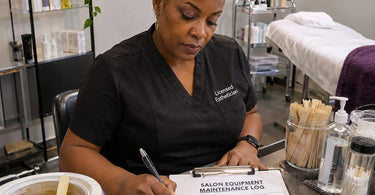
Success starts with this... knowing that your salon equipment will actually cooperate when your first client walks through the door. Because nothing adds unexpected excitement to a fully booked Tuesday quite like a pedicure chair that refuses to turn on, a towel warmer that has mysteriously retired, or a wax warmer that decides room temperature is its new personality. Keeping salon equipment maintenance logs might not sound as glamorous as choosing gorgeous new salon furniture, but those little records can make a surprisingly big difference in preventing service interruptions, protecting revenue, and keeping your team focused on clients instead of emergency troubleshooting.
For busy salon and spa professionals, equipment reliability is about much more than convenience. Every malfunction can create scheduling problems, frustrated employees, disappointed clients, and expenses that nobody included in the monthly budget. A simple, consistent maintenance log helps transform equipment care from something everyone assumes is happening into a process that can actually be tracked, reviewed, and improved.
Why Equipment Problems Always Seem to Happen at the Worst Possible Time
There is something almost comical about salon equipment timing. A piece of equipment can perform beautifully for months, only to develop a problem right before a bridal party arrives or during the busiest Saturday of the season. Unfortunately, the consequences are rarely funny.
A malfunctioning pedicure chair can interrupt several appointments. An unreliable professional wax warmer can delay waxing services. A facial steamer that stops producing consistent steam may require a treatment adjustment or rescheduling. Even a seemingly minor issue, such as a flickering magnifying lamp, can interfere with precise professional work.
The challenge is that many equipment failures are preceded by small warning signs. A motor becomes slightly louder. A heating cycle takes longer. A control button requires an extra press. A hose begins showing wear. These changes are easy to overlook when the appointment book is full.
Maintenance logs give those small observations somewhere to live before they turn into a much larger problem.
What Is a Salon Equipment Maintenance Log?
A salon equipment maintenance log is a written or digital record documenting the condition, inspection, servicing, and repair history of equipment used in a professional beauty or wellness business.
Think of it as a health history for your equipment, except nobody needs to explain why the facial steamer has been making that strange noise for three weeks.
A useful maintenance log generally includes the equipment name, manufacturer, model number, serial number, location, inspection date, observed condition, maintenance completed, person responsible, and recommended follow-up actions. It can also include service technician information, replacement parts, warranty details, and the next scheduled maintenance date.
For example, a log for a professional towel steamer might document that the unit was inspected, cleaned according to the manufacturer instructions, and checked for normal heating performance. If the door seal appeared worn, that observation would be recorded along with an appropriate follow-up action.
Instead of depending on someone's memory, the business now has a record that another employee or service technician can review.
How Maintenance Logs Help Prevent Unexpected Service Interruptions
The greatest benefit of equipment maintenance documentation is its ability to support proactive decisions. A maintenance log cannot guarantee that equipment will never fail, but it can help salon owners identify developing problems and address them before they interrupt appointments.
Consider a salon with multiple hair styling stations. One stylist notices that a professional dryer occasionally produces inconsistent airflow. Another stylist reports a similar issue several days later. Without documentation, these observations might remain separate conversations that nobody connects.
With a maintenance log, repeated complaints become visible. Management can arrange an appropriate inspection before the dryer fails during a service.
The same principle applies to facial steamers, towel steamers, hair styling tools and appliances, and other frequently used professional equipment.
Patterns matter. A single unusual sound might require observation. Repeated overheating, inconsistent performance, visible electrical damage, or unexplained shutdowns deserve prompt attention. Equipment presenting a safety concern should be removed from service until it has been assessed and cleared by a qualified professional.
Which Salon and Spa Equipment Should Have Maintenance Logs?
Not every tool requires the same level of documentation. Equipment that is expensive, heavily used, essential to booked services, or dependent on electrical, mechanical, heating, or plumbing systems generally deserves closer attention.
Pedicure chairs and spa systems: Track operational inspections, unusual sounds, control problems, leaks, drainage performance, and manufacturer-recommended servicing. Keep required cleaning and disinfection records separately or within a clearly identified sanitation section. Some jurisdictions have specific pedicure equipment cleaning log requirements.
Wax warmers: Document temperature inconsistencies, thermostat concerns, damaged cords, visible wear, and manufacturer-approved inspections. Never bypass safety controls or attempt unauthorized electrical repairs.
Facial and advanced skincare equipment: Monitor controls, attachments, operating performance, filters, reservoirs, and components requiring professional servicing. More specialized advanced spa equipment may require manufacturer-authorized maintenance.
Massage tables and treatment furniture: Record inspections of adjustment mechanisms, cables, upholstery, frame stability, locks, and powered components where applicable. Consider the manufacturer's load ratings and maintenance instructions.
Salon dryers, clippers, and styling appliances: Track issues involving airflow, heat, blade performance, batteries, cords, and manufacturer-approved cleaning or lubrication. Explore professional shears, clippers, and trimmers when evaluating tools that are becoming unreliable.
Towel warmers and steamers: Monitor heating performance, seals, trays, reservoir conditions, and other components specified by the manufacturer.
For businesses operating multiple treatment rooms, assigning a unique equipment identification number can make records considerably easier to organize.
Build a Maintenance Schedule Around Actual Equipment Use
One common mistake is creating a single maintenance schedule for every piece of equipment. That might be convenient for the calendar, but it rarely reflects how a professional salon actually operates.
A frequently used wax warmer and an occasionally used backup facial machine do not necessarily require identical maintenance schedules. Neither should a manual massage table and a sophisticated powered treatment chair.
Start with the manufacturer's instructions, applicable regulations, and service recommendations. From there, consider how frequently each item operates, how essential it is to appointments, and whether historical maintenance records reveal recurring problems.
Daily operator checks might include noticing abnormal sounds, visible damage, or changes in normal performance. Weekly reviews might focus on outstanding maintenance concerns and equipment that needs attention. Monthly or manufacturer-specified intervals can be used for deeper inspections and authorized servicing.
These are organizational categories, not universal technical maintenance intervals. The actual maintenance procedures and frequency should always follow the specific equipment requirements.
And remember that routine maintenance does not replace the cleaning and disinfection required between clients or at other prescribed intervals.
What Should a Practical Equipment Maintenance Log Include?
A useful log should provide enough detail to support decisions without becoming so complicated that employees avoid using it.
Include these essential fields:
- Equipment identification: Name, model, serial number, and location.
- Date and time: When the inspection, observation, or maintenance occurred.
- Employee or technician: Who performed the work or reported the concern.
- Equipment condition: Normal operation, unusual behavior, damage, or performance changes.
- Action completed: Inspection, approved cleaning, adjustment, service visit, or component replacement.
- Parts information: Replacement components used, ordered, or needed.
- Current status: Operational, monitoring required, awaiting repair, or removed from service.
- Follow-up responsibility: Who will arrange the next action and when it is due.
- Return-to-service approval: Confirmation that necessary repairs and checks were completed before equipment was used again.
For instance, a maintenance entry might read: Facial Steamer 02, November 6, intermittent steam output reported, unit removed from service, manufacturer-authorized technician contacted, follow-up assigned to salon manager.
That is far more useful than a sticky note saying, This thing is acting weird again.
How Maintenance Records Can Protect Salon Revenue
Unexpected equipment downtime creates costs that extend beyond the repair invoice.
If a salon cannot provide a booked service, it may lose appointment revenue, spend additional staff time rescheduling clients, or need to arrange an alternative treatment room. A disruption may also affect client confidence and future bookings.
Imagine a pedicure station generates $75 per appointment and normally accommodates four appointments during a busy afternoon. If the station becomes unavailable and none of those appointments can be recovered, the potential service revenue affected is $300, before considering labor scheduling, consumables, or other operating costs.
The actual financial impact depends on whether appointments are moved, completed at another station, or canceled entirely. Nevertheless, tracking interruptions alongside equipment maintenance can reveal which problems are most expensive.
A useful monthly review might compare maintenance expenses, number of equipment failures, service hours lost, canceled appointments, and recurring repair issues.
Over time, these records help management determine whether continued repairs are sensible or whether replacement equipment represents a better investment.
Maintenance Logs Make Replacement Parts Planning Easier
One particularly useful benefit of maintenance documentation is improved replacement parts planning.
Sometimes the problem is not a completely failed piece of equipment. It is one worn component that happens to be unavailable when needed.
A broken lamp, damaged attachment, deteriorating seal, or failing accessory can put otherwise functional equipment out of service. Recording recurring component issues helps salon owners identify which parts deserve additional attention.
Pure Spa Direct offers a variety of professional equipment categories, including bulbs and replacement parts for spa and salon equipment. Professionals can also browse magnifying lights and other relevant equipment collections when evaluating replacement needs.
Before purchasing a component, verify the exact manufacturer, model, part number, electrical specifications where relevant, and compatibility requirements. A replacement component that looks similar is not automatically suitable.
Maintaining a record of approved parts and dependable ordering information can simplify future purchasing decisions.
Keep Sanitation Logs and Equipment Maintenance Records Clearly Organized
Equipment maintenance and sanitation are closely related, but they are not interchangeable.
A maintenance log tracks mechanical condition, servicing, inspections, repairs, and equipment reliability. A cleaning and disinfection log documents required sanitation procedures and their completion.
For pedicure equipment in particular, state and local regulations may require detailed cleaning records, including dates, times, and employee identification. Requirements vary by jurisdiction and equipment type, so professional salon operators should check the rules that apply to their establishments.
Businesses can maintain these records within the same management system, provided the information remains clearly separated, complete, and accessible when required.
For daily hygiene operations, professionals can explore professional cleaners and disinfectants for salons and spas. Always confirm that products are appropriate for their intended surfaces and uses, and follow product labels, equipment instructions, and applicable regulations.
Documenting a sanitation procedure does not make an incorrect procedure acceptable. Proper cleaning and disinfection must actually be completed.
How to Get Employees to Actually Use the Logs
A maintenance system works only when employees participate. And if completing a log feels like filing a tax return every time someone notices a loose knob, participation may become surprisingly unpopular.
Keep the process straightforward. Use a short paper form at each workstation, a shared spreadsheet, or a simple digital checklist accessible from a staff device.
Assign responsibility for routine checks, make reporting expectations clear, and establish a straightforward way to escalate issues. Employees should know whom to contact when something appears unsafe or stops performing normally.
Managers should review outstanding issues regularly instead of collecting records that nobody ever reads.
It also helps to explain why the logs matter. A stylist reporting an unreliable dryer is not creating extra work for management. She may be preventing a more expensive interruption during a fully booked afternoon.
Encourage employees to report concerns early without feeling blamed for normal equipment wear. Accurate reporting is more valuable than a perfectly clean maintenance sheet that conveniently overlooks every problem.
Use Maintenance History to Decide When Equipment Needs Replacing
Eventually, maintenance records may reveal that a piece of equipment is approaching the end of its practical service life.
Repeated repairs, unavailable replacement parts, frequent breakdowns, rising maintenance costs, and persistent performance issues can all suggest that replacement should be evaluated.
Review the repair history alongside the equipment's age, condition, warranty status, current safety requirements, and importance to daily services.
For example, if a treatment chair requires increasingly frequent repairs and regularly interrupts appointments, buying a newer model may be more practical than continuing to invest in an unreliable unit.
Salon owners exploring replacement options can browse equipment and furniture for spas and salons, luxury spa furniture, and salon and barber furniture.
Pure Spa Direct is a professional distributor, not the manufacturer of every product it carries, so model-specific servicing requirements and compatible replacement parts should be confirmed against the applicable manufacturer's documentation.
Create an Equipment Downtime Backup Plan
Even an excellent preventive maintenance program cannot eliminate every unexpected malfunction. Equipment can fail without warning, replacement parts can be delayed, and outside repairs can take longer than anticipated.
That is why maintenance logs should support a broader downtime plan.
Identify which pieces of equipment are essential to your highest-volume services. Determine whether another workstation can accommodate the appointment, whether approved backup equipment is available, and who has authority to reschedule services.
Maintain readily accessible contact information for qualified service providers, relevant manufacturers, and equipment distributors. Keep important purchase and warranty information with the equipment records.
For some businesses, maintaining approved backup tools may be practical. A spare professional clipper, compatible lamp, or appropriate styling appliance can provide flexibility when a primary item needs servicing.
However, backup equipment should be inspected, maintained, and confirmed safe before use. A forgotten backup tool that has been sitting in a drawer for three years is not automatically ready for its big comeback.
Turn Equipment Maintenance Records Into Better Business Decisions
The most successful maintenance programs do more than record completed tasks. They help salon managers recognize opportunities for operational improvement.
Review maintenance data periodically and ask a few practical questions. Which equipment generates the most service calls? Which stations experience repeated interruptions? Are certain problems associated with heavy daily use? Are maintenance tasks being completed on schedule? Would an approved replacement part, professional service visit, or equipment upgrade resolve a recurring issue?
These questions connect equipment reliability directly to purchasing decisions, staff efficiency, and customer experience.
They also help prevent unnecessary spending. Instead of replacing equipment because of one isolated inconvenience, management can consider its documented performance history. Conversely, a pattern of costly repairs can provide a stronger justification for replacement.
For multi-location salon and spa businesses, standardized maintenance records can make comparisons easier and help purchasing managers identify equipment models that consistently perform well under similar conditions.
Small Maintenance Habits Can Prevent Big Salon Headaches
Salon equipment maintenance logs may never become the most exciting part of running a beauty business, but their practical value is difficult to ignore. They encourage earlier problem detection, improve communication between employees, support appropriate maintenance scheduling, simplify replacement parts planning, and make equipment purchasing decisions more informed.
Most importantly, they help protect the experience clients expect when they book professional services.
Start with your most essential equipment, create a simple recording system, assign clear responsibilities, and review the information consistently. Follow manufacturer instructions, prioritize safety, and keep required sanitation documentation current.
Whether you are managing a nail salon, waxing studio, barbershop, massage practice, or full-service spa, the goal is the same: fewer avoidable interruptions and more dependable appointments.
Explore professional salon and spa business supplies and equipment options at Pure Spa Direct as you plan maintenance, replacement purchases, and operational improvements. Because your appointment calendar already has enough surprises. Your equipment does not need to contribute any more.
