
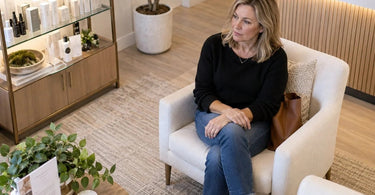
Achieve excellence, effortlessly... and sometimes, that starts with knowing when to turn the volume down. Picture a client walking into your beautifully decorated spa reception area, ready for a facial, massage, or much-needed appointment with her favorite stylist. She settles into a comfortable chair, takes a deep breath, and suddenly notices something: the room is completely silent. Is this a luxurious moment of tranquility, or has she accidentally wandered into the world's most elegant library? Understanding why waiting room silence can feel peaceful or painfully awkward is an important part of creating a welcoming experience that encourages clients to relax, trust your team, and look forward to returning.
For spa owners, salon managers, massage therapists, estheticians, and beauty professionals, the waiting area is more than a place to park clients until their appointment begins. It is the opening scene of the entire service experience. The sounds, furnishings, lighting, and even the way your receptionist greets someone can influence whether that first impression feels comforting or uncomfortable. The goal is not necessarily to eliminate silence. It is to make silence feel intentional.
Why Waiting Room Silence Can Feel Peaceful or Painfully Awkward
Silence is surprisingly complicated. In one setting, it communicates calm, privacy, and sophistication. In another, it creates the uncomfortable feeling that everyone can hear your stomach growling because you skipped lunch before your appointment.
The difference often comes down to expectations, environmental cues, and the amount of social pressure a client experiences while waiting.
Consider a luxury day spa with soft lighting, inviting luxury spa furniture, plush textiles, and a receptionist who offers a warm welcome. A quiet atmosphere in this setting can feel purposeful and restorative. Guests understand that slowing down is part of the experience.
Now imagine a busy nail salon with bright overhead lighting, several empty chairs, no background music, and a receptionist concentrating silently on a computer screen. That same level of quiet might make clients wonder whether they arrived at the wrong time or whether the staff realizes they are there.
Silence does not have a universal meaning. Your clients interpret it through everything happening around them.
When Silence Feels Like Luxury
A peaceful waiting room creates a sense of relief. Clients can step away from traffic, work emails, family responsibilities, and the endless parade of phone notifications demanding attention.
In massage studios, wellness centers, facial treatment practices, and destination spas, quiet surroundings often complement the services being offered. A guest who books a relaxation massage usually does not expect to hear a lively debate about weekend plans from the reception desk.
Several elements help quiet spaces feel luxurious rather than empty.
- Comfortable seating: Supportive chairs and attractive upholstery encourage guests to settle in rather than perch anxiously on the edge of their seats.
- Soft, balanced lighting: Warm illumination creates a welcoming atmosphere without making the room feel dark or neglected.
- Thoughtful visual details: Organized displays, coordinated furnishings, and clean surfaces communicate professionalism.
- Clear communication: A simple acknowledgment from the receptionist reassures clients that everything is running smoothly.
- Privacy: A quiet environment feels more relaxing when guests are not forced to overhear personal conversations or appointment details.
Professional reception furniture, coordinated spa essentials, and carefully selected accessories can help establish this sense of calm before anyone says a word.
The ideal feeling is that the client has permission to relax, not that she has been instructed to remain perfectly still until further notice.
When Silence Starts Feeling Painfully Awkward
Awkward silence tends to appear when clients feel uncertain about what they should do next.
Should they check in again? Is the esthetician running late? Can they talk on the phone? Is that other woman staring at them, or is she simply admiring their handbag?
Without familiar background sounds or reassuring activity, these small uncertainties can become much more noticeable.
One challenge is the contrast between silence and sudden noise. A dropped bottle, ringing telephone, squeaky chair, or loudly closing cabinet may seem especially disruptive when the surrounding room is extremely quiet.
Another challenge is conversational privacy. In a silent reception area, clients might hear appointment discussions, payment details, or personal information more clearly than anyone intended.
That can be particularly uncomfortable for guests visiting for sensitive skincare concerns, waxing appointments, or other personal services.
In these situations, silence is not automatically a sign of elegance. Sometimes it simply makes everyone a little too aware of everyone else.
The Sweet Spot Between Peaceful and Uncomfortably Quiet
Fortunately, creating a comfortable sound environment does not require turning your reception area into a concert venue.
For many spa and salon businesses, the most effective approach involves gentle background sound, predictable staff communication, and a physical environment that reinforces the desired atmosphere.
Soft instrumental music, subtle nature-inspired audio, or carefully selected ambient tracks can make waiting areas feel occupied without becoming distracting.
Volume matters just as much as musical style. Guests should be able to speak naturally with your receptionist without raising their voices. If clients need to repeat their names three times over a dramatic orchestral crescendo, the soundtrack may be working a little too hard.
Music should also reflect the services offered. A tranquil wellness studio may benefit from understated instrumental selections, while a fashionable hair salon might prefer a slightly livelier soundtrack that supports its social environment.
Importantly, businesses should use music services or recordings appropriately licensed for commercial playback. A personal streaming subscription does not necessarily authorize public performance in a professional salon or spa.
Reception Furniture Can Make Quiet Feel Comfortable
Sound is only one part of the waiting room experience. Physical comfort can influence how clients perceive the atmosphere around them.
Imagine sitting in a stiff chair, facing three strangers, with nowhere convenient to place your handbag. Even a perfectly curated ambient soundtrack might not rescue that experience.
Now picture a welcoming reception area with comfortable seating, thoughtful spacing, attractive side tables, and coordinated finishes. Suddenly, a few quiet minutes feel like a pleasant break rather than an awkward social experiment.
Investing in professional spa and salon furniture can help establish an atmosphere that feels polished and intentional.
Consider the following details when arranging your space.
- Seat orientation: Avoid forcing every guest into direct eye contact with another waiting client.
- Personal space: Allow comfortable separation between seats whenever your floor plan permits.
- Clear walkways: Clients should be able to reach reception and treatment areas without navigating an obstacle course of chairs and retail displays.
- Easy-to-clean materials: Choose commercial furnishings compatible with your cleaning procedures and expected client traffic.
- Convenient personal storage: Provide sensible places for coats, handbags, or other belongings when appropriate.
Facilities offering manicures and pedicures should also think about how the waiting area transitions into service spaces equipped with nail tables and manicure stations or pedicure chairs and spas. Consistent design can help clients move comfortably from arrival into treatment.
How Staff Behavior Changes the Meaning of Silence
A peaceful waiting room can become uncomfortable surprisingly quickly when guests feel ignored.
The solution does not require constant conversation. In fact, some clients specifically choose spa services because they want a break from talking.
Instead, train your reception team to provide friendly, efficient communication that removes uncertainty.
A warm greeting, confirmation of the appointment, and a brief explanation of what happens next can make an enormous difference.
For example, a receptionist might say, Welcome! We have you checked in for your facial. Your esthetician will be with you shortly. Please make yourself comfortable.
That interaction gives the guest valuable information without interrupting the peaceful atmosphere.
If a service is delayed, a discreet update can prevent clients from wondering whether they have been forgotten. Be realistic about timing rather than promising an arrival that your team cannot guarantee.
Staff should also avoid filling every quiet moment with small talk. A client reading a magazine or resting quietly may be enjoying the silence rather than desperately hoping someone will ask about the weather.
Successful hospitality means reading the room, not narrating it.
Privacy Is Essential to a Relaxing Reception Area
Privacy deserves special attention in businesses offering massage, waxing, skincare consultations, and personalized beauty services.
In an extremely quiet reception space, ordinary conversations may become surprisingly easy to overhear.
Discussing a client's treatment concerns, appointment history, or payment information within earshot of other guests can create discomfort and potentially raise confidentiality concerns.
Background music may make nearby speech less prominent, but it is not a substitute for proper privacy practices or acoustic separation.
Whenever possible, handle sensitive discussions in a private treatment or consultation area. Position reception seating away from desks where confidential conversations frequently occur, and coach staff to use discreet language.
Soft furnishings and appropriate acoustic materials may also reduce some distracting reflections and echoes. However, decorative fabrics alone will not reliably soundproof conversations.
Clients should feel comfortable knowing that a routine discussion about their appointment will not become the unofficial entertainment for everyone waiting nearby.
Use Lighting, Textures, and Amenities to Support the Mood
When a waiting room is visually inviting, silence is more likely to feel like part of a thoughtful experience.
Soft lighting can help create an intimate atmosphere, while a clean, uncluttered reception desk signals organization and attention to detail.
Freshly presented professional towels, attractive treatment accessories, and coordinated textiles may reinforce the quality clients expect from a professional beauty business.
For spas that offer warm towels as part of their service, towel steamers can support a welcoming treatment ritual when used according to equipment instructions and hygiene requirements.
Some establishments also incorporate subtle fragrances using aromatherapy supplies. If you choose this approach, keep fragrance intensity restrained and remember that some guests have allergies, asthma, migraines, or fragrance sensitivities. A fragrance-free option may be the more inclusive choice.
The objective is to create a comfortable sensory environment, not a room where clients are overwhelmed by lavender before reaching the sign-in desk.
Different Services Need Different Waiting Room Atmospheres
There is no single soundtrack or noise level that works equally well for every beauty and wellness business.
Massage studios: A quiet, low-stimulation reception area can reinforce the relaxation associated with professional massage and wellness services. Comfortable seating and subtle background audio generally fit the experience.
Facial spas: Guests preparing for advanced skincare treatments may appreciate calm music, soft lighting, and a sense of discretion. Well-presented facial treatment products can help communicate the professional nature of the services offered.
Waxing studios: Some guests arrive feeling a little nervous, particularly before their first appointment. Friendly communication and gentle background sound can make the space less intimidating. Keeping professional waxing supplies organized and treatment areas private helps establish confidence.
Hair salons: A lively atmosphere may be part of the business personality. Clients often expect conversation, movement, and upbeat energy. The key is maintaining pleasant sound levels rather than allowing blow dryers, music, and overlapping conversations to compete for attention.
Nail salons: Waiting areas may sit near active manicure and pedicure stations. Thoughtful music choices and equipment placement can help balance the sounds of ongoing services with comfortable conversation.
Lash and brow studios: Guests may appreciate an atmosphere that feels intimate, polished, and restful. A coordinated reception area can complement the precision and personal attention associated with lash and brow services.
Rather than copying another business's atmosphere, consider what your own clients expect when they walk through the door.
Five Common Waiting Room Mistakes to Avoid
Even an attractive reception area can feel uncomfortable when a few overlooked details interfere with the guest experience.
- Leaving clients unsure about check-in: A beautiful room is not particularly reassuring if no one knows whether they should announce their arrival. Use clear signage and consistent greetings.
- Playing music too loudly: Background audio should support conversation, not drown it out. Adjust volume during busy periods as needed.
- Allowing unexpected equipment noises: Squeaky furniture, rattling ventilation, and repeatedly slamming doors can become irritating in otherwise quiet surroundings. Include these issues in routine facility inspections.
- Overcrowding the seating area: Too many chairs can make clients feel confined, while poorly spaced furniture may create uncomfortable face-to-face waiting arrangements.
- Confusing silence with attentive service: Quiet can be calming, but guests still need acknowledgment, information, and timely assistance.
Regular cleaning and maintenance also matter. Appropriate professional cleaners and disinfectants, used according to label directions and surface compatibility, help maintain a welcoming reception environment.
How to Test Whether Your Waiting Room Feels Peaceful or Awkward
You do not need an expensive renovation to start improving the atmosphere. A simple observation exercise can reveal surprisingly useful information.
Choose a typical business day and spend ten minutes sitting in your waiting area as though you were a first-time customer. Ideally, repeat the exercise during both quieter and busier hours.
Notice what you hear first. Is there gentle background music, comfortable conversation, or an unexpectedly loud refrigerator humming in the corner?
Pay attention to whether guests can understand the receptionist clearly. Listen for distracting sounds coming from treatment rooms, hallways, and workstations.
Then consider the visual environment. Is the seating comfortable? Can clients easily identify where to check in? Do the furnishings and lighting communicate the experience your business wants to deliver?
Finally, ask clients for feedback using simple, neutral questions. Was the waiting area comfortable? Was the music volume appropriate? Did they feel welcomed and informed?
Avoid asking leading questions that suggest clients should have enjoyed the silence. Their actual impressions are more valuable than polite agreement.
Review responses over time and look for recurring patterns. If several guests describe the reception area as too quiet, too noisy, or insufficiently private, you have a useful starting point for improvement.
Small Improvements That Can Make a Big Difference
Many waiting room upgrades are relatively straightforward and do not require major remodeling.
Start by choosing an appropriate background sound level and giving staff simple guidelines for maintaining it. Keep the playlist consistent with your brand and avoid abrupt transitions, advertisements, or songs that conflict with the desired atmosphere.
Next, evaluate furniture placement. Explore reception furniture that supports comfortable seating and efficient traffic flow.
Update worn accessories, replace distracting lighting, and organize retail displays so they feel inviting rather than crowded. Carefully selected spa retail products can create visual interest and introduce guests to relevant home-care options without aggressive sales pressure.
Provide an easy way for clients to communicate preferences. Some may welcome music, while others are sensitive to sound and appreciate quieter surroundings.
Finally, train staff to treat the waiting experience as part of the service rather than as empty time between appointments.
When your reception team, furnishings, and atmosphere work together, clients are less likely to notice awkward gaps and more likely to feel comfortable.
Build an Atmosphere That Supports Your Business
A well-designed waiting room can reinforce the professionalism of your services and help guests feel confident in the experience ahead.
That confidence is valuable whether your business specializes in relaxing massage sessions, advanced facials, professional waxing, nail care, or salon treatments.
Pure Spa Direct offers access to professional beauty and wellness supplies from a variety of manufacturers, helping spa and salon operators explore equipment, furnishings, and everyday essentials suited to their businesses.
From spa and salon equipment and furniture to professional spa apparel and salon and spa business essentials, the right operational choices can support a more organized, welcoming environment.
The best reception experience is not necessarily the quietest, the fanciest, or the one with the longest instrumental flute playlist known to humanity. It is the one that makes clients feel comfortable, acknowledged, and ready for their appointment.
Frequently Asked Questions About Spa and Salon Waiting Room Silence
Should a spa waiting room be completely silent?
Not necessarily. Some clients enjoy near-silence, while others prefer subtle background music or ambient sound. The best approach depends on your services, client preferences, and the overall reception environment.
Why does a quiet salon sometimes feel uncomfortable?
Quiet surroundings can make small noises, personal conversations, and uncertainty about waiting times more noticeable. Clear communication, thoughtful seating arrangements, and appropriate background audio can help.
What kind of music works best in a spa reception area?
Gentle instrumental, ambient, or other low-distraction selections often work well. Choose music that suits your business identity, keep it at a conversational volume, and make sure playback is properly licensed for commercial use.
How can I improve my waiting room without remodeling?
Start with staff greetings, furniture placement, lighting adjustments, organized surfaces, and a more intentional approach to sound. Small improvements can change how clients experience the room.
Does background music guarantee conversation privacy?
No. Background music may reduce how noticeable some conversations are, but it does not guarantee confidentiality. Sensitive discussions should be handled discreetly and, when appropriate, in more private areas.
Final Thoughts: Make Every Quiet Moment Feel Intentional
Understanding why waiting room silence can feel peaceful or painfully awkward helps spa and salon professionals pay attention to a detail that is easy to overlook.
Quiet is not the problem. Uncertainty, discomfort, excessive noise contrast, and a lack of welcoming cues are usually the bigger challenges.
By combining thoughtful reception design, appropriate sound levels, comfortable furniture, professional supplies, and warm hospitality, you can create a waiting area that feels like a natural extension of your services.
And if a client happens to enjoy a few uninterrupted minutes of silence before her appointment? Wonderful. That might be the most relaxing part of her entire Tuesday.
