
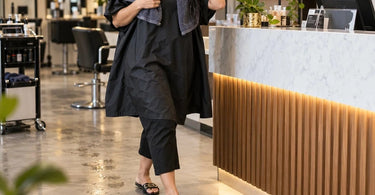
Let your work do the talking... but preferably not through the sound of someone sliding across your salon floor like a contestant in an accidental ice-skating competition. Wet hair may seem like an ordinary part of a busy salon day, but those damp strands can create surprisingly slippery conditions in places nobody expects. Between shampoo bowls, styling chairs, product stations, and the occasional client who leaves the wash area with a towel wrapped around their head, moisture has a remarkable talent for traveling. Understanding why wet hair makes salon floors slippery in unexpected places can help beauty professionals create safer workspaces without slowing down the fabulous transformations happening in their chairs.
Most stylists know to clean up obvious puddles around shampoo stations. The less obvious problem is what happens when water, loose hair, and styling product residue spread beyond those designated wet areas. A floor can look perfectly dry while still holding enough moisture or residue to reduce traction. And because salon professionals spend hours moving between chairs, sinks, carts, and reception areas, even a small slippery patch deserves attention.
Why Is Wet Hair So Slippery on Salon Floors?
Wet hair creates several different floor hazards, and they do not all involve visible puddles. Freshly washed strands can carry water from the shampoo bowl to the styling station. Loose damp clippings may cling together on smooth flooring. Hair products can also leave residue that becomes particularly troublesome when combined with moisture.
The important distinction is that wet hair does not magically turn every floor into a skating rink. Instead, it can introduce moisture, move contaminants, and contribute to slippery conditions depending on the flooring material, the products involved, and how quickly the area is cleaned.
For example, a freshly shampooed client might walk only a few steps from the wash station to the cutting chair. During that short trip, droplets can fall from the ends of their hair. Those droplets may be small enough to escape notice, especially on glossy tile or dark flooring.
Now add a stylist moving quickly between appointments while wearing shoes with worn soles. Suddenly, that nearly invisible moisture becomes a much bigger concern.
Understanding these everyday risks is part of maintaining a professional environment, just like keeping quality Professional Hair Salon & Barber Shop Supplies organized and accessible.
The Shampoo Bowl Is Not the Only Danger Zone
Ask most salon professionals where the wettest floor is located, and they will probably point directly at the shampoo bowls. Fair answer! However, moisture does not necessarily stay where the plumbing lives.
Consider the normal journey of a client receiving a shampoo, haircut, treatment, and blowout. Water can travel along that entire route.
Between the shampoo station and styling chair: Freshly washed hair may continue dripping even after a thorough towel blot. A few drops can land in the walkway, especially when clients have long, thick, or highly textured hair that retains water.
Behind styling chairs: Damp sections of hair may fall during cutting or detangling. Moisture can accumulate in small areas underneath equipment or near chair bases.
Beside rolling carts: Wet brushes, combs, clips, and towels may transfer moisture onto cart shelves. Water can then drip onto the floor as the cart moves.
Near product mixing stations: Styling products, water, and spilled solutions can create slippery patches, particularly when residue is not removed completely.
Along the route to the restroom: Clients sometimes leave styling chairs with damp hair during longer appointments. Small droplets can follow them into areas that are not routinely checked for salon-related moisture.
At the reception desk: A client arriving with rain-soaked hair or leaving after a treatment can introduce moisture near the entrance and checkout area.
The lesson? Your salon has more potential wet zones than the official shampoo area. Those surprise locations deserve regular attention.
How Wet Hair Clippings Contribute to Slippery Surfaces
Hair clippings are a familiar part of salon life. They appear after haircuts, beard trims, bang adjustments, and practically any service involving scissors or clippers. Dry clippings should be removed promptly because they can collect underfoot, interfere with housekeeping, and spread throughout the workspace.
When those clippings become wet, cleanup can become more complicated.
Damp strands tend to cling to floors, shoes, equipment bases, and cleaning tools. Fine hair may gather in small patches that are easy to overlook. If those patches contain water or slippery styling residue, they can contribute to reduced traction.
Long strands create another challenge. They may wrap around chair bases, collect beneath carts, or become trapped near floor transitions. These clumps can retain moisture and make the surrounding area harder to clean effectively.
One particularly frustrating scenario involves sweeping hair into a pile immediately after a shampoo-related service. If the floor is still damp, the broom may spread moisture while pushing strands across the surface.
Congratulations, the hair is technically moving toward the trash. Unfortunately, the water may be going on a little field trip of its own.
For best results, remove loose hair using appropriate cleaning methods, address moisture separately, and confirm that the floor is dry before resuming normal foot traffic.
The Hidden Role of Conditioner and Styling Product Residue
Water is only part of the equation. Professional hair services involve conditioners, leave-in treatments, styling creams, oils, gels, sprays, and other products designed to improve how hair looks and feels.
These formulations belong on the hair, not underneath someone's shoes.
Conditioning products and styling oils can leave residues that change how a floor feels underfoot. A tiny amount of product may be difficult to see, especially after it has been spread across a larger area by shoes or cleaning equipment.
When moisture combines with accumulated product residue, the resulting surface can be harder to navigate safely.
Some common trouble spots include:
- The area beneath styling stations where finishing sprays are frequently used.
- Flooring beside shampoo bowls where conditioning products may drip.
- Spaces around color-processing stations where water and product spills occur.
- The area surrounding rolling carts that hold leave-in conditioners, oils, and styling creams.
- Floor sections near product dispensers or frequently handled bottles.
Regular cleaning with products suitable for the flooring material can help remove residue rather than simply spreading it around. Explore Professional Cleaners & Disinfectants for Salons and Spas for professional cleaning supplies, while remembering that a disinfectant is not automatically the correct cleaner or degreaser for every floor.
Always follow the floor manufacturer's care instructions and the cleaning product's label. Never assume that using more cleaner will make the floor safer. Excess solution or improperly rinsed residue can create another problem.
Why Salon Flooring Can Hide Moisture So Easily
Salon floors are usually selected for practical reasons. They need to look attractive, withstand frequent cleaning, and handle steady foot traffic. Popular options include ceramic tile, luxury vinyl, sealed concrete, and other commercial flooring materials.
Unfortunately, appearance does not always reveal traction.
Dark flooring can make water droplets difficult to identify. Glossy surfaces may reflect overhead lighting in ways that camouflage damp patches. Textured flooring may provide better grip under certain conditions but can also trap hair and residue in small grooves.
Grout lines, seams, floor transitions, and the edges of mats deserve special attention because moisture and clippings may collect there.
And remember that no flooring material should be assumed slip-resistant under every condition. Performance can change when a surface becomes wet or contaminated.
If your salon is selecting or replacing flooring, consider the manufacturer's documented slip-resistance characteristics, expected wet-service conditions, maintenance requirements, and relevant local building standards. A beautiful floor should support safe movement, not just fantastic Instagram photos.
The Unexpected Problem With Wet Towels
Salon towels work hard. They absorb water after shampoos, protect clothing during treatments, and help stylists control moisture throughout a service.
However, a saturated towel can also become a transportation system for unwanted water.
When damp towels are carried across the salon, droplets may fall onto the floor. A towel placed on the edge of a cart can slowly drip onto nearby flooring. An overfilled towel hamper may introduce moisture around the collection area.
Using absorbent, appropriate High-Quality Towels and a reliable laundry-handling routine can help professionals manage this problem.
Consider assigning a designated container for used wet towels, positioned where it will not create a walking obstruction. Avoid leaving saturated towels on furniture edges, carts, or countertops where water can drip unnoticed.
Staff should also replace heavily saturated towels during services rather than continuing to use a towel that has already reached its absorption limit.
A fresh towel is a lot less expensive than an avoidable slip incident.
How Salon Equipment Can Spread Water Beyond Wet Areas
Salon equipment moves constantly throughout the day. Rolling carts travel from one station to another. Adjustable chairs rotate. Portable tools get repositioned. Cleaning equipment moves between treatment areas.
Anything that touches a damp or contaminated surface can potentially transfer some of that moisture or residue elsewhere.
Cart wheels are particularly easy to forget. A cart parked beside a wet shampoo station may roll through a damp patch before being moved across the salon. Hair clippings and residue can also collect around wheels, making them harder to clean.
Chair bases create similar housekeeping challenges. Their edges can trap hair, and moisture may remain underneath them when surrounding floors appear clean.
Build equipment checks into the daily cleaning routine:
- Inspect cart wheels for trapped hair and visible residue.
- Check beneath and around chair bases for damp clippings.
- Clean spills from equipment before moving it into another area.
- Keep frequently used tools organized to reduce unnecessary movement.
- Maintain clear, unobstructed pathways around furniture.
When considering new Professional Salon Equipment for Top Stylists and Barbers, think about how easily the equipment can be cleaned and whether its design provides sufficient access to surrounding floor areas.
How to Build a Salon Floor Safety Routine That Actually Works
The best housekeeping system is not necessarily the most complicated. It is the one employees can follow consistently, even during a packed Saturday appointment schedule.
A practical routine should focus on preventing moisture from spreading, removing contamination promptly, and keeping walking surfaces clean and dry.
Before opening: Inspect shampoo areas, styling stations, walkways, reception, restrooms, and employee spaces. Check for water, product residue, loose hair, curled mat edges, and obstructions.
After every shampoo service: Check the floor surrounding the bowl and the route to the styling chair. Address visible drips before the next client walks through.
After cutting services: Remove hair clippings promptly using an appropriate cleaning method. Check for damp strands near the chair base and surrounding equipment.
After product spills: Clean the affected area using the correct procedure for the product and flooring. Do not rely on a quick dry wipe if residue remains.
During busy periods: Assign responsibility for checking shared walkways and high-traffic areas. Everyone should know who responds when a hazard is discovered.
At closing: Complete a thorough inspection, clean according to the floor manufacturer's instructions, and allow surfaces to dry completely before reopening the area to foot traffic.
Importantly, staff should never leave a slick floor accessible simply because the appointment schedule is running behind. A few moments spent addressing a hazard can prevent a much bigger interruption.
Why Mopping Alone Is Not Always Enough
There is a common misconception that a freshly mopped floor is automatically a safer floor. Sometimes, the exact opposite is true until the surface has dried.
Using too much water can spread moisture into surrounding areas. Dirty mop heads may move residue rather than remove it. Cleaning products used at incorrect concentrations can leave unwanted films.
Another issue is cleaning without removing loose hair first. Clippings can become tangled in mop fibers and then reappear somewhere else on the floor.
For effective floor maintenance, start by removing loose debris using a method appropriate for the surface and conditions. Select a compatible cleaning product, follow its dilution and application instructions, and remove remaining moisture as directed.
Use wet-floor warnings and physically restrict access when needed. Signs provide important notice, but they do not replace the need to keep people away from hazardous surfaces until they are safe for walking.
If a particular spot repeatedly becomes slippery, investigate the underlying cause instead of simply mopping it again. A recurring problem may involve overspray, leaking plumbing, poor drainage, equipment placement, or inappropriate cleaning products.
Small Changes That Help Keep Shampoo Stations Safer
The shampoo station is an excellent place to prevent problems before they spread.
Start by checking that bowls, hoses, faucets, and plumbing connections are functioning properly. Persistent drips can introduce moisture even when no client is receiving a shampoo.
Position towels and other absorbent supplies within easy reach so stylists do not need to cross the room with dripping hands or hair.
Before clients leave the shampoo chair, blot excess moisture from their hair. For longer hair, consider temporarily securing damp lengths with an appropriate towel or wrap while the client moves to the styling station.
Keep Professional Hair Brushes & Combs for Stylists and other shampoo-related supplies organized so employees are not constantly moving wet tools between stations.
If floor mats are used in designated areas, choose commercial options suitable for the location, maintain them according to their instructions, and check that they lie flat and do not create additional trip hazards. Mats should not conceal ongoing leaks or substitute for proper cleanup.
A well-organized shampoo area helps the team focus on providing a relaxing client experience instead of chasing mysterious droplets across the salon.
What Every Salon Team Member Should Know About Slip Prevention
Floor safety works best when it becomes a shared habit rather than one person's never-ending responsibility.
Stylists, assistants, shampoo technicians, barbers, reception employees, and cleaning personnel all notice different parts of the salon throughout the day.
A receptionist may spot a damp entrance before a stylist does. An assistant might notice water beneath a shampoo chair. A barber may discover that a rolling workstation is tracking damp hair into a hallway.
Encourage employees to report these observations immediately and establish a simple response procedure.
Training should explain how to identify moisture and residue, where cleaning supplies are stored, which products are approved for each floor surface, and how to restrict access to a hazardous area.
Team members should also understand the importance of appropriate slip-resistant footwear, particularly when their duties involve wet processes. Footwear helps reduce risk but does not eliminate the need for housekeeping.
Periodic inspections and discussions can reveal recurring trouble spots that might otherwise go unnoticed.
And if someone reports the same slippery corner for the third time this week, that is not a cue to buy a bigger warning sign. It is a cue to figure out why that corner keeps getting slippery.
Salon Supplies That Support Better Housekeeping
Keeping a professional salon organized requires more than an occasional sweep. A consistent routine depends on having suitable supplies available where employees actually need them.
Depending on the salon's layout and services, useful items may include designated cleaning tools, absorbent towels, appropriate floor-cleaning products, clearly labeled containers, and professional storage solutions.
Pure Spa Direct helps beauty businesses source professional products and supplies across many service categories. Salon owners can explore Must-Have Supplies for Salon & Spa Business Success when organizing their operating essentials.
For additional housekeeping needs, browse Salon Cleaning Supplies, Salon Towels, and Salon Storage.
The goal is not to collect a mountain of cleaning equipment. It is to maintain a practical system that keeps the right supplies accessible and supports the cleaning procedures your salon already follows.
Frequently Asked Questions About Wet Hair and Slippery Salon Floors
Can wet hair make a floor slippery even without a visible puddle?
Yes. Damp hair can transfer small amounts of moisture, and wet clippings may collect alongside product residue. On certain floor surfaces, even a thin moisture film can reduce traction without forming an obvious puddle.
Are wet hair clippings more dangerous than dry clippings?
Both require prompt cleanup. Damp clippings can be harder to remove because they cling to surfaces and equipment, and they may occur alongside moisture that creates slipping hazards. The actual risk depends on floor conditions, residue, footwear, and traffic.
Why does the salon floor feel slippery after cleaning?
Possible reasons include remaining moisture, excessive cleaning solution, incomplete rinsing, accumulated product residue, or a cleaning method that is unsuitable for the flooring. Review the floor manufacturer's instructions and the cleaning product label.
Where should salon employees check for unexpected moisture?
Beyond shampoo bowls, inspect styling chair bases, rolling cart routes, towel collection areas, product stations, reception, hallways, entrances, and places where clients move after shampoo services.
Do anti-slip mats eliminate salon floor hazards?
No. Properly selected and maintained mats may help in suitable locations, but they can also introduce hazards if they curl, slide, trap moisture, or interfere with walking paths. They should complement an effective cleaning and inspection program.
How often should a salon clean up wet hair and floor spills?
Spills and hazardous contamination should be addressed promptly. Hair should be removed between services as appropriate, while high-traffic areas should receive regular inspections throughout the workday. The exact routine should reflect the services, layout, and risk conditions of the business.
A Safer Salon Starts With the Details Everyone Overlooks
Wet hair is simply part of professional beauty services. The challenge is preventing the moisture and residue associated with those services from creating hazards throughout the workspace.
From shampoo bowls and rolling carts to styling chairs and seemingly innocent hallway corners, slippery conditions can develop in unexpected places. Recognizing how water, clippings, and hair products move through the salon makes it easier to build smarter housekeeping habits.
Consistent inspections, prompt cleanup, appropriate cleaning methods, organized equipment, and team communication all contribute to a more dependable salon environment.
Pure Spa Direct supports salon, spa, barber, and beauty professionals with a wide selection of wholesale supplies and business essentials. Explore our Professional Hair Salon & Barber Shop Supplies and Professional Cleaners & Disinfectants for Salons and Spas to help keep your workplace equipped for everyday operations.
Because the only dramatic entrance your salon needs is a client revealing their fabulous new hair. Nobody needs an unexpected floor slide as the encore.
