
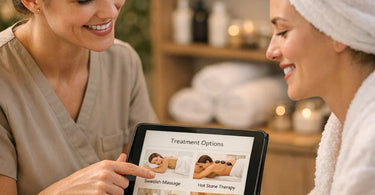
Start strong, finish stronger—this isn't just a motto for athletes; it's the perfect strategy for building trust with your massage clients. How? By meeting them where they are, long before they're on your table. Let's be honest, for many people, the world of massage can be a confusing tangle of unfamiliar words. Is a "Swedish" different from a "Deep Tissue"? What on earth is cupping therapy, and will it leave me looking like I lost a fight with an octopus? This knowledge gap is more than a minor inconvenience; it's the single biggest barrier stopping potential clients from booking that first, life-changing appointment. When people feel intimidated or confused, they simply don't book. The good news? As a spa professional, you have the power to change that instantly. By becoming a trusted source of clear, friendly information, you transform uncertainty into confidence and curiosity into bookings. This comprehensive glossary is your secret weapon. Use it to educate clients on your website, in social media snippets, or as a handy reference during consultations. When clients feel informed, they feel empowered. And empowered clients are loyal, relaxed, and ready to receive the incredible benefits of your work.
We've decoded everything from the basic strokes to the buzziest modern modalities, all while keeping our signature blend of warmth and wit. Because knowing the difference between "effleurage" and "petrissage" shouldn't require a medical degree—it should feel as relaxing as the massage itself. Let's dive in and turn industry jargon into client confidence.
The A to Z of Massage: From Anatomy to Zen
We're starting with the building blocks—the terms that describe what we're working on and the foundational techniques every client should know.
Abduction/Adduction: Think "abduct" as in to take away. Abduction is movement away from the body's midline (like lifting your arm out to the side). Adduction is movement toward the midline. Your therapist isn't just moving your limbs; they're guiding your joints through their natural ranges of motion to improve flexibility and release tension.
Acupressure: Often called "acupuncture without needles," this traditional Chinese technique uses firm finger pressure on specific points of the body to stimulate energy flow, ease tension, and promote relaxation. It's perfect for clients curious about energy work but hesitant about needles.
Deep Tissue Massage: This method focuses on the deeper layers of muscle and connective tissue (fascia). Therapists use slower strokes and more intense pressure to address chronic tension and muscle "knots." It's highly therapeutic but communication about pressure is key—it should be a "good hurt," not a white-knuckle experience. Equip yourself with top-tier massage lotions for the perfect glide during these deeper sessions.
Effleurage: A staple of Swedish massage, this is a light, gliding stroke used to apply oil, warm up the tissue, and begin the relaxation process. It's the "hello, I'm here to help" of massage strokes.
Fascia: This is the unsung hero (or sometimes, villain) of the body. It's a web-like connective tissue that surrounds and supports every muscle, organ, and nerve. When it gets tight or restricted, it can cause pain and limit movement. Much of modern therapeutic work, like myofascial release, focuses on freeing this tissue. Having the right tools, like those from Theratools, can make all the difference.
Hot Stone Massage: A fan-favorite for a reason. This therapy uses smooth, heated basalt stones placed on key points and used as an extension of the therapist's hands. The heat penetrates deeply to soothe muscles, melt stress, and induce a state of profound calm. Ensure your service is flawless with reliable equipment from our Hot Stones and Warmers collection.
Lymphatic Drainage: A vastly different feel from deep tissue, this gentle, rhythmic technique is designed to stimulate the lymphatic system. Think of it as encouraging your body's internal drainage system to reduce puffiness (edema) and support the immune system. It's incredibly gentle and feels like a light, feathering touch.
Modalities & Specialties: Finding the Perfect Fit
Now let's explore the distinct "flavors" of massage. Helping a client choose the right one is like being a sommelier for relaxation.
Ashiatsu (Oriental Bar Therapy): This deep, barefoot massage technique uses the therapist's feet to deliver broad, gliding compression. Using overhead bars for balance, the therapist can apply steady, deep pressure that many find more comfortable than deep tissue work with elbows. It's not for the faint of heart, but devotees swear by it.
Chair Massage: Also known as seated massage, this is done in a specially designed chair and focuses on the neck, shoulders, back, and arms. It's a fantastic gateway service for new clients, perfect for corporate wellness events, and a great upsell for salon clients waiting for color to process. Explore our massage chair options to add this versatile service.
Cupping Therapy: Made famous by Olympic athletes, this ancient technique uses suction cups on the skin to lift tissue, increase blood flow, and release myofascial restrictions. It often leaves temporary, circular marks that fade in a few days—be sure to inform clients beforehand! It's a powerful tool for pain relief and recovery. Stock up on all you need from our dedicated Cupping collection.
Myofascial Release: This targeted approach addresses the fascial network we discussed earlier. Therapists use slow, sustained pressure and stretching to release restrictions and restore ease of movement. It can be incredibly effective for chronic pain and that "stuck" feeling in the body.
Prenatal/Pregnancy Massage: A specialized modality for expectant mothers, with careful attention to positioning (usually side-lying with plenty of support) and techniques that address common discomforts like lower back pain and swelling. It provides much-needed relief and nurturing support.
Reflexology: This practice is based on the principle that specific points on the feet, hands, and ears correspond to organs and systems in the body. Applying pressure to these points is believed to promote health in the corresponding area. At the very least, it's an incredibly relaxing foot massage!
Shiatsu: A Japanese form of bodywork meaning "finger pressure." It involves rhythmic pressing along energy pathways (meridians) and is performed on a mat with the client fully clothed. No oils are used, making it a clean and grounding experience.
Sports Massage: Geared toward athletes and active individuals, this modality can be tailored for pre-event (to warm up), post-event (to recover), or injury treatment. It often incorporates stretching and techniques to enhance performance and flexibility.
Swedish Massage: The most common and widely known form in the West. It's a system of five main strokes—including effleurage and petrissage—designed to promote relaxation, improve circulation, and ease muscle tension. It's the perfect introduction to the world of massage.
Thai Massage: Often described as "yoga for the lazy person," this is an interactive, energizing practice. The client wears loose clothing and lies on a mat while the therapist guides them through assisted yoga stretches and applies acupressure. It's fantastic for improving flexibility and relieving deep-seated tension.
Trigger Point Therapy: This technique targets hyperirritable "knots" in a muscle that can cause local and referred pain. By applying focused pressure to these points, the therapist aims to release the knot and alleviate pain patterns. It can be intense but highly effective.
Essential Spa & Wellness Lingo
Massage doesn't exist in a vacuum. It's part of a larger wellness ecosystem. Here are key terms that often pop up in a full-service spa menu.
Aromatherapy: The use of essential oils extracted from plants to enhance psychological and physical well-being. Scents like lavender for relaxation or peppermint for invigoration can profoundly elevate a treatment. Create your signature blends with supplies from ESS Aromatherapy.
Balneotherapy: The fancy term for therapeutic bathing, often using mineral-rich waters, mud, or salt scrubs. It's the science behind why a good soak feels so healing.
Hydrotherapy: The use of water in any form (jets, showers, baths) for pain relief and treatment. From a relaxing Vichy shower after a body scrub to targeted jet massage, water is a powerful therapeutic tool.
Paraffin Treatment: A luxurious treatment where hands or feet are dipped in warm paraffin wax. The heat soothes aching joints, while the wax forms a moisturizing barrier that leaves skin incredibly soft. Discover everything you need in our Paraffin collection.
Qi (pronounced "chee"): In traditional Chinese medicine, this is the vital life force or energy that flows through the body along pathways called meridians. The goal of practices like acupuncture and acupressure is to ensure the smooth, balanced flow of Qi.
Professional Terminology & Best Practices
This final section is for you, the professional. It covers the terms that define your craft, your ethics, and your business.
Bodywork: An umbrella term for a wide range of touch-based therapies that manipulate the body's soft tissues to improve health and well-being. Massage therapy is a key part of bodywork.
Draping: The use of sheets, blankets, or towels to cover a client during a massage, ensuring only the area being worked on is exposed. Proper draping is non-negotiable for client comfort, safety, and professionalism. Maintain the highest standards with quality Salon & Spa Bedding.
Licensed Massage Therapist (LMT) / Massage Therapist: The preferred modern title for a trained professional. It signifies specific education, passing a licensing exam, and adherence to a code of ethics. The older terms "masseuse" and "masseur" have fallen out of favor in professional settings due to historical connotations.
Palpation: The skilled use of touch to assess the condition of tissues, locate areas of tension, and determine the appropriate treatment. It's how your hands "listen" to the client's body.
Scope of Practice: The legal and ethical boundaries that define what services a licensed massage therapist can perform. It typically excludes diagnosing illness, prescribing medication, or performing spinal adjustments. Knowing and respecting your scope is paramount.
Your Toolkit for Confident Conversations
Now that you're armed with this knowledge, how do you use it? Here are three easy ways to turn this glossary into client conversions:
1. Website Wisdom: Publish a simplified version of this guide on your service menu page. When a client hovers over "Hot Stone Massage," a pop-up with a brief, friendly definition can ease their mind and help them click "Book Now."
2. Social Media Snippets: Create a "Term Tuesday" series on Instagram or Facebook. Share one term per week with a clear explanation and a beautiful photo. It positions you as an approachable expert and provides endless content.
3. Consultation Confidence: When a new client calls or arrives unsure, use these terms to guide them. "It sounds like you have some chronic tension in your shoulders. A Deep Tissue massage could be great for that, or we might try some focused Myofascial Release. Let me explain the difference..." This builds immediate trust.
Remember, an informed client is a relaxed client. A relaxed client has a better experience. And a client who has a great experience becomes a regular. By demystifying your craft, you're not just sharing information—you're building the foundation of a thriving practice. So go ahead, share this knowledge generously. Your booking calendar will thank you.
Ready to elevate every aspect of your practice? From the perfect massage table to the most soothing essential oils, Pure Spa Direct is your partner in professional excellence. Explore our vast selection of Professional Massage & Wellness Products and find everything you need to deliver exceptional, informed care.
