
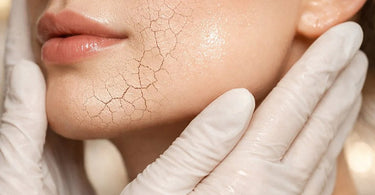
Better tools, better outcomes… especially when it comes to salvaging a client’s skin from the “more is more” exfoliation philosophy they perfected during a late-night skincare TikTok deep dive. We’ve all seen them: the well-meaning, over-zealous clients who treat their skin like a kitchen countertop that needs a good scouring. They march into your treatment room with skin that’s tighter than a new pair of spanx, shinier than a disco ball, and more sensitive than a poet reading bad Yelp reviews. Your mission, should you choose to accept it (and you must), is to repair, restore, and re-educate. And the superhero squad you need for this delicate operation? Ceramides. Consider this your masterclass in barrier bootcamp.
Think of the skin’s barrier, or the stratum corneum, as the world’s most sophisticated brick wall. The skin cells (keratinocytes) are the bricks, and the lipid matrix holding them together is the mortar. This mortar is a beautiful blend of cholesterol, fatty acids, and—you guessed it—ceramides. Ceramides make up about 50% of this lipid layer. They’re the diligent foremen, ensuring structural integrity, locking in hydration, and keeping irritants, pollutants, and allergens from throwing a rave on the skin’s surface. When a client goes ham with acids, scrubs, or microdermabrasion treatments (even professional ones) too frequently, they’re not just cleaning the bricks; they’re dissolving the mortar. The wall gets crumbly, leaky, and defenseless. Enter: redness, stinging, dehydration, breakouts (yes, even from dryness!), and a condition often called “over-exfoliated skin” or compromised barrier function.
The Tell-Tale Signs Your Client Has Declared War on Their Barrier
Before you can fix it, you have to spot it. The over-exfoliated client might not always fess up. Look for the clues: skin that looks glossy or “waxy” (a sign of severe dehydration, not health), persistent redness or flushing, extreme sensitivity to products that were once tolerated (even your gentlest facial treatment serums), a feeling of tightness that no amount of moisturizer seems to fix, and paradoxical flakiness combined with oily patches. It’s like their skin is having an existential crisis. They often complain that “nothing works anymore.” That’s your cue to pause all actives and start the ceramide intervention.
Ceramides 101: Not All Mortar is Created Equal
When shopping for barrier-repair products, either for your backbar or for retail, knowing your ceramide types is key. They’re often listed with numbers like Ceramide NP, AP, EOP. Here’s the cheat sheet:
- Ceramide NP (Ceramide 3): The rockstar for restoring barrier function and reducing trans-epidermal water loss (TEWL). Non-comedogenic and a must-have for repair.
- Ceramide AP (Ceramide 6 II): Excellent for hydration and supporting the skin’s natural renewal process.
- Ceramide EOP (Ceramide 1): The heavyweight champion for locking in moisture. It forms protective layers to prevent dehydration.
The magic happens when ceramides are formulated with their natural partners: cholesterol and free fatty acids. This is often called a “skin-identical lipid ratio” or “barrier repair complex.” Products that include this trio (look for brands like Tuel Skincare or Murad that focus on science-backed formulas) mimic the skin’s natural mortar and patch the holes far more effectively than ceramides alone.
Building the “Barrier Repair” Treatment Protocol
Your treatment room is command central for this rescue operation. Here’s a step-by-step approach to calm, heal, and win back a client’s trust (in you and their own skin).
Step 1: The Gentle Cleanse. Ditch the foaming cleansers. Opt for a milky, cream, or oil-based cleanser that doesn’t strip. This is non-negotiable. Use lukewarm water, not hot. A gentle silicone cleansing brush on its lowest setting can provide a sense of cleansing without physical abrasion.
Step 2: Soothe & Hydrate. This is where your facial steamer can be used cautiously—briefly, from a distance, to add hydration without intense heat. Follow with a supremely calming toner or mist with ingredients like oat extract, panthenol, or aloe. No alcohol, no fragrance.
Step 3: The Ceramide Delivery. Apply a concentrated ceramide serum or treatment ampoule. Gently press it into the skin. This is the workhorse step. Consider combining this with a gentle galvanic machine using the import mode to drive those lipid molecules deeper without irritation.
Step 4: Lock It Down. Seal everything in with a rich, ceramide-infused moisturizer or barrier repair cream. For an extra healing boost, use a LED light therapy device with the red or amber light setting to reduce inflammation and support cellular repair. Avoid blue light at this stage.
Step 5: The No-Go Zone. For at least 2-3 weeks, declare a moratorium on: AHAs/BHAs, retinoids, physical scrubs, dermaplaning, and even hot stone facial massages. The focus is protection.
Retail is Your Secret Weapon for Lasting Results
The in-office treatment is the jumpstart, but the client’s home routine is the marathon. Curate a simple “Barrier Repair Kit” for them. This builds trust, ensures results, and creates a lucrative retail sale. Include:
- A gentle cleanser.
- A ceramide serum.
- A barrier repair moisturizer.
- A mineral-only sunscreen (non-negotiable!). Tinted versions are great for reducing the appeal of heavy makeup.
Brands like Ayur-Medic and June Jacobs often have beautiful, calming lines perfect for this. Explain the routine like a prescription: “Use this, morning and night, for the next 21 days. We are in rebuilding mode.” It turns you from a service provider into a skincare authority.
Prevention: The Best Medicine (And Business Strategy)
The ultimate win is preventing this from happening again. This is where your consultation skills shine. When a client wants to ramp up exfoliation, be the voice of reason. Educate them on frequency. Maybe their sugar scrub is a weekly treat, not a daily driver. Teach them to listen to their skin. A post-waxing or post-lash lift skin is also more vulnerable—recommend a ceramide boost in the days following those services. Stock post-wax soothing products that contain barrier-supporting ingredients.
By mastering the art and science of ceramides, you’re not just fixing broken skin; you’re building unbreakable client relationships. You become the trusted expert they turn to when the internet’s advice goes sideways. And that, is the best business model of all. Now, go forth and rebuild some barriers—the skin kind, not the communication kind!
)