
Invest in quality for lasting success... and invest in a transition that doesn't feel like a sales pitch. Let's be real, the moment a client floats out of your treatment room, blissed out and smelling like a dream, is the golden hour for retail. They are in a state of pure, unadulterated relaxation, their skin is glowing, and they trust you implicitly. This is the moment where the magic happens, or where the opportunity evaporates faster than a spritz of toner if you fumble the transition. The trick is to make the move from your luxury spa furniture to your retail area feel less like a trip to the checkout line and more like a natural extension of the pampering they just received. We're talking about creating a seamless, almost hypnotic journey that guides them gently toward the products that will make them look and feel amazing until their next appointment. Think of it as a spa for your sales, where the only thing that's aggressive is the hydration level in your premium skincare products.
Forget the days of forcing a client to navigate a cluttered counter full of dust-gathering lotions after they've just had the most relaxing professional massage of their life. It's jarring. It's like waking them up from a beautiful dream by dropping a bunch of nail art supplies on the floor. The modern client craves an experience that feels personal and curated, not like they're being ambushed by your bottom line. The goal is to weave the products you use during the treatment into the very fabric of their experience, so that by the time they open their eyes, they aren't just feeling good—they know exactly what made them feel that way, and they're eager to take a piece of that serenity home with them. When done right, this transition is a revenue-generating masterpiece that boosts your must-have spa retail products sales without making anyone feel pressured.
The "What Was That Magic Potion?" Moment
The most powerful sales tool in your arsenal isn't a fancy display rack (though those help). It's the experience itself. While you're working your magic on a client, you're applying massage oils, sugar scrubs, and serums that they can feel and smell. By the end of the session, they've already been "sold" on the product's effectiveness. This is the "ritual retail" concept in action. The treatment room is the ultimate showroom. Don't let that moment go to waste. Ask yourself: are you capitalizing on the professional skincare you just used, or are you just hoping they'll somehow find it on their own?
Make it a point to narrate the experience just a little. It doesn't have to be a running commentary. A simple, "This serum we're using is packed with antioxidants to fight those free radicals we talked about," or "The texture of this spa body treatment is amazing, right? It's formulated to keep your skin hydrated for days," can work wonders. This plants a seed. When the client is later presented with the product, it's not a random sale; it's a familiar friend they've already bonded with. It's the difference between buying a random candle and buying the exact same scent of candle that was burning during your favorite vacation. The emotional connection is everything.
Lead Them By the (Clean, Freshly Washed) Hand
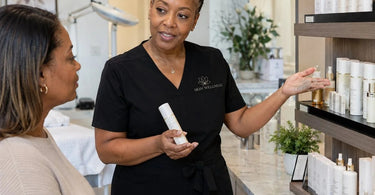
How do you transition? Do you point vaguely in the direction of the front desk and say, "Let us know if you want any products?" If so, you might as well be saying goodbye to that potential sale. You need to physically and verbally guide them. As you're finishing the service, you might say, "I'd love to show you the specific products we used today, especially that serum I used for the advanced facial treatment. They're right up front, and I can walk you through the at-home routine in just a minute." This sets the expectation that the retail stop is a part of the service, not an add-on.
Better yet, have a small, curated selection of the products you use in the treatment room on a beautiful tray or a small shelf near the exit. This creates a visual cue. They see the same spa essentials that were just on their skin and, for a moment, they're transported back to that feeling of bliss. This is what the professionals call "vignette merchandising," and it's a game-changer. It's also incredibly effective to hand them the product. Put the bottle of aromatherapy supplies or cuticle oil in their hand and explain the benefits. Physical touch is a powerful tool. It breaks down the barrier between "display item" and "object I now own."
Visual Merchandising: A Mini-Boutique in Your Spa
Your retail area needs to be more than just a shelf. It should be an extension of your brand's personality. If your spa is all about minimalist, organic vibes, your stylish salon furniture and display should reflect that. Use props like river rocks, driftwood, or lush plants to create a sensory experience that mirrors the treatment rooms. The goal is to make the retail space feel inviting and immersive, not like a drugstore aisle.
Here are a few ideas to get you started:
- Zone It Out: Create distinct zones for different categories. A "Hydration Station" for your premium skincare, a "Calm Corner" for your aromatherapy and massage oils, and a "Glow-Up" area for your dermaplaning and microdermabrasion aftercare. This makes browsing intuitive and helps clients find what they need without feeling overwhelmed.
- Good, Better, Best: Don't just stack products. Show them in a story. If you have a facial cleanser, display it next to the toner and the moisturizer from the same line, showing the routine. This encourages multi-item sales because the client can see the full picture.
- Staff Picks: This is one of the best and easiest tricks. Put a small sign next to a product that says, "Sarah's Favorite for Tired Skin" or "Our team uses this after every shift!" It adds a human touch and builds trust. Clients love knowing what the professionals actually use.
- Keep It Fresh: Stagnant displays are boring. Change them up seasonally or monthly. Have a "Summer Glow" display with your professional sunless tanning products and salt scrubs, or a "Winter Hydration" display with rich creams and towel steamers for an at-home spa experience. Keeping things interesting encourages your regulars to stop and browse every time they visit.
Training Your Team to be Retail Rockstars, Not Pushy Salespeople
Your staff is on the front lines of this transition. If they feel awkward or uncomfortable talking about retail, the client will feel it. And nothing kills a sale faster than awkward silence. You need to train your team to make product recommendations with the confidence of a skincare guru, not the desperation of a car salesman. The key is to frame it as a continuation of care. They aren't "selling"; they're "helping clients extend the results of their treatment."
Empower them to use simple, low-pressure language. Instead of "Do you want to buy this?" they can say, "Based on your skin's needs today, this serum is going to be a real game-changer for maintaining that glow at home." It's a subtle shift in wording that makes a massive difference. Role-play different scenarios with your team. Have them practice "client handoffs" where they pass the client to the front desk with a specific product recommendation. This makes the entire process feel seamless and professional. And remember, your team should be 100% familiar with all the products they're recommending. They need to be able to speak intelligently about ingredients and benefits. A well-trained team is a profitable team, and a happy team makes for happy clients. At Pure Spa Direct, we offer a massive range of professional supplies, from professional salon equipment to ItalWax and dipping powder systems, so your team can be armed with the best to make every client feel like royalty.
Rethink the Front Desk Experience
The final frontier of the transition is the checkout. A well-designed front desk should naturally encourage impulse buys and serve as a reminder of the products you carry. Don't just have a messy jar of lollipops. Feature small, affordable items that are easy to grab. Think nail files and buffers, longwear nail polish, travel-sized skincare, or nail art rhinestones.
If a client has just received a fabulous pedicure, having a small display of pedicure supplies and foot creams at the desk is a brilliant play. They're already looking at their beautiful feet, so remind them how to keep them that way. If they just had a brow lamination service, a little jar of brow gel or a professional lash and brow tint kit at the register is a no-brainer. The point is to make the products relevant to the service they just received. When the connection is that obvious, the sale feels less like an upsell and more like a helpful reminder.
Creating a better transition from your treatment room to your retail area is one of the most impactful things you can do for your business. It's not just about boosting sales (though, let's be honest, that's a fantastic perk). It's about providing a better, more cohesive experience for your clients. When you do it right, your clients leave feeling cared for, educated, and excited to continue their journey at home. That's how you build loyalty, and that's how you create a business that thrives. So go ahead, turn that transition into a destination.
