
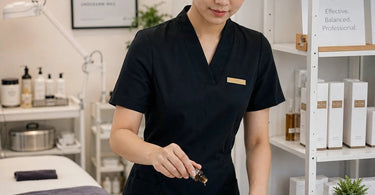
Quality transforms your business, and in the world of spa and salon services, that quality often comes in a tiny, potent bottle. We're talking, of course, about essential oils. They are the lifeblood of a relaxing atmosphere, the secret weapon in a Massage Therapy session, and the aromatic signature of a high-end spa. But here's the thing about these little bottles of concentrated joy: they are strong. Like, 'grandma's perfume at Thanksgiving dinner' strong. And when you're working in a cozy, intimate treatment room, that strength can quickly go from 'ahhh, spa' to 'ugh, my head hurts' if you're not careful. Overpowering your clients with a scent bomb is not the way to earn a five-star review or a generous tip; it's a surefire way to send them running for fresh air. This guide is your roadmap to mastering the art of aromatherapy in small spaces, helping you create a perfectly balanced, blissful environment that keeps clients coming back for more. By following these scent-sible tips, you can harness the power of aromatherapy to elevate your services without overwhelming your clients' senses, all while protecting your valuable equipment and ensuring a safe, professional atmosphere. At Pure Spa Direct, we're here to ensure you have the knowledge—and the products—to make every treatment a sensory masterpiece.
So, why is a small treatment room so susceptible to essential oil overload? Think of it this way: you wouldn't use a firehose to water a houseplant. In a cramped space, the concentration of airborne oil particles can build up incredibly fast, turning a potentially therapeutic experience into an assault on the senses. This can lead to headaches, nausea, or even trigger allergies in sensitive clients . It's not just about avoiding complaints; it's about curating an experience. You want your clients to feel so relaxed they forget where they are, not so overwhelmed they can't wait to leave. Mastery over scent is a key part of what separates a good spa from a truly great one. That's why we're diving deep into the art of how to prevent essential oil overuse in small treatment rooms, ensuring every whiff is a welcome one.
Understanding The Power and Potency of Essential Oils
Before you even think about turning on a diffuser, it's vital to understand what you're working with. Essential oils are the highly concentrated volatile compounds extracted from plants. It can take thousands of pounds of plant material to produce just a single pound of essential oil . That drop of Peppermint Oil is a powerhouse. This potency is why less is undeniably more. A study of essential oil safety highlights that one of the most common mistakes is simply using too much product . In a small treatment room, the margin for error is even smaller. Start thinking in terms of drops, not dollops. One or two drops of a high-quality oil can be sufficient to gently scent a small area, whereas five or six drops from an over-enthusiastic pour can create a scent that is far too strong and potentially irritating .
Client Consultations: The First Step in Safe Aromatherapy
Never assume a client is okay with essential oils. A robust consultation is your first and most important line of defense. Always ask during your initial conversation if they have any sensitivities, allergies, or preferences regarding scents . This is a crucial step in preventing any adverse reactions, especially for clients with conditions like asthma or chemical sensitivities . You should also be aware of contraindications. For example, certain oils can be problematic for pregnant clients, those with high blood pressure, or epilepsy . A 30-second conversation can save you a world of trouble and demonstrate a high level of professional care. Offer them a chance to smell the oil you plan to use; it's a simple gesture that empowers the client and confirms their comfort with the scent.
Mastering Diffuser Dynamics for Intimate Spaces
This is where the rubber meets the road—or rather, where the oil meets the air. Direct inhalation via a high-quality diffuser is a potent and effective method, but it requires careful management. Here's how to ace it every time:
- Dilution is Key: For general use in your treatment room, you should aim for a low concentration. A safe practice is to use a 1% to 2% dilution in your diffuser water, which translates to about 3 to 5 drops of essential oil . This is enough to create a pleasant, subtle atmosphere without being intrusive.
- Diffuse in Intervals: Don't run your diffuser non-stop. Our bodies can get overwhelmed by continuous exposure. A good rule of thumb is to diffuse for 30 to 60 minutes, followed by a break, to prevent scent fatigue . Think of it like a symphony; it needs quiet moments to let the music breathe.
- Placement Matters: Position your diffuser away from the client's direct breathing zone. A corner of the room or near the doorway (where airflow can help disperse it) is often a better choice than right next to the massage table.
- Fresh Air is Your Friend: Don't underestimate the power of a little cross-breeze. Ventilating the room between clients not only helps reset the scent level but also circulates oxygen, making the room feel fresher and more inviting .
Alternatives to Direct Diffusion
If you're worried about overdoing it, or you have a client with known sensitivities, there are other excellent ways to introduce subtle aromatherapy. Consider these gentler alternatives:
- Room Sprays: A quick spritz of a pre-diluted aromatherapy room spray before a client enters can be a lovely way to set the mood without a strong, persistent scent . It's a beautiful, targeted way to freshen the space.
- Inhalers: Personal essential oil inhalers can be a great tool for clients who want a more direct, personal experience. A few drops on a cotton ball or a personal inhaler provides a discreet hit of relaxation for the client themselves.
- Massage Oils and Lotions: For topical application, incorporate your oils into a carrier oil like a high-quality massage oil or lotion. This is an incredibly effective and controlled way to deliver benefits directly to the client's skin. Just remember to use the proper dilution—about 3% for acute issues or 1% for general, full-body relaxation .
Equipment Care: A Warning About Steam and Towel Warmers
It might sound like a great idea to put a few drops of lavender on a towel before placing it in your towel steamer, but you could be doing significant damage. As the towel warms, the essential oil molecules expand and rise, leaving a film that coats the inside of the unit . Over time, this build-up can be near impossible to clean and can seriously damage your equipment. The same principle applies to your facial steamer; the port where steam is emitted can become clogged and the felt strip inside can melt if oils are used . Keep your oils for the client's skin and the atmosphere, and keep them out of your hard-working equipment to avoid costly repairs.
Choosing the Right Oils for Your Setting
Not all essential oils are created equal, especially when it comes to their potential to be irritating. For general use in a spa setting, you want to stick to the classic, crowd-pleasing scents that are known for their calming and balancing properties. Some excellent choices include:
- Lavender: The undisputed king of relaxation, great for sleep and stress relief.
- Chamomile: Gentle and soothing, perfect for sensitive skin and calming the mind.
- Ylang Ylang: A beautiful floral scent that can help with mood elevation.
- Frankincense: Known for its grounding and meditative qualities, great for a spiritual spa experience.
Be more cautious with oils like Bergamot, Lemon, Grapefruit, and Lemongrass, as these are known phototoxic oils and can cause skin irritation in sunlight if left on the skin . In a treatment room, they are best used in a diffuser and not applied topically unless you are highly educated on their proper dilution. Additionally, be wary of strong oils like Peppermint or Eucalyptus, which, while invigorating, can be overpowering in a small space and could trigger breathing issues in sensitive individuals .
Detecting and Correcting Over-Use
Knowledge is power, but knowing how to pivot is mastery. Train yourself and your staff to recognize the signs of an over-scented room. If a client or therapist is coughing, clearing their throat, or complaining of a headache or nausea, it's time to air out the room immediately . Even if the air seems clear to you, trust their cues. A fast response can turn a negative experience into a positive one. Open the door, turn on a fan, and diffuse a neutral odor absorber if you have one. A little fresh air can go a long way. And remember, professional spa products are designed to assist with this, but your action is what truly saves the day.
Conclusion: The Perfect Scent-sory Experience
Aromatherapy remains one of the most powerful and transformative tools in a spa professional's kit. When used correctly, it can enhance relaxation, reduce anxiety, and create a sense of place that makes your business unforgettable. But the key to this success lies in restraint. By understanding the potency of your products, taking the time to consult with your clients, and managing your diffusion methods carefully, you can create a perfectly balanced, inviting sanctuary in your small treatment room. So, take a deep breath, relax, and remember: a subtle hint of lavender is a whisper of luxury, while a whole bottle is just an olfactory scream. Now, go forth and curate an aroma that calms, soothes, and delights—all without sending your clients running for the nearest exit. And for all your professional spa and salon needs, from massage supplies to the finest aromatherapy products, remember that Pure Spa Direct is your trusted partner in creating a truly exceptional experience for every guest.
