
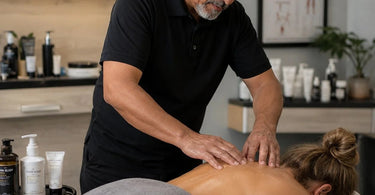
Your key to better results often lies not just in the magic of your hands, but in the words you say before and after. Let's be real, we've all been there. You've just given a client the most incredible, deep-tissue, 'I-can-feel-my-ancestors-releasing-trauma' massage of their life. They float off the table, singing your praises, promising to name their firstborn after you. Then, 48 hours later, your phone buzzes with a panicked text that reads, 'I can barely walk! Did you break me?!' Cue the dramatic music. This, my friend, is the classic tale of Delayed Onset Muscle Soreness, or as we lovingly call it in the biz, DOMS. It's the unexpected guest at the post-treatment party, and if you haven't properly prepared your clients for its arrival, it can turn a blissful experience into a source of panic.
But fear not! DOMS isn't a sign of bad technique; it's actually a sign that you did some seriously good work. Think of it as your client's muscles waving a little white flag and saying, 'Hey, I'm healing and getting stronger here!' It is a completely normal physiological response to unfamiliar or intense physical activity, often involving eccentric muscle contractions (when the muscle lengthens under tension) . For massage therapists, this can be triggered by deep tissue work, trigger point therapy, or even just a particularly vigorous sports massage. The key is managing client expectations before, during, and after the service to ensure they see DOMS as a positive sign of progress, not a reason to book a chiropractor for a 'massage injury.'
What Exactly is DOMS? (And Why It's a Good Thing)
First, let's break down the science in a way that doesn't sound like a boring textbook. DOMS is that muscle tenderness, stiffness, and achiness that peaks about 24 to 72 hours after a treatment . It's the body's inflammatory response to micro-tears in the muscle fibers, which is a natural and essential part of the repair and strengthening process . The soreness you feel the day after a workout or an intense massage isn't from lactic acid (that's a myth). It's from microscopic damage that triggers a healing response, making the muscle more resilient . So, when your client feels that soreness, you can confidently tell them it's their body's way of building back stronger. It is a sign that the treatment was effective in reaching those deep, tight areas that needed release .
Prevention is Better Than a Panicked Phone Call: Setting Expectations Early
The single most important tool in your DOMS management kit is your communication. It all starts during the consultation. Before you even warm up the Massage Oils, Lotions, and Creams, or prep your Portable Massage Tables, you need to have the 'DOMS talk.' Explain that because you're going to be working on deep, long-held tension, it's completely normal for them to feel some muscle soreness over the next day or two. Frame it as a positive. Tell them, 'When you feel that, it's just a sign that we're waking up those muscles and getting them to do what they're supposed to do!'
This pre-emptive strike is crucial because, as many professionals know, setting the stage prevents phantom expectations from creeping in. When you don't explain a process, a client's mind fills in the blanks with anxiety, leading to the panic we all dread . By giving them a heads-up, you're preventing that 'healing crisis' panic. As one source aptly puts it, a healing crisis can bring on symptoms like tiredness, muscle aches, and headaches, and it's vital to explain these reactions are positive results . You are essentially telling them, 'This is not bad, this is part of the journey to feeling amazing!'
The Magic of Post-Treatment Care: Managing the 24-48 Hour Window
Your job doesn't end when the client steps off your Top-Quality Massage Tables & Chairs. It actually continues into the crucial 24-to-48-hour window after the service. This is where you can really shine and solidify your reputation as a true wellness expert. Provide clear, written aftercare instructions that are as essential as the Professional Cleaners & Disinfectants you use in your spa.
Here are some key points to include:
- Hydrate, Hydrate, Hydrate: Encourage them to drink plenty of water to help flush out toxins and support the body's natural healing process.
- Gentle Movement: Advise them that gentle stretching or a light walk can actually help reduce the severity of DOMS by increasing blood flow. The key is to avoid intense workouts.
- Heat Therapy: A warm bath with Epsom salts or a heating pad can soothe aching muscles and provide comfort. This is where a little retail therapy comes in handy!
- Topical Relief: Explain that topical creams with menthol can offer temporary relief by providing a cooling sensation that distracts from the soreness .
For your spa retail section, consider stocking items from our Premium Skincare Products or Aromatherapy Supplies like muscle-relief balms or essential oil blends like lavender and peppermint, which are known for their soothing properties. You can also recommend Cupping tools or Hot & Cold Massage Therapy Products for home use, but remind them to avoid any intense self-treatment that could exacerbate soreness.
What *Not* to Do: Dodging the DOMS Danger Zone
Just as important as what to do is what to avoid. While some post-workout or post-massage soreness is normal, there's a fine line between a healing response and a problem. We want to avoid our clients making a mistake that turns a mild ache into an agonizing ordeal.
Don't overdo it. This is the golden rule! Advise your clients to avoid high-intensity exercise like heavy weightlifting, high-impact cardio, or intense stretching sessions for at least 24-48 hours. They should also avoid aggressive stretching of the treated area, which can increase pain .
Avoid anti-inflammatory meds right away. While NSAIDs like ibuprofen might seem like the obvious solution, they can actually impair the body's natural healing process and hinder muscle repair . It's better to let the natural inflammatory response do its job for muscle rebuilding .
And, for goodness' sake, steer them clear of any new, intense activity. Don't let them get the brilliant idea to go run a marathon the day after a deep-tissue treatment. Encourage them to chill out, rest, and let their body do its thing. The goal is to turn that discomfort into a positive, manageable experience, not a reason for regret.
When to Call the Professionals (It's Usually Not an Emergency)
Equally important is helping your clients differentiate between normal DOMS and a genuine injury that requires medical attention. DOMS is characterized by a dull, aching pain and stiffness that makes the muscle feel tender. It often lessens with gentle activity like walking . However, if the pain is sharp, sudden, or debilitating, it's a different story.
Useful questions to remind them to ask themselves: Did I feel a pop or a tear during the treatment? Is the pain radiating down my legs? Do I have significant bruising or swelling? If the pain is so severe that they can't function or it just feels 'off,' it's always best to err on the side of caution and seek medical advice. But in most cases, the answer is a reassuring, 'Nope! You're just healing. Congrats!'
Turning DOMS into a Client Retention Tool
Here's a little secret: talking about DOMS is a masterclass in client retention. When you prepare your clients for the possibility of muscle soreness, you're demonstrating a level of professionalism and care that sets you apart. You are showing them that you are a partner in their wellness journey, not just a technician performing a service.
To make your aftercare even more effective, you can enhance your clients' recovery with our professional-grade supplies. Ensure your treatment rooms are equipped with the best. For deep tissue work, a Massage Table Warmer can help relax muscles before you even start, making the deeper work more comfortable. And for a truly luxurious finish, wrap them in a warm towel from a Towel Steamer. These small touches elevate the entire experience.
So, embrace the DOMS talk. Make it a normal, even empowering part of your service. When a client texts you the next day saying, 'You weren't kidding about the soreness, but I feel so much looser and my back is thanking me!', you'll know you've nailed it. You've successfully managed expectations, proved your expertise, and built a loyal client who trusts you completely. And that's the best feeling, isn't it?
Remember, a little soreness is a sign that you're doing your job effectively. So, own it. And if they ever start to panic, just remind them: 'It's not a mistake, it's a makeover!'
