
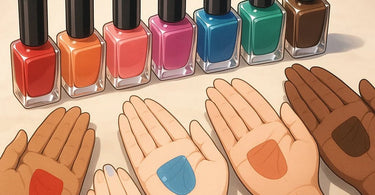
Results you can rely on... especially when they involve transforming a hesitant "I'm not sure" into an emphatic "YES, this is perfect!" Welcome to the magical world of color theory, where understanding the science behind shades becomes your superpower for creating insanely happy clients. Let's be real, we've all had that moment of panic when a client looks at the polish wall with utter confusion. But what if you could confidently recommend the exact shade that makes their skin glow and their eyes light up? Grab your favorite manicure essentials, because we're about to turn you into a color-matching wizard.
Color Theory 101: It's Not Just for Art Class Anymore
Remember the color wheel from school? It's back and more relevant than ever in your nail studio. At its core, color theory helps us understand how colors relate to each other. We have our primary colors (red, yellow, blue), secondary colors (green, orange, purple), and a whole rainbow of tertiary colors in between. But the real magic happens when we talk about hue, saturation, and tonal value. Hue is just a fancy word for the actual color family—like "blue" or "red." Saturation refers to the color's intensity, and tonal value tells us how light or dark a color is. Understanding these concepts is what separates a good nail tech from a truly exceptional one.
The Great Skin Tone vs. Undertone Mystery: Solved!
Here's where most clients get confused: skin tone and undertone are NOT the same thing. Skin tone (or overtone) is what you see on the surface—fair, light, medium, olive, or deep. This can change with the seasons, especially after someone discovers your amazing sunless tanning products. Undertone, however, is the subtle, constant hue beneath the surface. It's the secret code that unlocks perfect color matching. We categorize undertones as warm (golden, yellow, or peachy), cool (pink, red, or bluish), or neutral (a balanced mix). A quick trick? Check the veins on the inner wrist. Greenish veins typically indicate warm undertones, bluish/purple suggest cool, and a mix of both means neutral. Another test: which metal looks better? Gold lovers are usually warm-toned, while silver fans are often cool.
Your Go-To Guide: Matching Nail Shades to Skin Undertones
For Warm Undertones
Clients with warm, golden undertones look fantastic in shades that complement their natural warmth. Think coral, peach, warm reds, gold, and olive greens. These shades enhance their natural glow without creating harsh contrast. It's like finding the perfect massage oil for their skin type—it just works seamlessly. Avoid colors with blue or violet bases, as they can sometimes make the skin look slightly washed out or mismatched.
For Cool Undertones
Your cool-toned clients with pink or bluish undertones shine in jewel tones and blue-based colors. Ruby red, fuchsia, sapphire blue, emerald green, and violet make their skin look vibrant and balanced. It's the color equivalent of the refreshing chill they'd get from your towel steamer—perfectly complementary. Steer clear of orangey tones and yellows, which can sometimes clash with their natural coloring.
For Neutral Undertones
The lucky neutral-toned clients can pull off almost any color, but they particularly excel in shades that aren't too warm or too cool. Dusty rose, jade green, mauve, and sophisticated taupe are stunning choices. It's like having a manicure station that works perfectly for every service—versatile and always on point.
Pro Tips for Flawless Client Consultations
Start by training your eye. Look at clients in natural light near a window if possible. Keep a color wheel at your nail table as a quick reference. When a client is unsure, suggest doing a "color test" with two different undertone families on adjacent nails. The difference can be dramatic and instantly educational. Always remember: while these guidelines are incredibly helpful, personal preference reigns supreme. If your client with warm undertones is absolutely set on a cool fuchsia, work your magic! Confidence is the best accessory, after all.
Beyond the Polish: Creating a Cohesive Color Experience
Your color expertise shouldn't stop at nail polish. Consider how your entire service environment complements different skin tones. The lighting in your salon, the colors of your spa bedding, even the paint on your walls can affect how polish colors appear. Investing in quality, natural-spectrum lighting at your stations is as crucial as having premium gel polish. It ensures the color your client sees in the salon is the same one they'll love in daylight.
Stock Your Shelves for Every Shade of Beautiful
Building a polish collection that serves every client means thinking beyond the usual pinks and reds. Make sure your nail polish collection includes a balanced range of warm, cool, and neutral options across the value spectrum—from pale tints to deep, saturated hues. Don't forget the supporting cast: a great cuticle oil makes any color look better, and having the right nail files and buffers ensures a perfect canvas. For your adventurous clients, complement your core collection with nail art supplies that allow for unlimited creativity.
The Business of Beautiful: Why Color Theory Matters
Mastering color theory does more than create pretty nails—it builds client trust and loyalty. When you consistently recommend shades that make clients feel amazing, you become their go-to expert. They'll trust your advice on everything from lash and brow services to spa body treatments. This expertise turns one-time clients into raving fans who book repeatedly and refer their friends. In today's competitive market, that's the kind of business advantage that looks good on everyone.
So the next time a client stares blankly at your polish wall, smile knowing you have the knowledge to guide them to their perfect shade. With color theory in your toolkit and Pure Spa Direct as your supplier partner, you're not just doing nails—you're creating confidence, one beautiful set at a time.
