
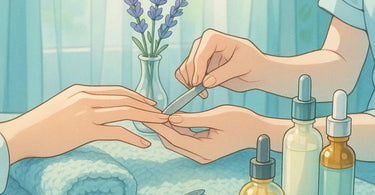
Work smarter, achieve faster... especially when it comes to understanding the mysterious forces that drive your clients to gnaw on their fingernails like they're trying to win a speed-eating contest. If you've ever spent 45 minutes creating a flawless gel polish masterpiece, only to have your client nervously start biting it off during the car ride home, this blog is for you. The truth is, chronic nail biting (or onychophagia, if you want to get fancy at your next staff meeting) is about so much more than just a 'bad habit'—it's a complex body-focused repetitive behavior that affects up to 30% of the population. As wellness professionals, understanding the psychology behind this behavior isn't just fascinating—it's game-changing for how we consult, treat, and retain clients who are struggling to break free from this cycle.
Let's be real: most nail biters aren't doing it because they enjoy the taste of cuticle oil and gel polish. They're often managing stress, boredom, or perfectionism in the only way their nervous system has learned to self-soothe. Your role isn't to become their therapist, but to become their ally—the professional who sees beyond the bitten nails to the potential for beautiful, healthy hands. When you approach this common issue with empathy and expertise, you don't just fill appointment slots; you transform your relationship with clients and become an indispensable part of their self-care journey.
More Than Just a Bad Habit: Understanding the 'Why' Behind the Bite
When a client sits in your pedicure chair with hands they try to hide, it's easy to assume they just lack willpower. But the reality is far more complex. Nail biting is now recognized as a Body-Focused Repetitive Behavior (BFRB), which puts it in the same category as hair pulling and skin picking. These aren't choices—they're compelling behaviors that people often feel powerless to stop, despite the embarrassment and physical damage they cause.
So what's really driving this behavior? For many, it begins in childhood as a coping mechanism for big feelings—anxiety, stress, boredom, or even perfectionism. Imagine a client who starts biting when they're stressed at work: the behavior provides temporary relief from that tension. For others, particularly perfectionists, it might be triggered by a tiny imperfection—a hangnail or rough edge—that they feel compelled to 'fix,' launching them into a cycle of destructive grooming that leaves their nails worse than when they started.
The emotional toll is real. Clients often feel deep shame about their nails, which might explain why they avoid salon visits altogether. They might decline hand massages, hide their hands during consultations, or make self-deprecating jokes about their 'disgusting' nails. Recognizing these signs allows you to approach the topic with sensitivity and professionalism that sets your services apart.
The Physical Fallout: What Happens When Biting Becomes Chronic
Beyond the cosmetic concerns, chronic nail biting creates real physical challenges that you're likely encountering in your treatment room. The damage isn't just skin deep—it affects nails, skin, teeth, and overall health.
Common issues you'll see include:
- Nail Damage: Repeated trauma can damage the nail matrix, leading to permanently weakened, thin, or abnormally shaped nails that challenge even the most skilled technician.
- Skin Infections: Broken skin around the nails creates perfect entry points for bacteria and fungi, potentially leading to painful conditions like paronychia.
- Oral Health Concerns: Believe it or not, chronic nail biters often experience dental issues—from enamel wear and chipped teeth to jaw pain from the constant pressure.
- Illness Transmission: Hands encounter countless germs throughout the day, and putting them in the mouth regularly increases susceptibility to colds, stomach bugs, and other infections.
Understanding these consequences isn't about fear-mongering—it's about having the knowledge to gently educate clients on the importance of breaking the cycle, not just for beauty, but for their overall wellbeing.
Your Professional Playbook: How to Approach Clients with Empathy and Expertise
So how do you broach this delicate topic without making clients feel judged or ashamed? The key is shifting from criticism to compassionate curiosity. Your consultation room is a judgment-free zone, and your approach should reflect that.
Start with open-ended questions during your initial consultation: 'I notice your nails seem to be giving you some trouble—would you like to talk about what's happening with them?' This gives clients permission to share their struggle without feeling attacked. Follow up with validating statements: 'That sounds really frustrating. Many of my clients deal with similar challenges, and I want you to know we can work together on this.'
Avoid the three biggest consultation mistakes: using shaming language, making assumptions about willpower, and offering unsolicited advice. Instead, focus on creating a collaborative atmosphere where the client feels like an active participant in their nail health journey.
Transforming Your Service Menu: Treatment Strategies That Actually Work
Now for the fun part—turning this psychological understanding into practical service solutions that keep clients coming back. Your arsenal should include both in-salon treatments and at-home care recommendations that address both the physical damage and the behavioral patterns.
For the nails themselves, consider these service adaptations:
- The Protective Manicure: Using strengthening nail treatments and gel polish or dipping powder systems can create a physical barrier that makes biting difficult while allowing the natural nail to heal underneath.
- Regular Maintenance Schedule: Book bite-prone clients on a tighter schedule (every 2 weeks instead of 4) to minimize opportunities for relapse and maintain that 'too pretty to bite' factor.
- Sensory-Focused Services: Incorporate luxurious sugar scrubs and cuticle oils into their service—the pleasant sensory experience can help replace the oral fixation of biting.
For at-home care, create a 'Nail Recovery Kit' that clients can purchase, including:
- Cuticle oil for daily massage (creates a positive ritual)
- A high-quality nail file to safely address rough edges
- Bitter-tasting polish (recommend, don't sell—this isn't your product)
- A hand scrub for stress-relieving sensory input
- Fidget toys or stress balls as alternative behaviors
Beyond the Nails: Supporting Clients' Broader Wellness Journey
While we can work wonders with nail treatments and perfect polish, sometimes clients need more support than we can provide at the manicure table. Knowing when and how to make gentle referrals is a mark of true professionalism.
If a client mentions that their nail biting is causing significant distress, impacting their daily life, or coexisting with other conditions like anxiety or ADHD, it might be time to suggest additional support. You might say, 'I'm so glad we're working together on your nails. Some of my clients have found that talking with a therapist who specializes in habits like this has been really helpful too—would you like some information on that?'
Remember your scope—you're the nail expert, not a mental health professional. But being prepared with a few local resources demonstrates your comprehensive approach to client care and builds incredible trust.
The Bigger Picture: Building a Practice That Truly Transforms
When you expand your practice to address the underlying causes of nail biting, you're not just filling appointment books—you're building a reputation as a true wellness destination. Clients who feel understood and supported don't just come back; they become your most passionate advocates, referring friends and family who need the same compassionate expertise.
Stock your treatment room with the tools that support this work—from the towel steamers that create a calming atmosphere to the aromatherapy supplies that help ease anxiety. Every detail communicates your commitment to holistic care.
The psychology of nail biting might seem like deep waters for a beauty professional, but it's precisely this understanding that separates good technicians from great ones. When you see beyond the behavior to the person struggling beneath, you don't just create beautiful nails—you create loyal clients who trust you with their most vulnerable beauty concerns. And that, my friends, is how you build a practice that's not just profitable, but purposeful.
