
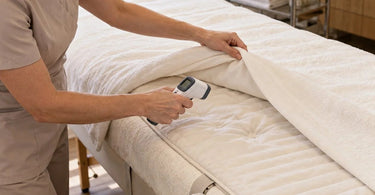
Boost client satisfaction with a beautifully warmed treatment table that feels like a cozy hug instead of a surprise encounter with a tiny volcano. A heated massage table should create consistent, gentle warmth that helps clients settle comfortably into their treatments, but sometimes the heat seems to concentrate in specific areas while other sections remain noticeably cooler. For massage therapists, estheticians, and spa owners, understanding why heated tables develop hot spots is an important part of delivering comfortable, professional services. Fortunately, many uneven heating problems can be prevented through proper equipment setup, appropriate bedding, and regular inspection.
Whether your treatment room uses an integrated heated table or a separate massage table warmer, the goal is the same: comfortable, controlled warmth across the treatment surface. When one section feels significantly hotter than another, the solution is not simply to increase the thermostat and hope for the best. That approach can make an uncomfortable situation worse. Instead, understanding how heat travels through the table and its layers can help you identify potential problems before they affect your clients.
Why Heated Massage Tables Develop Hot Spots
Heated massage tables and warming pads typically use electrical heating elements designed to distribute warmth across a defined surface. Depending on the equipment, these elements may be incorporated into the table itself or housed inside a removable warming pad. Heat travels from the elements through the surrounding materials and eventually reaches the client through the treatment linens.
Ideally, this process produces a comfortable temperature across the areas intended to be heated. However, several factors can interfere with that distribution. Uneven padding, displaced warming pads, compressed materials, folds, and equipment malfunctions may all contribute to localized temperature differences.
It is also important to recognize that not every heating system provides identical warmth at every point. Heating element placement, temperature regulation, and the construction of the table can influence normal temperature variation. A slight difference between sections may be expected for some models, but a distinctly overheated area, sudden change in performance, or uncomfortable concentration of heat deserves immediate attention.
1. Folded or Bunched Heating Pads Can Concentrate Heat
One of the most important things to check is whether the heating pad lies completely flat. A warmer that has shifted, wrinkled, folded, or bunched beneath the bedding may create areas where heat accumulates instead of dissipating as intended.
Imagine folding a warm towel into several layers. The center tends to retain warmth differently than the exposed outer surface. Now imagine a similar situation involving an electrical heating element. Unlike an ordinary towel, a folded electrical warmer can become dangerously hot because the heating components are no longer positioned as designed.
Professional table warmer manufacturers commonly instruct users to keep their equipment fully unfolded and flat during operation. Some warmers feature fitted edges or elastic corner straps specifically intended to help maintain their position.
Before beginning a service, check that the warmer is lying flat, properly secured, and free from folds. Never deliberately fold an electrical warming pad to accommodate a shorter treatment table unless the manufacturer explicitly permits that configuration. If the warmer cannot fit the table correctly, use a properly sized model instead.
2. Too Much Padding Can Trap Heat
Professional treatment tables often have several layers of cushioning and bedding. A typical setup might include the table upholstery, an electrical warming pad, a fleece cover, a fitted sheet, and a blanket.
Each layer influences how warmth travels from the heating element to the client. While suitable bedding can improve comfort, excessive insulation over an electrical warmer may restrict normal heat dissipation and increase the risk of heat buildup.
This is especially important when thick foam toppers, dense cushions, or additional insulating materials are added without checking the warmer manufacturer's instructions. A thicker setup is not automatically a safer or more comfortable one.
Explore Salon & Spa Bedding for professional treatment linens, but remember that bedding compatibility must always be determined by the warmer's operating instructions. The right layers should complement the heating system rather than trap excessive heat around it.
For professionals who enjoy making every table feel like a cloud, this is an important distinction. Clouds are wonderful. An overheating electrical appliance disguised as a cloud is considerably less wonderful.
3. Uneven Cushioning Changes How Heat Reaches the Client
The condition of the treatment table itself can influence perceived warmth. Older upholstery, compressed foam, uneven padding, and worn cushioning may affect how closely the client's body contacts the warmed surface.
Consider a massage table with a noticeably compressed area near the hips. When a client lies on the table, that section may have a different amount of cushioning and contact pressure than the surrounding surface. Depending on the warming system and layer arrangement, the client may perceive more concentrated warmth in that location.
Similarly, a thick bolster or supportive cushion can change how warmth transfers through the bedding. The result may be a noticeable difference in temperature or comfort between body regions.
Regularly inspect the table surface for worn areas, uneven cushioning, damaged upholstery, and padding that no longer provides consistent support. If the table itself has deteriorated, explore suitable replacements through Top Quality Massage Tables and Chairs.
Replacing worn equipment can improve positioning and client comfort, but it should never be treated as a substitute for investigating a malfunctioning electrical warmer.
4. Heating Element Design Affects Temperature Distribution
Not every massage table warmer uses the same heating technology. Some products rely on distributed electrical heating wires, while others incorporate different heating element configurations, temperature sensors, or electronic controls.
The placement of these components influences where warmth originates and how it spreads. Certain areas may warm more quickly than others, particularly during the initial heating period.
Additionally, many warmers regulate temperature by cycling power to the heating elements. This means the system may warm, pause, and warm again as it attempts to maintain the selected setting. That cycling is generally part of normal operation when described by the manufacturer.
However, a persistent, sharply defined hot spot or a section that becomes unusually hot should not be dismissed as normal temperature cycling. It may indicate damaged heating components, a sensor problem, or another equipment issue requiring professional assessment.
When evaluating heated massage tables, review the heating configuration, control options, safety features, and instructions for the specific model. Features such as adjustable temperature settings, automatic shutoff, overheat protection, and appropriate electrical safety certification are worth considering.
5. A Loose Warmer Can Shift During Back-to-Back Appointments
A busy spa treatment room sees plenty of activity throughout the day. Clients climb onto the table, turn over during services, reposition their legs, and slide slightly when getting comfortable. Therapists also change linens, adjust bolsters, and prepare the surface between appointments.
Over time, these ordinary movements may shift a removable warmer or its protective cover. A warmer that looked perfectly positioned during the morning setup might no longer be flat or centered by the afternoon.
This is particularly relevant in high-volume spas where several professionals share the same treatment room. One therapist may adjust the bedding without realizing that the warmer underneath has moved.
A practical solution is to incorporate a quick warmer-position check into the room reset process. Confirm that the warmer remains flat, its securing components are positioned correctly, and the cord is not trapped or pinched. Follow the manufacturer's requirements for switching off or unplugging the unit before adjusting it.
Professional table accessories, including appropriately sized Massage Bolsters, can help create a comfortable treatment setup without relying on improvised padding arrangements.
6. Temperature Settings May Be Higher Than the Service Requires
Sometimes the warmer is functioning as designed, but the selected heat level simply does not match the client's needs.
A comfortable setting for a client who feels chilly may be unpleasant for someone who naturally runs warm. Similarly, a heat level that initially feels gentle can become less comfortable after prolonged contact with the table.
Instead of automatically selecting the highest setting, begin with a conservative setting appropriate for the model and the service. Allow the equipment to operate according to its instructions, and verify comfort before the treatment begins.
Ask clients whether the warmth feels comfortable and give them an easy opportunity to request adjustments. For clients who are sensitive to heat, warming the table may be unnecessary or inappropriate.
Be especially cautious with clients who have impaired temperature sensation, reduced mobility, circulation concerns, or difficulty communicating discomfort. Heated equipment may be contraindicated for certain clients or conditions. Follow the manufacturer's warnings, professional scope of practice, and applicable client safety protocols rather than assuming every client can safely receive heat.
7. Damaged Heating Components Can Create Unsafe Conditions
Electrical massage table warmers are professional equipment, and their internal components can deteriorate with age, improper storage, repeated mechanical stress, or accidental damage.
Warning signs may include inconsistent heating, unusual temperature spikes, visible wear, damaged cords, discolored areas, an unexpected odor, malfunctioning controls, or a warmer that no longer behaves according to its instructions.
A persistent hot spot can sometimes indicate an internal problem rather than a bedding issue. In that situation, rearranging the sheets or lowering the temperature is not an adequate repair.
If you suspect an electrical defect, stop using the equipment immediately, switch it off, disconnect it safely according to the manufacturer's directions, and remove it from service. Contact the manufacturer or an authorized service provider for guidance.
Never attempt to repair heating wires, splice damaged cords, bypass temperature controls, or continue using a questionable warmer simply because your appointment book is full.
For professional facilities, maintaining a backup warmer can help avoid service interruptions while defective equipment is evaluated or replaced.
How to Identify Uneven Heating Before a Client Gets on the Table
A short pre-service inspection can help professionals recognize potential heating problems before they become client complaints.
Start with a visual inspection. With the warmer switched off and disconnected as instructed, examine the accessible surface for folds, bunching, visible damage, and unusual wear. Confirm that the warmer is installed exactly as directed.
Check the bedding arrangement. Make sure protective covers, fitted sheets, and other permitted layers are correctly positioned. Avoid introducing additional thick insulation unless specifically approved for the warmer.
Inspect cords and controls. Check for visible damage and make sure cords cannot become trapped in adjustable table frames or folding mechanisms. Do not operate equipment with damaged electrical components.
Follow the prescribed warm-up procedure. Allow the warmer to reach its normal operating condition using the manufacturer's recommended procedure. Never leave the appliance operating unattended when its instructions prohibit doing so.
Assess for unusual warmth. Where the manufacturer permits surface checks, evaluate whether the intended contact areas feel reasonably consistent through the prescribed bedding layers. Do not touch exposed electrical heating elements or attempt testing that conflicts with the instructions.
Remove questionable equipment from service. If a section becomes noticeably hotter than expected or the warmer exhibits abnormal behavior, discontinue use until the issue has been resolved.
For facilities that maintain equipment logs, documenting recurring temperature complaints and the corrective actions taken can help identify products that need replacement.
Why Adding More Towels Is Not Always the Answer
When a client reports an uncomfortable hot spot, a therapist might instinctively place an extra towel over the warm area. Although an ordinary towel can temporarily alter the sensation of heat, adding insulation over an electrical warmer may also interfere with heat dissipation.
That is why random layers of towels, foam, or blankets should not be used to compensate for uneven heating. A warmer that requires unusual padding to remain comfortable may be incorrectly installed, unsuitable for the table, or malfunctioning.
Use only the protective layers permitted by the manufacturer. If excessive warmth persists, turn off the heating function and investigate rather than creating a homemade insulation experiment beneath your client.
For other non-electrical elements of client comfort, professional High-Quality Towels and properly selected treatment linens can help create an inviting service environment without compromising warmer safety.
How Room Temperature Influences the Heated Table Experience
The treatment room environment also affects how clients experience warmth. A client entering a cool room may initially appreciate a heated table more than someone arriving from a warm reception area.
Airflow from vents, room temperature fluctuations, and the amount of body coverage can influence perceived comfort. For example, exposed shoulders might feel cool even when the client's back is comfortably warmed by the table.
This does not necessarily mean the table needs a higher heat setting. Sometimes the better solution is improving the treatment room environment or adjusting ordinary, non-heated coverings while respecting the warmer's operating instructions.
Consider the complete client experience rather than expecting the heated table to compensate for every temperature difference in the room.
Appropriate room setup, thoughtful use of Spa Essentials for Professionals, and clear communication can make the treatment feel more comfortable without introducing unnecessary heat.
Choosing a Better Massage Table Warmer for Professional Use
If your current warmer repeatedly produces uncomfortable temperature differences, it may be time to evaluate a replacement. Selecting the right product involves more than finding one that gets warm quickly.
Appropriate dimensions: Choose a warmer designed to fit your treatment table. A properly sized product is less likely to require unsafe folding or improvised positioning.
Secure attachment: Fitted designs, elastic edges, or manufacturer-approved securing systems may help prevent shifting during normal use.
Adjustable temperature: Multiple heat settings allow professionals to select an appropriate level for different clients and services.
Safety features: Look for documented overheat protection, automatic shutoff where available, and suitable independent electrical safety certification.
Cleaning requirements: Confirm whether the cover is removable, whether the product is washable, and how the electrical components must be protected during cleaning.
Manufacturer support: Clear operating instructions, warranty coverage, and accessible replacement guidance are especially valuable in a busy professional environment.
Pure Spa Direct offers professional Massage Table Warmers & Toppers alongside a broad selection of treatment room products. Compare the specifications of individual items carefully because features and safety requirements vary by model.
Professionals can also explore the Earthlite and Oakworks collections when planning equipment purchases for massage and wellness spaces.
Creating a Consistent Heated Table Setup Across Multiple Treatment Rooms
For spa managers overseeing several rooms, a standardized table setup can make equipment management easier and reduce avoidable differences between treatment experiences.
When possible, document the approved warmer model, compatible bedding layers, placement instructions, cleaning procedure, inspection requirements, and shutdown process for each room.
Train team members to recognize warning signs such as folded warmers, pinched cords, damaged plugs, unexpected hot spots, and inconsistent temperature controls.
It is also helpful to establish a clear procedure for taking defective equipment out of service. A warming pad that one therapist considers suspicious should not quietly return to use during the next shift.
Routine inspections can be built into existing room-opening and room-closing checklists. This adds consistency without turning the treatment room into an engineering laboratory.
For additional equipment and room furnishings, browse Top-Quality Equipment & Furniture for Spas & Salons when planning upgrades or expanding treatment capacity.
What to Do When a Client Reports a Hot Spot During Treatment
If a client says a section of the table feels unusually hot, respond promptly rather than assuming the warmth will become comfortable after a few minutes.
Stop the heating function and follow the equipment's safe shutdown procedure. Help the client move away from the affected area and assess whether they have experienced discomfort or a possible skin injury. If a burn is suspected, follow appropriate first-aid and medical referral procedures.
Do not restart a warmer that produced abnormal localized heat until its condition has been evaluated. Consider continuing the service without electrical heat only if the table and environment are otherwise safe and the client is comfortable.
Document the complaint, the equipment involved, and any action taken according to your facility's procedures. This provides useful information for maintenance and helps prevent a repeated issue during a later appointment.
Most importantly, take client feedback seriously. The goal is a relaxing treatment, not an unexpected audition for the role of human heating pad tester.
Frequently Asked Questions About Heated Massage Table Hot Spots
Is it normal for a massage table warmer to feel hotter in certain areas?
Some variation may be normal depending on heating element placement and the manufacturer's design. However, a sharply concentrated hot spot, excessive temperature, or sudden change in heating behavior should be treated as a possible safety concern.
Can thick fleece or foam cause a heated table to overheat?
Excessively thick or incompatible insulating layers can interfere with heat dissipation and may increase the risk of heat buildup. Always follow the manufacturer's specific instructions for protective covers and padding.
Should I leave a massage table warmer on between appointments?
Follow the individual warmer's operating instructions for unattended operation, warm-up time, and shutdown. Some models include timers or automatic shutoff, but these features do not eliminate the need to follow the manufacturer's safety requirements.
Can I fold a heating pad to make it fit a smaller table?
No, unless the manufacturer explicitly approves that use. Folding an electrical warming pad can concentrate heat and damage its internal components. Choose a properly sized warmer instead.
Can I use a heated table for every massage client?
Not necessarily. Heat may be unsuitable for clients with impaired sensation, certain health conditions, or an inability to communicate discomfort. Review the product's contraindications and follow applicable professional safety guidance.
How do I know when a table warmer needs replacing?
Visible damage, abnormal heating, damaged cords, malfunctioning controls, recurring hot spots, or other signs of unsafe operation are reasons to discontinue use and seek manufacturer guidance. Do not continue using a warmer that may be defective.
Keep the Comfort, Skip the Hot Spots
A beautifully warmed massage table can make a professional treatment feel especially inviting. But consistent warmth depends on more than turning a dial and layering on extra blankets. Proper installation, compatible bedding, secure positioning, thoughtful temperature selection, and routine equipment inspections all contribute to a safer and more comfortable experience.
For massage therapists and spa owners, the most important lesson is simple: a hot spot is a signal to investigate, not an invitation to turn up the heat. Paying attention to changes in temperature distribution can help protect clients, reduce equipment problems, and maintain the quality of your services.
Whether you are replacing an aging warming pad or refreshing an entire treatment room, Pure Spa Direct can help you explore professional Massage & Wellness Products, Massage Table Warmers & Toppers, and Salon & Spa Bedding suited to your business needs. Create the kind of gentle, comfortable warmth that clients appreciate, without any surprise tropical microclimates hiding beneath the sheets.
