
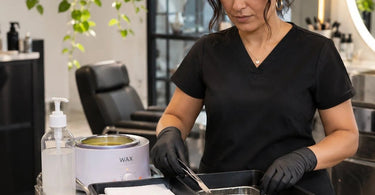
Quality work begins with quality tools... but even the fanciest salon tool trays cannot save the day when clean implements and used implements are sharing the same space. In a busy salon or spa, it takes only one distracted moment to place a freshly disinfected tool beside something that just finished a client service. Suddenly, that beautifully organized workstation is playing a very unfortunate game of guess which tool is clean. Clearly marking the clean and dirty sides of reusable salon tool trays is a simple way to reduce confusion, support proper infection control practices, and keep professional services moving efficiently. Better yet, this small organizational improvement can make sanitation routines easier for everyone on the team.
For nail technicians, estheticians, hairstylists, barbers, brow artists, and other beauty professionals, proper tool handling is part of delivering consistent, trustworthy service. A well-designed tray system helps establish a clear boundary between implements ready for use and those awaiting cleaning and disinfection. The secret is not necessarily buying more equipment. It is creating a workstation where every tool has a designated place and every team member understands the difference.
What Is a Clean and Dirty Salon Tool Tray System?
A clean and dirty salon tool tray system separates reusable implements according to their sanitation status. One designated area holds properly cleaned and disinfected tools that are ready for service. A separate area receives used implements that must go through the required cleaning and disinfection process before they can be reused.
This arrangement may involve two individually labeled trays, separate compartments within a workstation, or dedicated containers positioned near the service area. The important feature is a clear physical separation that prevents tools from accidentally moving between categories.
Labels should be easy to read and understand. Simple markings such as CLEAN and DIRTY, or CLEAN TOOLS and USED TOOLS, eliminate unnecessary interpretation. Staff members should not have to examine a cuticle nipper like a detective investigating a mysterious fingerprint to determine whether it is ready for the next client.
For most professional environments, separate containers are preferable to merely placing a sticker down the middle of one open tray. A divider does not prevent accidental contact, splashes, or contamination. Clean implements should also be protected during storage as required by applicable regulations. A marked clean area on an open tray is not automatically an acceptable long-term storage location.
Why Separating Clean and Dirty Tools Matters So Much
The most important reason for maintaining separate tool areas is reducing the possibility of cross-contamination. Reusable salon implements can come into contact with skin, hair, nails, oils, cosmetic residue, and microorganisms during normal services. Without proper handling, used implements can contaminate clean surfaces or tools that are intended for another client.
Even when an implement looks perfectly clean, appearance alone cannot establish that it has been appropriately disinfected. A stainless steel cuticle pusher may appear spotless while still requiring cleaning and disinfection after use.
A clear separation system supports several important goals:
- Reduced cross-contamination risk: Used implements remain away from properly processed tools.
- Greater consistency: Every technician follows the same basic handling procedure.
- Fewer service interruptions: Staff members can identify available tools without searching or guessing.
- Better workstation organization: Tools move through a predictable sanitation workflow.
- Improved accountability: Managers can more easily identify when procedures are not being followed.
- Professional presentation: A neat and organized workstation helps communicate attention to cleanliness.
It is important to remember that separation is only one part of infection prevention. Proper cleaning, disinfection, storage, hand hygiene, and disposal practices must all work together.
Clean and Dirty Are Not Just Labels: They Represent Different Stages
A common misunderstanding is that a tool becomes clean simply because it has been wiped off or placed in a designated tray. In professional salon sanitation, the difference between cleaning and disinfection matters.
Cleaning removes visible debris, residue, and other material from an implement. Depending on the tool and manufacturer instructions, this typically involves washing with an appropriate detergent and water, followed by rinsing.
Disinfection uses an appropriate disinfectant to inactivate specified microorganisms on compatible surfaces. The product must be used according to its label, including required dilution, application method, and contact time.
Sterilization is a separate, more comprehensive process that may be required for certain implements or procedures. Disinfection should never be represented as sterilization.
For reusable implements that require disinfection, a practical workflow is straightforward:
- Place the used implement in its designated dirty container immediately after service.
- Move the implement to the designated reprocessing area.
- Remove visible debris and clean the tool according to applicable requirements.
- Rinse and dry the implement as directed.
- Apply an appropriate EPA-registered disinfectant using the method and full contact time specified on its label.
- Complete any required rinsing and drying steps.
- Transfer the processed implement into approved clean storage without allowing contact with contaminated surfaces.
The exact sequence must follow local regulations, disinfectant instructions, and the manufacturer recommendations for the implement. Some items require special processing, while single-use products must be discarded after use rather than placed in a reusable-tool system.
Why Physical Separation Is Better Than Relying on Memory
Beauty professionals are talented multitaskers. A nail technician may be answering a client question, checking the appointment schedule, selecting polish colors, and preparing the next implement within the same minute.
That is precisely why a reliable sanitation system should not depend on someone remembering where a tool was placed.
Physical separation creates a visual and operational safeguard. When used tools have their own designated container, their location becomes part of the routine. Staff members do not have to mentally track which items have been processed and which have not.
In a shared workstation, the benefits become even more apparent. One technician may finish an appointment while another prepares the station. Clear labels help prevent confusion during transitions, particularly when multiple people use the same equipment.
A simple organizational rule can make a meaningful difference: once a tool enters the dirty container, it cannot return to clean storage until it has completed the applicable reprocessing procedure.
Choosing the Right Reusable Trays and Containers
Not every decorative organizer is suitable for professional sanitation workflows. A beautiful woven basket may look wonderful in a spa treatment room, but its porous surfaces and difficult-to-clean construction can make it unsuitable for holding used implements.
When selecting professional salon trays, prioritize practical features over appearance alone.
Smooth, nonporous surfaces: Trays made from suitable hard plastics, stainless steel, or other compatible nonporous materials are generally easier to clean and disinfect than absorbent materials.
Easy-to-clean construction: Avoid unnecessary crevices, textured surfaces, and complicated decorative details that can trap residue.
Appropriate sizing: Select containers that hold the required tools without excessive stacking or crowding.
Stable placement: Trays should remain secure on counters or workstations without creating a tipping hazard.
Durable labeling: Use markings that remain readable despite routine cleaning and handling.
Compatibility with cleaning products: Confirm that the tray material can withstand the cleaning and disinfection products used by the business.
Suitable covers: Covered containers may be necessary for used-tool containment or compliant clean storage, depending on the situation and jurisdiction.
Professional salons can explore Spa Tools & Implements for Professionals and Professional Cleaners & Disinfectants for Salons and Spas when planning a more organized sanitation station.
How to Label Clean and Dirty Tool Areas Effectively
The most effective labeling systems are simple, visible, and consistent throughout the business. A small label hidden beneath a pile of implements is not doing anyone a favor.
Use large, legible text that identifies each area clearly. If the business uses color coding, consider assigning one color to clean implements and another to used implements. Colors should reinforce written labels rather than replace them, since staff members may have different color-vision abilities.
Place labels where they remain visible during ordinary work. For containers with lids, consider labeling both the container body and lid so their purpose stays clear even when components are separated.
Use water-resistant labels or appropriately durable markings that tolerate routine cleaning. Replace peeling or illegible labels promptly.
Finally, standardize the wording throughout the salon. If one room says DIRTY, another says USED, and a third has an unlabeled mystery container, employees may interpret the system differently. Consistency helps everyone understand the workflow immediately.
Keeping Nail Salon Implements Organized Between Clients
Nail salons provide an excellent example of why careful tool separation matters. Reusable metal implements may move between manicure stations, pedicure areas, cleaning sinks, disinfection containers, and storage cabinets throughout the day.
Common tools include stainless steel cuticle pushers, compatible cuticle nippers, and other reusable manicure implements. Their reprocessing requirements depend on the tool, the service performed, and applicable regulations.
Establishing a dedicated used-tool container at each workstation reduces the temptation to place implements directly onto a shared counter after service.
Technicians should also distinguish reusable implements from disposable supplies. Many porous nail files, buffers, and similar items are intended for single-client use or are subject to restrictions under state regulations. These items should not be returned to the clean tray simply because they look reusable.
Businesses stocking Manicure Essentials, Nail Brushes & Tools, and Pedicure Supplies can build an organized system around their actual service volume and tool inventory.
Having enough properly processed implements available for consecutive appointments is essential. An organized tray cannot compensate for insufficient tool inventory or rushed disinfection contact times.
Tool Separation for Estheticians, Waxing Professionals, and Brow Artists
Clean and dirty tool separation extends well beyond manicure stations. Estheticians and waxing professionals regularly handle tweezers, extraction implements, treatment accessories, and other tools that may require cleaning and disinfection after use.
A dedicated used-implement container helps keep these items away from clean supplies and prepared treatment materials.
For waxing services, there is another important distinction: reusable implements and single-use applicators do not belong in the same reprocessing category. Used disposable wax applicators should be discarded according to appropriate practices. Double dipping applicators into shared wax supplies can introduce contamination and should be avoided.
For brow and lash services, reusable tweezers and other compatible implements should follow their required processing instructions. Disposable applicators and other single-use supplies must remain separate from reusable tools.
Professionals can organize their treatment areas with appropriate supplies from Waxing Supplies for Professionals, Lash & Brow Service Supplies, and Applicators & Spatulas.
The objective is a workstation where each tool has a predictable destination before and after treatment.
Hair Salons and Barber Shops Benefit From the Same System
Barbers and hairstylists also work with reusable implements such as combs, clips, guards, brushes, and cutting tools. Different items may have different cleaning and disinfection instructions, particularly electrical equipment that cannot be immersed in liquid.
Separating used tools from processed equipment makes it easier to maintain an orderly workflow between haircuts and styling appointments.
For instance, a barber may designate one container for used combs and removable clipper guards while storing properly disinfected implements in an approved clean location.
Electrical clippers and trimmers require special attention. Their cleaning and disinfection procedures must follow equipment manufacturer directions and applicable regulations. They should not automatically be treated like immersion-safe metal tools.
Products from Professional Hair Salon & Barber Shop Supplies and Professional Shears, Clippers, & Trimmers for Barbers can be incorporated into a documented workstation organization plan.
Do Reusable Salon Tool Trays Need to Be Disinfected Too?
Absolutely. A reusable tray does not magically become clean because it carries clean tools. The tray itself is a surface that requires appropriate maintenance.
Used-tool containers can accumulate debris, product residue, and contaminants. Clean-tool containers can also become contaminated through handling, environmental exposure, or accidental contact with used items.
Establish a tray cleaning and disinfection schedule appropriate to its use and applicable regulations. Used-tool containers should be cleaned and disinfected when contaminated and at the frequency required by the salon sanitation plan.
Clean storage containers must be maintained so they do not contaminate processed implements. If a clean tray becomes contaminated, remove the affected tools from service and reprocess them as required.
Use a disinfectant that is appropriate for the tray material and intended surface, and follow its complete label instructions. A quick spray followed by an immediate wipe may not satisfy the required contact time.
And while attractive countertop organizers are lovely, they are not substitutes for proper disinfection containers when tool immersion is required.
Common Clean and Dirty Tray Mistakes to Avoid
Even an otherwise organized salon can develop sanitation problems when daily routines become too casual. Watch for these common mistakes:
- Using one tray with no physical separation: Clean and used implements can accidentally touch.
- Returning tools before processing is complete: A rinsed tool is not necessarily a disinfected tool.
- Ignoring tray sanitation: Reusable containers themselves need proper maintenance.
- Mixing disposable and reusable supplies: Single-use items must not be treated as reusable implements.
- Storing clean tools uncovered when covered storage is required: A designated clean zone does not replace compliant storage.
- Skipping disinfectant contact time: Tools must receive the full treatment specified by the product label.
- Using damaged trays: Cracks, chips, and difficult-to-clean surfaces can interfere with effective sanitation.
- Leaving used tools on clean counters: This can compromise other supplies and surfaces.
Most of these mistakes can be reduced with a combination of employee training, thoughtful workstation design, and routine supervision.
Creating a Simple Salon Tool Handling Policy
A written procedure helps turn good intentions into consistent daily behavior. The policy does not have to be complicated, but it should explain precisely how reusable implements move through the salon.
Start by identifying the tools used for each service and whether they are reusable, single-use, or subject to special processing requirements. Establish dedicated collection points for used implements and identify approved clean storage locations.
Next, document the cleaning and disinfection procedures that apply to each category. Include manufacturer instructions, appropriate disinfectants, contact times, handling precautions, and any relevant local licensing requirements.
Train all employees, including new staff members and temporary service providers, on the same process. Demonstrate exactly where tools belong after service and how they return to approved clean storage.
Include routine checks for damaged containers, worn labels, and inadequate tool inventory. Managers should periodically observe normal workstation transitions rather than relying solely on how the salon looks before opening.
Finally, review procedures whenever equipment, products, services, or applicable rules change.
Can Better Tool Organization Improve Salon Efficiency?
Yes, although the biggest benefit comes from reducing uncertainty rather than skipping any required sanitation steps.
When staff members know exactly where clean tools are stored and where used tools belong, they spend less time searching, sorting, and asking questions during appointments.
That clarity is especially valuable in high-volume salons where multiple technicians share workstations or sanitation areas.
Clean and dirty separation also makes supply planning easier. If used-tool containers regularly fill before processed implements are available, the business may need more reusable tools, additional properly sized disinfection equipment, or a better reprocessing schedule.
Consider keeping sufficient inventories of frequently used implements and reviewing your Must-Have Supplies for Salon & Spa Business Success alongside equipment from Top-Quality Equipment & Furniture for Spas & Salons.
Efficiency should never mean rushing cleaning or shortening disinfection time. The real goal is designing a workflow that allows sanitation to happen correctly without unnecessary disruption.
What Should Salon Owners Look for During a Sanitation Inspection?
Sanitation requirements vary by state, licensing authority, and type of beauty service. Some jurisdictions specifically require labeled containers for used implements, while others establish requirements for clean storage, disinfection equipment, or separation of contaminated items.
Salon owners should review the current regulations applicable to their business rather than assuming one universal set of rules covers every location.
During internal sanitation checks, consider whether used implements are clearly separated, whether clean tools are stored appropriately, whether disinfectant containers and products are properly labeled, and whether employees understand the established procedures.
Check that disinfectant solutions are prepared and replaced as directed, that required contact times are observed, and that equipment is suitable for the intended processing method.
A clearly marked tray system can help support compliance, but labels alone do not establish that a business meets every applicable sanitation requirement.
Frequently Asked Questions About Clean and Dirty Salon Tool Trays
Can clean and dirty tools share the same tray if there is a divider?
A divider may help with organization, but separate containers are generally a safer approach because they reduce opportunities for accidental contact. Some jurisdictions require specific separation or storage arrangements. Always follow the applicable rules for your business.
What is the best material for reusable salon tool trays?
Durable, smooth, nonporous materials that are compatible with the necessary cleaning and disinfection procedures are generally practical choices. Stainless steel and suitable hard plastics are common options. Confirm manufacturer instructions before use.
Can a clean tool tray replace a disinfectant soaking container?
No. A clean tool tray is used for organization or appropriate storage. If an implement requires immersion disinfection, it must be processed in a suitable disinfectant container following the product label and applicable regulations.
How often should dirty tool trays be cleaned?
The schedule depends on how the container is used, contamination events, manufacturer instructions, and local rules. Containers must be maintained in a sanitary condition and cleaned and disinfected whenever necessary to prevent contamination.
Should clean tools be stored in covered containers?
Many salon regulations require processed implements to be stored in clean, protected locations such as covered containers, cabinets, or drawers. Requirements vary by jurisdiction and service type. An exposed countertop tray should not be assumed to meet long-term clean storage requirements.
Are color-coded tray labels enough?
Color coding can improve quick recognition, but written labels provide a clearer identification system. Using both colors and readable words can make the workflow easier for everyone to follow.
Build a Cleaner, More Organized Salon With Pure Spa Direct
Clearly marked clean and dirty tool areas might seem like a small detail, but they support something much bigger: a consistent, professional sanitation routine that protects clients and makes daily service preparation easier.
From manicure stations and waxing rooms to barber workstations and spa treatment areas, thoughtful tool organization reduces confusion and helps employees maintain the distinction between used implements and properly processed equipment.
Pure Spa Direct helps beauty and wellness professionals source supplies and equipment for efficient salon operations. As a professional distributor, Pure Spa Direct offers access to products for organizing workstations, maintaining sanitation procedures, and supporting the daily needs of busy beauty businesses.
Explore Spa Tools & Implements, browse Professional Cleaners & Disinfectants, or search for disinfectant jars and salon tool trays to find options suited to your professional setup.
Because the only thing that should be mixed up at your workstation is a fabulous custom hair color, not the sanitation status of your tools.
