
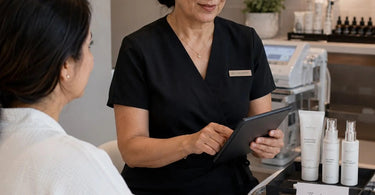
Boost sales with this winning pick... the checkout process. Let's be real, nothing ruins that serene, post-massage, Zen-like state faster than a chaotic, glitchy, or downright confusing checkout experience. You have just spent an hour delivering pure bliss, your client is floating on cloud nine, their muscles are jelly, and their skin is glowing. They are in the perfect state of mind to book their next appointment, grab that amazing Body Scrub you used, and become a lifelong fan. Then, BAM! They hit your online checkout or booking system, and it's like walking into a brick wall. Complicated forms, hidden fees, mandatory account creation, and a general lack of clarity bring them crashing back down to earth. That expensive, relaxing aura you just cultivated? It evaporates into thin air. The checkout is your final impression, and we all know that a bad last impression can ruin the entire memory of a great service. So, how do we keep that good energy flowing all the way through to the "complete purchase" button? It's time to give your checkout flow the same love and attention you give your services.
As a spa or salon owner, your goal is to extend that feeling of peace and trust right through to the final transaction. This isn't just about making a sale; it's about preserving the client relationship you've just invested so much in. Our clients come to us to escape the frantic, stressful world. If your digital experience feels like the very chaos they came to avoid, they will remember that feeling, and not in a good way. A clunky online system can undo all your hard work and turn a potential repeat client into a one-time visitor. We need to make the booking and buying process feel just as intentional and calming as your treatment rooms. Let's dive into some practical ways to make your online checkout flow as soothing as a hot stone massage.
1. Simplify, Simplify, Simplify: Ditch the Friction
Think of your checkout process like a luxurious spa treatment: every step should be purposeful and relaxing, not stressful. In 2024, the average e-commerce checkout flow contained 11.3 form fields, but most purchases only require about 8. Every extra field is a potential point of abandonment. This is especially true for our industry. A client who just had a Facial Treatment doesn't want to pull out their address book to remember their grandmother's maiden name for a security question. They want to quickly and easily confirm their appointment, buy the Premium Skincare Products you recommended, and get back to their blissful state.
A key best practice is to offer a guest checkout option. Forcing a client to create an account is a top reason for cart abandonment, cited by 19% of shoppers. If they are a first-time client testing the waters or a busy professional in a hurry, an account can feel like a major hurdle. You can easily prompt them to create an account after the purchase is complete by saying something like, "Want to save your info for next time?" This way, you get the account, and they get a frictionless experience. Also, consider using autofill features to speed up address entry and reduce typos. For service-based businesses, one expert found that simplifying fields to just name, phone, and preferred time slots increased bookings by 41% . It's about asking for the absolute minimum to get the job done.
2. Keep the Calm Vibe with a Consistent Brand Experience
Your brand and space are oases of tranquility. Your online presence needs to feel like an extension of that. A major mistake is sending clients to a third-party booking or payment page that looks completely different from your site. This abrupt change is jarring and can erode trust instantly. If a client is taken off your site, they can feel disoriented and less confident in the security of their transaction.
For the best conversion, consider an overlay or inline checkout that keeps the client on your page. This means they are never redirected away from your beautiful website and your calming brand colors, fonts, and logo. It reduces the cognitive distance between "I want this" and "I bought this." If you must use a hosted page (like a specific booking system), see if they offer customization options so you can maintain a consistent look and feel. A seamless brand experience from the first click to the final confirmation builds a powerful sense of trust and professionalism that your clients will love.
3. Be a Transparency Trailblazer: No Hidden Fees!
Imagine this: Your client just enjoyed a relaxing Massage and a rejuvenating Advanced Facial. They loved it. They go online to buy the Luxurious Body Butter you used and to book a follow-up for next month. At the final stage, they are hit with a surprise $15 "service fee" or a shipping cost that wasn't clear earlier. That happy feeling is immediately replaced by annoyance. This is a huge red flag for clients. In fact, nearly 40% of shoppers abandon their carts due to unexpected, extra costs like shipping, taxes, and fees.
To avoid this, show all costs, including taxes and shipping, as early as possible—ideally, right in the cart. Be upfront about any additional fees and explain exactly what they are for. You can even consider a "free shipping" threshold (e.g., "Get free shipping on orders over $50") to encourage them to add more to their cart, like that Nail Treatment or a Salt Scrub they were eyeing. When your client feels respected and not tricked at checkout, they are far more likely to hit that final button with confidence and enthusiasm.
4. Build a Fortress of Trust with Clear Security Signals
Your clients are handing over their most sensitive personal and financial information. If your checkout page doesn't look or feel secure, they won't complete the purchase. A staggering 19% of shoppers abandon their cart because they don't trust the site with their credit card info. This is a critical trust moment. You need to reassure them that their data is safe.
Make sure your website is TLS-secured (look for the padlock in the URL bar) and display recognizable security badges, like SSL certificates or logos of accepted payment methods, right next to the payment button. This is a powerful, visual trust signal. Including a clear and easy-to-find return and refund policy is also critical; 15% of shoppers abandon carts due to unsatisfactory return policies. And if you use a trusted payment platform, a small note like "Payments processed securely by [Platform Name]" can provide an extra layer of comfort. When clients feel safe, they are far more likely to complete their purchase and become a loyal advocate for your business.
5. The Power of the Pause: Strategic Hesitation for Better Conversion
Here's a concept that might sound counterintuitive: sometimes, slowing people down is a good thing. The dogma of "fast is always better" isn't always true. A checkout process that is too fast and frictionless can feel soulless and transactional, and it offers no moment for the client to build clarity and confidence. A strategic pause can actually build trust and increase conversions.
Consider a slightly longer, more thoughtful checkout flow. You can use this as an opportunity to reinforce their purchase decision. Instead of just showing a receipt, you could add an extra step that summarizes their order, reiterates the benefits of the products they bought (like the Professional Wax Warmer), and thanks them for choosing your business. This gives the client a moment to reflect and feel good about their purchase. You can also use this time to provide an excellent mobile-first experience that includes strategic upsells. Just be careful to not load them down with too many options, but a complementary item, like a High-Quality Applicator with a wax kit, can feel like a thoughtful recommendation rather than a pushy sales tactic. A well-designed, slightly slower checkout that provides reassurance and clarity can ultimately lead to higher conversion and fewer returns.
6. Make Booking a Breeze, Not a Chore
Booking an appointment should be as relaxing as the service itself. Your booking flow is the first step in the client's journey, and a clunky, frustrating experience sets a bad tone from the start. Think of it this way: if your booking process feels like a chaotic waiting room, the client will subconsciously expect your service to be equally disorganized. But if it's smooth and intuitive, they'll walk in already feeling calm and confident.
Start by placing clear, one-click "Book Now" buttons prominently on your website, especially on your homepage and service pages. Make sure your system offers a preview of your schedule without requiring clients to log in first. And with a vast majority of searches and bookings coming from mobile devices, a mobile-first design is non-negotiable. Also, add a 5-star review or client quote near every decision point to build that social proof instantly. Use clear service names like "First-Time Facial" or "Hydrating Peel" so the client knows exactly what they're getting. Nobody wants to decipher confusing industry jargon when they're trying to book a well-deserved treat. At Pure Spa Direct, we know that the right tools help professionals deliver the best experiences, and that includes the tools you use to run your business.
7. Provide Flexible Payment Options
Are you limiting your clients to just credit or debit cards? That's a fast track to losing a sale. Today's clients want flexibility to pay with their preferred method. The more payment options you provide, the more clients you can accommodate, and the lower your cart abandonment rate. This is especially important on mobile and in international markets.
At a minimum, you should accept all major credit cards and offer digital wallets like Apple Pay, Google Pay, or PayPal. In 2025, mobile commerce is set to hit $2.5 trillion in sales, meaning a huge chunk of your clients are shopping and booking on their phones. If you're not offering these mobile-first, one-click payment options, you're creating a significant point of friction. These wallets also boost trust by providing a layer of security they're already familiar with. And if you have international clients, make sure you offer popular local payment methods. A platform that handles 100+ payment methods globally, like Stripe, can help you handle this seamlessly.
8. Personalize the Post-Purchase Flow
Your job isn't over when the payment goes through. The post-purchase experience is a golden opportunity to solidify that relationship and encourage future visits. An instant, clear confirmation page is vital. It reassures the client that their order was a success. Immediately sending an email receipt with a summary and order tracking information confirms the order and acts as a record for them.
Don't stop there! This is the perfect time to upsell. For example, if a client just booked a 60-minute massage, your confirmation page could suggest adding on a Hot Stone treatment for an extra 15 minutes of luxury. Or, if they just bought a Hard Wax kit online, they could also use a Spatula and Applicator. You can also use email to send them a thank-you note with a small discount on their next service. And don't forget to include clear options for accessing customer support, like a live chat widget, just in case they have any questions. A thoughtful post-purchase process builds loyalty and trust, transforming a one-time buyer into a raving fan.
9. Let Your Clients Pay How They Want
We've touched on this, but it bears repeating: if you want to boost sales and keep clients happy, you need to let them pay in the way that feels most convenient for them. Are you limiting your clients to just credit or debit cards? That's a fast track to losing a sale. Today's clients want flexibility to pay with their preferred method. The more payment options you provide, the more clients you can accommodate, and the lower your cart abandonment rate. This is especially important on mobile and in international markets.
At a minimum, you should accept all major credit cards and offer digital wallets like Apple Pay, Google Pay, or PayPal. In 2025, mobile commerce is set to hit $2.5 trillion in sales, meaning a huge chunk of your clients are shopping and booking on their phones. If you're not offering these mobile-first, one-click payment options, you're creating a significant point of friction. These wallets also boost trust by providing a layer of security they're already familiar with. And if you have international clients, make sure you offer popular local payment methods. A platform that handles 100+ payment methods globally, like Stripe, can help you handle this seamlessly.
Let's be clear: you wouldn't only stock one type of Shampoo for every client, would you? Of course not! You have options to match different hair types and needs. Your checkout flow should be no different. You need to tailor it to your clients' needs to remove any and all friction. Also, think about "Buy Now, Pay Later" (BNPL) options. These can be a great way to allow clients to book a more expensive package or buy high-end retail products in-store or online, making luxury accessible and boosting your average order value.
To learn more about the high-quality tools and products that make your services and retail offerings exceptional, make sure to explore our premium salon and spa equipment and our extensive skincare and lash & brow supplies. Your clients deserve the best, and your checkout flow should reflect that same standard.
